How to Break in Frying Pan for Perfect Nonstick Cooking Every Time

Breaking in a new frying pan is essential for achieving perfect nonstick cooking and prolonging your pan’s life. This guide walks you through simple, effective steps to season and care for your frying pan so every meal cooks evenly and slides right off.
Key Takeaways
- Seasoning is crucial: Properly seasoning your frying pan creates a natural nonstick surface.
- Clean gently: Avoid harsh soaps or scrubbing that can damage the seasoning.
- Use the right oils: Oils with high smoke points are best for seasoning and cooking.
- Heat carefully: Gradually heat the pan to avoid warping or damaging the coating.
- Repeat seasoning: Multiple seasoning cycles can improve nonstick performance.
- Avoid sudden temperature changes: This protects the pan’s surface and extends its life.
- Proper maintenance matters: Regular care keeps your frying pan in top shape for years.
How to Break in Frying Pan for Perfect Nonstick Cooking Every Time
If you’ve just purchased a new frying pan, you might be wondering how to get the best use out of it right away. Whether it’s cast iron, carbon steel, or a nonstick pan, breaking it in properly can make a huge difference in cooking performance. In this guide, you’ll learn how to season and care for your frying pan so food cooks evenly without sticking, and your pan lasts for years.
Why Breaking in a Frying Pan Matters
Many people think nonstick pans work perfectly out of the box, but they actually need some care before first use. Breaking in your pan builds up a layer of seasoning that prevents food from sticking, enhances flavor, and protects the pan from rust or damage. For pans like cast iron or carbon steel, seasoning is essential. Even some nonstick pans improve with a gentle break-in process.
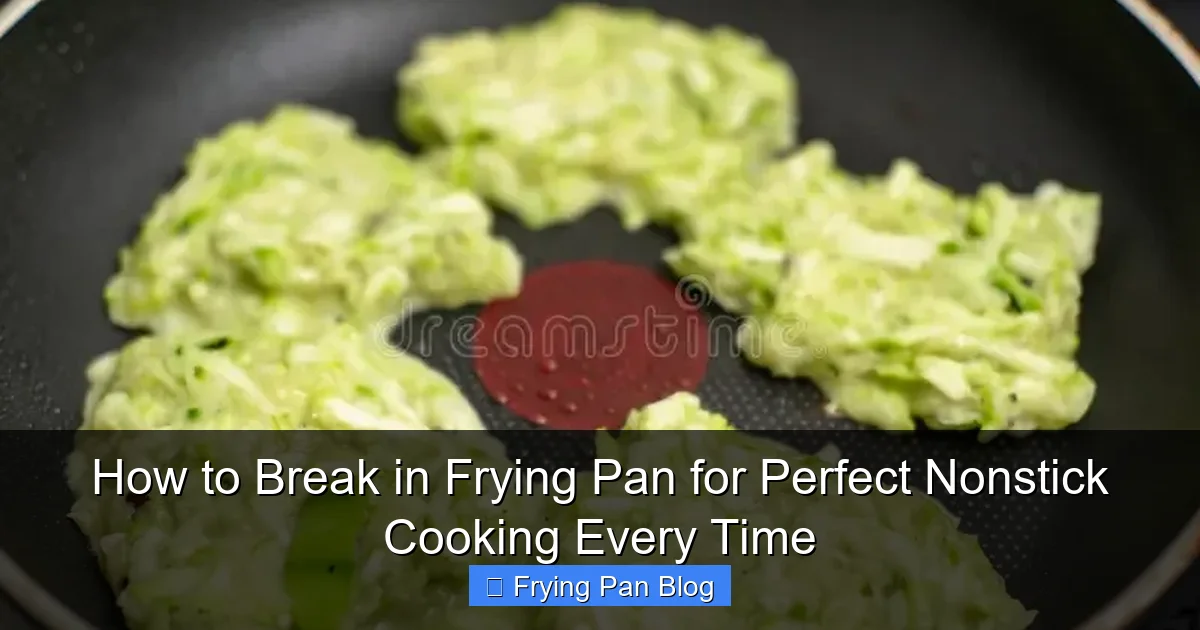
Visual guide about How to Break in Frying Pan for Perfect Nonstick Cooking Every Time
Image source: thumbs.dreamstime.com
Step 1: Choose the Right Pan for Your Cooking Needs
Before breaking in your pan, make sure you have the right type of frying pan for your style of cooking:
- Cast iron pans: Heavy, durable, and great for high-heat cooking.
- Carbon steel pans: Lighter than cast iron but also seasonable and versatile.
- Nonstick pans: Usually coated with materials like Teflon, good for low-fat cooking.
Breaking in techniques vary slightly depending on the material, so knowing your pan helps.
Step 2: Initial Cleaning
New pans often have factory oils or residues that need to be removed before seasoning.
How to Clean Your New Pan
- Wash the pan with warm water and mild dish soap using a soft sponge.
- Rinse thoroughly and dry completely with a clean towel.
- For cast iron or carbon steel, avoid soaking or leaving the pan wet to prevent rust.
Cleaning preps your pan for the seasoning process.
Step 3: Seasoning Your Frying Pan
Seasoning is the key to building a natural, nonstick surface on your frying pan.
Seasoning Cast Iron and Carbon Steel Pans
- Preheat your oven to 375°F (190°C).
- Apply a thin, even layer of oil with a high smoke point (flaxseed, canola, or grapeseed oil) to the entire surface, inside and out.
- Use a paper towel to wipe away excess oil – the pan should look barely shiny, not greasy.
- Place the pan upside down on the oven rack. Place a foil-lined baking sheet on the rack below to catch drips.
- Bake for one hour, then turn off the oven and let the pan cool inside.
- Repeat this process 2-3 times for best results.
Seasoning Nonstick Pans (If Recommended)
Many nonstick pans do not require seasoning, but some benefit from a light break-in.
- Heat the pan on low for 1-2 minutes.
- Add a small amount of cooking oil and spread it evenly.
- Heat for another 1-2 minutes, then cool and wipe excess oil off.
Always check your manufacturer’s instructions before seasoning nonstick pans.
Step 4: Cooking to Build the Seasoning Layer
Once your pan is seasoned, cooking with oils and fats helps maintain and improve the nonstick surface.
- Start by cooking fatty foods like bacon, sausages, or fried eggs.
- Use medium heat to prevent burning the seasoning.
- Over time, the seasoning layers will build up, improving release and flavor.
Step 5: Cleaning and Maintenance After Use
Proper cleaning keeps the seasoning intact and your pan nonstick.
- For cast iron and carbon steel, rinse with hot water and use a soft brush or sponge. Avoid soap if possible.
- Dry the pan immediately and apply a thin layer of oil before storing.
- For nonstick pans, use mild soap and avoid abrasive scrubbers.
- Never put cast iron or carbon steel pans in the dishwasher.
Step 6: Troubleshooting Common Issues
Food Sticking to the Pan
This usually means the seasoning is incomplete or damaged. Try re-seasoning your pan and avoid cooking on very high heat at first.
Rust on Cast Iron or Carbon Steel
If rust appears, scrub it gently with steel wool, rinse, dry, and reseason immediately.
Warping or Uneven Heating
Avoid rapid temperature changes like putting a hot pan into cold water. Heat your pan gradually to prevent warping.
Practical Tips for Long-Lasting Nonstick Performance
- Use wooden or silicone utensils to protect the surface.
- Cook on medium or low heat to preserve the seasoning.
- Store pans in a dry place to prevent moisture damage.
- Re-season pans periodically to maintain the nonstick layer.
Conclusion
Breaking in your frying pan properly is a simple process that pays off with every meal you cook. By cleaning, seasoning, and caring for your pan correctly, you ensure a reliable nonstick surface that improves with use. Whether you have a cast iron skillet or a nonstick pan, following these steps will make cooking easier, healthier, and more enjoyable. Start your break-in routine today and enjoy perfect nonstick cooking every time!
🎥 Related Video: How to fix non-stick pans #mindfulcooking
📺 Smile