
Are Stainless Steel Frying Pans Safe

Stainless steel frying pans are generally safe and popular cookware options due to their durability and non-reactive surface. While concerns about metal leaching exist, proper use and maintenance make stainless steel pans a healthy choice for everyday cooking.
Key Takeaways
- Durability: Stainless steel pans last long and resist rust and corrosion.
- Non-reactive surface: They don’t alter the taste or color of food.
- Metal leaching: Minimal and usually safe unless the pan is damaged.
- Health safety: Stainless steel is generally safe for all types of cooking.
- Proper use: Avoid overheating to reduce metal release.
- Maintenance: Regular cleaning keeps pans safe and effective.
- Environmental impact: Stainless steel is recyclable and eco-friendly.
📑 Table of Contents
Are Stainless Steel Frying Pans Safe?
If you’ve ever stood in the cookware aisle wondering which frying pan to buy, you’re not alone. Stainless steel frying pans are among the most common choices. But are they truly safe to use every day? This question pops up often, especially with concerns about chemicals and metals leaching into our food.
In this article, we’ll explore what makes stainless steel pans safe, the potential risks, and how to use these pans properly to keep your meals healthy and delicious. Whether you’re a seasoned cook or just starting, understanding the safety of your cookware matters.
What Is Stainless Steel and Why Is It Popular for Cookware?
Understanding Stainless Steel Composition
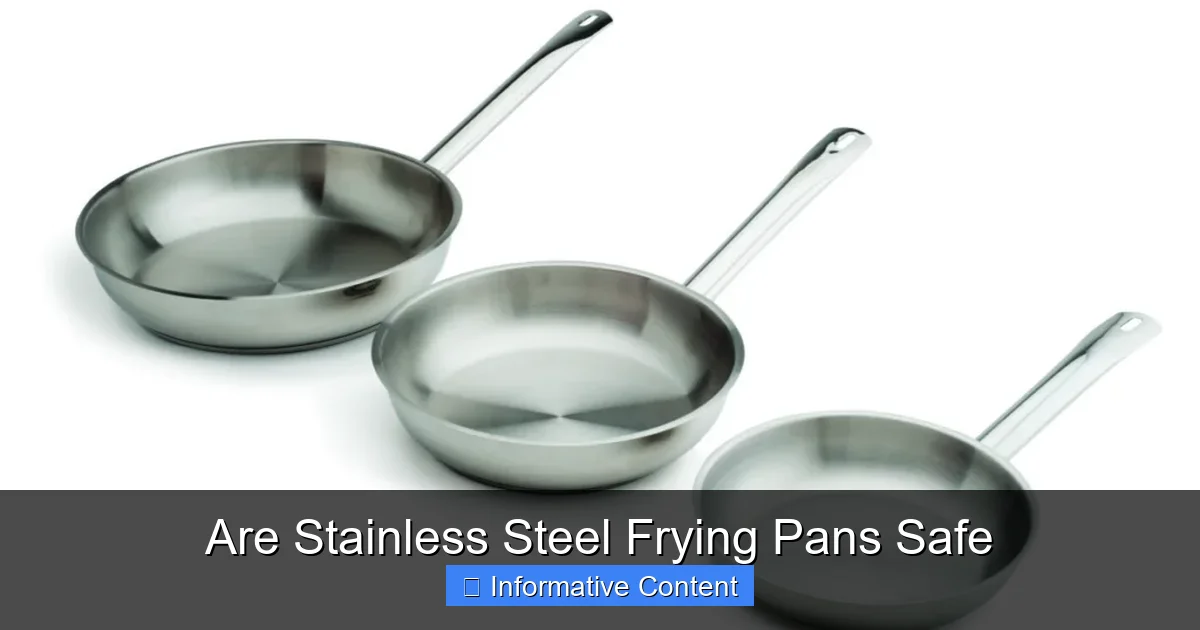
Stainless steel is an alloy mainly made of iron, with added chromium, nickel, and sometimes other metals. The chromium forms a thin, invisible layer on the surface, which prevents rust and corrosion. This protective layer makes stainless steel pans resistant to stains and easy to clean.
Visual guide about Are Stainless Steel Frying Pans Safe
Image source: kingmetal.com
Benefits of Stainless Steel Pans
- Durability: They don’t chip, crack, or warp easily.
- Heat distribution: High-quality pans distribute heat evenly, helping you cook food consistently.
- Non-reactive surface: Unlike aluminum or copper, stainless steel doesn’t react with acidic or alkaline foods.
- Appearance: They keep their shiny look and can handle scrubbing without damage.
Are Stainless Steel Frying Pans Safe for Health?
Potential Metal Leaching
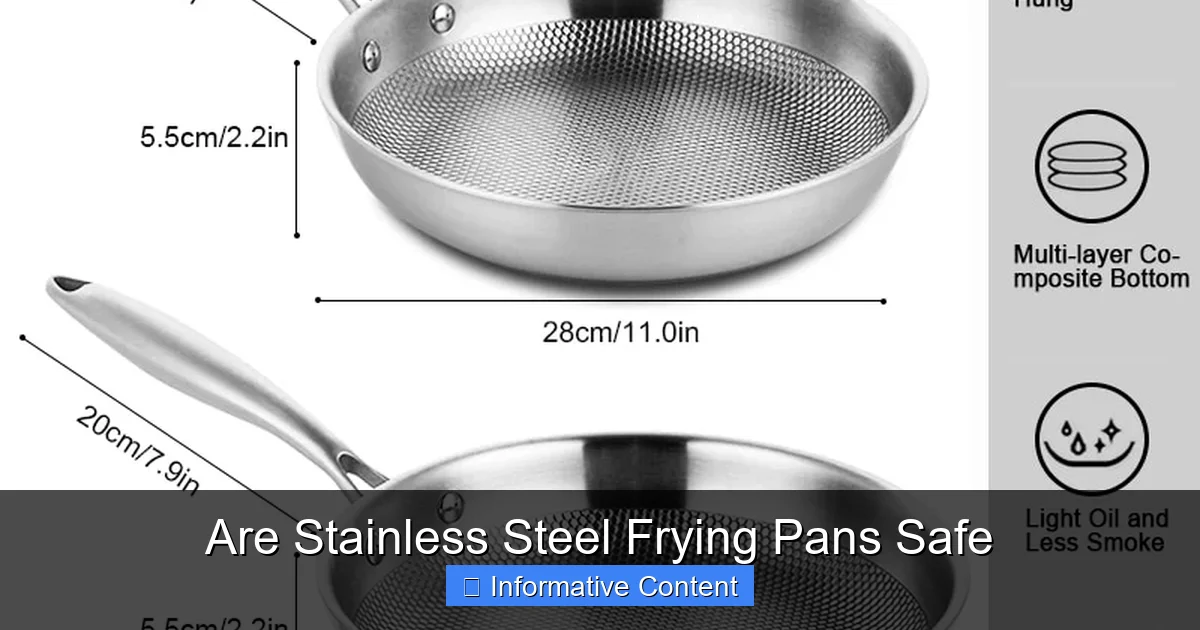
One common concern is whether metals like nickel or chromium can leach into food during cooking. Studies show that small amounts of these metals can transfer, especially if the pan is new, scratched, or overheated. However, for most people, the levels are very low and not harmful.
Visual guide about Are Stainless Steel Frying Pans Safe
Image source: images.nexusapp.co
Who Should Be Cautious?
People with allergies to nickel or chromium should be cautious. If you have a known sensitivity, cooking acidic foods like tomato sauce in stainless steel pans may increase metal release. For most others, stainless steel pans are safe when used correctly.
Regulations and Safety Standards
Cookware manufacturers follow strict safety regulations to ensure products are food-grade and safe. Stainless steel pans sold in reputable stores meet these standards, giving you peace of mind.
Tips for Using Stainless Steel Pans Safely
Avoid Overheating
High heat can damage the protective chromium layer and increase metal leaching. Use medium or medium-high heat for most cooking tasks and avoid preheating an empty pan for too long.
Season Your Pan Properly
Though stainless steel pans are not non-stick by nature, seasoning them lightly with oil can create a temporary non-stick surface and protect the metal. This reduces food sticking and makes cleaning easier.
Use Proper Utensils
Metal utensils can scratch the surface, which may increase metal release. Use wooden, silicone, or plastic utensils to prolong your pan’s life and safety.
Cleaning and Maintenance
Clean your pan promptly after use with warm, soapy water. Avoid harsh chemicals or steel wool that can damage the surface. For stuck-on food, soak the pan or use a gentle scrubber.
Comparing Stainless Steel with Other Cookware Materials
Stainless Steel vs. Non-Stick Pans
Non-stick pans often contain coatings like Teflon, which can release toxins if overheated. Stainless steel pans don’t have these coatings, so they’re free from such risks, though they require more oil and attention to prevent sticking.
Stainless Steel vs. Cast Iron
Cast iron pans can leach iron into food, which is beneficial for some but problematic for others. Stainless steel doesn’t add iron but is easier to maintain and less prone to rust.
Stainless Steel vs. Aluminum
Aluminum pans are lightweight and conduct heat well, but aluminum can react with acidic foods and may leach metals. Stainless steel is more stable and non-reactive.
Environmental and Long-Term Considerations
Longevity and Sustainability
Stainless steel pans can last decades if cared for properly. Their durability reduces the need to replace cookware often, making them an eco-friendly choice.
Recyclability
At the end of their life, stainless steel pans are fully recyclable. This reduces landfill waste compared to disposable or coated pans.
Conclusion
So, are stainless steel frying pans safe? The answer is a resounding yes. These pans offer a durable, non-reactive surface that is safe for everyday cooking. While there is a small chance of metal leaching, proper use, maintenance, and choosing high-quality pans minimize risks.
Choosing stainless steel cookware means investing in safety, longevity, and performance. With the right care, stainless steel frying pans can be a trusted kitchen companion for years to come.
🎥 Related Video: Are Stainless Steel Pans Worth the Effort?
📺 Prudent Reviews
Stainless steel pans are widely recommended—but are they worth it? In this video, I show what makes them frustrating at first, how …
Frequently Asked Questions
Are stainless steel frying pans toxic?
No, stainless steel frying pans are not toxic. They are made from food-grade materials and are safe for most people when used properly.
Can stainless steel pans leach metals into food?
Small amounts of metals like nickel and chromium can leach, especially if the pan is damaged or overheated. However, the levels are generally very low and safe for most users.
Is stainless steel better than non-stick pans for health?
Stainless steel pans do not have chemical coatings like non-stick pans, which can release toxins if overheated. So, they are often considered a safer option.
How do I prevent food from sticking to stainless steel pans?
Preheat the pan properly, add oil before cooking, and avoid moving food too soon. Seasoning the pan can also help create a temporary non-stick surface.
Can I cook acidic foods in stainless steel pans?
Yes, stainless steel is non-reactive and safe for cooking acidic foods like tomato sauce or lemon-based dishes without affecting taste or safety.
How do I clean stainless steel frying pans properly?
Wash with warm, soapy water after each use. For tough stains, soak the pan or use a gentle scrubber. Avoid abrasive cleaners that can damage the surface.