
How to Clean Frying Pan Base

Keeping your frying pan base clean is essential for even cooking and extending its life. In this guide, you’ll discover simple and effective ways to clean the frying pan base using everyday household items, plus tips to tackle stubborn stains and burnt residue.
Key Takeaways
- Understand the importance: A clean frying pan base ensures better heat distribution and prevents damage.
- Use common household ingredients: Baking soda, vinegar, and dish soap work wonders for cleaning.
- Follow step-by-step cleaning: Soaking, scrubbing, and rinsing are key steps.
- Handle stubborn stains with care: Use gentle abrasives or specialized cleaners to avoid scratching.
- Maintain your pan regularly: Frequent cleaning prevents buildup and keeps the base shiny.
- Know your pan type: Different materials like stainless steel, cast iron, or non-stick require tailored cleaning approaches.
- Safety first: Use gloves and avoid harsh chemicals to protect your skin and the pan.
How to Clean Frying Pan Base: A Complete Guide
Whether you’re a home chef or a cooking enthusiast, a clean frying pan base is essential for perfect meals. Over time, frying pans collect burnt food, grease, and stains on their base, affecting heat distribution and appearance. In this guide, you’ll learn how to clean frying pan base effectively, step-by-step, using simple tools and natural ingredients. We’ll cover everything from routine cleaning to removing tough burnt residues, so your frying pan looks and performs like new.
Why Cleaning the Frying Pan Base Matters
Many people focus on cleaning the cooking surface but forget the base of the pan. A dirty base can cause uneven heating, damage your stovetop, and shorten your pan’s lifespan. Cleaning the base not only improves cooking efficiency but also maintains your kitchen’s cleanliness and safety.
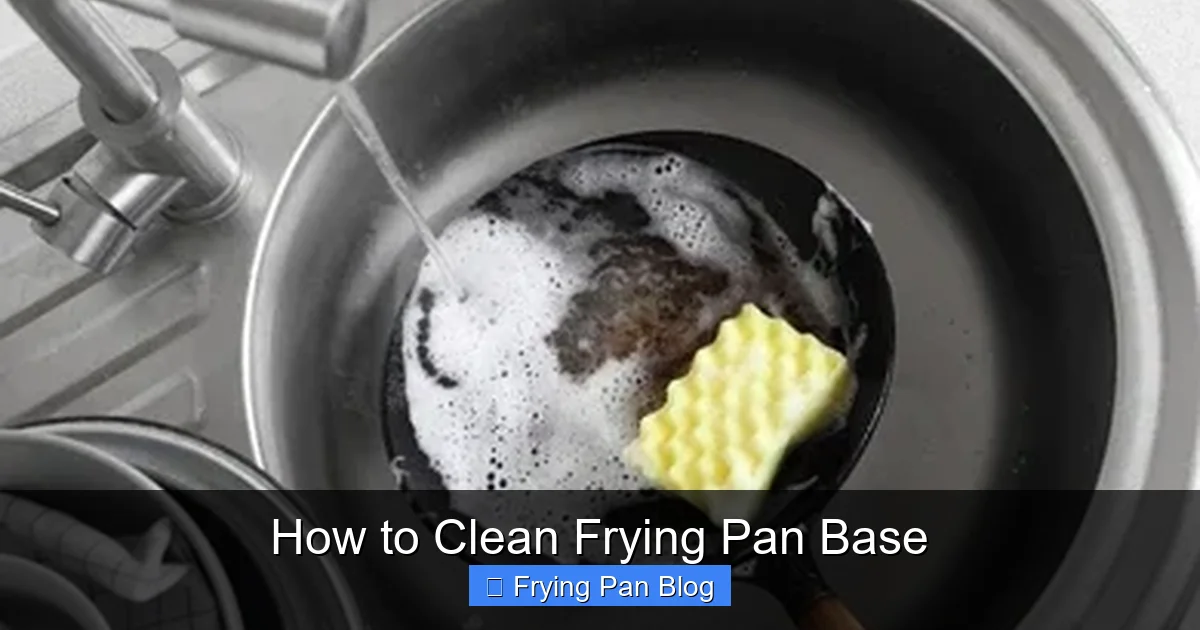
Visual guide about How to Clean Frying Pan Base
Image source: shutterstock.com
Materials You’ll Need
- Baking soda
- White vinegar
- Dish soap
- Soft scrub brush or sponge
- Non-abrasive scrubbing pad
- Old toothbrush
- Microfiber cloth or towel
- Warm water
- Gloves (optional)
Step 1: Assess Your Frying Pan Base
Check the Pan Material
First, identify your frying pan’s base material. Common types include stainless steel, cast iron, aluminum, and non-stick coatings. Each requires specific care to avoid damage. For example, avoid harsh abrasives on non-stick pans.
Examine the Level of Dirt
Look for burnt food, grease, or rust. Light stains need gentler cleaning, while heavy buildup might require soaking and stronger scrubbing.
Step 2: Routine Cleaning of Frying Pan Base
Basic Cleaning with Dish Soap
- Fill your sink or basin with warm water.
- Add a few drops of dish soap to create suds.
- Dip a soft sponge or cloth and gently scrub the frying pan base.
- Rinse with warm water and dry thoroughly with a microfiber cloth.
This method works well for light grease and dirt and should be done after every use to prevent buildup.
Step 3: Deep Cleaning Using Baking Soda and Vinegar
Prepare a Cleaning Paste
- Mix 3 tablespoons of baking soda with enough water to form a thick paste.
Apply the Paste
- Spread the paste evenly over the frying pan base.
- Let it sit for 15-20 minutes.
Add Vinegar
- Spray or pour a small amount of white vinegar over the baking soda paste.
- It will fizz, helping to loosen grime.
Scrub Gently
- Use a non-abrasive scrubbing pad or old toothbrush to scrub the base.
- Focus on stained or burnt areas.
Rinse and Dry
- Rinse thoroughly with warm water.
- Dry completely with a clean towel to prevent water spots.
Step 4: Remove Tough Burnt Residues
Soak the Pan Base
- Fill a basin with hot water mixed with dish soap or vinegar.
- Submerge the frying pan base for 30 minutes to 1 hour.
Use a Baking Soda Scrub
- After soaking, sprinkle baking soda over stubborn spots.
- Scrub gently with a soft brush or sponge.
Try a Commercial Cleaner
- If stains persist, use a cleaner designed for your pan’s material (e.g., Bar Keepers Friend for stainless steel).
- Follow manufacturer instructions carefully.
Step 5: Cleaning Cast Iron and Non-Stick Pan Bases
Cast Iron Pans
- Avoid soaking cast iron; it can cause rust.
- Scrub the base with a stiff brush and coarse salt.
- Rinse quickly with warm water and dry immediately.
- Apply a thin layer of oil to protect the surface.
Non-Stick Pans
- Use only gentle cleaning methods; avoid abrasive pads.
- Clean with warm soapy water and a soft sponge.
- Dry thoroughly to preserve the coating.
Practical Tips for Maintaining a Clean Frying Pan Base
- Clean the base after every use to prevent buildup.
- Use a soft cloth or sponge to avoid scratches.
- Store pans properly to avoid dirt accumulation.
- Use stove burner protectors to minimize contact with spills.
- Inspect your frying pan regularly for signs of damage or rust.
Troubleshooting Common Issues
Pan Base Still Stains After Cleaning
Try repeating the baking soda and vinegar method or use a specialized cleaner suitable for your pan’s material. Avoid harsh scrubbing that can scratch the base.
Rust Spots on Stainless Steel or Cast Iron
Use a mixture of lemon juice and salt or a rust remover designed for cookware. For cast iron, reseason the pan after cleaning rust.
Scratches or Damage to Non-Stick Coating
If the non-stick base is scratched, avoid abrasive cleaning and consider replacing the pan to prevent food sticking or chemical exposure.
Conclusion
Cleaning the frying pan base is a simple but crucial part of kitchen care. With the methods shared here, you can keep your frying pan base clean, free of stains, and functioning well for years. Regular maintenance, gentle cleaning agents like baking soda and vinegar, and understanding your pan’s material will make this task easy and effective. Start today and enjoy cooking with a shiny, clean pan!
🎥 Related Video: Pots and pans Cleaning Hack by Ramdeep Osahan
📺 Kim’s Kitchen Affair