Can Non Stick Frying Pan Go in the Oven

Wondering if your non stick frying pan can go in the oven? This article explores the safety, temperature limits, and tips for using non stick pans in the oven. Learn how to protect your cookware and get the best cooking results with simple advice.
Key Takeaways
- Non stick pans can often go in the oven: but only if the pan and its handle are oven-safe.
- Check manufacturer guidelines: temperature limits vary widely between brands and models.
- Typical oven-safe temperature: most non stick pans handle up to 350°F to 500°F.
- Avoid high heat and sudden temperature changes: to preserve the non stick coating.
- Metal handles may be oven-safe: plastic or rubber handles usually are not.
- Use oven mitts and avoid direct flame or broiler: to protect your pan.
- Proper care extends pan life: clean gently and avoid metal utensils after oven use.
📑 Table of Contents
- Can Non Stick Frying Pan Go in the Oven?
- Understanding Non Stick Frying Pans and Oven Safety
- Can You Put a Non Stick Frying Pan in the Oven?
- Practical Tips for Using Non Stick Pans in the Oven
- Common Mistakes to Avoid
- Examples of Oven-Safe Non Stick Frying Pans
- How to Care for Your Non Stick Frying Pan After Oven Use
- Conclusion
Can Non Stick Frying Pan Go in the Oven?
If you love cooking, you might often wonder, “Can I just pop my non stick frying pan in the oven to finish this dish?” It’s a common question because non stick pans are incredibly convenient for stovetop cooking, but their use in the oven comes with some concerns. The good news is, many non stick frying pans can safely go in the oven—but there are important rules to follow.
In this article, we’ll dive deep into whether your non stick frying pan can go in the oven, what temperature limits to watch out for, and how to protect your pan and your food. We’ll also cover practical tips and common mistakes to avoid. So, whether you’re baking, roasting, or finishing a sauce under the broiler, read on to keep your cookware in top shape!
Understanding Non Stick Frying Pans and Oven Safety
What Makes a Pan Non Stick?
Non stick frying pans are coated with materials like PTFE (commonly known as Teflon) or ceramic to prevent food from sticking. This coating makes cooking and cleaning easier. However, these coatings are sensitive to high heat, which is why oven safety becomes a critical question.
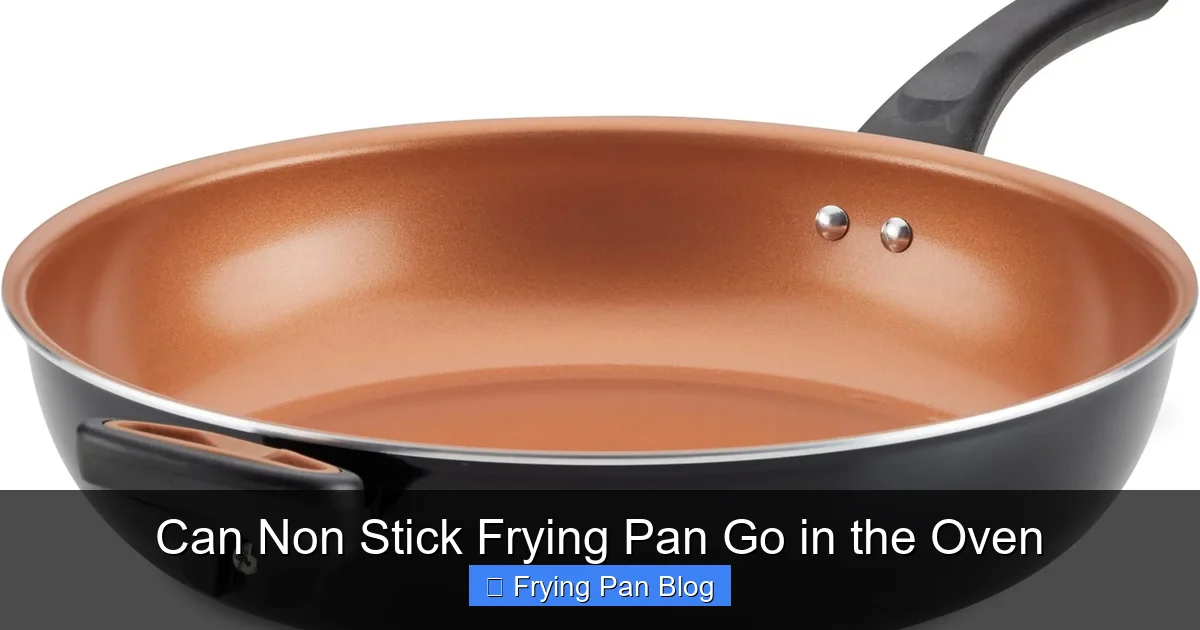
Visual guide about Can Non Stick Frying Pan Go in the Oven
Image source: m.media-amazon.com
Why Oven Safety Matters
Putting a non stick frying pan in the oven without knowing if it’s safe can damage the pan or release harmful fumes. High temperatures can break down the coating, causing it to lose its non stick properties or even flake off into your food. That’s why manufacturers specify maximum oven temperatures and whether the pan is designed for oven use.
Can You Put a Non Stick Frying Pan in the Oven?
Check the Manufacturer’s Instructions First
The first and most important step is to check if your pan is labeled oven-safe. This information is usually found on the packaging, in the manual, or on the manufacturer’s website. If the label says “oven safe” or “oven friendly,” you can proceed—but still check the temperature limits.
Temperature Limits to Know
Most non stick frying pans can handle oven temperatures between 350°F (175°C) and 500°F (260°C). Exceeding this limit can cause the coating to degrade. For example:
- Pans with plastic or rubber handles usually have lower oven-safe temperatures (around 350°F).
- Pans with metal handles often withstand higher heat (up to 500°F).
Handle Material Matters
Plastic, rubber, or silicone handles tend to melt or warp in the oven. If your non stick frying pan has any of these, avoid oven use or remove the handle if possible. Metal handles are typically safe and even designed for oven cooking.
Practical Tips for Using Non Stick Pans in the Oven
Preheat the Oven Before Placing the Pan
Always preheat your oven before placing the non stick pan inside. Sudden temperature changes can damage the coating.
Use Oven Mitts and Avoid Direct Contact with Heating Elements
Always use oven mitts to handle the pan. Avoid placing the pan under a broiler or directly on an open flame, as this can cause extreme heat damage.
Limit Oven Time
Use the oven for finishing dishes or short baking times rather than long roasting sessions. Prolonged exposure to high heat can degrade the coating faster.
Don’t Use Metal Utensils in Oven-Heated Pans
Metal utensils can scratch the non stick surface, especially when the coating is heated. Opt for wooden, silicone, or plastic tools to protect your pan.
Common Mistakes to Avoid
Ignoring Manufacturer Guidelines
One of the biggest mistakes is assuming all non stick frying pans are oven-safe. Always check the specific product details. Using a pan outside its designed limits will shorten its lifespan.
Using High Heat or Broiler Settings
High heat, especially broilers, can cause the coating to break down quickly. Avoid broilers unless your pan explicitly supports it.
Rapid Temperature Changes
Don’t take a hot pan out of the oven and immediately rinse it with cold water. This thermal shock can warp the pan and damage the coating.
Examples of Oven-Safe Non Stick Frying Pans
Popular Brands and Their Oven Use Recommendations
- T-fal: Many T-fal non stick pans are oven-safe up to 400°F, especially those with metal handles.
- Calphalon: Their non stick pans often have a 450°F limit and metal handles suitable for oven use.
- GreenPan: Ceramic non stick pans can often tolerate up to 600°F, but check specific models.
- Cuisinart: Many non stick frying pans have oven-safe limits around 350-400°F.
How to Confirm if Your Pan is Oven-Safe
Look for markings on the bottom of the pan or packaging that say “oven safe” or include temperature limits. If in doubt, visit the manufacturer’s website or contact customer service for clarity.
How to Care for Your Non Stick Frying Pan After Oven Use
Let the Pan Cool Before Cleaning
Allow the pan to cool completely before washing. Sudden temperature changes can warp the pan or damage the coating.
Hand Wash Only
Most non stick pans, especially after oven use, should be hand washed with a soft sponge and mild detergent. Avoid abrasive scrubbers that can scratch the coating.
Avoid Using Metal Utensils
Continue using wooden or silicone utensils to keep the non stick surface intact.
Store Properly
Stack pans carefully or use pan protectors to avoid scratches when storing.
Conclusion
So, can a non stick frying pan go in the oven? The answer is yes, but with important caveats. Always check your pan’s oven safety instructions and temperature limits. Metal-handled non stick pans usually handle oven use better than those with plastic or rubber components. Avoid high heat, broiling, and sudden temperature shifts to keep your pan in great shape.
By following these simple tips, you can safely use your non stick frying pan in the oven to create delicious meals with ease. Just treat your pan with care, and it will reward you with years of cooking convenience.
🎥 Related Video: Can nonstick pans go in the oven?
📺 Cooking tips
I have a heavy bottomed sauté pan with a non-stick surface (could be Teflon). The handle is stainless steel and there are no …
Frequently Asked Questions
Can all non stick frying pans go in the oven?
No, not all non stick frying pans are oven-safe. It depends on the pan’s materials and manufacturer guidelines. Always check the label or manual before placing a pan in the oven.
What is the usual maximum oven temperature for non stick pans?
Most non stick frying pans are safe up to 350°F to 500°F. Pans with plastic handles usually have lower limits, around 350°F, while metal handles can tolerate higher temperatures.
Can I put a non stick pan under the broiler?
Generally, it’s not recommended to use non stick pans under the broiler as the intense direct heat can damage the coating. Only use if the manufacturer explicitly states it is safe.
How do I know if my non stick pan has an oven-safe handle?
Handles made of metal are usually oven-safe. Plastic, rubber, or silicone handles often are not. Check the pan’s instructions or product details to be sure.
What happens if I put a non stick pan in the oven at too high a temperature?
High heat can cause the non stick coating to break down, peel, or release harmful fumes. This damages the pan and can affect food safety.
How should I clean my non stick frying pan after oven use?
Let the pan cool completely, then hand wash with mild soap and a soft sponge. Avoid abrasive cleaners and metal utensils to protect the coating.