
Why Do People Use Dutch Ovens for Bread

Using Dutch ovens for bread baking is a popular technique because it mimics professional steam ovens, creating a crispy crust and soft interior. This method traps heat and moisture, resulting in bakery-quality bread at home with minimal effort.
Key Takeaways
- Steam retention: Dutch ovens trap moisture to create steam, essential for crust development.
- Even heat distribution: The thick cast iron walls provide consistent, high heat for thorough baking.
- Crispy crust formation: Steam and heat combine to produce a golden, crunchy crust.
- Improved crumb texture: The enclosed environment helps bread rise well, yielding a soft, airy interior.
- Versatility and durability: Dutch ovens can be used for various breads and last a lifetime.
- Ease of use: Baking bread in a Dutch oven is beginner-friendly and requires minimal equipment.
- Energy efficiency: The thick material retains heat, reducing oven temperature fluctuations.
📑 Table of Contents
- Why Do People Use Dutch Ovens for Bread?
- What Is a Dutch Oven and How Does It Work for Bread?
- The Science Behind Dutch Oven Bread Baking
- Benefits of Using a Dutch Oven for Bread
- How to Use a Dutch Oven for Bread: Step-by-Step Tips
- Common Mistakes to Avoid When Using a Dutch Oven for Bread
- Why Dutch Ovens Remain a Popular Choice Among Bakers
- Conclusion
Why Do People Use Dutch Ovens for Bread?
Baking bread at home has become a beloved hobby for many. But achieving that perfect bakery-style loaf can be tricky. One tool that has gained immense popularity among home bakers is the Dutch oven. But why exactly do people choose Dutch ovens for bread baking? What makes this heavy pot so special?
In this article, we’ll explore the science and art behind baking bread in a Dutch oven. From how it mimics professional steam ovens to the practical benefits it offers, you’ll learn why this method is a game-changer. Whether you’re a novice or seasoned baker, understanding the advantages of Dutch ovens can elevate your bread baking experience.
Let’s dive in and uncover the secrets behind why Dutch ovens are a favorite choice for baking delicious, crusty bread.
What Is a Dutch Oven and How Does It Work for Bread?
Understanding the Dutch Oven
A Dutch oven is a heavy, usually cast iron pot with a tight-fitting lid. Its thick walls and lid retain heat exceptionally well. Traditionally used for slow-cooking stews and soups, it has found a new role in the world of baking.
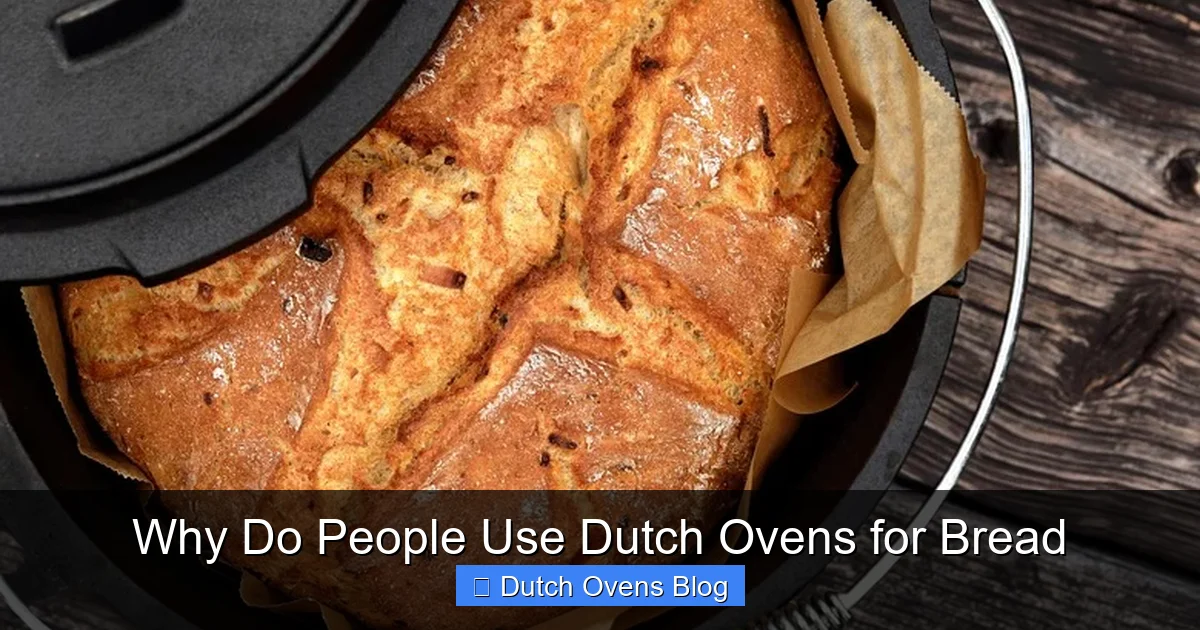
Visual guide about Why Do People Use Dutch Ovens for Bread
Image source: foodie.com
How It Creates the Perfect Baking Environment
When you bake bread inside a preheated Dutch oven, the pot traps heat and moisture released by the dough. This creates an environment similar to professional steam ovens found in bakeries. The steam softens the dough’s outer layer during the first part of baking, allowing it to expand fully without hardening too soon.
Once the steam condenses and the lid is removed partway through baking, the oven’s dry heat crisps up the crust, giving you that desirable golden-brown, crunchy exterior.
The Science Behind Dutch Oven Bread Baking
Steam’s Role in Bread Baking
Steam is crucial for oven spring—the rapid rise of bread during the first few minutes of baking. It keeps the dough’s surface moist and elastic, so it can expand without tearing. This helps form an open, airy crumb inside.
In a regular oven without steam, the crust hardens quickly, restricting expansion and resulting in a denser loaf. Dutch ovens trap steam naturally, eliminating the need for spraying water or adding pans of water in the oven.
Even Heat Distribution
Cast iron’s excellent heat retention ensures the bread bakes evenly from all sides. This prevents hot or cold spots that could cause uneven cooking or burning. The heavy lid also maintains a stable temperature, so the bread cooks consistently.
Benefits of Using a Dutch Oven for Bread
Creating a Crispy, Artisan Crust
The combination of steam and radiant heat inside the Dutch oven produces a crust that’s crispy and crackly—just like you’d find in a bakery. This crust locks in moisture and flavor, making each bite delicious.
Improved Bread Texture and Flavor
Besides the crust, Dutch ovens help develop a soft, chewy crumb with large air pockets. The steam prevents the crust from setting too early, allowing the bread to rise fully and develop complex flavors.
Convenience and Simplicity
Using a Dutch oven simplifies bread baking. You don’t need special equipment or fancy steam trays. Just preheat the pot, place the dough inside, cover, and bake. The results are impressive with minimal effort.
Durability and Versatility
Dutch ovens are built to last for decades. They’re multi-functional and can be used for roasting, braising, and even baking desserts. Investing in a good Dutch oven means you have a versatile kitchen tool beyond just bread baking.
How to Use a Dutch Oven for Bread: Step-by-Step Tips
Choosing the Right Dutch Oven
Look for a heavy cast iron pot with a tight-fitting lid. Sizes between 4 to 6 quarts work best for most bread recipes. Enamel-coated Dutch ovens are easier to clean but ensure they are oven-safe and can handle high temperatures.
Preheating the Dutch Oven
Place the empty Dutch oven and lid in your oven and preheat at the baking temperature (usually 450°F or 230°C) for at least 30 minutes. This ensures the pot is hot enough to create steam when the dough is added.
Preparing the Dough
Shape your dough and let it proof (rise) according to your recipe. For better results, use a floured towel or parchment paper to transfer the dough into the hot Dutch oven without sticking.
Baking Process
- Carefully remove the hot Dutch oven from the oven.
- Place the dough inside, either directly on the pot bottom or on parchment paper.
- Cover with the lid and return to the oven.
- Bake covered for 20-30 minutes to trap steam.
- Remove the lid and bake uncovered for another 15-25 minutes to brown the crust.
Cooling and Storage
Once baked, remove the bread and let it cool on a wire rack. Cooling prevents the crust from becoming soggy and helps the crumb set properly.
Common Mistakes to Avoid When Using a Dutch Oven for Bread
Not Preheating the Dutch Oven Properly
Skipping or shortening the preheat time can cause uneven baking and poor crust formation. Always preheat the pot fully to create that hot, steamy environment.
Using Wet Dough Without Enough Flour
Wet doughs can stick to the Dutch oven. Use parchment paper or flour the pot to prevent sticking and ease removal.
Removing the Lid Too Early or Too Late
Removing the lid too soon may prevent proper steam trapping. Conversely, leaving it on too long can result in a softer crust. Follow your recipe’s recommended timing to get the best crust.
Why Dutch Ovens Remain a Popular Choice Among Bakers
Affordable Alternative to Professional Steam Ovens
Professional steam ovens are expensive and impractical for home use. Dutch ovens provide a simple, affordable way to replicate these baking conditions at home.
Trusted by Beginners and Experts Alike
The Dutch oven method is forgiving and straightforward, making it perfect for beginners. At the same time, professional bakers use it to create artisanal loaves with beautiful crusts and crumb.
Encouraging Creativity in Bread Baking
With a Dutch oven, bakers experiment with different doughs, hydration levels, and flavors. The consistent results inspire creativity and confidence in baking.
Conclusion
Using a Dutch oven for bread baking is a tried-and-true method that delivers outstanding results. Its ability to trap steam and maintain even heat creates the perfect conditions for a crispy crust and airy crumb. Whether you’re just starting out or have been baking for years, incorporating a Dutch oven into your routine can transform your homemade bread.
Not only does it simplify the process, but it also elevates the quality of your loaves, bringing bakery-style bread into your kitchen. So next time you’re ready to bake, grab your Dutch oven and enjoy the magic it brings to your bread.
🎥 Related Video: Dutch Oven vs. Bread Oven Sourdough Bake-Off #sourdough #breadbaking #viraltiktok
📺 Conley Kipp
Frequently Asked Questions
Why does using a Dutch oven improve bread crust?
The Dutch oven traps steam released by the dough during baking, which keeps the crust moist and elastic at first. This allows the bread to rise fully before the crust hardens, resulting in a crispy, golden exterior.
Can I use any Dutch oven for baking bread?
Most heavy cast iron Dutch ovens with tight-fitting lids work well. Enamel-coated ones are also fine as long as they’re oven-safe and can handle high temperatures around 450°F (230°C).
Do I need to add water to create steam when baking in a Dutch oven?
No, you don’t need to add water. The moisture from the bread dough itself creates enough steam inside the covered Dutch oven to develop the crust.
How hot should I preheat my Dutch oven before baking bread?
Preheat your Dutch oven at the bread’s baking temperature, usually around 450°F (230°C), for at least 30 minutes to ensure it’s evenly heated for optimal results.
Is it necessary to remove the lid during baking?
Yes. Baking covered traps steam for the first part of baking, then removing the lid allows the crust to brown and become crispy during the final baking minutes.
Can I bake different types of bread in a Dutch oven?
Absolutely! Dutch ovens work well for various bread types, including sourdough, no-knead, artisan, and whole wheat breads. The method is versatile and adaptable.
