When Should You Not Use a Dutch Oven

Wondering when you should not use a Dutch oven? While Dutch ovens are versatile and durable, they aren’t perfect for every cooking task. This article explains key situations where using a Dutch oven can cause problems or less-than-ideal results.
Key Takeaways
- Avoid high-temperature searing: Dutch ovens can be damaged or warped by extremely high heat.
- Not ideal for delicate foods: Foods like fish or eggs can stick or break apart in heavy cast iron.
- Unsuitable for acidic foods in uncoated versions: Unenameled Dutch ovens react with acidic ingredients causing off flavors.
- Not best for quick cooking: Dutch ovens excel at slow cooking but are inefficient for fast meals.
- Avoid using on induction without proper base: Some Dutch ovens may not work well on induction cooktops.
- Not recommended for dishwasher cleaning: Can ruin seasoning or finish if not properly cared for.
- Heavy weight can be a drawback: Difficult for some users to handle when full or hot.
📑 Table of Contents
- When Should You Not Use a Dutch Oven
- 1. Avoid High-Temperature Cooking and Searing
- 2. Not Ideal for Cooking Delicate Foods
- 3. Avoid Cooking Highly Acidic Foods in Unenameled Dutch Ovens
- 4. Not Efficient for Quick or Small-Scale Cooking
- 5. Consider Your Cooktop Compatibility
- 6. Avoid Putting Dutch Ovens in the Dishwasher
- 7. Consider the Weight and Handling
- Conclusion
When Should You Not Use a Dutch Oven
Dutch ovens are a beloved kitchen staple for many cooks. Their heavy, cast iron bodies and tight-fitting lids make them perfect for slow-cooking stews, braises, and even baking bread. However, despite their versatility, Dutch ovens are not the ideal choice for every cooking scenario. Knowing when you should not use a Dutch oven can save you frustration, preserve your cookware, and help you achieve better results in the kitchen.
In this article, we’ll explore the situations where Dutch ovens don’t perform well or could even suffer damage. We’ll cover temperature limits, food types, cooking methods, and care tips that highlight when to skip using your Dutch oven. By the end, you’ll have a clear understanding of when to reach for a different pot or pan instead.
1. Avoid High-Temperature Cooking and Searing
Why High Heat Can Harm Your Dutch Oven
Most Dutch ovens, particularly enameled cast iron ones, are designed for steady, moderate heat rather than intense, high heat. Using extremely high temperatures can cause the enamel coating to crack or chip, and bare cast iron can warp or lose its seasoning. This reduces the lifespan of your Dutch oven and may affect cooking performance.
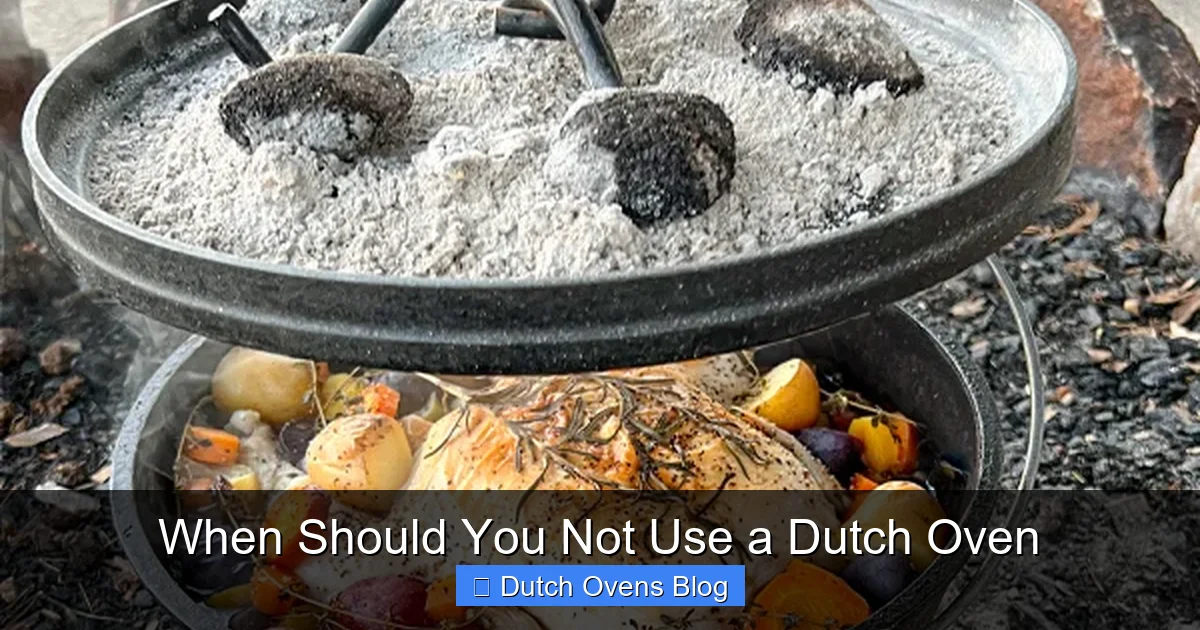
Visual guide about When Should You Not Use a Dutch Oven
Image source: notjustahousewife.net
When High Heat Is Necessary
If you need to sear meats at very high temperatures to achieve a crisp crust, a Dutch oven may not be your best bet. Instead, use a heavy skillet or stainless steel pan that can handle rapid temperature changes without damage.
Practical Tip
- Preheat your Dutch oven slowly and use medium to medium-high heat for best results.
- For searing, consider using a cast iron skillet and then transfer the meat to the Dutch oven for braising.
2. Not Ideal for Cooking Delicate Foods
Delicate Foods Like Fish and Eggs
Due to the heavy, rough surface of cast iron Dutch ovens, cooking delicate foods such as fish fillets or eggs can be tricky. These foods tend to stick, break apart, or cook unevenly in a Dutch oven.
Better Alternatives
For delicate cooking, nonstick pans or lighter stainless steel skillets offer better control and less sticking. These options allow you to cook eggs, pancakes, and fish without worrying about tearing or sticking.
Practical Tip
- If you want to use your Dutch oven for eggs or fish, make sure it is well-seasoned and use plenty of oil or butter.
- Otherwise, save your Dutch oven for heartier dishes like stews or roasts.
3. Avoid Cooking Highly Acidic Foods in Unenameled Dutch Ovens
Reaction Between Acid and Cast Iron
Traditional bare cast iron Dutch ovens can react with acidic ingredients such as tomatoes, citrus, or vinegar. This reaction can impart metallic flavors to your food and damage the seasoning layer on the pot.
Enameled Dutch Ovens Are Safer
If you want to cook tomato sauces or other acidic dishes, an enameled Dutch oven is a better choice. The enamel coating prevents direct contact between acid and iron, preserving flavor and cookware.
Practical Tip
- Check if your Dutch oven is enameled before cooking acidic dishes.
- For bare cast iron, limit cooking time with acidic foods or avoid them completely.
4. Not Efficient for Quick or Small-Scale Cooking
Slow Heating and Heavy Weight
Due to their thickness and size, Dutch ovens take longer to heat and cool. They excel at slow, consistent cooking but are inefficient for quick meals or small portions. Using a Dutch oven for fast frying or boiling small amounts of food wastes energy and time.
When to Use Other Cookware
For quick sautéing, boiling, or frying, lightweight skillets or saucepans are more practical. These heat up quickly and are easier to maneuver.
Practical Tip
- Reserve the Dutch oven for soups, braises, and slow-cooked dishes.
- Use smaller, lighter pots or pans for daily quick cooking.
5. Consider Your Cooktop Compatibility
Induction and Other Heat Sources
Not all Dutch ovens work well on induction cooktops. While cast iron is magnetic, the base thickness and design affect induction efficiency. Some enameled Dutch ovens have bases that are too thin or uneven for reliable induction heating.
Check Manufacturer Recommendations
Before using your Dutch oven on induction or glass stovetops, confirm it is compatible. Using incompatible cookware can lead to uneven heating or damage to both cooktop and pot.
Practical Tip
- Look for induction-compatible labels on your Dutch oven packaging.
- Test your pot on the cooktop before starting a recipe to ensure even heating.
6. Avoid Putting Dutch Ovens in the Dishwasher
Damage from Harsh Cleaning
Dishwashers can strip the seasoning from bare cast iron or damage the enamel finish on coated Dutch ovens. Harsh detergents and high water temperatures contribute to rust, chipping, or dullness.
Proper Cleaning Practices
Always hand wash your Dutch oven with mild soap and warm water. Dry it immediately to prevent rust. For bare cast iron, reapply oil to maintain seasoning.
Practical Tip
- Never place your Dutch oven in the dishwasher unless manufacturer instructions explicitly allow it.
- Use gentle scrubbing tools and avoid metal scouring pads.
7. Consider the Weight and Handling
The Heavy Nature of Dutch Ovens
Dutch ovens are heavy, especially when filled with food. For some users, lifting and moving a hot, heavy pot can be difficult or unsafe. This can lead to spills or accidents in the kitchen.
When to Opt for Lighter Cookware
If you have mobility issues, small children, or limited kitchen space, lighter pots and pans might be a better option for everyday cooking.
Practical Tip
- Use oven mitts with good grip when handling your Dutch oven.
- Consider smaller or lighter Dutch ovens if weight is a concern.
Conclusion
Dutch ovens are fantastic, versatile cookware that can elevate many recipes. However, knowing when you should not use a Dutch oven is just as important as knowing when to use it. Avoiding high heat, delicate foods, acidic ingredients (in bare cast iron), and dishwasher cleaning can protect your Dutch oven and improve your cooking results.
By choosing the right cookware for each task, you’ll save time, prevent damage, and enjoy better meals. So next time you reach for your Dutch oven, pause and consider if it’s the best tool for the job. Your Dutch oven—and your cooking—will thank you!
🎥 Related Video: Why a Dutch Oven is Not a Pot #halloweenwithshorts #shorts
📺 Cooking At Pam’s Place
Why a Dutch Oven is MOT a Pot #shorts @shortsexcellence Subscribe if you have a dutch oven Come with me I’ll show you what …
Frequently Asked Questions
Can I use a Dutch oven to sear steaks?
While you can sear steaks in a Dutch oven, it’s best to avoid extremely high heat that might damage the pot. A cast iron skillet is often better for searing before transferring to the Dutch oven for braising.
Is it safe to cook tomato sauce in a bare cast iron Dutch oven?
Cooking acidic foods like tomato sauce in bare cast iron can cause a metallic taste and damage the seasoning. Use an enameled Dutch oven for acidic recipes instead.
Can I put my Dutch oven in the dishwasher?
No, dishwashers can ruin the seasoning on bare cast iron and chip the enamel on coated Dutch ovens. Always hand wash with mild soap and dry promptly.
Are Dutch ovens compatible with induction cooktops?
Many Dutch ovens work on induction, especially cast iron ones, but some enameled versions may not. Check the manufacturer’s label to confirm compatibility.
Why does food stick in my Dutch oven?
Food can stick if the Dutch oven is not properly preheated, lacks seasoning, or if you’re cooking delicate items. Use enough oil and preheat slowly to prevent sticking.
Is a Dutch oven good for quick meals?
Dutch ovens are designed for slow, even cooking and are less efficient for quick meals. For fast cooking, lighter pans or skillets are better choices.