How to Make Coffee at Home: Stunning Tips for the Best Brew

Quick Summary: Making great coffee at home is easy with the right steps. By choosing fresh beans, using clean water, and mastering your brewing method, you can enjoy a perfect cup every morning. This guide breaks down simple tips for beginners to brew coffee that tastes just like your favorite café.
Many people struggle with making coffee at home because it can feel complicated or overwhelming. You might wonder if you need expensive machines or special skills. The good news is you don’t! With a few easy steps and practical advice, anyone can make delicious coffee without fancy gear. This article will walk you through everything—from picking the right beans to brewing methods—so you can sip on your perfect cup anytime. Ready to become your own barista? Let’s get started!
Understanding the Basics of Coffee Brewing
Before diving into methods, it’s important to know what makes coffee taste good. The key factors are:
- Fresh coffee beans: Coffee tastes best when beans are fresh and ground just before brewing.
- Clean water: Use filtered water to avoid off-flavors.
- Correct coffee-to-water ratio: This controls the strength and flavor.
- Proper brewing time and temperature: These influence extraction and taste.
Mastering these basics helps you avoid common mistakes like bitter or weak coffee.
Step-by-Step Guide: How to Make Coffee at Home
Step 1: Choose Your Coffee Beans
Start with good quality coffee beans. Here’s what to look for:
- Buy whole beans instead of pre-ground for freshness.
- Check the roast date; use beans within 2-3 weeks of roasting.
- Pick a roast level you enjoy: light, medium, or dark.
Step 2: Grind Your Beans
Grinding just before brewing is key. Different brewing methods need different grind sizes:
| Brewing Method | Grind Size | Texture Example |
|---|---|---|
| French Press | Coarse | Like sea salt |
| Pour Over | Medium | Like sand |
| Espresso | Fine | Like powdered sugar |
| Drip Coffee Maker | Medium | Like sand |
Simple manual grinders are affordable and great for beginners.
Step 3: Measure Your Coffee and Water
The right ratio makes all the difference. A good starting point is:
- 1 to 2 tablespoons of coffee per 6 ounces of water
- Adjust to taste if you prefer stronger or milder coffee
Step 4: Heat Your Water to the Perfect Temperature
Water temperature should be between 195°F to 205°F (90°C to 96°C). Boiling water is too hot and can burn the coffee, making it bitter. An easy trick is to boil water and let it sit for 30 seconds before pouring.
Step 5: Brew Your Coffee
Here’s how to brew using popular methods:
French Press
- Add coarse ground coffee to the French press.
- Pour hot water over grounds and stir gently.
- Place the lid and steep for 4 minutes.
- Slowly press the plunger down and pour.
Pour Over
- Place a filter in the dripper and rinse with hot water.
- Add medium ground coffee.
- Pour a small amount of hot water over grounds to bloom for 30 seconds.
- Slowly pour the rest of the water in circles until done.
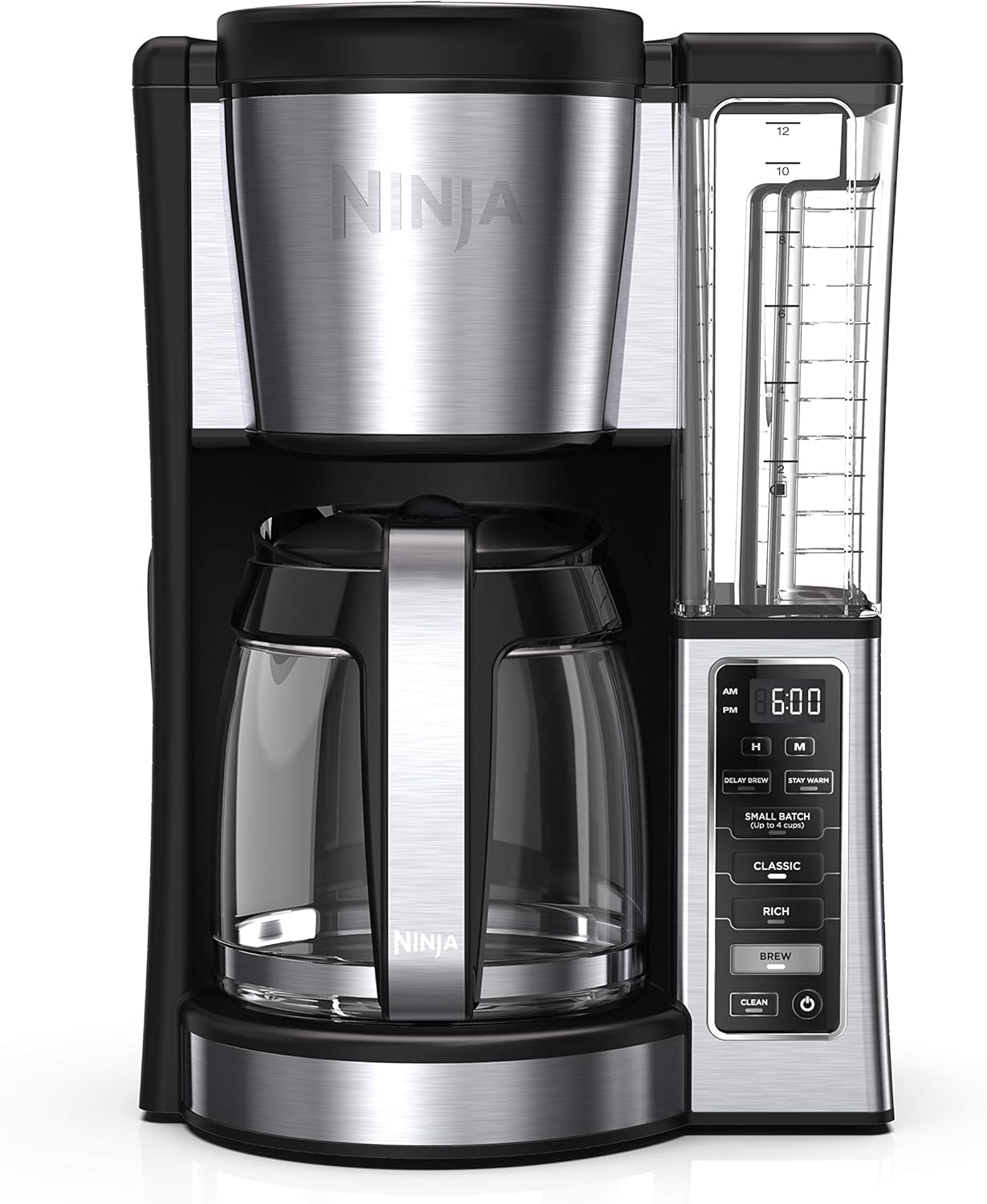
Drip Coffee Maker
- Place a filter in the basket and add medium ground coffee.
- Add water to the reservoir.
- Turn on the machine and wait for brewing to finish.
Instant Coffee (Quick Option)
- Boil water and pour over 1-2 teaspoons of instant coffee.
- Stir well and enjoy.
Practical Tips for the Best Home Brew
- Use filtered water: Tap water may contain chlorine or minerals that affect flavor.
- Keep your equipment clean: Old coffee oils can make your brew taste stale.
- Store beans properly: Keep them in an airtight container away from heat and light.
- Experiment with ratios: Adjust coffee amount and grind size to find your favorite taste.
- Use a kitchen scale: For precise measurements, a scale is better than measuring spoons.
Common Mistakes to Avoid
- Using stale or pre-ground coffee that’s been sitting too long.
- Brewing with water that’s too hot or too cold.
- Not cleaning your coffee maker regularly.
- Using incorrect coffee-to-water ratios.
- Grinding coffee too far in advance, causing loss of flavor.
Pro Tips to Elevate Your Coffee Game
- Try a burr grinder for uniform grind size.
- Pre-wet your coffee grounds to allow them to “bloom” and release gases, improving flavor.
- Use a timer to control brewing duration precisely.
- Experiment with water quality—some people use spring water for a cleaner taste.
- Store beans in small batches to maintain freshness.
Real-Life Kitchen Example: My Morning Coffee Routine
At home, I use a simple pour-over method with a ceramic dripper. I buy fresh medium roast beans from a local roaster, grind just before brewing, and use filtered water heated to the right temperature. It takes about 5 minutes but makes a flavorful cup that starts my day right. If you’re short on time, a drip coffee maker works well too—just remember to keep it clean and fresh!
Comparing Popular Brewing Methods
| Method | Ease of Use | Time Required | Flavor Profile | Equipment Needed |
|---|---|---|---|---|
| French Press | Easy | 4-5 minutes | Rich, full-bodied | French press, grinder, kettle |
| Pour Over | Moderate | 3-4 minutes | Clean, bright | Dripper, filter, grinder, kettle |
| Drip Coffee Maker | Very easy | 5-10 minutes | Balanced | Machine, filter, grinder |
| Instant Coffee | Very easy | 1-2 minutes | Mild, less fresh | Instant coffee, kettle |
Where to Learn More About Coffee
If you want to dive deeper into coffee science, Harvard Health offers great articles on the health benefits and effects of coffee. For water quality tips, the EPA’s water safety guidelines are reliable and easy to understand.
Conclusion
Making coffee at home doesn’t have to be tricky or expensive. By focusing on fresh beans, clean water, proper grind size, and the right brewing method, you can create a delicious cup that rivals your local café. Start simple, experiment with your preferences, and enjoy the process. Soon, you’ll find your perfect brew and feel proud every morning as you sip it. Remember, the best coffee is the one you love drinking, made your way!
Frequently Asked Questions
What grind size should I use for drip coffee?
Medium grind size works best for drip coffee makers. It should feel similar to sand—neither too coarse nor too fine.
How much coffee should I use per cup?
A good rule is 1 to 2 tablespoons of coffee per 6 ounces of water. You can adjust based on how strong you like it.
Can I use tap water for brewing coffee?
Filtered water is recommended to avoid off-flavors from chlorine or minerals often found in tap water.
How do I keep coffee beans fresh?
Store beans in an airtight container away from heat, light, and moisture. Buy small amounts to use within a few weeks.
Is it better to grind coffee fresh every time?
Yes, grinding just before brewing preserves flavor and aroma. Pre-ground coffee loses freshness quickly.
What’s the ideal water temperature for brewing coffee?
Water should be between 195°F and 205°F (90°C to 96°C). Boiling water is too hot and can cause bitterness.
Can I make good coffee without expensive equipment?
Absolutely! Simple tools like a French press or pour-over dripper and a basic grinder can make excellent coffee.
{
“@context”: “https://schema.org”,
“@type”: “FAQPage”,
“mainEntity”: [
{
“@type”: “Question”,
“name”: “What grind size should I use for drip coffee?”,
“acceptedAnswer”: {
“@type”: “Answer”,
“text”: “Medium grind size works best for drip coffee makers. It should feel similar to sand—neither too coarse nor too fine.”
}
},
{
“@type”: “Question”,
“name”: “How much coffee should I use per cup?”,
“acceptedAnswer”: {
“@type”: “Answer”,
“text”: “A good rule is 1 to 2 tablespoons of coffee per 6 ounces of water. You can adjust based on how strong you like it.”
}
},
{
“@type”: “Question”,
“name”: “Can I use tap water for brewing coffee?”,
“acceptedAnswer”: {
“@type”: “Answer”,
“text”: “Filtered water is recommended to avoid off-flavors from chlorine or minerals often found in tap water.”
}
},
{
“@type”: “Question”,
“name”: “How do I keep coffee beans fresh?”,
“acceptedAnswer”: {
“@type”: “Answer”,
“text”: “Store beans in an airtight container away from heat, light, and moisture. Buy small amounts to use within a few weeks.”
}
},
{
“@type”: “Question”,
“name”: “Is it better to grind coffee fresh every time?”,
“acceptedAnswer”: {
“@type”: “Answer”,
“text”: “Yes, grinding just before brewing preserves flavor and aroma. Pre-ground coffee loses freshness quickly.”
}
},
{
“@type”: “Question”,
“name”: “What’s the ideal water temperature for brewing coffee?”,
“acceptedAnswer”: {
“@type”: “Answer”,
“text”: “Water should be between 195°F and 205°F (90°C to 96°C). Boiling water is too hot and can cause bitterness.”
}
},
{
“@type”: “Question”,
“name”: “Can I make good coffee without expensive equipment?”,
“acceptedAnswer”: {
“@type”: “Answer”,
“text”: “Absolutely! Simple tools like a French press or pour-over dripper and a basic grinder can make excellent coffee.”
}
}
]
}