How to Cook for a Small Family Efficiently: Time-Saving Meal Plans, Batch Cooking, and Portion-Control Tips

Cooking for a small family can feel like a puzzle, but it becomes simple when you use a few smart habits. I focus on planning meals that fit our schedule, buying only what we need, and prepping parts ahead so dinner comes together fast. You can save time, cut waste, and still serve tasty meals by planning, shopping smart, and batch-prepping portions that scale to your family.
I’m Emma Reed, and I write from experience feeding a small household on busy nights. I’ll share practical tips we use to shop efficiently, organize the kitchen, and adapt recipes without wasting food. Stick with me and you’ll get quick ways to make mealtime less stressful and more consistent.
Key Takeaways
- Plan meals and portions to save time and reduce waste.
- Prep and batch-cook components that scale easily for small families.
- Organize shopping and the kitchen to speed up everyday cooking.
Planning Meals for Small Families
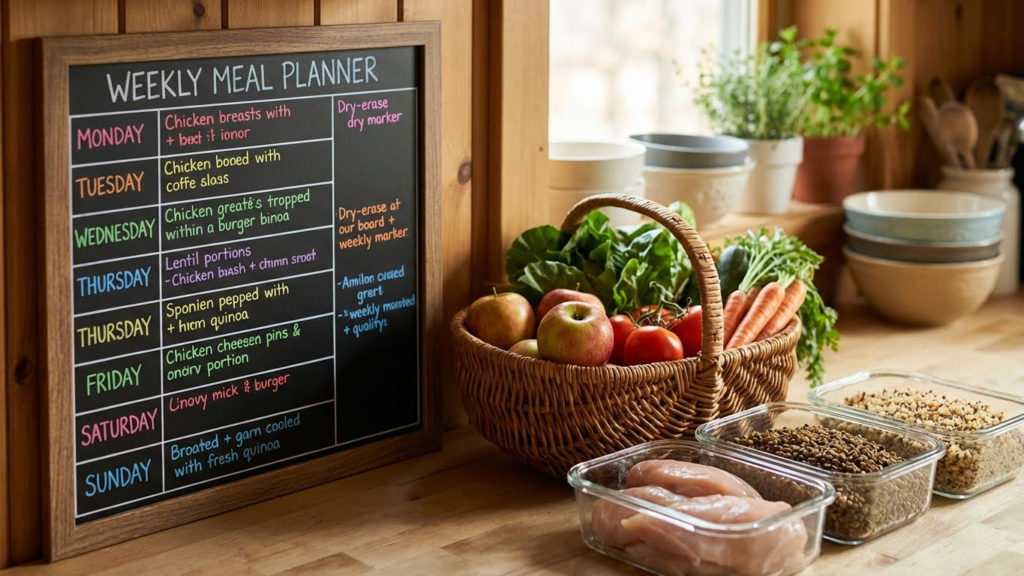
I focus on simple plans that save time, cut waste, and keep meals tasty for everyone. I pick a few repeatable recipes, use leftovers smartly, and buy amounts that match my family’s appetite.
Creating Weekly Menus
I build a seven-day menu that mixes fresh meals and planned leftovers. I choose 2–3 main proteins (chicken, beans, ground beef) and plan them across dishes: roast chicken one night, chicken tacos another, and chicken soup later. This keeps shopping simple and uses ingredients fully.
I schedule one “big batch” night to cook for dinner and tomorrow’s lunch. I also include two fast meals like omelets or pasta for busy evenings. I write the menu on a small board or phone note and list only exact quantities I need.
I shop with a short, grouped list by store section. I buy carbs and vegetables in family-sized or bulk where they store well, and buy fresh proteins in amounts I can freeze in meal-size portions.
Portion Control Strategies
I weigh or use measuring cups when I first start to learn how much my family eats. For meat, I portion about 3–4 ounces per adult meal and 2-3 ounces per child, then adjust after a few weeks. For rice and pasta, I measure 1/2 cup dry per person as a baseline.
I plate food for the family and immediately store leftovers in single-meal containers. That prevents cooking extra the next day and makes lunch prep faster. I also use smaller plates to reduce overeating and freeze extra portions in labeled bags with dates.
When a recipe yields too much, I transform leftovers into new dishes: roast veggies become frittata, cooked chicken becomes salad or quesadillas. This keeps variety and reduces waste.
Balancing Nutrition and Preferences
I balance meals by pairing a protein, a vegetable, and a whole grain each time. I aim for half the plate as vegetables or fruit for colors and fiber. I keep one crowd-pleaser per week—like tacos—while adding new flavors in smaller amounts.
I ask the family for two must-have meals each week and rotate them. I also keep a list of 8–10 quick, healthy recipes I can cook from memory. For picky eaters, I serve sauces or toppings on the side so everyone can customize.
I track staples I often run out of (eggs, frozen vegetables, canned beans) and set reorder reminders. That keeps my menus consistent and helps me meet nutrition needs without extra shopping.
Smart Grocery Shopping for Efficiency
I focus on planning, buying versatile items, and cutting waste so meals stay simple and costs stay low. These steps help me save time, keep flavors varied, and ensure nothing spoils before we eat it.
Making a Targeted Shopping List
I base my list on a two-week meal plan and current fridge inventory. I write meals down first, then list ingredients by store section: produce, proteins, dairy, pantry, frozen. This keeps me from backtracking in the store and from buying extras.
I mark quantities clearly — for example: “2 lb chicken thighs,” “1 head romaine,” “1 can crushed tomatoes.” I add one or two flexible items for quick swaps, like extra rice or a bagged salad. I also note perishable use order: cook leafy greens first, then heartier veg later.
I use a simple checklist app that I can reorder by aisle. If a recipe shares an ingredient, I combine quantities to avoid duplicate purchases. This saves money and reduces kitchen clutter.
Choosing Multi-Use Ingredients
I pick ingredients that work in several dishes so I can mix meals without extra shopping. For proteins, I buy chicken thighs (can roast, stew, or grill) and canned tuna (salads, pasta, sandwiches). For produce, carrots, onions, and bell peppers appear in soups, stir-fries, and roasted trays.
I keep staple carbs on hand: rice, pasta, and tortillas. One jar of tomato sauce can become pasta dinner, shakshuka, or a stew base. For herbs and spices, I buy basics — salt, pepper, garlic powder, cumin — and use them across many cuisines.
I prefer items that store well. Frozen vegetables and pre-cooked grains let me assemble meals fast. Buying family packs and portioning at home saves money while still giving me flexibility.
Reducing Food Waste
I plan meals so perishable items get used first. I build the week around the freshest things: salads and stir-fries early, roasted or braised dishes later. I label leftovers with dates and keep a “use within 3 days” shelf in the fridge.
I freeze extras in meal-sized portions. Cooked rice, sauces, and soups freeze well and cut evening prep time. I also repurpose scraps: vegetable stems for stock, stale bread for croutons, and wilting greens in smoothies or sautés.
I shop smaller, more often when needed. That reduces spoilage and keeps food fresh. When something’s close to its use-by date, I prioritize it in my meal plan or freeze it immediately.
Batch Cooking and Meal Prep Techniques
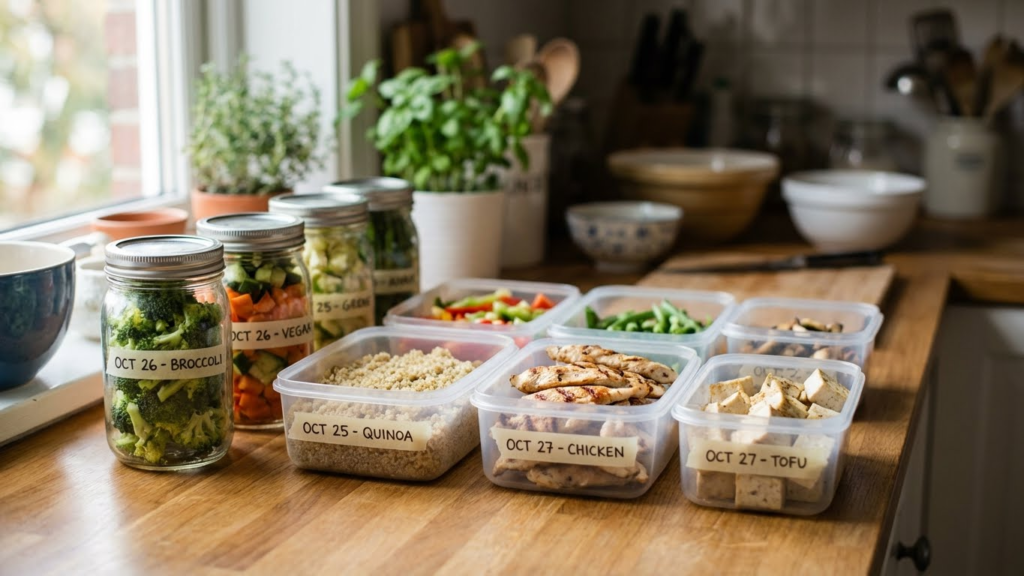
I focus on simple steps that save time and keep meals tasty all week. You’ll see how to prep ingredients, freeze full meals, and store and reheat food safely.
Preparing Ingredients in Advance
I wash, chop, and portion vegetables and proteins at once so weekday cooking only takes 10–20 minutes. I use clear containers or labeled bags for carrots, peppers, onions, and cooked chicken or ground beef. For grains, I cook a big batch of rice or quinoa and cool it quickly on a sheet pan before storing in 1–2 cup portions.
I keep a small kit of spices and dressings ready: a jar of tomato sauce, a vinaigrette, and a mixed spice blend cut decision time. Raw prep like trimming broccoli or marinating meat goes in the fridge for up to 48 hours. For safety tips on cooling and storing cooked food, I follow guidance from the USDA Food Safety and Inspection Service.
Freezer-Friendly Meal Ideas
I make several full meals that freeze well: chili, lasagna, soups, casseroles, and stews. I portion each meal into single-family or two-serving containers so I only thaw what I need. Use freezer-safe containers or heavy-duty bags and press out air to prevent freezer burn.
Label each package with contents and date and keep a running list on the freezer door. For quick reheats, I also flash-freeze components—meatballs, cooked rice, or blanched vegetables—on a sheet pan, then bag them. For reliable recipes and storage times, I check resources like the USDA FoodKeeper app for safe freezing windows.
Storage and Reheating Best Practices
I cool food within two hours, then store in shallow containers to speed cooling and keep quality high. Refrigerate meals for up to four days or freeze for 2–3 months depending on the dish. Always label with date and portion size.
When reheating, I bring frozen meals to the fridge overnight or use the microwave’s defrost setting. Reheat to an internal temperature of 165°F (74°C), stirring midway for even heating. For oven reheats, cover the dish with foil to retain moisture and check temperature with a probe thermometer. If you aren’t sure about safety or times, consult USDA guidance on reheating cooked foods.
Quick and Easy Recipes for Small Families
I focus on meals that save time, cut waste, and use few ingredients. You’ll find recipes that cook in one pot, require five items or less, and double as simple breakfasts or lunches.
One-Pan and One-Pot Meals
I rely on one-pan and one-pot dishes to keep cleanup quick and portions easy to control. Roast a tray of chicken thighs with potatoes and carrots on a sheet pan; it feeds 3–4 and leftovers reheat well. Use a large skillet for a stovetop bake: sauté aromatics, add ground meat and vegetables, pour in tomato sauce, then top with cheese and finish under the broiler.
Soups and stews work great in a single pot. I make a lentil stew with onions, carrots, celery, broth, and spices—one pot, 30–40 minutes, and it stores in the fridge for 3–4 days. For exact portions, I use a 3–4 quart pot for a small family.
Benefits: fewer dishes, easier portion control, and predictable timing. I recommend lining pans or using nonstick skillets to cut cleanup even more.
Five-Ingredient Dinners
I pick five-ingredient dinners when time or shopping is tight. The rule: count only the main ingredients—seasonings like salt and pepper don’t add to the total. Examples I use often:
- Pasta with canned tomatoes, garlic, olive oil, and Parmesan.
- Sheet-pan salmon with lemon, olive oil, and asparagus.
- Stir-fry with chicken, bell pepper, soy sauce, and rice.
I aim for one protein, one vegetable, one starch, one sauce or fat, and one finishing item (cheese, lemon, or herbs). This gives variety while keeping shopping lists short.
To scale down waste, buy loose vegetables or small packs of protein, and use half a recipe to match your family size. I keep a running list of pantry staples so I can assemble these meals without extra trips to the store.
Time-Saving Breakfast and Lunch Solutions
I prepare make-ahead breakfasts and lunches that reheat or eat cold to save morning time. For breakfasts, I bake a frittata in an 8-inch pan—eggs, milk, cheese, and any two vegetables—then slice into portions for 3–4 days. Overnight oats are another go-to: oats, milk, yogurt, and fruit jarred the night before.
For lunches, I batch-cook grain bowls with quinoa, roasted veggies, a protein (chickpeas or chicken), and a simple dressing. I store components separately to keep textures fresh. Sandwiches also work well when I roast a small pork loin or chicken breast once and use slices across several lunches.
I label containers with dates and use clear storage rules: eat refrigerated items within 3–4 days and freeze single portions if I won’t use them soon.
Optimizing Kitchen Organization
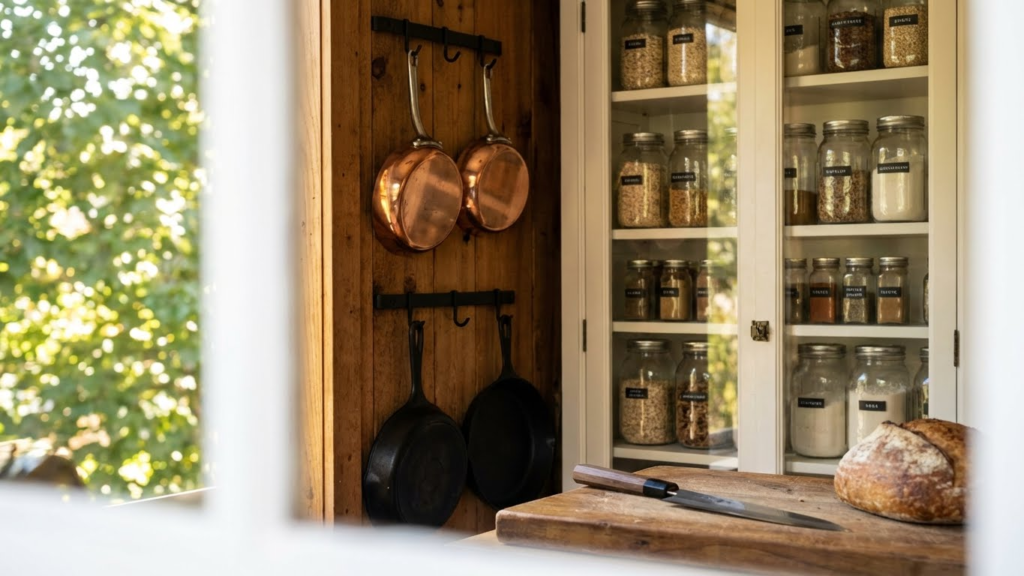
I focus on tools that cut prep time and on storage that keeps counters clear. Small choices—like one reliable pan and a simple shelf system—change how quickly I cook for my family.
Essential Tools and Appliances
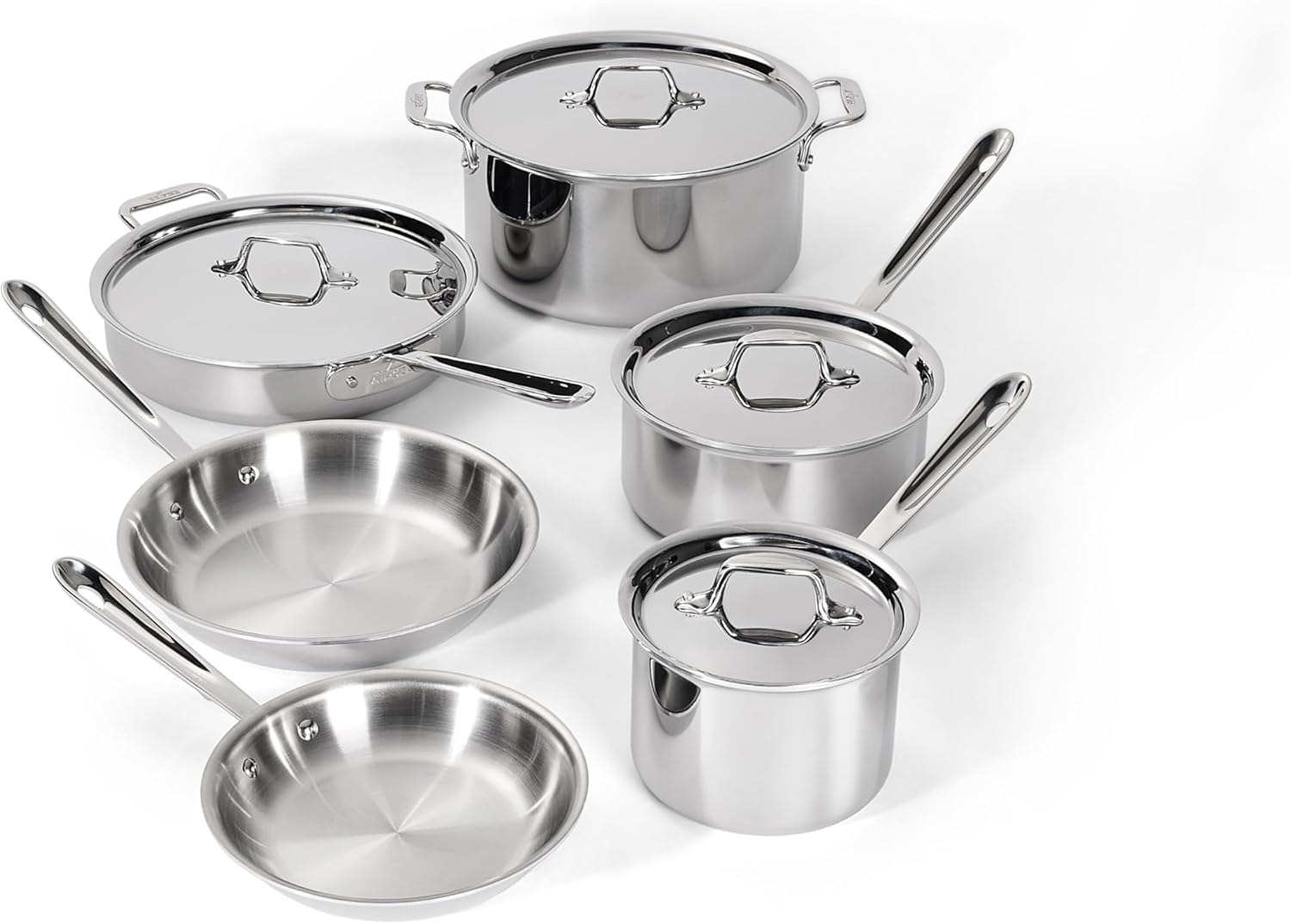
I keep a short list of multi-use tools that serve most meals. My must-haves: a 10–12 inch nonstick skillet, a medium Dutch oven, a sharp chef’s knife, a cutting board, a microplane, and a 6-quart slow cooker. These items cover frying, braising, chopping, grating, and hands-off cooking.
For appliances, I choose one space-efficient model per task. A compact microwave, a 6–8 cup food processor, and a rice cooker that also steams help me batch sides and prep quickly. If counter space is tight, I store appliances in a lower cabinet and use a power strip with a switch to avoid unplugging each time.
I track replacements and maintenance in a small notebook. I note blade sharpening, gasket checks, and when to descale the coffee maker. Proper care keeps tools working longer and saves money.
Space-Saving Storage Solutions
I arrange my kitchen by task zones: prep, cooking, and storage. I keep cutting boards and knives near the prep area, pots and pans close to the stove, and food storage containers near the fridge. This cuts steps while cooking.
Use vertical space and clear containers. Install a simple wall-mounted rack for pans and a pegboard for utensils. Clear, labeled bins on pantry shelves make it easy to find staples like pasta, cans, and baking supplies.
I stack nesting cookware and use a lid organizer to avoid clutter. For food storage, I use matching airtight containers and label them with dates. If you want guidance on pantry layout, I find resources from USDA food storage pages and the Real Simple organizing tips helpful for practical layouts and safety.
Adapting and Scaling Recipes
I focus on keeping flavor and texture while cutting amounts, and on turning extra food into fast new meals. The tips below show specific math, ingredient swaps, and meal ideas so I waste less and cook faster.
Adjusting Ingredients for Smaller Portions
I halve or third recipes using simple ratios: divide each ingredient by 2 for half, by 3 for a third. For spices and salt, I start with 2/3 of the scaled amount and taste as I cook.
For baking, I weigh ingredients when possible. Butter, sugar, and flour scale linearly, but leaveners (baking powder/soda, yeast) often need slight reduction — use about 75–85% of the scaled leavening for best rise.
When a recipe calls for whole eggs, I use these options:
- 1 egg = 50 g. For half an egg, use 25 g beaten egg or 1 tablespoon + 1 teaspoon.
- Or swap with 2 tablespoons of yogurt or applesauce per egg in many cakes.
For small liquid volumes, measure with teaspoons and tablespoons, not large cups. I also cook in smaller pans and reduce oven time by 10–20% for thinner layers. This keeps texture right and avoids overcooking.
Converting Leftovers into New Meals
I turn extra roast chicken, grains, or veggies into 2–3 different meals in a week. Roast chicken becomes: chicken salad (mayo, celery, lemon), stir-fry (soy, garlic, greens), and quick soup (stock, noodles, herbs).
For cooked rice or quinoa, I make fried rice, grain bowls with beans and salsa, or mix into patties with egg and breadcrumbs.
I store leftovers in clear, labeled containers for 3–4 days or freeze portions in 1–2 serving bags. To reheat, I add a splash of broth or water to prevent drying.
Quick rule: one main leftover + one fresh item (greens, egg, sauce) = a new meal in under 15 minutes.
Saving Time With Efficient Cooking Habits
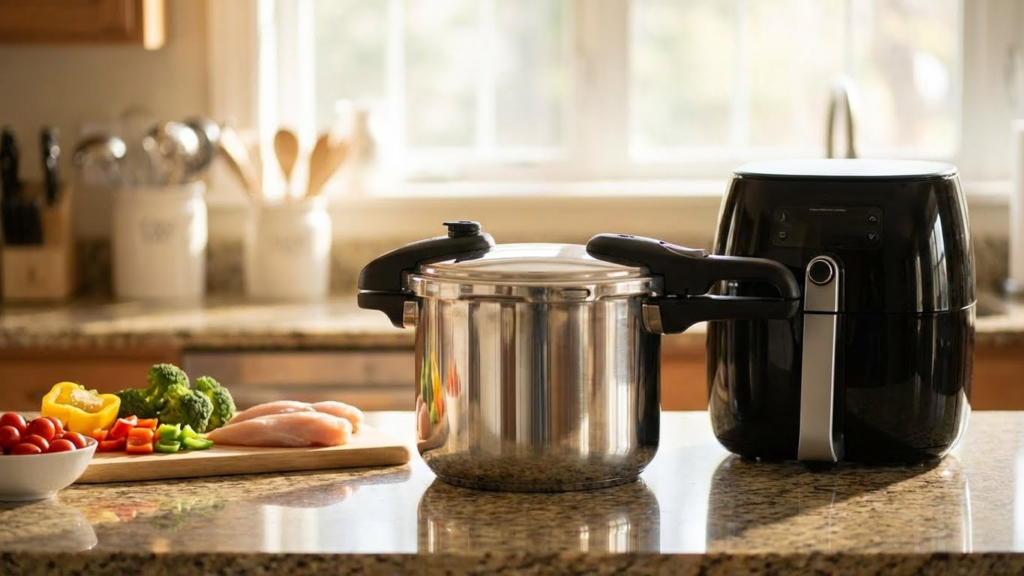
I focus on small, repeatable habits that cut prep and cook time. These habits keep my kitchen organized and help me get meals on the table faster without extra stress.
Staggered Meal Prep
I prep ingredients across two short sessions instead of one long one. On Sunday I wash, chop, and portion vegetables, cook a grain (rice or quinoa), and freeze half of any cooked protein in meal-sized portions. Midweek I do a 15–20 minute refresh: thaw protein in the fridge, toss salad greens, and mix a quick dressing.
I use a simple checklist to avoid redoing steps: proteins, grains, vegetables, and sauces. This saves me time each night because most items just need reheating or a quick sauté.
I store items in clear, labeled containers so I can grab what I need at a glance. That small habit cuts decision time and prevents waste.
Using Kitchen Gadgets to Speed Up Tasks
I pick three gadgets that earn their counter space: a 6-quart pressure cooker, a single-basket air fryer, and a good-quality chef’s knife. The pressure cooker cuts braise and bean times by 70–80%. The air fryer crisps leftovers or cooks chicken in 12–18 minutes. The chef’s knife halves chopping time when I keep it sharp.
I keep a small gadget drawer for peelers, a garlic press, and a handheld immersion blender. These tools shave minutes from sauces, quick soups, and prep.
I also set up a “gadget routine”: use the pressure cooker for grains and stews on batch days, the air fryer for weekday mains, and the immersion blender for single-pot dinners. This routine reduces active cook time and cleanup.
Involving Family Members in Cooking
I invite my family into the kitchen to make meals faster and more fun. Small tasks like washing vegetables or setting the timer help everyone feel useful.
I assign roles based on age and skill. Young kids can stir or add pre-measured ingredients while older kids and adults cut, season, and manage the stove.
Use a short checklist to keep work organized:
- Prep: wash, peel, and chop.
- Cook: stir, time, and taste.
- Serve: plate, garnish, and clean up.
I teach one new skill each week to build confidence. Repeating simple techniques—like how to sauté or measure—turns learning into habit.
I keep safety rules clear and visible. I show where sharp knives and hot pans go, and I explain when to ask for help.
I make choices that fit our small family. We pick recipes with shared tasks and scale portions so nothing goes to waste.
I praise effort and share small wins. A quick “thank you” or letting someone choose a side dish keeps the mood positive and makes cooking a repeatable family habit.
Troubleshooting Common Challenges
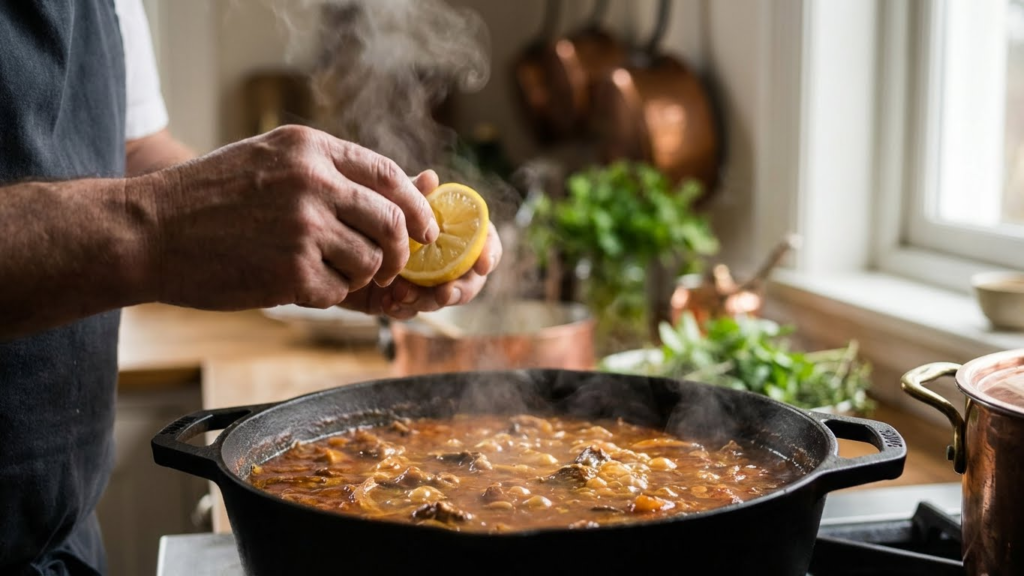
I often face small but annoying problems when I cook for my family, and I fix them with simple steps. When a dish turns out too salty, I add a peeled potato to absorb salt for 10–15 minutes or dilute the dish with low-salt liquid. If that fails, I balance flavors with a splash of acid (lemon or vinegar) or a bit of sweetness.
Food sticking to pans happens to me when I rush preheating or skimp on oil. I heat the pan first, then add oil and wait until it shimmers. For eggs and delicate fish, I use a nonstick pan or a well-seasoned cast-iron skillet.
Portion size is another common snag. I keep a small digital scale and use simple portion guides: 4 oz protein per adult, 2 cups cooked vegetables per family of four. Leftovers get labeled and dated so they don’t linger forgotten.
Time crunches hit me during busy weeks, so I batch-cook staples like rice, beans, and roasted veggies. I freeze single-serving meals in reuseable containers and rotate them by date.
Quick reference:
- Too salty: potato, dilute, acid/sweetener
- Sticking: preheat, oil, nonstick/cast iron
- Portions: scale, simple guides, label leftovers
- No time: batch-cook, freeze, rotate
I test these fixes and keep the ones that work for my family. They save time, reduce waste, and make weeknight cooking less stressful.
Continuous Improvement for Family Cooking
I track what works and what doesn’t after each meal. I jot quick notes on portion sizes, who liked what, and which steps took too long. This helps me tweak recipes and avoid repeats of small mistakes.
I test small changes one at a time. For example, I might try a different spice level or cook time for a single dish. If the change improves the meal, I keep it; if not, I revert.
I use simple tools to measure progress. A checklist for prep steps and a shared family rating (1–5) give clear feedback. These small data points show patterns over weeks.
I aim to save both time and food without losing flavor. I batch components I use often, like roasted vegetables or cooked grains, then recombine them in different meals. This cuts daily cooking time and reduces waste.
I involve my family when possible. Short surveys or casual questions during dinner help me prioritize changes that matter to them. Their input keeps meals more satisfying and lowers resistance to new recipes.
Quick experiments and steady notes build better routines. Over time, I refine menus, streamline shopping, and make weeknight cooking less stressful.
FAQs
What are quick ways I can cut waste when cooking for a small family?
I freeze extra portions in meal-sized containers and label them with dates. I also plan two meals from one big roast or pot of soup to stretch ingredients.
How do I scale recipes without losing flavor?
I keep seasonings near the same strength and adjust by taste. Smaller pans or pans with higher sides help retain moisture and flavor when cooking less food.
Can I save money by buying in bulk for a small family?
Yes. I buy staples like rice, beans, and frozen vegetables in bulk, then portion them out at home. This lowers cost per unit while avoiding spoilage.
What tools make small-family cooking easier?
A good set of airtight containers, a scale, and a smaller slow cooker or Dutch oven help me. I also rely on a sharp chef’s knife to speed prep.
How often should I meal prep?
I prep once or twice a week, depending on our schedule. Short preps—chopping vegetables or cooking a grain—take 30–60 minutes and save time during busy nights.
How do I keep meals interesting without extra time?
I reuse a cooked protein across different dishes: salads, wraps, and stir-fries. Simple swaps in sauce or garnish make meals feel new without extra work.
Conclusion
I focused on practical steps that save time, cut waste, and make meals better for everyone at home. Small changes add up fast when you pick the right recipes, plan portions, and reuse leftovers.
I recommend a few steady habits: plan a simple weekly menu, batch-cook components, and store portions for quick reheats. These habits free up evenings and reduce food waste without adding stress.
I use basic tools and clear containers to keep the kitchen organized. That makes it easier to see what I have and to use ingredients before they spoil.
I keep a short list of go-to meals that scale well and fit our tastes. Rotating those meals keeps dinners predictable and quick while still letting me try one new recipe a week.
I find tracking leftovers in the fridge saves more time than it costs. A small whiteboard or labels help me avoid duplicates and plan lunches from last night’s dinner.
I encourage you to start with one change this week. Add a planning habit, set one batch-cook day, or simplify your shopping list. Small, steady steps make cooking for a small family more efficient and more enjoyable.