
Difference Between Raw and Cooked Honey: Health, Flavor, and Storage Explained

You want to know whether raw or cooked honey is better for your health, taste, and kitchen uses. I teamed up with Emma Reed to bring clear, practical facts so you can choose the honey that fits your needs. Raw honey keeps more natural enzymes, pollen, and antioxidants, while cooked (processed) honey is smoother and more shelf-stable because heat and filtering change its properties.
We’ll explain what “raw” and “cooked” mean, how processing changes nutrition and flavor, and the safety or storage issues to watch for. Expect simple tips for spotting each type and using them in recipes, so you can pick the right jar at the store or on your counter.
Key Takeaways
- Raw honey preserves more natural compounds and has a bolder flavor.
- Cooked honey is processed for consistency and longer shelf life.
- Choose based on taste, use, and any safety or dietary concerns.
Defining Raw and Cooked Honey
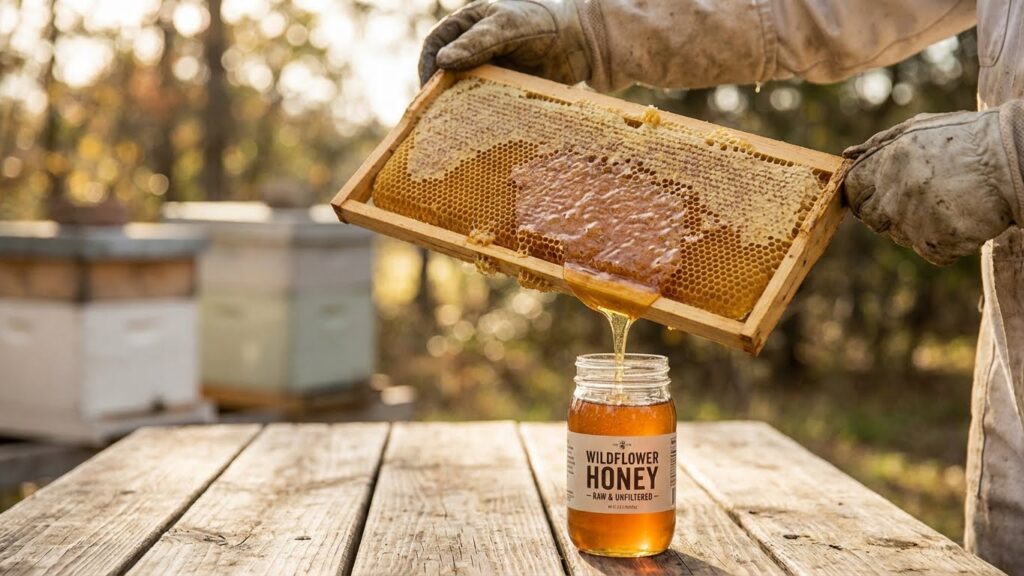
I will define both types clearly so you can tell them apart by how they are made, what they contain, and how they behave in food or storage.
What Is Raw Honey?
I call honey “raw” when it leaves the hive and reaches the jar with minimal processing. That means no heating above what happens naturally in the hive, no added ingredients, and only light filtration to remove large debris. Raw honey often contains pollen, propolis, and tiny bits of wax. These components give it a cloudy or opaque look and a stronger, variable flavor that depends on the flowers the bees visited.
Raw honey keeps some natural enzymes like diastase and glucose oxidase. These enzymes and the pollen may offer mild nutritional value and help with taste and aroma. Because I don’t heat it, raw honey can crystallize faster and may vary in texture from liquid to grainy. I store it at room temperature away from direct sunlight to preserve those qualities.
What Is Cooked Honey?
I describe “cooked” honey as honey that has been heated intentionally, often above typical hive temperatures, to change its appearance, texture, or shelf life. Heating can be a brief warm-up to ease bottling or a higher-temperature treatment to dissolve crystals and create a smooth, clear product. Processors may also use stronger filtration after heating to remove pollen and microscopic particles.
Cooking reduces or inactivates natural enzymes and can lower levels of beneficial pollen. It slows recrystallization and produces a uniform, transparent honey with a mild, consistent flavor. I note that cooked honey can last longer in a clear, flowable state, which some manufacturers and consumers prefer for visual appeal and ease of use.
Processing Methods
I describe how honey moves from hive to jar and which steps change its texture, clarity, and shelf life. You will see how filtering removes solids, heating alters enzymes and flavor, and packaging choices affect storage and use.
Harvesting and Filtration
I start by removing frames from the hive and uncapping the cells with a hot knife or uncapping fork. I then spin the frames in a centrifuge (extractor) to release honey. This mechanical extraction keeps wax and large debris out.
After extraction I usually strain the honey through a coarse mesh to catch wax and bee parts. For commercial clarity, I follow with finer filtration using stainless-steel filters or cloth. Filtration levels vary: coarse (keeps pollen), fine (removes pollen and tiny particles), and ultra-fine (produces clear, shelf-stable honey).
I note that more filtration can remove pollen and some enzymes. That changes nutrition and makes honey less likely to crystallize quickly. Small-scale beekeepers often stop at coarse filtration to keep more natural content.
Heating and Pasteurization
I heat honey to lower viscosity so it flows into jars and to reduce yeast that could ferment. Simple warming (around 35–40°C) liquefies crystals without major change. Pasteurization uses higher heat, typically 60–77°C, for short periods to kill yeast and delay crystallization.
I avoid excessive or repeated heating because high heat breaks down enzymes like diastase and reduces volatile compounds that give flavor. Pasteurized honey stays smooth and clear longer, but it has fewer raw-honey attributes. Some producers also use controlled heat to re-liquefy crystallized honey before packing.
Packaging Differences
I choose jars, squeezable plastic, or commercial drums based on intended use and shelf life. Glass jars are inert and show the honey’s color; they suit raw, minimally processed honey. Squeeze bottles and PET containers add convenience and resist breakage for retail markets.
I package pasteurized, finely filtered honey to emphasize clarity and long shelf life. For raw honey, I label jars as “unfiltered” or “unpasteurized” and use wider mouths for easier scooping. I also note that oxygen exposure, light, and temperature during storage affect texture; I recommend airtight containers and cool, dark storage for best results.
Nutritional Content Variations
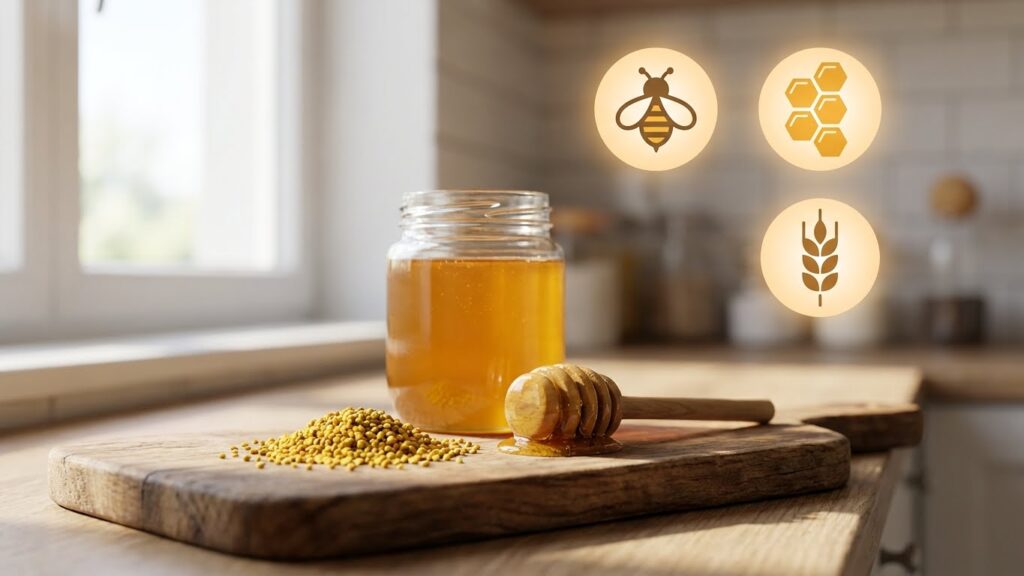
I compare raw and cooked honey by looking at the specific nutrients that change with heat and processing. The biggest differences show up in trace minerals, heat-sensitive vitamins, and bioactive compounds.
Vitamins and Minerals
Raw honey contains small amounts of B vitamins (B2, B3, B5) and vitamin C along with minerals like calcium, potassium, magnesium, and iron. I find that these nutrients exist in low concentrations, so honey is not a major source of daily vitamins or minerals.
When honey is heated above typical pasteurization temperatures, some vitamin C and certain B vitamins decline. Minerals remain largely stable under heat, so calcium and potassium levels do not fall much with cooking or pasteurization.
If you want to check specific nutrient numbers for a variety of honeys, the USDA FoodData Central provides measured values for common types of honey. That resource helps me compare raw versus processed samples quantitatively.
Enzymes and Antioxidants
Raw honey contains enzymes such as diastase (amylase), invertase, and glucose oxidase. I note these enzymes break down sugars and produce small amounts of hydrogen peroxide, which contributes to mild antimicrobial activity. Heating honey to 60–70°C (140–158°F) reduces enzyme activity and can inactivate these proteins.
Antioxidant levels — including flavonoids and phenolic acids — are higher in raw honey from diverse floral sources. Light heating lowers some antioxidant activity, though the extent depends on temperature and time. For detailed studies on antioxidant changes, I refer to peer-reviewed reviews and resources like PubMed for experimental comparisons.
If you rely on honey for these bioactive benefits, I recommend choosing minimally processed honey and storing it away from heat to preserve enzymes and antioxidants.
Health Benefits
I focus on how raw honey can offer extra nutrients and active compounds, and how heat changes those properties. The next parts compare specific benefits you can expect from raw honey versus what cooking does to those benefits.
Potential Benefits of Raw Honey
I find raw honey contains small amounts of bee pollen, enzymes, and antioxidants that processed honey often lacks. Those components can support mild antioxidant activity and may help reduce inflammation in simple ways when used as part of a balanced diet.
Raw honey also includes naturally occurring antimicrobial compounds, such as hydrogen peroxide and other plant-derived molecules, which may help with minor wound care or sore throat relief when applied topically or taken in small amounts. It is still an added sugar, so I recommend limiting portions.
If you have allergies, local raw honey sometimes contains small pollen traces that some people believe can ease seasonal symptoms. That effect is not proven for everyone, and people with pollen allergies should be cautious.
Effects of Cooking on Health Properties
I heat honey when I cook or pasteurize it, and that typically reduces enzyme activity and lowers some antioxidant levels. Temperatures above typical pasteurization (around 60–70°C) can inactivate enzymes like diastase and reduce volatile compounds that contribute to honey’s subtle health effects.
Cooking also improves shelf life and clarity, which helps safety and consistency for many uses. However, the sugars remain, so cooked honey still affects blood sugar the same way as raw honey. I avoid claiming strong medical benefits for either form and advise moderation, especially for children under one year due to botulism risk.
Taste and Texture Differences
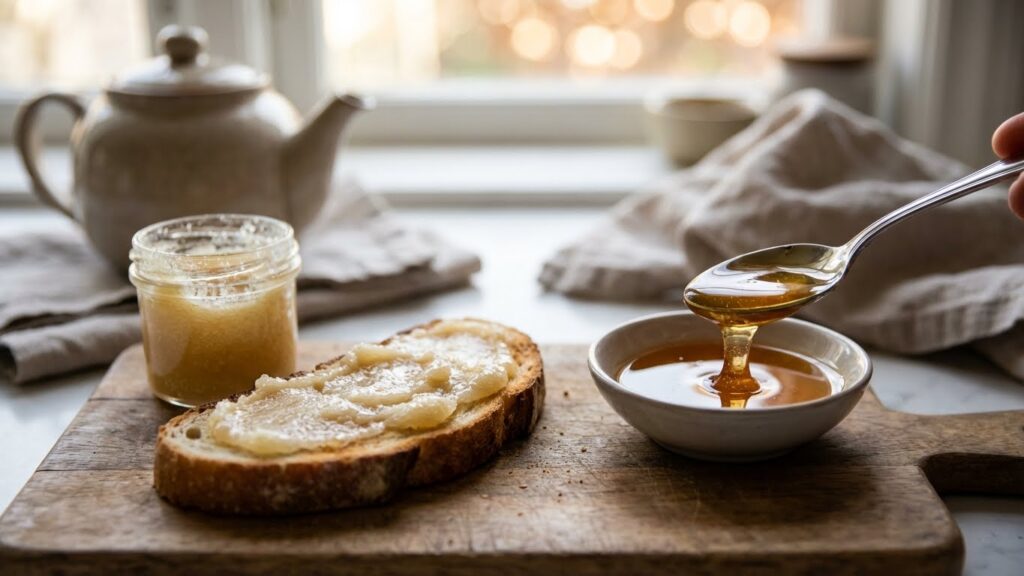
I compare how honey tastes and feels when raw versus after it’s cooked or heavily processed. Expect changes in flavor depth, mouthfeel, color, and how the honey behaves in recipes.
Flavor Profiles
I find raw honey often tastes brighter and more complex. It can carry floral, fruity, or even spicy notes from the plants bees visited. Those specific notes can be sharp or subtle depending on the blossom—clover is mild, orange blossom is citrusy, buckwheat is bold and molasses-like.
When honey is heated or processed, volatile compounds that give honey its distinct aromas break down. The result is a flatter, sweeter-only profile with fewer floral or herbal hints. Lightly warmed honey can retain much of its character, but prolonged or high heat makes flavors more uniform and less interesting.
I recommend tasting a bit of raw honey before cooking. That way you know if its unique flavors will add to or be lost in your dish.
Consistency and Appearance
Raw honey often looks cloudy or opaque and can crystallize into a grainy or creamy texture. Crystallization is normal; it means sugars like glucose formed tiny crystals. The color can range from pale gold to dark amber, and texture varies by floral source and storage.
Cooked or processed honey is usually clear and smooth. Filtration and heating dissolve crystals and remove particles, giving a thin, free-flowing syrup ideal for drizzling and many recipes. Heat also darkens honey slightly and can make it more uniform in color.
I use a simple table to compare key visual and tactile traits:
- Raw: cloudy to opaque, variable color, may be grainy or creamy, crystallizes naturally.
- Cooked/Processed: clear and uniform, consistent color, smooth and runny, resists crystallization.
Shelf Life and Storage Considerations
I explain how raw and cooked honey hold up over time and what to do to keep them usable. You will learn how crystallization, temperature, and container choices change texture and quality.
Stability and Crystallization
I find raw honey usually crystallizes faster than cooked (pasteurized) honey because it contains more natural pollen and tiny wax particles. Those particles act as seeds for crystals, so a jar of raw honey may become grainy within weeks to months depending on floral source and temperature.
Cooked honey often stays clear longer because heating dissolves or removes those seed particles and reduces enzyme activity that can speed crystallization. Still, both types resist spoilage thanks to low water content and natural acidity. If honey ferments, it means moisture got in or the jar sat in a humid place.
Proper Storage Practices
I store honey in a cool, dry place away from direct sunlight and heat sources like stoves. Ideal temperature sits around 50–70°F (10–21°C); colder speeds crystallization, warmer can darken flavor.
I keep honey in a tightly sealed glass or food‑grade plastic container to prevent moisture absorption and odors. If crystallization happens, I warm the jar gently in a water bath at 95–110°F (35–43°C) and stir until smooth; I avoid microwaving or overheating to preserve aroma and enzymes. For long-term storage, I label jars with date and source so I can rotate older batches first.
Safety and Potential Risks
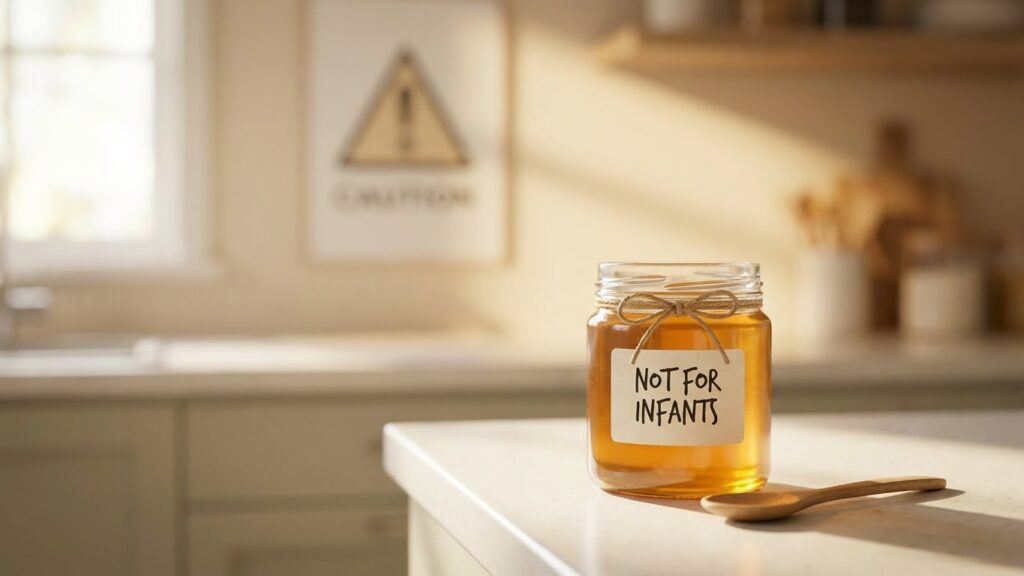
I focus on the real safety differences between raw and cooked honey so you can make a clear choice. I cover contamination risks and the specific danger raw honey poses to infants.
Microbial Contamination
Raw honey can contain yeast, mold spores, and environmental bacteria from pollen and bee contact. I note that these microbes rarely cause illness in healthy adults because honey’s sugar content, low water activity, and acidity inhibit microbial growth.
Cooking or pasteurizing honey reduces detectable microbes and can extend shelf life. Heat can kill many surface bacteria and yeasts, but it does not remove bacterial spores that tolerate heat. Stored cooked honey still resists spoilage when kept dry and sealed.
If you have a weakened immune system, I recommend cooked or commercially processed honey that follows food-safety controls. Always store honey in a clean, airtight container away from moisture to limit any microbial growth.
Infant Botulism Concerns
Clostridium botulinum spores can appear in honey from soil or pollen. I avoid giving any honey—raw or cooked—to infants under 12 months because their gut cannot reliably prevent spore germination and toxin production.
Symptoms of infant botulism include constipation, weak cry, poor feeding, and muscle weakness. These signs can progress quickly and need urgent medical care.
For children over one year and healthy adults, the mature gut generally prevents spore problems, so honey is considered safe. If you care for an infant, I stress this rule: no honey in any form until after their first birthday.
Culinary Uses
I use raw honey when I want bright floral flavor and texture. It adds complex taste to dressings, yogurt, and drizzled fruit. The bits of pollen and tiny air bubbles give a pleasant mouthfeel that I like in cold dishes.
For cooking that needs stable sweetness, I choose cooked (processed) honey. Heated honey blends smoothly in sauces, glazes, and baked goods. It dissolves well and gives a consistent sweetness without changing texture.
I keep a small table to show quick uses:
- Raw honey: cold sauces, tea (after cooling), yogurt, toast, finishing drizzle.
- Cooked honey: baking, candy-making, marinades, hot sauces, caramel.
I pay attention to temperature when I cook with honey. I avoid adding raw honey to very hot liquids to preserve its flavor and any delicate compounds. When a recipe calls for high heat, I switch to cooked honey or adjust timing to add honey later.
I also think about shelf life and clarity. Cooked honey is usually smoother and less likely to crystallize quickly in syrups. Raw honey may crystalize faster, but I often use that texture on toast or in spreads.
Environmental and Ethical Factors
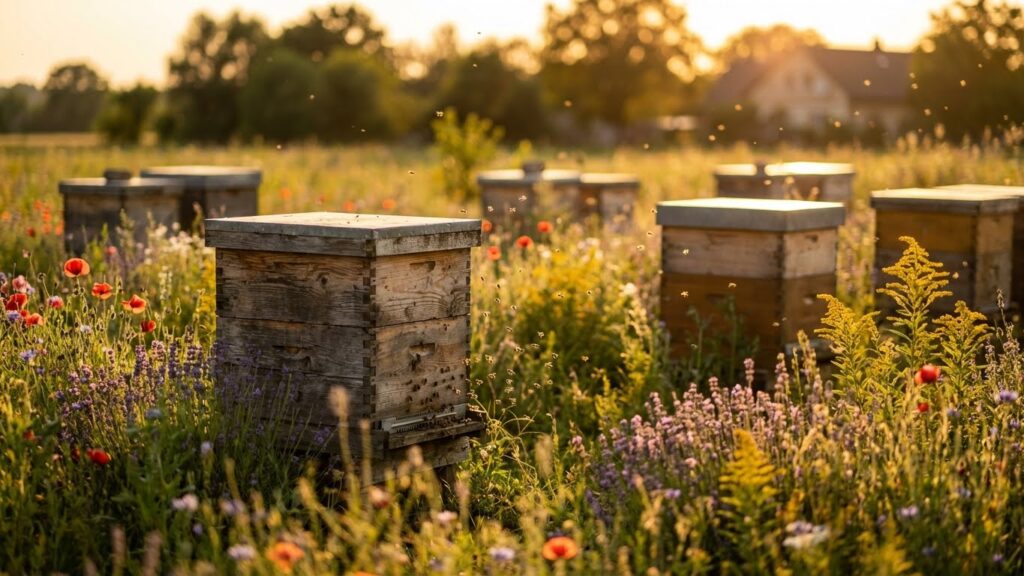
I look at how honey production affects bees, landscapes, and communities when choosing between raw and cooked honey. Raw honey often comes from smaller, local beekeepers who focus on bee health and habitat. That can mean less travel for bees and more diverse forage.
Cooked or heavily processed honey is usually made for long shelf life and uniform appearance. Larger commercial operations may transport bees long distances and use intensive practices that stress colonies. I note this matters for wild pollinators and local ecosystems.
I weigh transparency and labeling too. Raw labels can still hide poor practices unless you know the producer. I recommend checking for local sources, farmer markets, or trusted certifications when possible.
Key ethical points I consider:
- Bee welfare: small-scale beekeeping often prioritizes colony health.
- Environmental impact: local honey supports local plant pollination.
- Supply chain: processed honey can mask blending and long transport.
I use simple questions to guide choices: Who harvested the honey? Where were the bees kept? How was it processed? Answering these helps me pick honey that aligns with my values about sustainability and animal care.
How to Identify Raw vs Cooked Honey
I check the label first. Raw honey often says “raw,” “unpasteurized,” or “unfiltered.” Cooked or pasteurized honey may list heat treatment or show no such claims.
I look at texture and clarity. Raw honey is usually cloudier and may contain tiny bits of pollen or wax. Cooked honey often looks very clear and smooth because heat and filtration remove solids.
I use simple at-home tests when I can. Place a spoonful on a plate: raw honey may crystallize or become grainy over days or weeks. Cooked honey tends to stay liquid longer. You can also stir: raw honey may feel thicker and pull into slow strands.
I examine aroma and taste. Raw honey often has a stronger floral or plant scent and varied taste notes. Cooked honey can taste flatter or more uniform because heating reduces volatile flavors.
I consider price and source. Raw honey from local beekeepers often costs more and comes with harvest details. Mass-market jars labeled only “honey” are more likely to be heated or filtered.
Quick checklist:
- Label: raw/unpasteurized = likely raw
- Appearance: cloudy = likely raw; clear = likely cooked
- Texture over time: crystallizes = raw; stays liquid = cooked
- Smell/taste: richer = raw; milder = cooked
I rely on multiple signs together rather than one single test.
FAQs
Is raw honey safer than cooked honey?
I say raw honey is safe for most adults when it comes from a trusted source. Infants under 1 year should not eat any honey because of the small risk of botulism.
Does heating honey destroy nutrients?
Yes, heating can reduce some enzymes and antioxidants. Short, gentle heating keeps most sugars but lowers a few heat-sensitive compounds.
Will cooked honey crystallize less?
I find that heating honey and filtering it can delay crystallization. Over time, however, many varieties will crystallize again.
Which honey is better for baking?
Cooked or processed honey works well in baking because it blends smoothly and offers consistent flavor. I still use raw honey when I want a stronger floral taste.
Can I use raw honey in hot drinks?
You can, but high heat will change taste and reduce some benefits. I usually add raw honey to warm drinks rather than boiling ones.
How can I tell if honey is raw?
Look for labels like “raw,” “unpasteurized,” or “minimally processed.” I also check for local sources; small-batch beekeepers often sell raw honey.
Conclusion
I recommend choosing raw honey when you want more natural enzymes, pollen, and a fuller flavor. It can offer mild health-supporting compounds and a richer taste for drizzling or finishing dishes.
I choose cooked (processed) honey for recipes that need a consistent texture or longer shelf life. Heating and filtering make it smoother and more uniform, which helps in baking and some commercial uses.
I weigh safety and use when deciding for infants or immune-compromised people. I never give raw honey to babies under one year because of the small risk of botulism spores.
I balance cost and purpose. Raw honey often costs more and varies by source. Cooked honey is cheaper and predictable, which suits everyday cooking.
Key points to remember:
- Raw: more nutrients, pollen, and distinct flavor.
- Cooked: stable texture, longer shelf life, consistent sweetness.
- Safety: avoid raw honey for infants.
I suggest trying both kinds in small amounts to see which you prefer for taste and cooking results.