
Balanced Diet Basics – Simple Guide for Beginners

You want a simple plan that fits your life and helps you feel better every day. I, Emma Reed, wrote this to show you how a balanced diet really works, not a list of rules. A balanced diet means eating a mix of vegetables, fruits, whole grains, lean proteins, and healthy fats in portions that match your energy needs.
I will walk you through practical steps to build meals, pick the right portions, and avoid common traps that slow progress. You’ll get clear, small changes you can use now to eat smarter and keep those habits for the long term.
Key Takeaways
- Aim for variety: fill your plate with colorful vegetables, lean protein, and whole grains.
- Use portion control and consistent hydration to match your daily energy needs.
- Focus on small, sustainable habits to make a balanced diet stick.
Balanced Diet Basics – Simple Guide for Beginners
What Is a Balanced Diet?

A balanced diet gives your body the right mix of foods to fuel daily activity, support growth, and keep organs working well. It combines different food types in portions that meet your energy needs and provide vitamins, minerals, protein, healthy fats, and fiber.
Defining a Balanced Diet
I define a balanced diet as eating a variety of foods so you get all essential nutrients without too many extra calories. That means regular meals with fruits, vegetables, whole grains, lean proteins, and small amounts of healthy fats. Portion control matters: for many people, half the plate should be vegetables and fruits, one quarter grains (preferably whole), and one quarter protein.
A balanced diet also limits added sugars, excess salt, and highly processed foods. For personalized targets—like calories, iron, or calcium—I use guidance from trusted sources such as the NHS or the USDA’s MyPlate. These tools help turn general advice into daily portions that fit age, sex, and activity level.
Core Food Groups
I group foods into five core categories that cover most nutrient needs: fruits, vegetables, grains, protein foods, and dairy or fortified alternatives.
- Fruits and vegetables: Rich in vitamins, minerals, and fiber. Aim for color variety.
- Grains: Choose whole grains like brown rice, oats, and whole-wheat bread for more fiber and nutrients.
- Protein: Include lean meats, poultry, fish, eggs, beans, lentils, nuts, and seeds.
- Dairy/Alternatives: Milk, yogurt, cheese, or fortified plant milks provide calcium and vitamin D.
- Fats: Focus on small amounts of unsaturated fats from olive oil, avocados, and oily fish.
I pick items from each group across the week to avoid nutrient gaps. For evidence-based portion ideas and sample plates, I refer to guidance from the Cleveland Clinic and government food guides.
Role of Macronutrients
Macronutrients—carbohydrates, proteins, and fats—supply energy and build or repair the body. Carbohydrates are the body’s main fuel; I choose complex carbs (whole grains, starchy vegetables) to keep energy steady. Proteins supply amino acids needed for muscles, enzymes, and immune function. I aim for a mix of animal and plant proteins across meals. Fats support brain health and vitamin absorption; I prioritize unsaturated fats and limit saturated and trans fats.
A simple target I use: about 45–65% of calories from carbs, 10–35% from protein, and 20–35% from fats, adjusted to goals like weight loss or sport training. For specific medical or performance needs, I consult resources such as the American Heart Association and registered dietitians.
Essential Nutrients for Beginners
I focus on the key fuel and building blocks your body needs every day. This covers energy sources, muscle repair, cell function, and vitamins and minerals that keep organs working.
Carbohydrates
I think of carbohydrates as the body’s main quick energy source. Foods like whole grains, fruits, starchy vegetables, and legumes give steady energy because they contain fiber and more nutrients than refined carbs. I aim for whole-grain bread, brown rice, oats, beans, apples, and potatoes with skins rather than sugary snacks or white bread.
Fiber matters for digestion and blood sugar control. I try to get a mix of soluble fiber (oats, beans, apples) and insoluble fiber (whole wheat, vegetables) to help bowel regularity and keep me full longer. For portion guidance, a meal often includes a fist-sized portion of whole grains or starchy vegetables.
Proteins
I treat protein as the nutrient that repairs tissue and supports immunity. Good sources include lean meats, poultry, fish, eggs, dairy, tofu, tempeh, legumes, and nuts. I pick a palm-sized portion at meals to meet needs without excess calories.
Protein timing helps; I include protein at each meal and snack to support muscle repair and steady hunger control. If I exercise regularly, I aim for slightly higher intake and include fast-absorbing sources like yogurt or eggs after workouts. For plant-based proteins, I combine foods—like rice and beans—to cover all essential amino acids.
Fats
I view fats as vital for brain function, hormone production, and absorbing fat-soluble vitamins (A, D, E, K). I choose unsaturated fats from olive oil, avocados, fatty fish (salmon, mackerel), nuts, and seeds. These support heart health when they replace saturated fats.
I limit saturated fats found in butter, fatty red meat, and full-fat dairy, and avoid trans fats in many processed foods. A serving of healthy fat is about a thumb-sized amount of nut butter or a tablespoon of oil. For cooking, I prefer olive oil and rotate in oils like canola or sunflower when needed.
Vitamins and Minerals
I focus on specific vitamins and minerals that commonly matter: vitamin D, calcium, iron, and potassium. Vitamin D and calcium support bone health; I get calcium from milk, yogurt, cheese, and leafy greens, and vitamin D from fortified foods, fatty fish, or sensible sun exposure. I watch iron by eating lean red meat, beans, lentils, and pairing plant iron with vitamin C (like citrus) to boost absorption.
Potassium helps regulate blood pressure and I eat bananas, potatoes, tomatoes, and beans for that. I also prioritize a variety of colorful fruits and vegetables to cover vitamin C, folate, and other micronutrients. If I have dietary limits or a medical condition, I consider testing or speaking with a clinician before using supplements.
Daily Caloric Needs and Portion Control
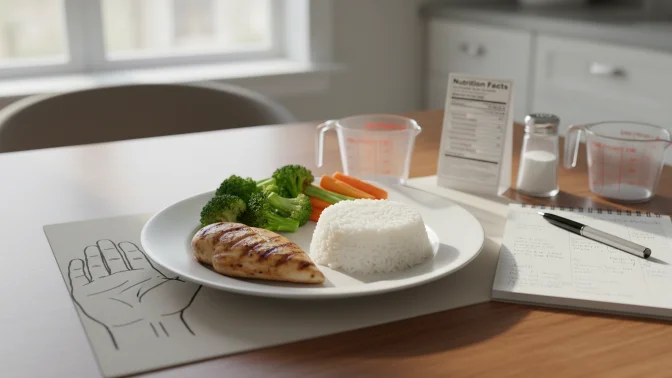
I explain how to set a daily calorie target, judge portions on the plate, and read labels so you can plan meals that match your goals. The steps below show simple calculations, real portion examples, and how to spot serving size and nutrient info on packages.
Calculating Caloric Requirements
I start with a simple calorie estimate: multiply your weight in pounds by 10–12 if you sit most of the day, 13–15 if you move moderately, and 16–18 if you do heavy exercise daily. For a 150 lb person who is moderately active, that gives about 1950–2250 calories per day. Adjust by 250–500 calories less to lose about 0.5–1 lb per week, or add the same amount to gain weight.
Use an online calculator from the USDA MyPlate Plan to get a personalized target based on age, sex, height, and activity level. Track intake for a week to see how close you are, then change portions or food choices to meet your target.
Understanding Portion Sizes
I measure portions using everyday items: a deck of cards for a 3–4 oz cooked meat portion, a tennis ball for a cup of fruit, and a thumb for an ounce of cheese. For cooked pasta or rice, a cupped hand is roughly one cup. These visual cues make portions quick and reliable without a scale.
I also use plate rules: half the plate non-starchy vegetables, one quarter lean protein, and one quarter whole grains or starchy vegetables. That pattern helps keep calories and nutrients balanced. For snacks, aim for 150–250 calories and include protein or fiber to stay full longer.
Reading Nutrition Labels
I first check serving size at the top of the label. Compare that to how much you actually eat, because all other numbers (calories, fat, sodium) are per serving. If you eat double the serving, double the calories and nutrients.
Next, I scan total calories, added sugars, saturated fat, and sodium. Try to keep added sugars low and saturated fat under 10% of calories. Use % Daily Value as a quick guide: 5% or less is low, 20% or more is high. For more on portion guidance and label reading, I recommend the American Heart Association and the USDA’s MyPlate resources for clear, trusted tips.
Building a Healthy Plate
I focus on clear steps you can use at each meal to get the right balance of vegetables, proteins, grains, and healthy fats. You will learn how to plan meals, measure portions, and add different foods so your plate is both nutritious and easy to prepare.
Meal Planning Fundamentals
I plan meals around simple, repeatable building blocks: vegetables, a lean protein, a whole grain or starchy vegetable, and a small healthy fat. I pick 2–3 main recipes for the week and mix sides to save time. For example, roast chicken, baked salmon, and a lentil stew cover several meals when paired with different grains and veggies.
I use a weekly shopping list and prep two things at once—chop mixed vegetables and cook a grain. That saves 15–30 minutes per meal. If you want step-by-step guides for balanced planning, I recommend checking the Harvard Healthy Eating Plate for portion ideas and the USDA MyPlate for practical resources.
Portioning the Food Groups
I divide the plate visually: half the plate for vegetables and fruit, one quarter for protein, and one quarter for whole grains or starchy vegetables. Use your hand as a quick tool: palm-sized protein, cupped hand of carbs, and two fistfuls of vegetables.
Protein choices include fish, poultry, beans, tofu, or lean beef. For grains, aim for whole grains like brown rice, quinoa, or whole-wheat pasta. Add a thumb-sized portion of healthy fat—olive oil, nuts, or avocado. Adjust amounts for age, sex, and activity level, but these visual cues work well for most adults.
Incorporating Variety
I rotate colors and food types across the week to cover more nutrients. Aim for at least three different vegetables or fruits during a day and two kinds of protein across meals. That reduces boredom and improves micronutrient intake.
Use simple swaps: swap spinach for kale, salmon for mackerel, or black beans for chickpeas. I also add herbs, citrus, and spices to change flavor without extra calories. For recipes and ideas that emphasize variety and plant-forward choices, try resources from trusted nutrition sites like the Academy of Nutrition and Dietetics.
Hydration and Its Importance

I explain why water matters for daily health and how much to drink. The next parts show the key benefits of staying hydrated and practical intake targets you can use.
Benefits of Adequate Hydration
I rely on water to keep my body working well every day. Water helps digestion by moving food through the gut and softening stool. It also transports nutrients and oxygen to cells, so muscles and organs get what they need to function.
Hydration affects mental sharpness. Even mild dehydration can make me feel tired, slow my thinking, and reduce focus. It also helps regulate body temperature through sweating, which is important during exercise or hot weather.
Good hydration supports joints and skin. Fluid acts like a cushion in joints and helps skin stay flexible. Drinking water can also help control appetite by reducing false hunger signals and supporting a healthy weight.
Recommended Water Intake
I aim for a simple goal: about 2.7 liters (about 11 cups) daily for women and 3.7 liters (about 15 cups) for men, from all beverages and foods combined. These are general targets from health experts and work for many people, but needs vary with activity, climate, and health.
Use urine color as a quick check: pale yellow usually means good hydration, while dark yellow may mean you need more fluids. Increase intake when you exercise, are outside in heat, or are sick with fever or vomiting.
I get water from plain drinks and from foods like fruits and vegetables. For trustworthy guidance on amounts and hydration tips, I consult resources such as the U.S. government’s nutrition site (Nutrition.gov) and the American Heart Association.
Healthy Eating Habits for Beginners
I focus on small, practical steps you can use every day: paying attention while you eat, handling cravings without guilt, and setting goals that fit your life. These habits help meals feel easier and make steady progress more likely.
Mindful Eating
I start by slowing down during meals. Eat without screens and take three deep breaths before the first bite. That helps me notice hunger and fullness signals so I stop when satisfied, not stuffed.
I pay attention to flavors, textures, and portion sizes. I chew each bite more times and put my fork down between bites. This simple change often reduces how much I eat without cutting out foods I enjoy.
I also tune into triggers. If I notice I eat when bored or stressed, I map alternatives like a short walk, a glass of water, or five minutes of deep breathing. These swaps break the automatic reach for snacks.
Managing Cravings
I recognize cravings as short, intense urges that usually pass in 10–20 minutes. When a craving hits, I pause and ask whether I’m truly hungry, thirsty, or tired. That quick check often stops impulsive eating.
I use three practical tools: hydrate first, wait 15 minutes, and choose a satisfying swap. For example, I drink water, then have a small portion of fruit with yogurt or a handful of nuts. This keeps me from grabbing ultra-processed snacks.
I also plan treats. I let myself enjoy a small favorite dessert once or twice a week. Scheduling treats reduces bingeing and keeps me consistent with healthier choices most days.
Setting Realistic Goals
I set clear, measurable goals that fit my schedule and food preferences. Instead of “eat healthy,” I aim for “two servings of vegetables at dinner” or “packed lunch three times a week.” Specific goals make progress easy to track.
I break big goals into weekly steps and celebrate small wins. If I want to add more fiber, I start by swapping white bread for whole-grain once a day. Small changes build habits without overwhelming my routine.
I review and adjust every two weeks. If a goal feels too hard, I reduce the frequency. If it feels easy, I raise the target slightly. This keeps goals realistic and keeps me moving forward.
Common Mistakes to Avoid
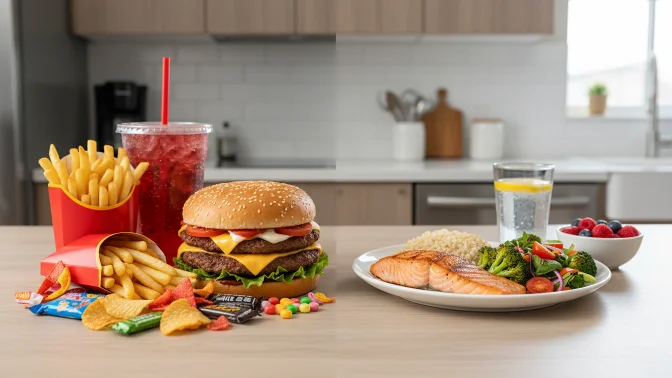
I see beginners try to fix everything at once and then burn out quickly. Crash diets and extreme restriction feel fast, but they are hard to keep and often backfire.
Skipping meals is another common error I notice. It can slow your metabolism and make you overeat later. Aim for consistent, balanced meals instead.
Relying on a single “superfood” or supplement won’t cover all needs. Whole foods and variety matter more. For reliable guidance on nutrients, I consult resources like the NHS food advice and choose whole-food sources first: https://www.nhs.uk/live-well/eat-well/.
I also warn people about ignoring portion sizes. Healthy foods can still add up if portions are large. Simple tools like measuring cups or a food scale help me keep portions realistic.
Overemphasizing processed “diet” products is a trap I avoid. Many labeled low-fat or low-calorie items contain added sugar and salt. Reading labels helps me pick real, minimally processed foods.
Finally, I recommend not comparing your progress to others. Weight and health change slowly and look different for each person. For trustworthy weight-loss methods and evidence-based tips, I use guidance from reputable sites like WebMD: https://www.webmd.com/.
Sustaining Your Balanced Diet Long-Term
I focus on practical steps I can keep up for months or years, such as simple meal patterns, realistic swaps, and small habit changes that fit my routine. I pay attention to facts like portion sizes, meal timing, and when to allow treats.
Adjusting to Lifestyle Changes
When my work, family, or health changes, I adapt my eating plan instead of starting over. If I switch to a busier schedule, I prep 2–3 lunches and breakfasts on Sundays and use quick proteins like canned beans, Greek yogurt, or rotisserie chicken. For travel, I pack portioned snacks (nuts, whole-grain crackers) and look for meals with a vegetable and a lean protein.
If my budget tightens, I choose frozen vegetables, dry legumes, and oats to keep fiber and nutrients without high cost. If I face a health shift—such as needing lower sodium—I read labels and favor fresh foods. For big life events, I set one small goal for two weeks (cook three nights, add one vegetable daily) and reassess after that period.
Tracking Progress
I track what matters to me: energy, weight, and how often I meet plate balance goals. I use a simple checklist or an app and review it weekly. A quick log helps me see patterns—like skipping breakfast before late nights—and correct them.
I measure progress with clear numbers and actions. I weigh or measure once a week if weight control matters, and I note servings of vegetables and protein per day. For reliable guidance on portion and plate balance, I refer to USDA MyPlate or the Harvard Healthy Eating Plate to check my portions and food groups.
FAQs
What is a balanced diet?
I mean a mix of protein, healthy fats, fiber-rich carbs, and colorful fruits and vegetables. This mix gives your body energy and the nutrients it needs to work well.
How many meals should I eat each day?
I suggest 3 regular meals and 1–2 healthy snacks if you get hungry. Listen to your body—some people prefer smaller, more frequent meals.
How do I start if I’m overwhelmed?
I start small by adding one fruit or vegetable to each meal. Small changes add up and make habit building easier.
Can I still enjoy treats?
Yes. I include treats in moderation so the plan feels real and sustainable. Total balance matters more than perfection.
Do I need supplements?
I focus on whole foods first. Supplements help only if a deficiency exists or a health condition requires them; talk with a healthcare provider if you think you need one.
How do I plan meals on a budget?
I choose seasonal produce, buy whole grains and legumes in bulk, and cook simple recipes. Meal prep saves time and reduces waste.
How fast will I see results?
I look for steady changes in energy and mood within weeks, and in body changes over months. Results depend on your starting point and consistency.
Where can I learn more?
I recommend trusted sources like registered dietitians, basic nutrition guides, and simple meal plans for beginners.
Conclusion
I feel confident that small, steady changes lead to big health gains over time. Start with simple swaps, add more vegetables and whole grains, and keep protein and healthy fats in your meals.
I know perfection is not the goal. Balance means variety and consistency, not strict rules or all-or-nothing thinking.
I recommend tracking one habit at a time. Use a checklist or a meal note to stay aware without feeling overwhelmed.
I suggest these quick reminders:
- Aim for a rainbow of fruits and vegetables each day.
- Choose whole grains and lean proteins most of the time.
- Limit highly processed foods and sugary drinks.
I find practical tools helpful, so I use portion guides and a few staple recipes to simplify choices. They save time and reduce stress around meals.
I expect improvements in energy, mood, and weight control when you stick with these habits. Progress may be slow, but steady changes build lasting results.
