
Ceramic coated frying pans are popular for their non-stick qualities and eco-friendly appeal, but are they truly safe for your health? This article explores the facts behind ceramic coatings, debunks common myths, and offers practical tips to help you cook safely and confidently with ceramic cookware.
Contents
- 1 Key Takeaways
- 2 Quick Answers to Common Questions
- 3 📑 Table of Contents
- 4 Are Ceramic Coated Frying Pans Bad For You? Discover The Truth
- 5 What Are Ceramic Coated Frying Pans?
- 6 Are Ceramic Coated Frying Pans Safe to Use?
- 7 How to Use Ceramic Coated Frying Pans Safely
- 8 Benefits of Ceramic Coated Frying Pans
- 9 Drawbacks and Considerations
- 10 Tips to Choose the Best Ceramic Coated Frying Pan
- 11 Conclusion: Should You Use Ceramic Coated Frying Pans?
- 12 Frequently Asked Questions
Key Takeaways
- Ceramic coatings are generally safe: They are free from harmful chemicals like PFOA and PTFE found in traditional non-stick pans.
- Heat resistance matters: Overheating ceramic pans can degrade the coating and release unwanted particles.
- Durability varies: Ceramic coatings can wear out faster than other materials, affecting safety and performance.
- Proper care extends lifespan: Avoid metal utensils and high heat to keep the coating intact and safe.
- Health risks are minimal: No scientific evidence links ceramic pans to serious health problems when used correctly.
- Choose quality brands: Higher quality ceramic pans usually have better coatings and safety standards.
- Environmental benefits: Ceramic pans are often touted as eco-friendly alternatives to traditional non-stick cookware.
Quick Answers to Common Questions
Are ceramic coated frying pans toxic?
No, ceramic coated frying pans are generally non-toxic and free from harmful chemicals like PFOA and PTFE, making them safe for cooking.
Can ceramic pans release harmful fumes?
Ceramic pans do not release toxic fumes like traditional non-stick pans, especially when used within recommended temperature limits.
How do I clean ceramic coated frying pans?
Use mild dish soap and a soft sponge to clean ceramic pans. Avoid abrasive scrubbers and dishwasher use to preserve the coating.
Can I use metal utensils on ceramic pans?
It’s best to avoid metal utensils as they can scratch and damage the ceramic coating. Use wooden, silicone, or plastic utensils instead.
How long do ceramic coated frying pans last?
The lifespan varies by quality and care but typically ceramic coatings last 1-3 years before showing signs of wear and reduced non-stick performance.
📑 Table of Contents
- Are Ceramic Coated Frying Pans Bad For You? Discover The Truth
- What Are Ceramic Coated Frying Pans?
- Are Ceramic Coated Frying Pans Safe to Use?
- How to Use Ceramic Coated Frying Pans Safely
- Benefits of Ceramic Coated Frying Pans
- Drawbacks and Considerations
- Tips to Choose the Best Ceramic Coated Frying Pan
- Conclusion: Should You Use Ceramic Coated Frying Pans?
Are Ceramic Coated Frying Pans Bad For You? Discover The Truth
Frying pans are kitchen staples, and ceramic coated frying pans have become increasingly popular in recent years. Many people choose them as a safer, more natural alternative to traditional non-stick pans. But with all the buzz, a common question emerges: are ceramic coated frying pans bad for you? Let’s dive into the truth behind ceramic coatings, how they work, and what you need to know to keep your cooking safe and healthy.
In this article, you’ll learn about the materials used in ceramic coatings, potential health concerns, and practical tips to maximize the benefits of ceramic pans. Whether you’re considering buying a ceramic pan or already own one, this guide will help you cook with confidence.
What Are Ceramic Coated Frying Pans?
Understanding the Coating
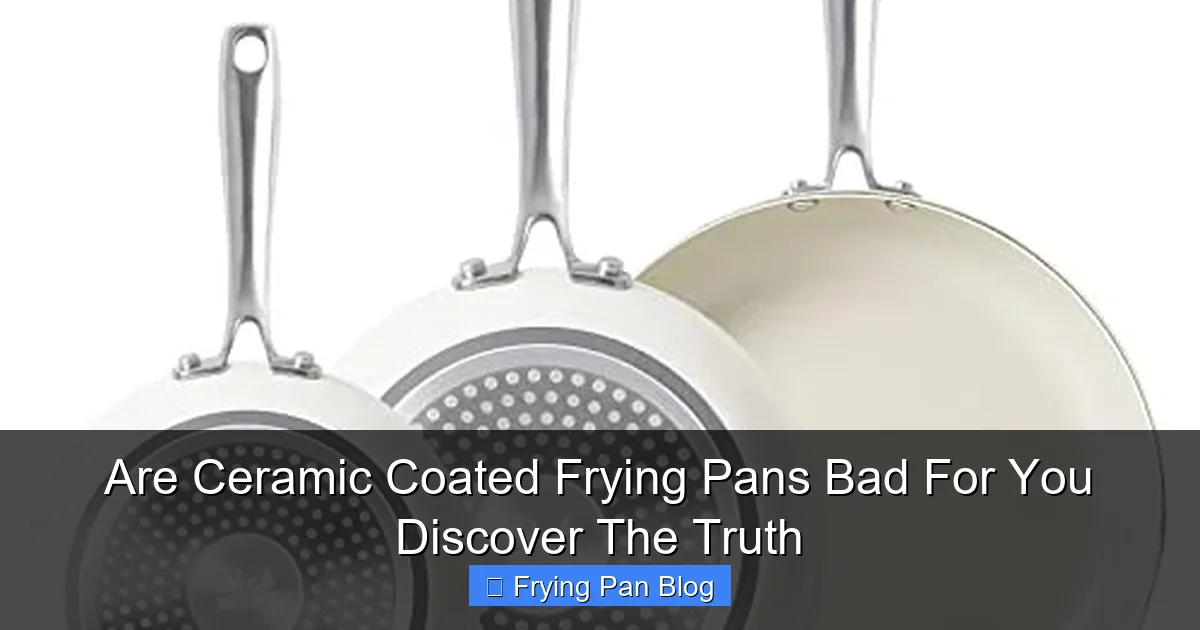
Ceramic coated frying pans feature a non-stick surface made from a silica-based gel derived from sand. This coating is applied over metal pans like aluminum or stainless steel, creating a smooth, slick surface that prevents food from sticking.
Visual guide about Are Ceramic Coated Frying Pans Bad For You Discover The Truth
Image source: m.media-amazon.com
Unlike traditional non-stick pans coated with PTFE (polytetrafluoroethylene) or PFOA (perfluorooctanoic acid), ceramic coatings do not contain these chemicals, which have raised health concerns in the past. Ceramic coatings are considered a more natural, eco-friendly alternative.
How Ceramic Pans Work
The ceramic layer provides a slick surface that requires less oil or butter while cooking. This means you can prepare healthier meals with less added fat. The coating also allows for relatively easy cleanup compared to raw metal pans.
Are Ceramic Coated Frying Pans Safe to Use?
What Science Says
Current research shows that ceramic coatings are generally safe for cooking. They do not release harmful chemicals like PFOA or PFAS when heated, which have been linked to health risks. Ceramic coatings are also free from lead and cadmium, which can be concerns in low-quality cookware.
However, no cookware is completely risk-free if misused. Overheating ceramic pans beyond their temperature limits (typically 450°F to 500°F) can cause the coating to degrade and potentially flake. While these flakes are considered non-toxic, ingesting them is not ideal.
Potential Risks and Myths
- Myth: Ceramic pans emit toxic fumes when heated.
Fact: Ceramic coatings don’t release toxic fumes like traditional Teflon pans do at very high temperatures.
- Risk: Scratched or damaged ceramic coatings can reduce non-stick properties and may shed particles.
Tip: Use wooden or silicone utensils to avoid scratches.
How to Use Ceramic Coated Frying Pans Safely
Temperature Control
One of the simplest ways to protect your ceramic pan and health is to avoid high heat. Ceramic pans work best on low to medium heat settings. High heat can cause warping or damage to the coating.
Proper Utensils
Always use wooden, silicone, or plastic utensils when cooking with ceramic pans. Metal tools can scratch the delicate ceramic surface, reducing its lifespan and safety.
Cleaning Tips
Wash ceramic pans with mild dish soap and a soft sponge. Avoid abrasive scrubbers or harsh cleaning agents that can wear down the coating. Hand washing is usually recommended over dishwasher use to preserve the coating.
Benefits of Ceramic Coated Frying Pans
Healthier Cooking
Ceramic pans allow you to cook with less oil, reducing fat intake. Their non-stick surface helps prevent food from sticking and burning, which can create harmful compounds.
Eco-Friendly Choice
Many ceramic pans are marketed as environmentally friendly because they avoid the use of PFAS and PFOA chemicals. They are often made from natural materials and can be recyclable depending on the brand.
Easy Maintenance
Ceramic coated pans are generally easy to clean and maintain, especially when cared for properly. They don’t require seasoning like cast iron, making them convenient for everyday use.
Drawbacks and Considerations
Durability Issues
Ceramic coatings tend to wear out faster than traditional non-stick coatings. Over time, the surface may become less slick and start to chip, which can affect cooking performance.
Cost Factor
High-quality ceramic pans can be more expensive than standard non-stick pans. Cheaper versions may not have durable coatings or strict quality control, leading to early failure.
Not Ideal for High-Heat Cooking
If you often sear meats or cook at very high temperatures, ceramic pans may not be the best choice. Their coatings are not designed to handle intense heat like stainless steel or cast iron.
Tips to Choose the Best Ceramic Coated Frying Pan
Look for Reputable Brands
Choose ceramic pans from brands known for quality and transparency. These companies test their products for safety and durability.
Check for Certification
Look for certifications like FDA approval or European safety standards, which indicate the pan meets health and safety regulations.
Read Reviews
Customer reviews can provide insight into how well the pan holds up over time and its safety during use.
Consider Pan Thickness
Thicker pans with sturdy bases distribute heat more evenly and last longer, protecting the ceramic coating from damage.
Conclusion: Should You Use Ceramic Coated Frying Pans?
So, are ceramic coated frying pans bad for you? The answer is no—when used properly, ceramic pans are a safe, healthy, and eco-friendly option for everyday cooking. They eliminate many of the concerns associated with traditional non-stick pans and offer an easy-to-use surface that promotes healthier meals.
However, to get the most out of your ceramic pan and avoid any potential risks, it’s important to choose quality products, avoid overheating, and care for them properly. With the right approach, ceramic coated frying pans can be a fantastic addition to your kitchen without compromising your health.
Happy cooking!
🎥 Related Video: Ceramic-Coated Pans: Are They A Non-Toxic Cookware Option? #ceramiccoating #cookware #healthhacks
📺 Non-Toxic Dad
Frequently Asked Questions
What makes ceramic coated frying pans different from traditional non-stick pans?
Ceramic pans use a silica-based coating that is free from chemicals like PFOA and PTFE, which are common in traditional non-stick pans. This can make ceramic pans a safer and more eco-friendly option.
Is it safe to cook at high heat with ceramic pans?
Cooking at very high heat is not recommended for ceramic pans as the coating can degrade or chip. It’s better to use low to medium heat to protect the surface and ensure safety.
Are ceramic coated pans dishwasher safe?
Many ceramic pans are labeled dishwasher safe, but hand washing is recommended to extend the life of the coating and maintain non-stick performance.
Can ceramic coatings chip or peel?
Yes, ceramic coatings can chip or peel over time, especially if exposed to metal utensils or harsh cleaning methods. Proper care can minimize this risk.
Do ceramic pans contain any heavy metals?
High-quality ceramic pans are free from heavy metals like lead and cadmium. It’s important to buy from reputable brands that adhere to safety standards.
Are ceramic coated frying pans environmentally friendly?
Yes, ceramic pans are often considered more environmentally friendly because they avoid harmful chemicals used in traditional non-stick coatings and may be made with natural materials.
