
How to Clean White Enamel Dutch Oven

Cleaning a white enamel Dutch oven doesn’t have to be difficult. This guide covers easy, safe methods to remove stains, stuck food, and discoloration, keeping your cookware looking pristine and lasting longer.
Key Takeaways
- Regular cleaning: Clean your Dutch oven promptly after use to prevent stains and buildup.
- Gentle tools: Use non-abrasive sponges and brushes to protect the enamel coating.
- Natural cleaners: Baking soda and vinegar are effective and safe for removing tough stains.
- Soaking helps: Soak the pot in warm water to loosen stuck-on food before scrubbing.
- Stain removal: Use a paste of baking soda and water or specialized enamel cleaners for stubborn discoloration.
- Avoid harsh chemicals: Do not use bleach or metal scouring pads as they damage the enamel surface.
- Dry thoroughly: Always dry your Dutch oven completely to prevent rust on exposed metal parts.
How to Clean White Enamel Dutch Oven
White enamel Dutch ovens are a beautiful and functional addition to any kitchen. They distribute heat evenly and look great, but their white surfaces can show stains and discoloration easily. If you’ve ever wondered how to clean white enamel Dutch oven cookware without damaging it, you’re in the right place. This guide will walk you through practical, safe, and effective cleaning methods to keep your Dutch oven sparkling white and extend its lifespan.
Why Proper Cleaning Matters
Enamel is a hard, glass-like coating fused to metal. It’s durable but can chip or discolor if treated harshly. Using abrasive cleaners or scrubbing tools can scratch the surface, leading to stains or rust spots. Proper cleaning maintains the glossy finish and prevents bacteria buildup, ensuring your Dutch oven stays both functional and beautiful.
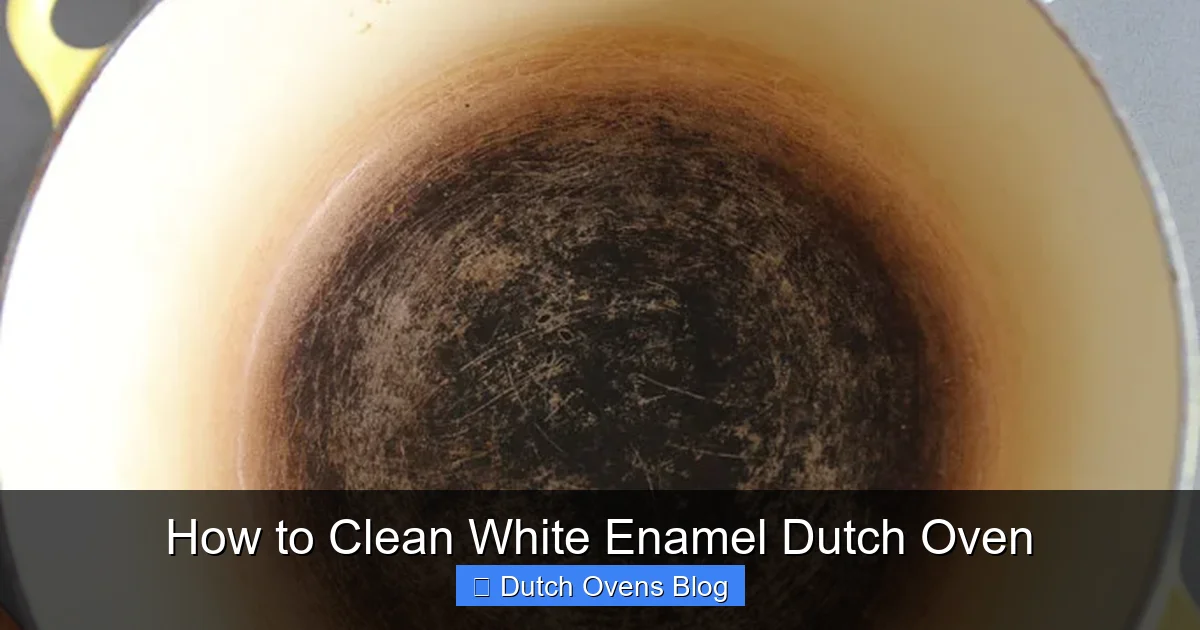
Visual guide about How to Clean White Enamel Dutch Oven
Image source: platingsandpairings.com
Essential Tools and Materials
- Soft sponge or nylon scrubber
- Plastic or wooden spatula (for stuck food)
- Baking soda
- White vinegar
- Mild dish soap
- Warm water
- Soft cloth or microfiber towel
- Optional: specialized enamel cleaner or cream cleaner
Step 1: Immediate Rinse and Cleaning After Use
Cleaning your white enamel Dutch oven right after cooking is the best way to prevent stains and stuck-on food. Follow these steps:
Rinse with Warm Water
Once your Dutch oven has cooled down but is still warm, rinse it with warm water to remove loose food particles.
Wash with Mild Soap
Use a soft sponge and mild dish soap to gently clean the inside and outside surfaces. Avoid steel wool or abrasive pads that can scratch the enamel.
Rinse and Dry Thoroughly
Rinse well to remove soap residue and dry with a soft towel. Avoid air drying, as moisture can lead to rust on exposed metal rims.
Step 2: Removing Stubborn Food and Stains
Sometimes food sticks or stains form despite your best efforts. Here’s how to tackle them safely.
Soak in Warm Soapy Water
Fill your Dutch oven with warm water and a few drops of dish soap. Let it soak for 15-30 minutes to loosen residue.
Use a Plastic or Wooden Scraper
Gently scrape off softened food using a plastic or wooden spatula. Avoid metal tools that can chip enamel.
Apply Baking Soda Paste
Make a paste by mixing baking soda and water. Apply it to stains and let it sit for 15-20 minutes. Then scrub gently with a soft sponge.
Rinse and Dry
Rinse away all residue and dry thoroughly with a cloth.
Step 3: Tackling Tough Discoloration and Burn Marks
Burn marks and discoloration are common on white enamel cookware. These steps help restore its brightness.
Use White Vinegar Soak
Fill the Dutch oven with equal parts water and white vinegar. Bring to a simmer on the stove for 5-10 minutes. The acidity helps break down stains.
Let It Cool and Scrub
Allow the pot to cool, then scrub gently with a soft sponge. Repeat if necessary.
Baking Soda Scrub for Persistent Stains
For stubborn marks, sprinkle baking soda directly on the stain, add a bit of water, and scrub gently.
Optional: Use a Cream Cleaner
If natural methods don’t work, try a cream cleaner designed for enamel cookware. Follow the manufacturer’s instructions carefully.
Step 4: Cleaning the Exterior
The outside of your Dutch oven can also collect grease and stains.
Wash with Mild Soap and Sponge
Use warm soapy water and a soft sponge to clean the exterior. Avoid abrasive scrubbers.
Remove Stains with Baking Soda
Apply baking soda paste for any stubborn spots and wipe clean.
Dry Thoroughly
Dry the exterior completely to prevent rust on any exposed metal parts.
Step 5: Maintaining Your White Enamel Dutch Oven
Regular care keeps your Dutch oven looking great for years.
- Avoid metal utensils: Use wood, silicone, or plastic tools to prevent chipping.
- Don’t use high heat: Enamel can discolor or crack under extreme temperature changes.
- Store carefully: Use a soft cloth between stacked cookware to avoid scratches.
- Clean promptly: Don’t let food dry and harden inside the pot.
Troubleshooting Common Issues
Black Streaks or Burn Marks Won’t Come Off
Try repeating the vinegar soak and baking soda scrub. For persistent marks, a specialized enamel cleaner may be necessary. Avoid harsh abrasives to prevent damage.
Enamel Chipping or Cracking
Unfortunately, chips and cracks cannot be repaired easily. Avoid using the damaged pot for acidic foods, as metal underneath can rust and contaminate food.
Rust on Metal Rim
Dry your Dutch oven thoroughly after washing and consider applying a thin layer of cooking oil to exposed metal rims to prevent rust.
Conclusion
Knowing how to clean white enamel Dutch oven cookware properly ensures it remains a beautiful and functional kitchen staple. Use gentle cleaning methods, soak to loosen stuck food, and avoid abrasive tools. With regular care, your Dutch oven will stay bright white and ready to create delicious meals for years to come. Happy cooking and cleaning!
