
Ceramic frying pans are generally safe and non-toxic, making them a popular choice for health-conscious cooks. However, they have pros and cons when it comes to cooking performance and durability. This guide explores whether ceramic frying pans are bad for your health or cooking results, helping you make an informed choice.
Contents
- 1 Key Takeaways
- 2 Quick Answers to Common Questions
- 3 📑 Table of Contents
- 4 Introduction
- 5 What Are Ceramic Frying Pans?
- 6 Are Ceramic Frying Pans Bad for Your Health?
- 7 Cooking Performance: Are Ceramic Pans Effective?
- 8 Durability and Longevity of Ceramic Frying Pans
- 9 Comparing Ceramic Pans with Other Cookware
- 10 Practical Tips for Using Ceramic Frying Pans
- 11 Conclusion
- 12 Frequently Asked Questions
Key Takeaways
- Safe Materials: Ceramic pans are free from harmful chemicals like PFOA and PTFE, making them safe for cooking.
- Non-Stick Performance: Ceramic coatings provide good non-stick properties initially but may wear faster than traditional non-stick pans.
- Durability Concerns: Ceramic pans can chip or crack if not cared for properly, affecting cooking quality.
- Heat Distribution: Many ceramic pans offer even heat distribution but can lose effectiveness if coatings degrade.
- Health Impact: Ceramic pans generally do not release toxic fumes or chemicals, posing minimal health risks.
- Cooking Tips: Use moderate heat and avoid metal utensils to extend the life of your ceramic pan.
- Environmental Aspect: Ceramic coatings are often more eco-friendly compared to traditional non-stick coatings.
Quick Answers to Common Questions
Are ceramic frying pans free of toxic chemicals?
Yes, ceramic frying pans do not contain harmful chemicals like PFOA or PTFE, making them a safer option for cooking.
Can I use metal utensils on ceramic pans?
It’s best to avoid metal utensils as they can scratch and damage the ceramic coating. Use wooden or silicone tools instead.
Do ceramic pans work well at high heat?
Ceramic pans are not ideal for very high heat cooking because excessive heat can damage the coating.
How do I clean a ceramic frying pan?
Hand wash with warm water and a soft sponge. Avoid abrasive cleaners and dishwashers to preserve the coating.
How long does a ceramic frying pan typically last?
With proper care, ceramic frying pans can last 1-3 years, but their lifespan varies based on usage and maintenance.
📑 Table of Contents
Introduction
When it comes to frying pans, ceramic options have gained a lot of attention. They are often marketed as a healthier alternative to traditional non-stick pans. But are ceramic frying pans bad for your health or cooking results? This is a common question among home cooks looking for safe, efficient cookware.
In this article, we’ll dive deep into the world of ceramic frying pans. We’ll explore their safety, cooking performance, durability, and how they compare to other types of pans. Whether you’re thinking of buying one or just curious, this guide will help you understand the pros and cons of ceramic frying pans.
What Are Ceramic Frying Pans?
Understanding the Ceramic Coating
Ceramic frying pans are usually made of metal bases coated with a layer of ceramic. This ceramic coating is derived from sand and other natural materials, baked at high temperatures to form a hard, smooth surface. Unlike traditional non-stick pans coated with PTFE (like Teflon), ceramic coatings are free from synthetic chemicals like PFOA and PFAS.
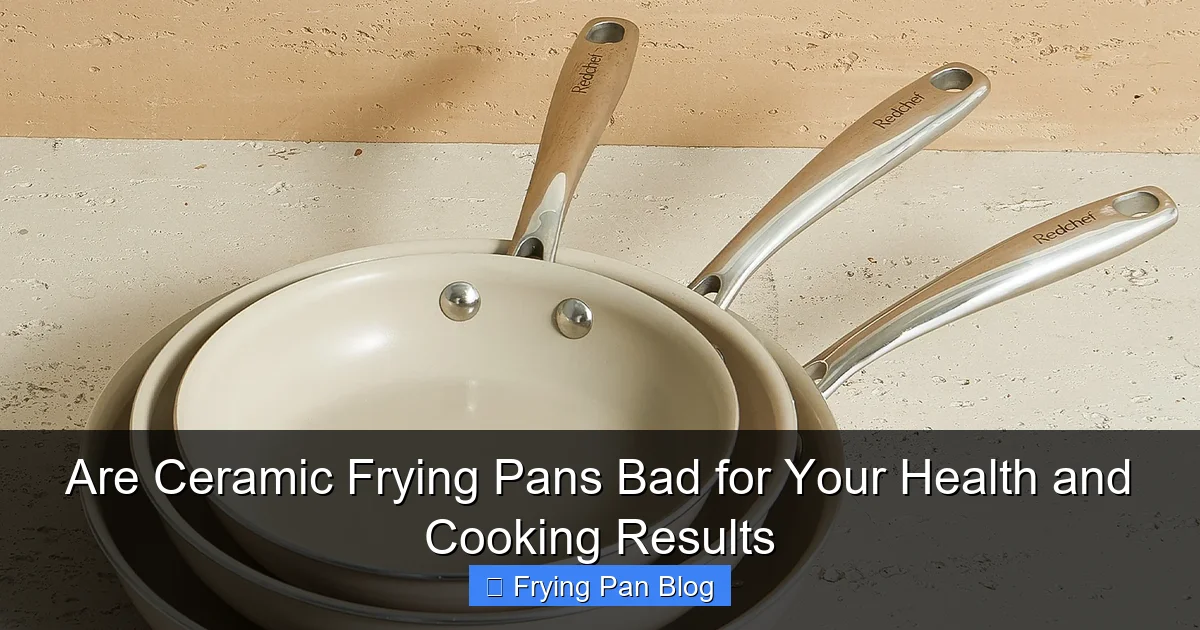
Visual guide about Are Ceramic Frying Pans Bad for Your Health and Cooking Results
Image source: redchefhome.com
Types of Ceramic Pans
- 100% Ceramic Pans: Made entirely of ceramic material, often heavier and more fragile.
- Metal Base with Ceramic Coating: More common, offering good heat conduction and the benefits of ceramic’s non-stick properties.
Are Ceramic Frying Pans Bad for Your Health?
Health Safety of Ceramic Coatings
One of the biggest advantages of ceramic frying pans is their non-toxic nature. Ceramic coatings do not contain harmful chemicals like PFOA or PTFE, which have raised health concerns in traditional non-stick pans. This makes ceramic pans a safer choice for everyday cooking.
Do Ceramic Pans Release Toxic Fumes?
Unlike some traditional non-stick pans, ceramic frying pans do not release toxic fumes when overheated. However, like any cookware, it’s best to avoid exposing ceramic pans to extremely high temperatures to maintain their integrity and avoid breakdown of the coating.
Cooking Performance: Are Ceramic Pans Effective?
Non-Stick Qualities
Ceramic pans initially offer excellent non-stick performance, making cooking and cleaning easier. This property allows you to cook with less oil, which can be healthier.
Heat Distribution and Retention
The metal base beneath the ceramic coating usually ensures even heating. However, ceramic itself does not conduct heat well, so the performance depends largely on the pan’s base material. High-quality ceramic pans with aluminum or stainless steel bases tend to perform well.
Limitations in High-Heat Cooking
Ceramic pans are not ideal for very high-heat cooking like searing or stir-frying over flames. Excessive heat can damage the ceramic coating, reducing its non-stick capabilities and lifespan.
Durability and Longevity of Ceramic Frying Pans
Common Wear and Tear Issues
Ceramic coatings are prone to chipping and cracking if mishandled. Using metal utensils or abrasive cleaning tools can damage the surface. Over time, the coating may also wear off, reducing non-stick performance.
How to Extend the Life of Your Ceramic Pan
- Use wooden or silicone utensils.
- Cook on medium or low heat.
- Hand wash with a soft sponge instead of a dishwasher.
- Avoid sudden temperature changes to prevent thermal shock.
Comparing Ceramic Pans with Other Cookware
Ceramic vs. Traditional Non-Stick (PTFE) Pans
Traditional non-stick pans offer longer-lasting coatings and better high-heat performance but may release harmful chemicals if overheated. Ceramic pans are safer but less durable.
Ceramic vs. Cast Iron and Stainless Steel
Cast iron and stainless steel pans excel at durability and heat retention but require more maintenance and often need more oil for cooking. Ceramic pans offer easier cleanup and healthier cooking with less oil.
Practical Tips for Using Ceramic Frying Pans
Cooking and Cleaning Tips
- Allow the pan to cool before washing to avoid cracking.
- Use moderate heat to preserve the coating.
- Season your ceramic pan occasionally with a little oil to maintain its non-stick surface.
- Store carefully to avoid scratches.
When to Replace Your Ceramic Pan
If you notice significant chipping, flaking, or loss of non-stick properties, it’s time to replace your pan. Continuing to cook with damaged ceramic coatings can lead to uneven cooking and potential ingestion of particles.
Conclusion
So, are ceramic frying pans bad for your health or cooking results? The short answer is no. Ceramic frying pans are generally safe and free from harmful chemicals, making them a healthy choice for everyday cooking. They offer good non-stick performance and are easy to clean.
However, they do have limitations. Their durability is not as strong as some traditional pans, and they require careful use and maintenance to last. Cooking at moderate temperatures and using the right utensils can help you get the most out of your ceramic frying pan.
Ultimately, ceramic frying pans provide a good balance of safety, cooking convenience, and environmental benefits. If you value these qualities and follow simple care tips, ceramic pans can be a great addition to your kitchen.
🎥 Related Video: The Truth About Nonstick and Ceramic Pans
📺 Jon Kung
Let’s talk about nonstick and ceramic pans. Are they safe? Should you be worried about PFAs? Is ceramic better? What kind of …
Frequently Asked Questions
Are ceramic frying pans safe for everyday cooking?
Yes, ceramic frying pans are safe for daily use since they do not release toxic chemicals and are free from harmful coatings.
Can ceramic pans replace traditional non-stick pans?
They can be a good alternative, especially for health-conscious cooks, but they may not last as long or perform as well at very high temperatures.
What should I avoid to keep my ceramic pan in good shape?
Avoid cooking on high heat, using metal utensils, and cleaning with abrasive materials to extend the life of your ceramic pan.
Is it okay to use oil when cooking with ceramic pans?
Yes, using a small amount of oil helps maintain the non-stick surface and enhances cooking results.
Do ceramic pans work on induction cooktops?
Some ceramic pans come with magnetic bases suitable for induction. Always check the manufacturer’s specifications before use.
Are ceramic frying pans environmentally friendly?
Ceramic coatings are generally more eco-friendly than traditional non-stick coatings, as they don’t release harmful chemicals during production or use.
