
Are ceramic frying pans bad for you? The short answer is no—ceramic pans are generally safe and non-toxic. Learn how to use and maintain them properly to enjoy healthy cooking and avoid common pitfalls.
Contents
- 1 Key Takeaways
- 2 📑 Table of Contents
- 3 Are Ceramic Frying Pans Bad for You? Discover the Truth Today
- 4 What Are Ceramic Frying Pans Made Of?
- 5 Are Ceramic Frying Pans Safe for Your Health?
- 6 Potential Downsides of Ceramic Frying Pans
- 7 How to Use Ceramic Frying Pans Safely
- 8 Benefits of Cooking with Ceramic Pans
- 9 Choosing the Right Ceramic Frying Pan for You
- 10 Conclusion: Are Ceramic Frying Pans Bad for You?
- 11 Frequently Asked Questions
Key Takeaways
- Ceramic pans are typically free from harmful chemicals: They don’t contain PTFE or PFOA, unlike some non-stick coatings.
- Safe cooking temperature matters: Overheating ceramic pans can degrade the coating and release unwanted fumes.
- Durability varies: Proper care extends the life of ceramic cookware and maintains its safety.
- Check for quality: Not all ceramic coatings are equal—choose reputable brands to avoid potential risks.
- Environmentally friendly option: Ceramic pans are often more eco-conscious than traditional non-stick pans.
- Health benefits: Ceramic coating helps cook with less oil, promoting healthier meals.
- Use and maintenance tips: Avoid metal utensils and high heat to keep your ceramic pan safe and lasting longer.
📑 Table of Contents
- Are Ceramic Frying Pans Bad for You? Discover the Truth Today
- What Are Ceramic Frying Pans Made Of?
- Are Ceramic Frying Pans Safe for Your Health?
- Potential Downsides of Ceramic Frying Pans
- How to Use Ceramic Frying Pans Safely
- Benefits of Cooking with Ceramic Pans
- Choosing the Right Ceramic Frying Pan for You
- Conclusion: Are Ceramic Frying Pans Bad for You?
Are Ceramic Frying Pans Bad for You? Discover the Truth Today
When it comes to choosing the right frying pan, many people wonder about the safety of ceramic frying pans. Are they truly healthy, or could they pose hidden risks? With so many options on the market, it’s easy to get confused. In this article, we’ll dive deep into the world of ceramic cookware to separate fact from fiction.
Whether you’re a health-conscious home cook or simply want a reliable pan for everyday meals, understanding how ceramic frying pans work and their safety profile is essential. Let’s explore the materials, benefits, and potential drawbacks to help you make an informed choice.
What Are Ceramic Frying Pans Made Of?
The Ceramic Coating Explained
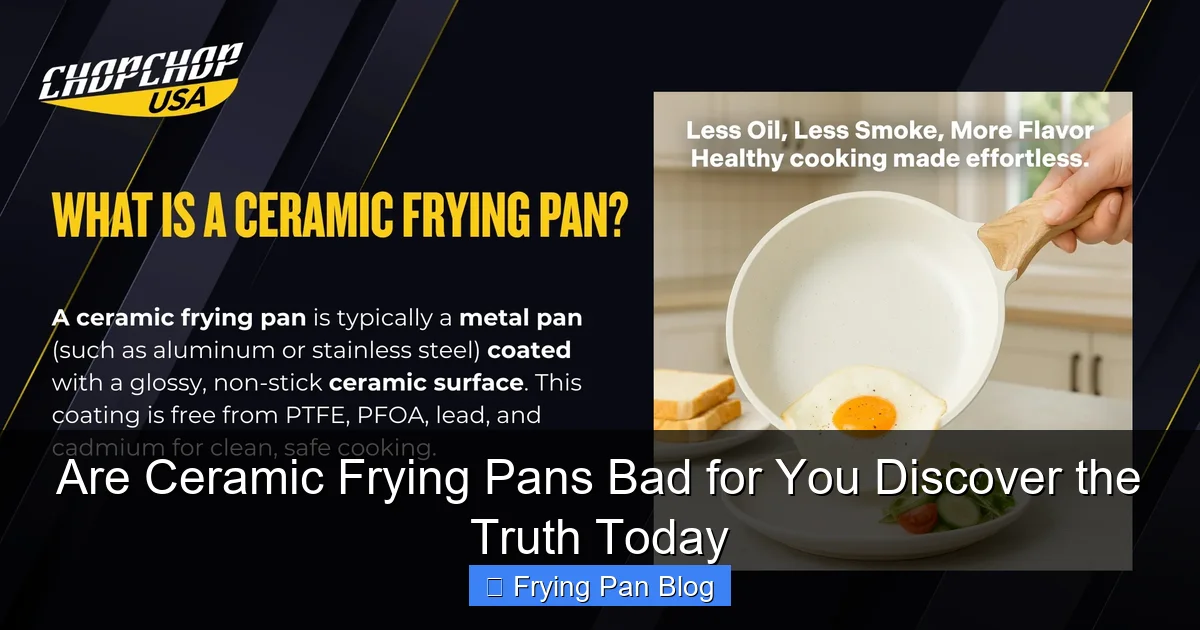
Ceramic frying pans are typically made of metal—such as aluminum or stainless steel—with a ceramic coating on top. This coating is created from inorganic minerals, mainly silica (sand), which is heated and hardened to form a smooth, non-stick surface.
Visual guide about Are Ceramic Frying Pans Bad for You Discover the Truth Today
Image source: cdn.shopify.com
This ceramic layer is free from synthetic chemicals like PTFE (polytetrafluoroethylene) and PFOA (perfluorooctanoic acid), which are often found in traditional non-stick pans. This difference is why many people consider ceramic pans a safer alternative.
Types of Ceramic Coatings
Not all ceramic coatings are created equal. Some manufacturers use pure ceramic, while others blend ceramic with non-stick materials to improve durability. The thickness and quality of the coating vary widely, which affects the pan’s lifespan and safety.
Choosing high-quality ceramic pans from trusted brands ensures you get a reliable product that won’t chip or degrade quickly.
Are Ceramic Frying Pans Safe for Your Health?
No Toxic Chemicals Released
One of the biggest concerns with cookware is the release of harmful chemicals during cooking. Ceramic pans stand out because they don’t release toxic fumes associated with overheated PTFE coatings. This makes them safer for your lungs and overall well-being.
Heat Resistance and Cooking Temperatures
While ceramic coatings are heat resistant, they have limits. High heat (above 450°F or 230°C) can cause the ceramic layer to break down over time, reducing its non-stick properties and potentially releasing tiny particles. However, these particles are inert and not known to be harmful.
For best results, cook on low to medium heat and avoid preheating an empty ceramic pan for extended periods.
Potential Downsides of Ceramic Frying Pans
Durability Issues
Ceramic coatings tend to wear out faster than traditional non-stick pans. Frequent use of metal utensils, abrasive sponges, or sudden temperature changes can cause the coating to chip or crack, which reduces effectiveness and may expose the base metal.
Risk of Misleading Labels
Some ceramic pans may still contain low levels of PTFE or other chemicals, despite being marketed as “100% ceramic.” Reading product labels and reviews can help avoid misleading products that don’t meet safety expectations.
Cost and Longevity
Ceramic pans can be more expensive upfront, and their shorter lifespan means you might replace them more often than other types of pans. However, their safety and eco-friendly nature can offset these costs for many users.
How to Use Ceramic Frying Pans Safely
Cooking Tips
- Always use low to medium heat to protect the ceramic coating.
- Avoid heating an empty pan for long periods.
- Use wooden, silicone, or plastic utensils to prevent scratching.
- Do not use aerosol cooking sprays, which can damage the coating.
Cleaning and Maintenance
Hand wash ceramic pans with mild soap and a soft sponge. Avoid harsh steel wool or abrasive cleaners. Let the pan cool before washing to prevent thermal shock, which can cause cracking.
Benefits of Cooking with Ceramic Pans
Healthier Cooking
The non-stick ceramic surface requires less oil or butter, helping you cook healthier meals with fewer calories and less fat.
Environmentally Friendly
Ceramic pans often use fewer harmful chemicals in their manufacturing process and are more biodegradable than traditional non-stick pans, making them a greener choice for your kitchen.
Easy to Use
Many people love ceramic pans for their quick heating, easy food release, and attractive design options.
Choosing the Right Ceramic Frying Pan for You
Look for Trusted Brands
Invest in ceramic pans from reputable brands with good customer reviews and clear ingredient disclosures. This reduces the risk of encountering low-quality or unsafe products.
Check Warranty and Return Policies
A solid warranty can indicate confidence in product durability and allows you to return or replace pans that wear out prematurely.
Consider Your Cooking Habits
If you frequently cook at high heat or use metal utensils, ceramic may not be the best choice. However, for everyday low to medium heat cooking, ceramic pans shine as a safe and effective option.
Conclusion: Are Ceramic Frying Pans Bad for You?
In summary, ceramic frying pans are not bad for you when used correctly. They offer a non-toxic, chemical-free cooking surface that can help you prepare healthier meals with less fat. The key is to choose high-quality pans and follow proper use and care guidelines.
By avoiding high heat and abrasive tools, you can enjoy the benefits of ceramic cookware for years. If safety, eco-friendliness, and ease of use are your priorities, ceramic frying pans are an excellent choice.
So go ahead—cook up your favorite meals with confidence and experience the joy of ceramic cookware!
🎥 Related Video: The Truth About Nonstick and Ceramic Pans
📺 Jon Kung
Let’s talk about nonstick and ceramic pans. Are they safe? Should you be worried about PFAs? Is ceramic better? What kind of …
Frequently Asked Questions
Are ceramic frying pans free from toxic chemicals?
Yes, ceramic frying pans typically do not contain PTFE or PFOA, which are harmful chemicals found in some traditional non-stick pans. This makes them a safer option for cooking.
Can ceramic frying pans release harmful fumes?
Ceramic pans are generally safe and do not release toxic fumes like some non-stick coatings when overheated. However, it’s best to avoid cooking at very high temperatures to preserve the coating.
How long do ceramic frying pans last?
The lifespan varies based on quality and care but usually ranges from 1 to 3 years. Proper maintenance, such as avoiding metal utensils and high heat, can extend their life.
Are ceramic frying pans dishwasher safe?
While some ceramic pans are labeled dishwasher safe, hand washing with a soft sponge is recommended to maintain the coating and prolong the pan’s usability.
Can I use metal utensils with ceramic pans?
It’s best to avoid metal utensils as they can scratch and damage the ceramic coating. Use wooden, silicone, or plastic utensils instead.
Is cooking with ceramic pans healthier?
Yes, ceramic pans require less oil due to their non-stick nature, which helps you prepare healthier meals with less fat and calories.
