
Are Ceramic Frying Pans Better Than Teflon Find Out Now

Ceramic frying pans and Teflon-coated pans both offer non-stick benefits, but they differ in durability, safety, and cooking performance. This article explores which option might be better for your kitchen, helping you make an informed choice based on your cooking needs and health preferences.
Key Takeaways
- Non-stick performance: Both ceramic and Teflon pans provide excellent non-stick surfaces, but Teflon often has a smoother glide initially.
- Health and safety: Ceramic pans are free of PTFE and PFOA chemicals found in some Teflon coatings, making them a safer choice for many.
- Durability: Teflon coatings tend to last longer without chipping if well cared for, while ceramic coatings may wear faster with heavy use.
- Heat tolerance: Ceramic pans can generally handle higher heat than Teflon before degrading or releasing fumes.
- Cleaning and maintenance: Both pans are easy to clean but ceramic pans are more scratch-resistant when using metal utensils.
- Price considerations: Ceramic pans are often priced competitively, offering a budget-friendly alternative to high-end Teflon pans.
- Environmental impact: Ceramic coatings are more eco-friendly as they avoid harmful fluorochemicals used in Teflon production.
📑 Table of Contents
- Introduction: Choosing the Right Frying Pan for Your Kitchen
- Understanding Non-Stick Coatings: Ceramic vs. Teflon
- Health and Safety: What You Need to Know
- Durability and Maintenance
- Cooking Performance and Versatility
- Environmental and Cost Considerations
- Conclusion: So, Are Ceramic Frying Pans Better Than Teflon?
Introduction: Choosing the Right Frying Pan for Your Kitchen
When it comes to frying pans, the debate between ceramic and Teflon coatings is one of the most common. Both types promise easy cooking and effortless cleanup with their non-stick surfaces. But which one truly deserves a place on your stovetop?
Understanding the differences between ceramic frying pans and Teflon pans can help you pick the best option for your cooking style, health concerns, and budget. Let’s dive into the details and find out whether ceramic frying pans are better than Teflon.
Understanding Non-Stick Coatings: Ceramic vs. Teflon
What Is Teflon?
Teflon is a brand name for polytetrafluoroethylene (PTFE), a synthetic chemical coating used to create a slick, non-stick surface on cookware. It has been popular since the 1960s, praised for its ability to cook food without sticking and for easy cleaning.
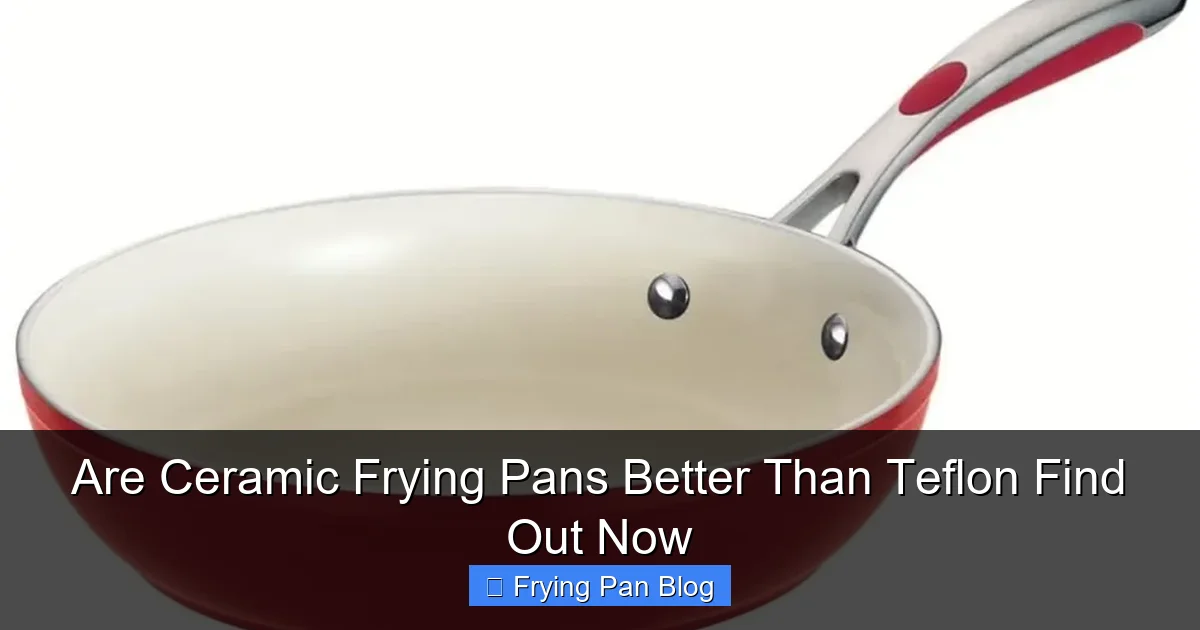
Visual guide about Are Ceramic Frying Pans Better Than Teflon Find Out Now
Image source: therationalkitchen.com
What Is Ceramic Coating?
Ceramic coatings are made from mineral-based materials, often derived from sand. These coatings provide a non-stick surface without using synthetic chemicals like PTFE or PFOA. Ceramic pans are sometimes marketed as a “green” or safer alternative to traditional non-stick cookware.
Non-Stick Performance Comparison
Both pans offer excellent non-stick properties when new. Teflon pans tend to have a smoother and slicker surface, making flipping pancakes or eggs easier. Ceramic pans are also very effective but can be slightly less slick, especially after repeated use.
Health and Safety: What You Need to Know
Chemicals in Teflon Pans
Traditional Teflon coatings contain PTFE and sometimes PFOA, a chemical phased out due to health concerns. When overheated above 500°F (260°C), Teflon can release fumes that may cause flu-like symptoms known as “polymer fume fever.”
Are Ceramic Pans Safer?
Ceramic coatings are free from PTFE and PFOA, making them a healthier choice for many people worried about chemical exposure. They withstand higher heat without releasing harmful fumes, reducing safety worries during cooking.
Practical Safety Tips
- Always cook Teflon pans on medium or low heat to avoid overheating.
- Use wooden or silicone utensils to prevent scratching the coating.
- Replace pans when the coating shows signs of wear or peeling.
Durability and Maintenance
How Long Does Each Pan Last?
Teflon pans typically last 3-5 years with proper care, as their coating can chip or wear down over time. Ceramic pans may wear faster, especially if exposed to high heat or abrasive cleaning, often lasting around 1-3 years.
Cleaning Tips for Longevity
- Handwash both types with mild detergent and a soft sponge.
- Avoid abrasive scrubbers or metal utensils that can damage the coating.
- For ceramic pans, avoid sudden temperature changes to prevent cracking.
Scratch Resistance
Ceramic coatings are generally more resistant to scratches than Teflon. This makes them a better option if you tend to cook with metal utensils or want a pan that can handle a bit more rough use.
Cooking Performance and Versatility
Heat Tolerance
Ceramic pans can tolerate higher temperatures, often up to 450-500°F, making them suitable for searing and frying at higher heat. Teflon pans should be kept below 400-450°F to protect the coating.
Flavor and Food Release
Both pans prevent food from sticking well, but some cooks feel ceramic pans provide a more natural cooking experience without the “slick” feel of Teflon. This can affect the texture and browning of foods like meats and vegetables.
Use Cases and Practical Examples
- For eggs and pancakes: Teflon pans glide effortlessly for delicate items.
- For searing meats: Ceramic pans handle higher heat for better crust formation.
- For everyday use: Both pans shine, but ceramic is often preferred for health-conscious cooks.
Environmental and Cost Considerations
Eco-Friendliness
Ceramic coatings are often touted as environmentally friendly because they do not use harmful fluorochemicals. Teflon production has a larger environmental footprint, though newer formulations have reduced harmful substances.
Price Differences
Ceramic frying pans are generally affordable and offer good value for money. Teflon pans vary widely in price depending on brand and quality, with some high-end models costing significantly more.
Which Should You Buy?
If budget and health are top priorities, ceramic pans are a strong contender. For those focused on long-term durability and ultra-slick non-stick performance, high-quality Teflon pans may be worth the investment.
Conclusion: So, Are Ceramic Frying Pans Better Than Teflon?
Both ceramic and Teflon frying pans have their place in the kitchen. Ceramic pans excel in safety, heat tolerance, and eco-friendliness, making them ideal for health-conscious cooks and those who want a more natural cooking experience.
Teflon pans offer superior initial non-stick performance and typically last longer if properly cared for, which might appeal to those who prioritize convenience and durability. Ultimately, the best choice depends on your cooking habits, budget, and what features matter most to you.
By understanding the differences and practical uses of each, you can confidently pick the frying pan that fits your kitchen style perfectly.
🎥 Related Video: The Truth About Non-Stick Pans: Ceramic vs. Teflon
📺 Prudent Reviews
There’s a lot of debate over which non-stick pans are better. The makers of Teflon will tell you their coating performs better and …
Frequently Asked Questions
Are ceramic frying pans truly non-stick?
Yes, ceramic frying pans provide a non-stick surface due to their smooth mineral-based coating. However, their slickness may decrease slightly over time compared to Teflon pans.
Is Teflon harmful to health?
Teflon itself is considered safe at normal cooking temperatures. However, overheating Teflon pans above 500°F can release fumes that may cause flu-like symptoms, so it’s important to cook at moderate heat.
Can I use metal utensils on ceramic pans?
While ceramic pans are more scratch-resistant than Teflon, it’s still best to avoid metal utensils to prolong the coating’s life and maintain non-stick properties.
Which pan heats up faster, ceramic or Teflon?
Both pans heat up quickly, but ceramic pans can handle higher heat without damage, making them better for searing and high-temperature cooking.
How do I clean ceramic frying pans?
Clean ceramic pans with warm soapy water and a soft sponge. Avoid abrasive cleaners or scouring pads to prevent damaging the coating.
Are ceramic pans more environmentally friendly than Teflon?
Yes, ceramic coatings are generally considered more eco-friendly because they do not contain harmful fluorochemicals used in Teflon production.