How to Buy a Good Non Stick Frying Pan for Perfect Cooking Results

Looking for the perfect non stick frying pan? This guide will help you choose the best pan by covering key factors like material, coating, size, and durability. With our tips, you’ll cook like a pro and enjoy easy cleanup every time.
Key Takeaways
- Choose the right material: Aluminum and stainless steel bases affect heat distribution and durability.
- Check the non stick coating: Look for durable coatings like ceramic or PTFE for long-lasting non stick performance.
- Pick the right size: Consider your cooking needs and kitchen space when selecting pan size.
- Handle comfort matters: A sturdy, heat-resistant handle improves safety and ease of use.
- Oven and dishwasher compatibility: Verify if your pan suits your cooking and cleaning preferences.
- Maintenance and care: Proper cleaning extends the lifespan of your non stick pan.
- Budget wisely: Balance quality and price for the best value non stick frying pan.
How to Buy a Good Non Stick Frying Pan for Perfect Cooking Results
Buying a good non stick frying pan can make a big difference in your cooking experience. Whether you’re frying eggs, sautéing vegetables, or making pancakes, the right pan helps you cook evenly and clean up easily. In this guide, you will learn how to pick a non stick frying pan that fits your needs and budget. We’ll cover everything from materials and coatings to size and care tips. By the end, you’ll be ready to choose a pan that delivers perfect cooking results every time.
Step 1: Understand the Types of Non Stick Coatings
What is Non Stick Coating?
Non stick coatings prevent food from sticking to the pan’s surface, making cooking and cleaning easier. The most common types are PTFE (like Teflon) and ceramic coatings.
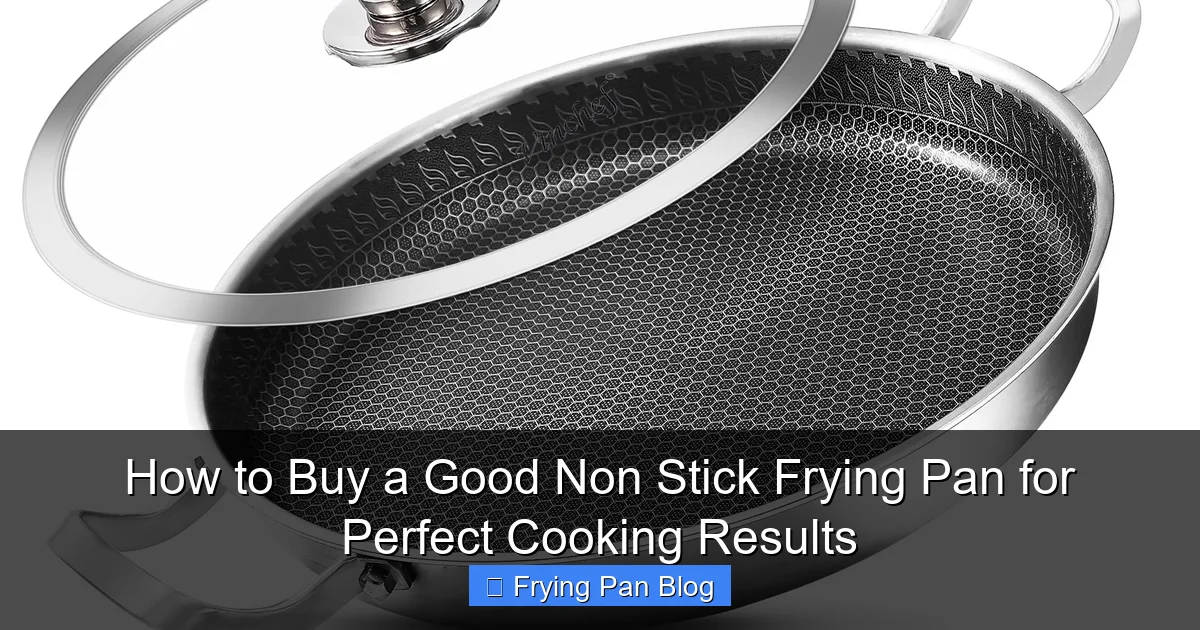
Visual guide about How to Buy a Good Non Stick Frying Pan for Perfect Cooking Results
Image source: m.media-amazon.com
PTFE Coatings
PTFE (Polytetrafluoroethylene) coatings are very effective at preventing sticking. They are smooth and require less oil for cooking. However, they can wear out with time, especially if scratched by metal utensils.
Ceramic Coatings
Ceramic non stick coatings are made from natural materials. They are free of PTFE and PFOA chemicals and can handle higher temperatures. Ceramic pans are a good eco-friendly alternative but may lose their non stick properties faster than PTFE.
Tips
- Choose PTFE-coated pans for everyday cooking and easy maintenance.
- Opt for ceramic if you want a chemical-free option and cook at high heat.
- Avoid pans with damaged coatings to prevent food sticking and health risks.
Step 2: Pick the Right Base Material
Aluminum
Aluminum pans heat up quickly and evenly. They are lightweight and affordable but can warp if exposed to high heat abruptly. Most non stick pans use aluminum as their base.
Stainless Steel
Stainless steel bases are durable and resist warping. They often have an aluminum core for better heat conduction. These pans tend to be heavier and pricier but last longer.
Tips
- If you want lightweight and quick heating, aluminum is a great choice.
- For durability and even heat, look for stainless steel with an aluminum core.
- Consider your cooking habits: heavy pans work well on stable stovetops.
Step 3: Choose the Appropriate Size and Shape
Size
Non stick frying pans come in various sizes, typically 8 to 12 inches in diameter. A smaller pan (8-10 inches) is perfect for cooking small meals or single servings. Larger pans (11-12 inches) suit families or larger portions.
Shape
Look for pans with gently sloped sides for easy flipping and stirring. Some pans have straight sides, which are better for frying but less ideal for tossing food.
Tips
- Assess how many people you cook for regularly.
- Consider your storage space to avoid bulky pans.
- Choose sloped sides for versatility.
Step 4: Check the Handle Design
Material and Comfort
Handles are usually made of metal, plastic, or silicone-coated materials. Heat-resistant handles keep your hands safe during cooking.
Attachment
Look for securely riveted handles instead of glued ones for durability.
Tips
- Try holding the pan in-store to check comfort and grip.
- Choose a handle that stays cool on the stovetop.
- Long handles offer better control; some pans also have helper handles.
Step 5: Consider Compatibility and Versatility
Stovetop Compatibility
Ensure your pan works with your stovetop type — gas, electric, induction, or ceramic. Not all non stick pans are induction-compatible.
Oven Use
Some pans are oven-safe up to certain temperatures. This is handy for recipes that start on the stove and finish in the oven.
Dishwasher Safety
While many non stick pans claim dishwasher safety, hand washing is often recommended to preserve the coating longer.
Tips
- Check manufacturer instructions for stovetop and oven compatibility.
- Consider how you like to clean pans when choosing dishwasher-safe options.
Step 6: Inspect Build Quality and Brand Reputation
Look for Quality Details
Check for even coating coverage, sturdy construction, and a flat base for even heat distribution.
Brand and Warranty
Choose reputable brands that offer warranties or satisfaction guarantees. This can save money if the pan wears out prematurely.
Tips
- Read online reviews from verified buyers.
- Trust brands known for kitchen cookware quality.
- Look for at least a 1-2 year warranty.
Step 7: Maintain Your Non Stick Frying Pan Properly
Cleaning
Wash your pan with warm soapy water and a soft sponge. Avoid abrasive scrubbers that damage the coating.
Cooking Tips
Use wooden, silicone, or plastic utensils to prevent scratches. Avoid cooking sprays, which can build up residue.
Storage
Stack pans carefully or use pan protectors to avoid surface damage.
Tips
- Season your pan occasionally if recommended by the manufacturer.
- Do not overheat an empty pan, as this can degrade the coating.
Troubleshooting Common Issues
Food Sticking Despite Non Stick
This can happen if the coating is worn or scratched. Try re-seasoning the pan if possible or replace it if damage is severe.
Uneven Heating or Hot Spots
Check if the pan’s base is warped. A flat, heavy base ensures even heat distribution.
Handle Getting Hot
Use oven mitts or replace the pan if the handle is not heat-resistant enough for your cooking style.
Conclusion
Buying a good non stick frying pan is all about understanding your cooking needs and the pan’s features. From choosing the right coating and material to picking the perfect size and caring for it properly, each step matters. With this guide, you’re equipped to find a non stick frying pan that delivers perfect cooking results and lasts for years. Happy cooking!
🎥 Related Video: Don't Waste Money on Trendy Pans (Sponsored by Hestan)
📺 TriggTube
Includes Paid Promotion – Don’t waste your money on trendy pans. Buying a cookware set is a BIG decision. Ideally you’re buying …
