Are Frying Pans Stainless Steel The Best Choice for Cooking

Frying pans stainless steel are a popular choice for many home cooks due to their durability, heat distribution, and versatility. While they may require a bit more care than non-stick pans, stainless steel pans offer excellent cooking performance and can last a lifetime with proper use.
Key Takeaways
- Durability: Stainless steel frying pans are highly durable and resist rust, scratches, and dents.
- Heat Distribution: Many stainless steel pans feature layered bases that provide even heating for better cooking results.
- Versatility: These pans handle high heat well, making them ideal for searing, sautéing, and deglazing.
- Maintenance: They require proper seasoning and cleaning techniques to avoid food sticking and maintain shine.
- Non-reactive Surface: Stainless steel doesn’t react with acidic foods, preserving flavors and preventing discoloration.
- Cost Consideration: Quality stainless steel pans can be pricier but offer long-term value.
- Not Non-Stick: Unlike non-stick pans, stainless steel needs oil or butter to prevent sticking.
📑 Table of Contents
- Are Frying Pans Stainless Steel The Best Choice for Cooking?
- What Makes Stainless Steel Frying Pans Unique?
- How Do Stainless Steel Frying Pans Perform in Cooking?
- Maintenance and Care for Stainless Steel Pans
- Comparing Stainless Steel to Other Frying Pan Materials
- Practical Tips for Using Stainless Steel Frying Pans
- Is a Stainless Steel Frying Pan Right for You?
- Conclusion
Are Frying Pans Stainless Steel The Best Choice for Cooking?
When it comes to choosing the right frying pan, many cooks wonder if frying pans stainless steel are the ultimate option. These pans have been a kitchen staple for decades and are praised for their strength and cooking versatility. But are they really the best choice for your cooking needs? Let’s dive into what makes stainless steel pans special and how they perform in everyday use.
From professional chefs to home cooks, stainless steel frying pans have earned a reputation for reliability. However, with so many materials on the market—non-stick, cast iron, ceramic—it’s worth understanding the pros and cons before investing. This guide will help you decide if frying pans stainless steel fit your cooking style, budget, and maintenance preferences.
What Makes Stainless Steel Frying Pans Unique?
The Composition of Stainless Steel
Stainless steel is an alloy composed mainly of iron, chromium, and sometimes nickel. This combination creates a surface that resists rust and corrosion. For frying pans, manufacturers often use layers of stainless steel bonded with aluminum or copper to improve heat conduction, since stainless steel alone is not the best heat conductor.
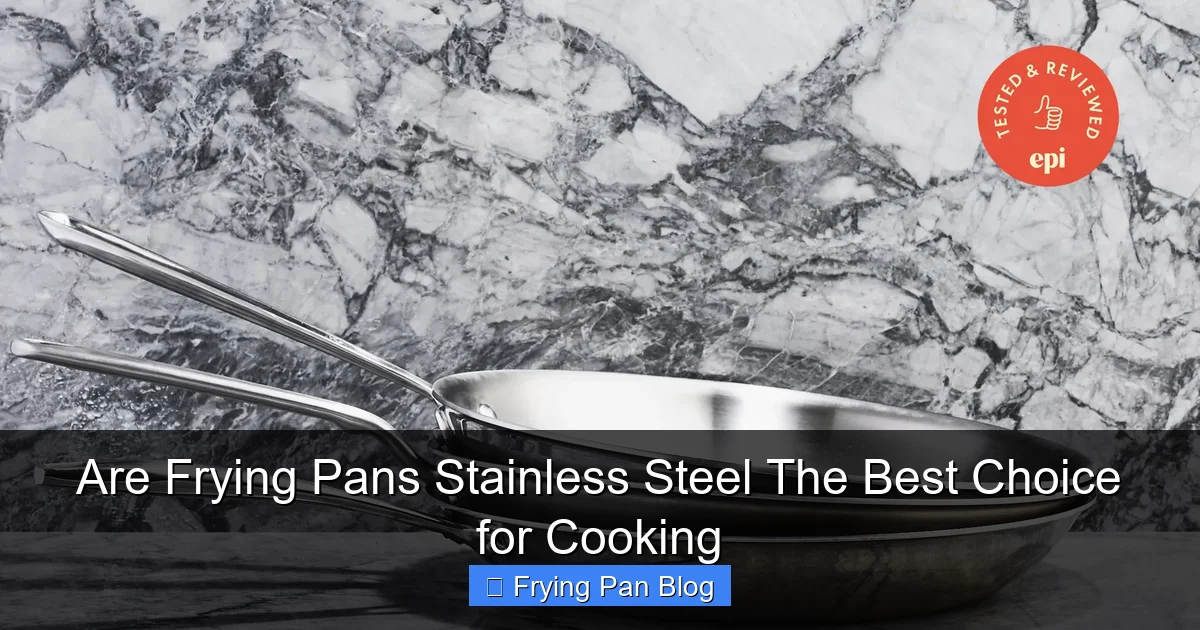
Visual guide about Are Frying Pans Stainless Steel The Best Choice for Cooking
Image source: assets.epicurious.com
Durability and Longevity
One of the biggest advantages of frying pans stainless steel is their durability. These pans stand up to scratches, dings, and dishwasher cycles much better than many other materials. This makes them a long-term investment for your kitchen. With proper care, a stainless steel frying pan can last for decades without warping or losing performance.
Non-Reactive Surface
Unlike some metals, stainless steel doesn’t react with acidic or alkaline foods. This means you can cook tomato sauces, citrus-based dishes, or vinegar-rich recipes without worrying about metallic tastes or discoloration. This non-reactive quality helps preserve the natural flavors of your food.
How Do Stainless Steel Frying Pans Perform in Cooking?
Heat Distribution and Retention
High-quality frying pans stainless steel often feature a multi-ply base—layers of stainless steel and aluminum or copper—that promote even heat distribution. This helps prevent hot spots, so your food cooks uniformly. The pans also retain heat well, which is great for searing meats or sautéing vegetables.
Cooking Techniques Best Suited for Stainless Steel
These pans excel at high-heat cooking methods. Searing steaks, pan-frying chicken, or reducing sauces are all perfect uses. Because you can use metal utensils without damaging the surface, stainless steel pans are versatile tools in the kitchen.
Handling Food Sticking Issues
One common concern with stainless steel pans is food sticking. Unlike non-stick pans, stainless steel requires a bit of technique to prevent sticking. Preheating the pan properly and using enough oil or butter is key. When the pan is hot enough, the food naturally releases more easily. Additionally, letting meat form a crust before flipping helps avoid tearing or sticking.
Maintenance and Care for Stainless Steel Pans
Cleaning Tips
Cleaning frying pans stainless steel is straightforward but requires attention. Avoid abrasive cleaners that can dull the finish. Instead, soak the pan in warm, soapy water after use, and use a soft sponge or nylon scrubber. For stubborn stains or burnt-on food, a paste of baking soda and water or a specialized stainless steel cleaner works well.
Removing Discoloration
Sometimes stainless steel pans develop rainbow-colored spots from high heat exposure. These don’t affect cooking but can be removed with vinegar or a stainless steel polish. Regular cleaning helps maintain the pan’s shiny appearance.
Seasoning Stainless Steel Pans
While stainless steel pans aren’t traditionally seasoned like cast iron, a light seasoning can improve their non-stick properties. Heat the pan, add a small amount of oil, and let it cool before wiping out excess. This creates a smoother surface that helps food release better.
Comparing Stainless Steel to Other Frying Pan Materials
Stainless Steel vs. Non-Stick
Non-stick pans offer effortless food release and easy cleaning but tend to be less durable. The coating can wear off over time, and they usually don’t tolerate high heat as well as stainless steel. Stainless steel pans require more care but offer superior longevity and higher-heat cooking options.
Stainless Steel vs. Cast Iron
Cast iron pans excel at heat retention and develop a natural non-stick surface with seasoning. However, they are heavier and require maintenance to prevent rust. Stainless steel pans are lighter, dishwasher safe, and don’t require seasoning, making them more convenient for many users.
Stainless Steel vs. Ceramic
Ceramic pans provide a non-stick surface without synthetic coatings, but they can chip or wear out more quickly. Stainless steel pans are tougher and more versatile but need oil or butter to prevent sticking.
Practical Tips for Using Stainless Steel Frying Pans
Preheat Properly
Always preheat your stainless steel pan before adding oil or food. To test, sprinkle a few drops of water onto the surface; if they dance and evaporate quickly, the pan is ready.
Use the Right Fat
Choose oils with high smoke points like canola, avocado, or grapeseed oil for frying. Butter adds flavor but can burn at high heat unless combined with oil.
Don’t Crowd the Pan
Give food enough space to cook evenly. Overcrowding traps moisture and causes steaming instead of searing.
Use Metal Utensils with Confidence
Unlike non-stick pans, stainless steel pans can handle metal spatulas and whisks without damage.
Is a Stainless Steel Frying Pan Right for You?
If you value durability, versatility, and are willing to invest a bit of time in proper cooking techniques, frying pans stainless steel may be the perfect fit. They perform exceptionally well for a wide range of cooking tasks and can last a lifetime.
However, if you prefer fuss-free cooking with minimal cleanup or mainly cook delicate eggs and pancakes, a non-stick pan might better suit your needs.
Ultimately, many cooks find that having both stainless steel and non-stick pans in their kitchen gives them the flexibility to tackle any recipe with confidence.
Conclusion
Frying pans stainless steel offer many benefits that make them a great choice for both amateur and professional kitchens. Their durability, heat control, and non-reactive properties stand out as major advantages. While they require a bit more attention to prevent sticking and maintain their appearance, the cooking results and longevity make them worthwhile.
By understanding how to use and care for stainless steel pans properly, you can enjoy healthier, tastier meals and develop essential cooking skills. Whether searing a juicy steak, sautéing fresh vegetables, or simmering a rich sauce, stainless steel frying pans can be your trusted kitchen companion.
So next time you’re shopping for cookware, consider frying pans stainless steel as a versatile and reliable option that can elevate your cooking experience.
🎥 Related Video: Make Your Stainless Steel Pan Nonstick
📺 ZWILLING USA
Nervous about using your stainless-steel pan? It all comes down to preheating it properly and conducting the water test. Minimal …
Frequently Asked Questions
Are frying pans stainless steel good for searing meat?
Yes, stainless steel frying pans are excellent for searing meat because they can withstand high heat and provide even heat distribution. This helps create a flavorful crust while locking in juices.
Do stainless steel frying pans stick easily?
Food can stick to stainless steel pans if not used properly. Preheating the pan and using enough oil or fat helps prevent sticking. Allowing food to form a crust before flipping also reduces sticking.
Can I use metal utensils on stainless steel pans?
Yes, one of the advantages of stainless steel frying pans is their durability. You can safely use metal utensils without scratching or damaging the surface.
How do I clean burnt food off a stainless steel pan?
Soak the pan in warm, soapy water and use a soft scrubber to remove residue. For tougher stains, a paste of baking soda and water or a stainless steel cleaner can help lift burnt food without damaging the pan.
Are stainless steel frying pans dishwasher safe?
Most stainless steel frying pans are dishwasher safe, but hand washing is recommended to maintain their shine and performance over time. Harsh dishwasher detergents can dull the finish.
Can I use stainless steel pans for acidic foods?
Yes, stainless steel pans are non-reactive, so they won’t alter the taste or color of acidic foods like tomato sauce or lemon-based dishes. This makes them versatile for many recipes.