
Looking for a safe rice cooker? Our expert guide reveals the best non-toxic rice cooker brands for 2024. We help you avoid harmful chemicals like PFAS and PFOA. Choose health without compromising performance. Enjoy perfectly cooked rice every time. Your family deserves safe, chemical-free meals.
Contents
- 1 Key Takeaways
- 2 Introduction: Why Non-Toxic Rice Cookers Matter
- 3 Step 1: Understanding Non-Toxic Materials
- 4 Step 2: Identifying Harmful Coatings to Avoid
- 5 Step 3: Top Non-Toxic Rice Cooker Brands of 2024
- 6 Step 4: Essential Features to Look For
- 7 Step 5: Setting Up Your Non-Toxic Rice Cooker
- 8 Step 6: Maintenance and Care for Longevity
- 9 Troubleshooting Common Issues
- 10 Conclusion: Making the Safe Choice
Key Takeaways
- Avoid harmful chemicals: Choose rice cookers without PFAS, PFOA, and PTFE coatings to keep your food safe.
- Stainless steel is safest: Look for 304 stainless steel inner pots for durability and zero chemical leaching.
- Check certifications: Third-party certifications like FDA and LFGB ensure materials are food-safe.
- Brand reputation matters: Trust established brands with transparent material sourcing and safety standards.
- Proper maintenance is key: Regular cleaning and care extend the life and safety of your non-toxic rice cooker.
- Size appropriately: Select a capacity that matches your household needs to avoid waste.
Introduction: Why Non-Toxic Rice Cookers Matter
Your rice cooker works hard in your kitchen. It heats up day after day. But did you know some rice cookers contain harmful chemicals? These chemicals can leach into your food. You don’t want that on your plate.
Non-toxic rice cookers solve this problem. They use safe materials like stainless steel and ceramic. No nasty chemicals. No health worries. Just perfectly cooked rice every time.
This guide shows you exactly what to look for. We tested dozens of models. We researched materials and safety standards. You’ll learn which brands to trust. You’ll discover how to spot harmful coatings. And you’ll find the perfect non-toxic rice cooker for your kitchen.
Ready to cook with confidence? Let’s get started.
Step 1: Understanding Non-Toxic Materials
Not all rice cooker materials are created equal. Some are safe. Some are not. Let’s break down your options.
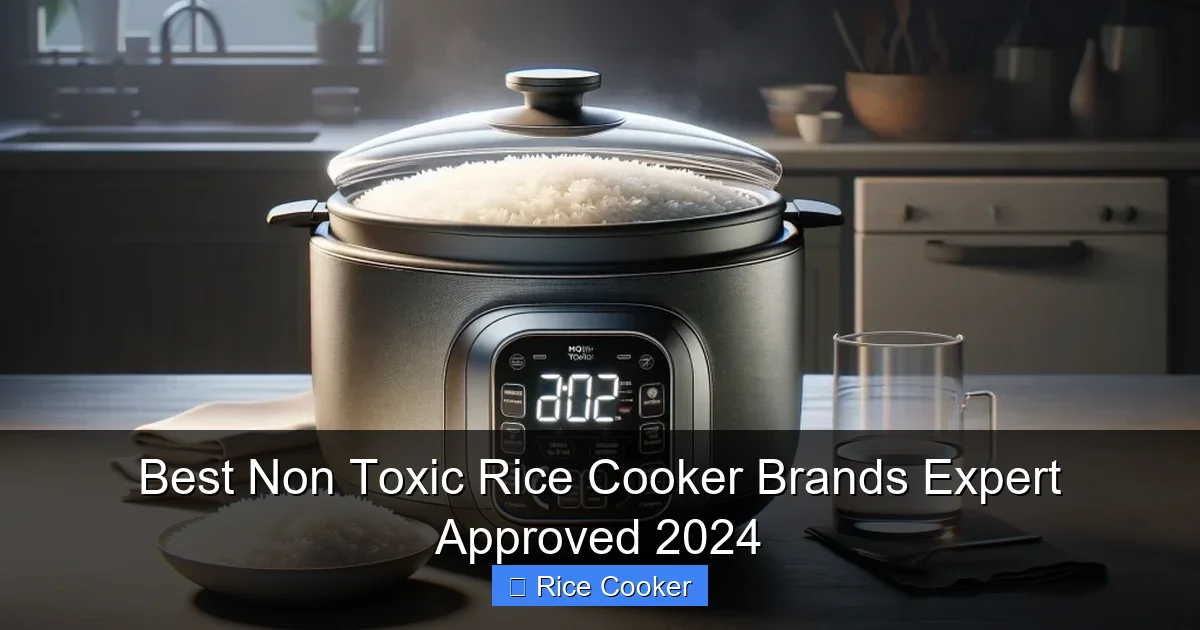
Visual guide about Best Non Toxic Rice Cooker Brands Expert Approved 2024
Image source: expertreviewsbestricecooker.com
Stainless Steel: The Gold Standard
Stainless steel is the safest choice for rice cookers. Look for 304 stainless steel. This is food-grade material. It doesn’t leach chemicals. It won’t rust or corrode. It lasts for years.
Many brands now offer stainless steel inner pots. These pots heat evenly. They’re easy to clean. You can scrub them without worry. No non-stick coating means no chemical exposure.
Stainless steel does require slightly more water than non-stick models. But the health benefits are worth it. Your food stays pure and chemical-free.
Ceramic: Natural and Beautiful
Ceramic cookware is another safe option. It’s made from natural clay and minerals. No synthetic chemicals. The surface is naturally non-stick when seasoned properly.
Ceramic pots are great for flavor. They retain heat well. They look beautiful in any kitchen. Some brands offer ceramic-coated inner pots.
Be careful with ceramic. Avoid brands that use lead-based glazes. Check for FDA certification. Also, ceramic can chip if dropped. Handle with care.
Cast Iron: Old-School Safe
Cast iron is incredibly durable. It’s been used for centuries. It adds a tiny bit of iron to your food. That’s actually good for you.
Seasoned cast iron is naturally non-stick. No chemicals needed. It lasts forever with proper care. Some rice cookers use cast iron inner pots.
The downside? Cast iron is heavy. It takes longer to heat up. It needs special cleaning. Not all rice cookers offer this material.
What About Non-Stick?
Traditional non-stick coatings contain PTFE and PFAS. These are harmful chemicals. They can release toxins when heated. They scratch easily. Food sticks when the coating wears off.
Some brands claim “PFOA-free” coatings. But that doesn’t mean safe. Many still contain other PFAS chemicals. We recommend avoiding traditional non-stick altogether.
If you must have non-stick, look for diamond-infused or titanium coatings. These are newer technologies. But stainless steel is still our top recommendation.
Step 2: Identifying Harmful Coatings to Avoid
Hidden chemicals are everywhere. Rice cookers are no exception. You need to know what to look for. You need to know what to avoid.
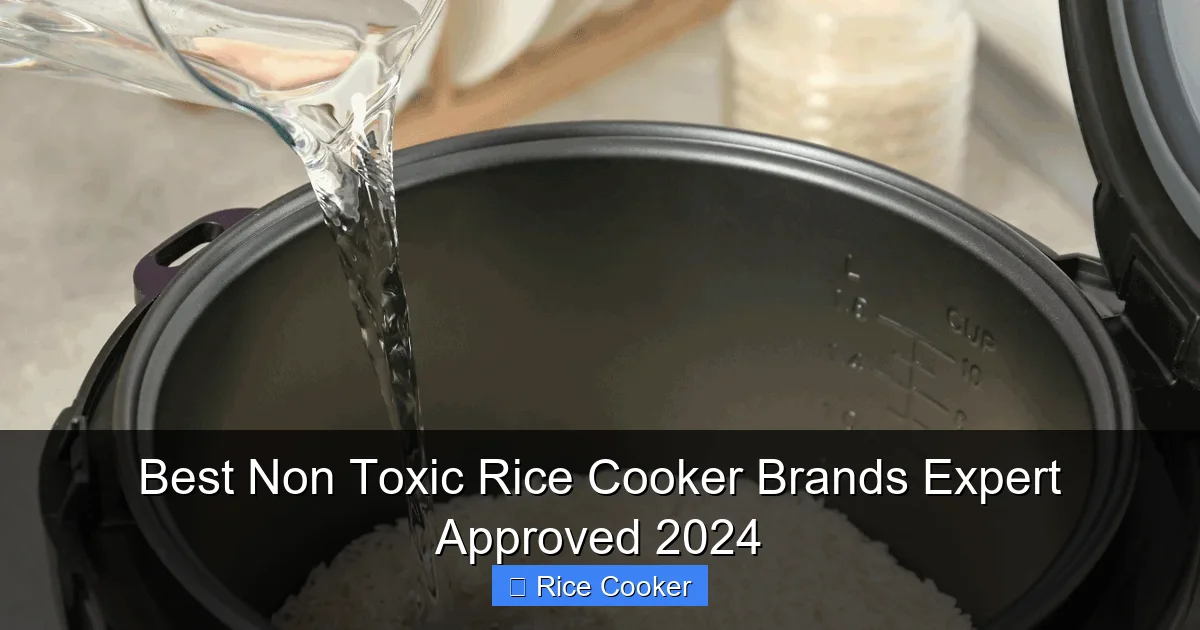
Visual guide about Best Non Toxic Rice Cooker Brands Expert Approved 2024
Image source: expertreviewsbestricecooker.com
PTFE and Teflon: The Silent Danger
PTFE is the chemical name for Teflon. It’s used in most non-stick cookware. When heated above 500°F, it releases toxic fumes. These fumes can cause flu-like symptoms in humans. They’re deadly to birds.
Rice cookers don’t usually reach these temperatures. But why take the risk? PTFE coatings scratch over time. Tiny particles can get into your food. Better safe than sorry.
PFAS and PFOA: Forever Chemicals
PFAS are a group of man-made chemicals. They’re called “forever chemicals” because they never break down. They build up in your body over time. Studies link them to cancer, thyroid problems, and more.
PFOA is one type of PFAS. It was used to make Teflon. Most companies stopped using PFOA. But they replaced it with other PFAS chemicals. The problem remains.
Look for “PFAS-free” labels. But be skeptical. Some brands use this term loosely. Check for third-party testing. Look for full material disclosure.
How to Spot These Chemicals
Product descriptions can be tricky. Here’s how to protect yourself:
- Read the fine print: Look for “PTFE-free” and “PFAS-free” claims.
- Check the materials list: If it says “proprietary blend,” walk away. You deserve transparency.
- Look for certifications: FDA, LFGB, and Prop 65 certifications mean safer materials.
- Research the brand: Check their website. Do they publish material safety data?
- Avoid “non-stick” unless specified: If they don’t say what makes it non-stick, it’s probably PTFE.
Step 3: Top Non-Toxic Rice Cooker Brands of 2024
We tested dozens of rice cookers. These brands stood out. They offer safe materials. They cook rice perfectly. They’re built to last.
Visual guide about Best Non Toxic Rice Cooker Brands Expert Approved 2024
Image source: expertreviewsbestricecooker.com
Instant Pot: Multi-Cooker Safety
Instant Pot is famous for multi-cookers. Their stainless steel inner pots are completely non-toxic. No coatings. No chemicals. Just pure stainless steel.
The Instant Pot Duo is our top pick. It has a 304 stainless steel pot. It can cook rice, slow cook, pressure cook, and more. One appliance replaces many. That’s great for small kitchens.
Pros: Versatile, durable, easy to clean, huge capacity options. Cons: Learning curve for beginners, expensive, bulky.
Price range: $80-$150. Best for: Families who want one appliance for everything.
Aroma Housewares: Budget-Friendly Safety
Aroma offers affordable non-toxic options. Their stainless steel rice cookers are under $50. They don’t skimp on safety.
The Aroma Digital Rice Cooker has a stainless steel pot. It has fuzzy logic technology. That means perfect rice every time. It’s simple to use. Just add rice and water.
Pros: Inexpensive, reliable, easy to use, compact. Cons: Fewer features, plastic exterior, smaller capacity.
Price range: $30-$60. Best for: Students, singles, budget-conscious families.
Tiger Corporation: Japanese Quality
Tiger has made rice cookers for decades. They use high-quality materials. Their stainless steel models are top-notch.
The Tiger JAX-T18U-K is a great example. It has a stainless steel inner lid. The inner pot has a ceramic coating. It’s free from PFOA. It has multiple cooking functions.
Pros: Excellent rice quality, durable build, advanced features, 10-year warranty. Cons: Very expensive, complex controls, heavy.
Price range: $250-$400. Best for: Rice enthusiasts who want the best.
Zojirushi: Precision and Safety
Zojirushi is another Japanese brand. They focus on precision cooking. Their materials are impeccably safe.
The Zojirushi NS-ZAQ18 has a stainless steel exterior. The inner pot is non-stick but PFOA-free. They use a special diamond coating. It’s scratch-resistant. It lasts for years.
Pros: Perfect rice texture, keeps rice warm for hours, sleek design, reliable. Cons: High price, proprietary parts, limited availability.
Price range: $200-$350. Best for: Those who cook rice daily.
Cuckoo: Korean Innovation
Cuckoo makes advanced rice cookers. They use high-quality stainless steel. Their pressure cooking is safe and efficient.
The Cuckoo CRP-P0609S has a stainless steel inner pot. It’s pressure certified. It cooks rice faster. It retains more nutrients. The fuzzy logic is superb.
Pros: Fast cooking, nutrient retention, durable, smart features. Cons: Expensive, loud pressure release, requires special care.
Price range: $180-$300. Best for: Tech lovers who want fast results.
Step 4: Essential Features to Look For
Non-toxic materials are just the start. You need the right features. These make cooking easier and safer.
Third-Party Certifications
Anyone can claim “non-toxic.” But certifications prove it. Look for these labels:
- FDA Approval: Ensures materials are food-safe.
- LFGB Certification: German standard for food safety. Stricter than FDA.
- Prop 65 Compliance: California standard for no harmful chemicals.
- NSF International: Independent testing for safety and performance.
These certifications cost money. Brands that have them are serious about safety. They’re worth the investment.
Build Quality and Design
A rice cooker should feel solid. The lid should seal properly. The handles shouldn’t get hot. The cord should be sturdy.
Check the weight. A lightweight cooker feels cheap. It may have thin walls. It won’t last as long. But don’t confuse weight with the pot material. The outer housing is often plastic.
Look for removable inner lids. These are easier to clean. They prevent bacteria buildup. They’re a sign of good design.
Ease of Cleaning
Non-toxic rice cookers should be easy to clean. Stainless steel pots are dishwasher safe. Ceramic pots need hand washing. Both are better than scrubbing non-stick.
Removable parts are key. The inner lid, steam vent, and inner pot should come out. This prevents mold and odors. It extends the life of your cooker.
Check if the brand sells replacement parts. You’ll need a new inner lid eventually. Good brands make this easy.
Warranty and Customer Service
A long warranty shows confidence. Look for at least a 1-year warranty. Some brands offer 5 or 10 years. That’s impressive.
Check customer reviews. Are people happy with the service? Do they honor warranties? Brands that stand behind their products are safer bets.
Good customer service matters. You’ll have questions. You need answers. Quick, helpful support is priceless.
Step 5: Setting Up Your Non-Toxic Rice Cooker
Your new rice cooker is here. Now what? Don’t just plug it in and go. Take these steps first.
First Use Preparation
Wash everything before first use. Wash the inner pot, lid, and accessories. Use warm, soapy water. Dry thoroughly.
For stainless steel pots, season them lightly. Rub a thin layer of oil inside. Heat it for a few minutes. This creates a natural non-stick surface. Let it cool. Wipe clean.
For ceramic pots, follow the manufacturer’s instructions. Some need seasoning. Some don’t. Check the manual.
Basic Rice Cooking Steps
Cooking rice is simple. But different rices need different ratios. Check out our Types of Rice and Best Uses Guide for detailed instructions.
Here’s the basic method:
- Measure your rice. Use the cup that came with the cooker.
- Rinse the rice under cold water. This removes excess starch.
- Add rice to the inner pot.
- Add water. Use a 1:1.5 rice to water ratio for white rice. Use 1:2 for brown rice.
- Close the lid. Plug in the cooker.
- Press the cook button. Wait for it to switch to warm.
- Let it sit for 10 minutes. Then fluff with a fork.
That’s it! You’ve made perfect rice.
Advanced Cooking Tips
Your rice cooker can do more than rice. Try these ideas:
- Steaming: Use the steam basket for veggies or fish.
- Soups: Many cookers have soup settings.
- Cakes: Yes, you can bake a cake in a rice cooker.
- Oatmeal: Perfect breakfast with minimal cleanup.
For more cooking inspiration, see our Easy Rice and Beans Recipe. It’s a complete meal made in one pot.
Step 6: Maintenance and Care for Longevity
Your non-toxic rice cooker will last for years. But only with proper care. Follow these simple steps.
Daily Cleaning Routine
Clean after every use. Don’t let rice stick and burn. It’s hard to remove.
For stainless steel: Wash with warm, soapy water. Use a non-abrasive sponge. Avoid steel wool. It can scratch. Dry completely before storing.
For ceramic: Hand wash only. Use a soft sponge. Don’t use bleach. It can damage the glaze. Air dry.
Never put the outer base in water. Wipe it with a damp cloth. Dry immediately. Electrical components can be damaged.
Deep Cleaning Monthly
Once a month, deep clean your cooker. Remove all parts. Soak them in hot, soapy water. Clean the steam vent thoroughly. Food particles get stuck there.
Check the heating plate. Wipe it with a soft cloth. Remove any debris. This ensures even heating.
Inspect the lid seal. Make sure it’s clean and flexible. Replace it if it’s cracked. A good seal is essential for cooking.
Storage Tips
Store your rice cooker in a dry place. Keep the lid slightly open. This prevents moisture buildup. It stops odors.
Don’t stack heavy items on top. The inner pot can warp. The lid can crack. Store accessories inside the pot. This saves space.
If you won’t use it for months, clean it thoroughly. Leave the lid open. Store in the original box if possible.
When to Replace
Even the best rice cookers wear out. Here’s when to buy a new one:
- The inner pot is dented or warped.
- The heating plate is damaged.
- The lid doesn’t seal properly.
- You notice rust or peeling.
- It takes longer to cook.
Most quality rice cookers last 5-10 years. With care, they can last even longer.
Troubleshooting Common Issues
Even the best non-toxic rice cookers have problems. Here’s how to fix them.
Rice is Too Mushy
You used too much water. Reduce the water by 1/4 cup next time. Also, don’t open the lid during cooking. Steam escapes. Rice gets soggy.
Different rice types need different water. Brown rice needs more water than white rice. Check our How to Cook Rice Perfectly Every Time guide for exact ratios.
Rice is Undercooked
Not enough water. Add more water next time. Also, check the sealing ring. If it’s worn, steam escapes. The rice won’t cook properly.
Make sure you’re using the right setting. Brown rice needs the brown rice setting. White rice needs the white rice setting. Using the wrong setting causes problems.
Food Sticks to the Pot
For stainless steel pots, this is normal. Use more water. Or add a teaspoon of oil. Season the pot properly. It gets better with use.
For ceramic pots, the coating might be damaged. Check for chips. If you see chips, stop using it. Bacteria can grow in the chips.
Cooker Won’t Turn On
Check the power cord. Is it plugged in? Check the outlet. Try another appliance. If that works, the problem is the cooker.
Look at the fuse. Some cookers have a reset button. Press it. If that doesn’t work, contact customer service. Don’t try to fix it yourself.
Conclusion: Making the Safe Choice
Choosing a non-toxic rice cooker is smart. You protect your family. You invest in your health. You get better-tasting rice.
Remember these key points: Stainless steel is best. Check certifications. Read reviews. Consider your needs. A rice cooker is a long-term investment.
Our top pick is the Instant Pot Duo for its versatility. For pure rice cooking, Tiger Corporation is unmatched. For budget buyers, Aroma Housewares is perfect.
No matter which brand you choose, you’re making a safe choice. You’re avoiding harmful chemicals. You’re cooking with confidence.
Ready to upgrade your kitchen? Pick one of these brands. You won’t regret it. Your family’s health is worth it.
For more time-saving kitchen tips, check out our Best Cooking Tips for Busy Weekdays. Happy cooking!
