
Can a Frying Pan Go in the Oven

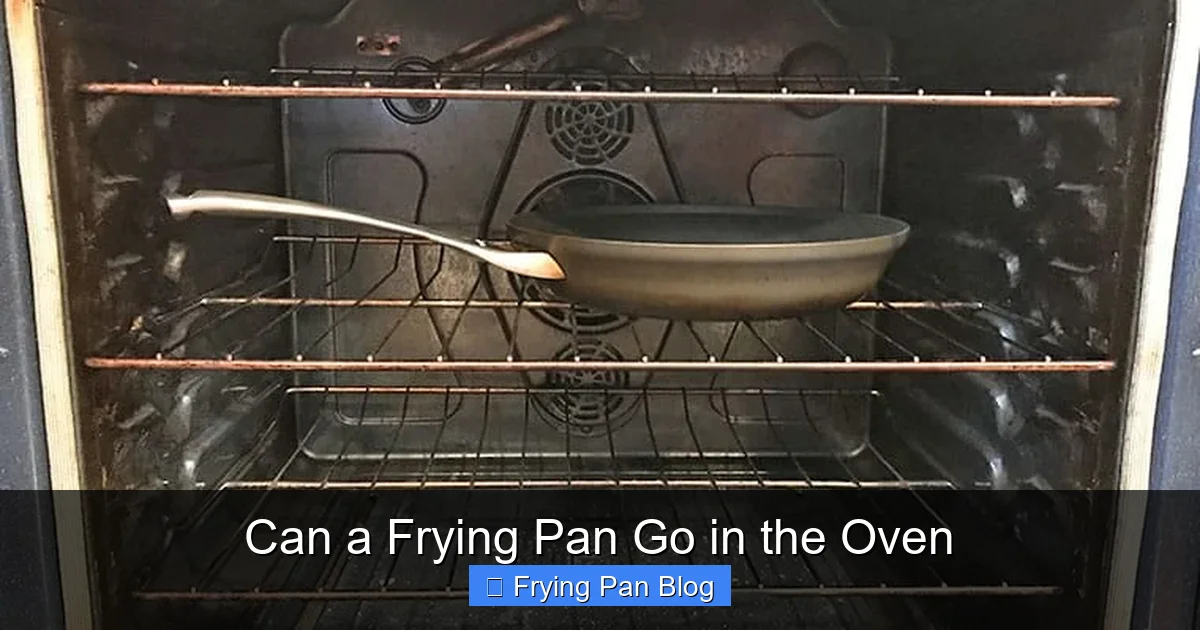
Can a frying pan go in the oven? The answer depends on the material and handle type of your pan. Many frying pans are oven-safe up to certain temperatures, but always check manufacturer guidelines to avoid damage and ensure safe cooking.
Key Takeaways
- Oven Safety Depends on Material: Cast iron, stainless steel, and some nonstick pans can usually go in the oven.
- Handle Type Matters: Metal handles are typically oven-safe, while plastic or wooden handles are not.
- Temperature Limits Vary: Most frying pans have maximum oven temperatures, often between 350°F to 500°F.
- Check Manufacturer Instructions: Always verify if your frying pan is oven-safe to avoid damage or hazards.
- Seasoning is Key for Cast Iron: Properly seasoned cast iron pans perform well in the oven and improve with use.
- Use Oven Mitts and Caution: Oven-safe pans get very hot—handle with care to prevent burns.
- Oven Use Expands Cooking Options: Using a frying pan in the oven allows for versatile recipes like searing then roasting.
📑 Table of Contents
Can a Frying Pan Go in the Oven?
Have you ever started cooking something on the stove and wondered if you could finish it in the oven using the same frying pan? It’s a common question in home kitchens. The truth is, whether a frying pan can go in the oven depends on several factors, including what the pan is made of, the type of handle it has, and the oven temperature you plan to use.
Using a frying pan in the oven can open up a world of cooking possibilities. From searing a steak on the stovetop and then finishing it in the oven to baking a frittata or roasting vegetables, the right pan can be your secret weapon. But before you toss your favorite frying pan into the oven, it’s important to know if it’s safe to do so.
In this article, we’ll explore which frying pans are oven-safe, how to identify them, and some handy tips to keep your cookware in great shape. Whether you’re a beginner or a seasoned cook, understanding your frying pan’s oven suitability is key to safe and delicious cooking.
What Makes a Frying Pan Oven-Safe?
Material Matters
The main factor determining if your frying pan can safely go in the oven is the type of material it’s made from. Here are some common materials and how they fare in the oven:
Visual guide about Can a Frying Pan Go in the Oven
Image source: prudentreviews.com
- Cast Iron: Cast iron pans are excellent for oven use. They can withstand very high temperatures, often up to 500°F or more. Their heat retention makes them perfect for dishes that require both stovetop searing and oven roasting.
- Stainless Steel: Stainless steel pans are generally oven-safe and can handle high heat well. However, check if the handles are also made of metal to ensure full oven safety.
- Aluminum: Aluminum pans can be oven-safe but usually only at lower temperatures. Anodized aluminum with metal handles fares better in the oven.
- Nonstick: Nonstick pans are more delicate. Many nonstick coatings can only withstand temperatures up to about 350°F to 400°F. High heat can damage the coating and release harmful fumes.
- Ceramic-Coated: Ceramic-coated pans typically tolerate oven heat but vary by brand. Always check manufacturer guidelines.
Handle Construction
The handle type is just as important as the pan body. Many pans have handles made of plastic, rubber, or wood, which cannot go in the oven because they will melt, burn, or crack.
- Metal Handles: Oven-safe and can handle higher temperatures.
- Wood or Plastic Handles: Not oven-safe unless specifically designed for heat resistance.
- Removable Handles: Some pans have removable handles, allowing the pan body to go in the oven safely.
How to Identify if Your Frying Pan is Oven-Safe
Check the Manufacturer’s Instructions
This is the best and safest way to know if your frying pan can go in the oven. Most brands provide clear guidelines about maximum oven temperatures and handle safety. You can often find this info on the packaging, user manual, or the manufacturer’s website.
Look for Oven-Safe Symbols
Some cookware includes symbols stamped on the bottom indicating oven safety and temperature limits. Look for a small oven icon or temperature number.
Material and Handle Inspection
If you don’t have instructions handy, examine your pan. If it’s cast iron or stainless steel with a metal handle, it’s likely oven-safe. If it has plastic or wooden parts, it’s safer to assume it’s not.
Practical Tips for Using a Frying Pan in the Oven
Preheat Your Oven Properly
Always preheat your oven to the desired temperature before placing your frying pan inside. This ensures even cooking and prevents thermal shock to the cookware.
Use Oven Mitts or Heat-Resistant Gloves
Pans in the oven get extremely hot. Never touch them with bare hands. Use thick oven mitts to avoid burns.
Don’t Exceed Temperature Limits
Respect the maximum oven temperature for your pan. Going above this can damage the pan or your kitchen.
Consider Using a Baking Sheet
If you’re worried about drips or spills, place your frying pan on a baking sheet inside the oven. This also helps with easier clean-up.
Season Cast Iron Pans Regularly
If you use a cast iron frying pan, keep it well-seasoned. This protects the pan and enhances its nonstick properties.
Common Frying Pan Materials and Their Oven Safety
Cast Iron Frying Pans
Cast iron is arguably the most versatile oven-safe frying pan material. It can go from stovetop to oven with ease. Cast iron pans can withstand very high temperatures, making them ideal for frying, roasting, and baking. Just be sure to handle with care because they become very hot.
Stainless Steel Frying Pans
Stainless steel pans with metal handles are also typically oven-safe. They don’t retain heat as well as cast iron but are great for recipes requiring quick temperature changes or acidic ingredients.
Nonstick Frying Pans
Nonstick pans are more limited. Many are oven-safe only up to about 350°F. Overheating can damage the coating and reduce the lifespan of the pan. If you want to use nonstick pans in the oven, check the label carefully.
Aluminum and Anodized Aluminum Pans
Aluminum pans are lightweight and heat quickly but may not be suitable for very high oven temperatures unless anodized and equipped with metal handles.
Recipes That Benefit from Using a Frying Pan in the Oven
Steak Searing and Roasting
Start by searing a steak on the stovetop in a cast iron skillet, then transfer the skillet to the oven to finish cooking to your preferred doneness. This method locks in flavor and gives a perfect crust.
Frittatas and Baked Eggs
Use an oven-safe frying pan to cook eggs on the stove briefly, then bake in the oven for a fluffy, evenly cooked frittata.
One-Pan Roasted Vegetables
After sautéing vegetables or aromatics on the stove, pop the pan into the oven to roast and caramelize the ingredients perfectly.
Skillet Desserts
Many dessert recipes, like skillet cookies or cobblers, start on the stove and finish in the oven using an oven-safe frying pan.
Conclusion
So, can a frying pan go in the oven? The answer is yes — but it depends on your pan’s material, handle, and temperature limits. Cast iron and stainless steel frying pans with metal handles are your best bets for safe oven use. Nonstick and pans with plastic or wooden handles usually cannot go in the oven or are limited to lower temperatures.
Always check your manufacturer’s guidelines before placing your frying pan in the oven. Using the right pan safely will expand your cooking options and help you create delicious meals with ease. Remember to use oven mitts and follow temperature limits to keep yourself and your cookware safe.
Next time you’re cooking, consider finishing your dish in the oven with your trusty frying pan — it might just become your favorite cooking technique!
🎥 Related Video: What kind of pans can go in the oven?
📺 Ask About Home & Family
Aluminum Foil Convection • What kind of pans can go in the oven? ———- Our mission is to create educational content. Therefore …
Frequently Asked Questions
Can all frying pans go in the oven?
No, not all frying pans are oven-safe. It depends on the pan’s material and handle type. Cast iron and stainless steel pans with metal handles are usually safe, while pans with plastic or wooden handles typically are not.
What is the maximum oven temperature for frying pans?
Maximum temperatures vary by pan. Cast iron can usually handle up to 500°F or more. Nonstick pans often have limits around 350°F to 400°F. Always check the manufacturer’s instructions.
Are nonstick frying pans safe to use in the oven?
Some nonstick pans are oven-safe but only up to moderate temperatures. High heat can damage the coating and release harmful fumes. Check the pan’s label before using it in the oven.
Can I put a frying pan with a plastic handle in the oven?
Generally, no. Plastic handles can melt or get damaged in the oven. Unless the pan’s manufacturer specifies that the handle is oven-safe, avoid putting it in the oven.
How do I safely transfer a frying pan from the stovetop to the oven?
Use oven mitts or heat-resistant gloves to handle the pan. Make sure the pan is oven-safe and preheat the oven before placing the pan inside. Avoid sudden temperature changes to prevent warping.
Can I use a cast iron frying pan as a baking dish in the oven?
Yes! Cast iron pans are excellent for baking and roasting. They distribute heat evenly and retain it well, making them perfect for dishes like cornbread, frittatas, and even cakes.
