Can a Non Stick Frying Pan Be Recoated

Can a non stick frying pan be recoated? Yes, it is possible, but it depends on the pan’s material and coating type. Recoating can extend the life of your pan, but it often requires professional service and careful maintenance to keep the non-stick surface effective.
Key Takeaways
- Recoating is possible: Non stick frying pans can be recoated, but not all types are suitable for DIY recoating.
- Professional recoating is recommended: Experts use specialized equipment to ensure a durable and safe finish.
- Cost vs. replacement: Recoating can be expensive, so sometimes buying a new pan is more practical.
- Surface preparation is key: Proper cleaning and sanding are crucial for recoating success.
- Types of coatings matter: PTFE-based, ceramic, and other coatings have different recoating options.
- Maintenance extends lifespan: Gentle use and cleaning help preserve the non-stick surface longer.
- DIY options are limited: Home recoating kits exist but often don’t match professional results.
📑 Table of Contents
Introduction
Non stick frying pans are kitchen heroes. They make cooking easier and clean-up faster. But over time, the non-stick surface can wear off, peel, or get damaged. When that happens, many people wonder: can a non stick frying pan be recoated? It’s a great question because replacing a pan can be costly, and recycling or disposing of old pans feels wasteful.
In this article, we’ll explore whether non stick frying pans can be recoated, how the process works, and what options you have. Whether you’re a home cook or a kitchen enthusiast, knowing how to extend your pan’s life can save money and reduce waste. Let’s dive in!
Understanding Non Stick Coatings
What is a Non Stick Coating?
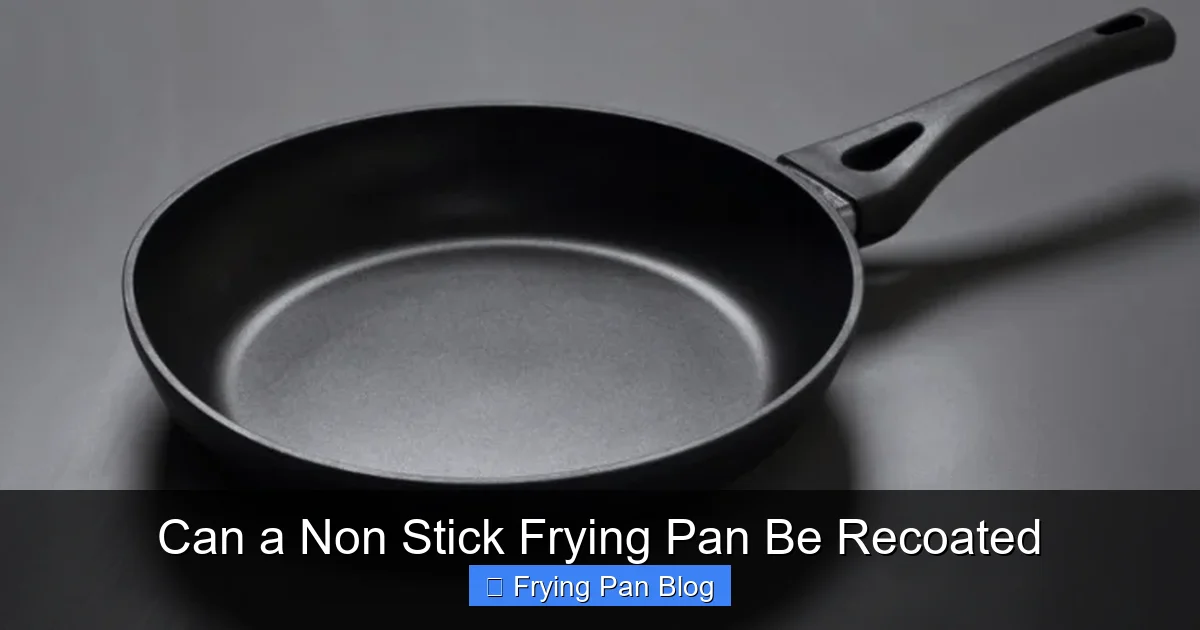
A non stick coating is a special layer applied to frying pan surfaces to prevent food from sticking. The most common type is PTFE (polytetrafluoroethylene), often known by the brand name Teflon. Other coatings include ceramic and silicone-based options.
Visual guide about Can a Non Stick Frying Pan Be Recoated
Image source: worldofpans.com
How Do Non Stick Coatings Wear Out?
Despite their convenience, non stick coatings aren’t permanent. They can wear down due to:
- High heat damage
- Scratches from metal utensils
- Abrasive cleaning tools
- Age and repeated use
When the surface starts flaking or losing its smoothness, it affects cooking performance and can cause safety concerns.
Can a Non Stick Frying Pan Be Recoated?
The Possibility of Recoating
Yes, non stick frying pans can be recoated, but it’s not always simple. The original coating must be removed, and a new layer applied professionally. This process isn’t typically DIY-friendly because it requires special tools and materials.
Factors Affecting Recoating
- Pan Material: Aluminum pans are easier to recoat than stainless steel or cast iron.
- Type of Coating: PTFE coatings can be reapplied by professionals, but ceramic coatings may require different methods.
- Condition of Pan: If the pan is warped or damaged, recoating may not be effective.
- Cost of Recoating: Sometimes, the cost approaches or exceeds buying a new pan.
The Recoating Process Explained
Step 1: Stripping the Old Coating
The first step is safely removing the worn non-stick layer. This involves sanding or chemical stripping to get back to the bare metal surface. Professionals take care to avoid damaging the pan itself during this stage.
Step 2: Surface Preparation
Once stripped, the pan surface is cleaned and sometimes sandblasted to create a rough texture. This helps the new coating adhere better, ensuring durability.
Step 3: Applying the New Coating
The new non stick coating is sprayed or brushed onto the pan and then cured at high temperatures. This process bonds the coating to the metal surface.
Step 4: Quality Check
After curing, the pan is inspected for even coverage and smoothness. Only then is it considered ready for use.
DIY Recoating vs. Professional Recoating
Home Recoating Kits
Some brands sell DIY non stick repair kits. These involve cleaning, applying a resin or spray-on coating, and baking the pan at home. While these kits can improve minor scratches, they typically don’t restore full non-stick performance and durability.
When to Choose Professional Recoating
For a long-lasting fix, professional recoating is best. They use industrial-grade coatings and equipment. However, it’s important to find reputable services with experience in cookware recoating.
Cost Considerations
DIY kits cost around $10-$30 but provide limited results. Professional recoating costs vary from $50 to $150 or more depending on pan size and coating. Sometimes, replacing the pan is more budget-friendly.
Maintaining Your Non Stick Pan After Recoating
Tips for Longevity
- Use wooden, silicone, or plastic utensils to avoid scratches.
- Cook on low to medium heat; avoid overheating.
- Hand wash with mild detergent; avoid abrasive scrubbers.
- Dry thoroughly to prevent rusting of bare metal edges.
- Store carefully to avoid impact damage.
Signs You May Need Recoating Again
If food starts sticking again, or if you see visible wear and peeling, it might be time to consider recoating or replacement. Regular inspection helps catch issues early.
Alternatives to Recoating Your Pan
Using a Different Pan
If recoating isn’t practical, switching to a different type of pan may be better. Cast iron or stainless steel pans don’t have coatings and can last decades with proper care.
Resurfacing with Seasoning
For cast iron or carbon steel pans, seasoning creates a natural non-stick layer. This isn’t an option for aluminum non-stick pans but is worth knowing.
Buying High-Quality Pans
Investing in pans with durable coatings or ceramic alternatives may reduce the need for recoating in the future.
Conclusion
So, can a non stick frying pan be recoated? The answer is yes, but it depends on your pan’s material, coating type, and condition. Professional recoating offers the best results but can be costly. DIY options exist but usually provide only minor improvements.
Before deciding, weigh the cost and effort of recoating against buying a new pan. Also, practicing good care will extend your pan’s life significantly. Whatever you choose, understanding your options helps you make the best decision for your kitchen and budget.
If you love your pan and want to keep cooking with ease, recoating can be a viable option worth exploring.
Frequently Asked Questions
Can I recoat my non stick pan at home?
You can try DIY recoating kits available on the market, but these often provide limited results and don’t match professional recoating quality.
How much does professional recoating cost?
Professional recoating typically costs between $50 and $150 depending on the pan size and coating type.
Is recoating safe for cooking?
Yes, if done professionally using food-safe coatings. Avoid recoating methods that use unknown or non-food-safe materials.
How long does a recoated pan last?
A professionally recoated pan can last several years with proper care, but it won’t last forever and may require maintenance over time.
Can all non stick pans be recoated?
No, some pans, especially those with damaged bases or certain coating types, may not be suitable for recoating.
What are some tips to extend the life of a non stick pan?
Use low to medium heat, avoid metal utensils, hand wash gently, and store carefully to prevent scratches and damage.