
This guide explains how rice cooker works in simple terms. You’ll learn the science behind the cooking process, key components, and step-by-step instructions. We cover everything from basic models to advanced fuzzy logic technology.
Contents
- 1 Key Takeaways
- 2 How Rice Cooker Works: The Complete Guide
- 3 The Simple Science Behind Rice Cookers
- 4 Inside Your Rice Cooker: Key Components
- 5 Step-by-Step: The Rice Cooking Process
- 6 Different Types of Rice and Their Cooking Needs
- 7 Advanced Features: Fuzzy Logic and Induction Heating
- 8 Troubleshooting Common Problems
- 9 Maintenance Tips for Long-Lasting Performance
- 10 Beyond Rice: Other Foods Your Cooker Can Prepare
- 11 Energy Efficiency and Cost Savings
- 12 Conclusion: Mastering Your Rice Cooker
Key Takeaways
- Simple Science: Rice cookers use basic physics – boiling water at 212°F until all moisture absorbs into the rice
- Thermostat Magic: The thermal sensor detects temperature changes and automatically switches to warm mode
- Perfect Ratios: The right water-to-rice ratio is crucial for fluffy results every time
- Time Saver: Rice cookers work unattended, freeing you up for other kitchen tasks
- Versatile Tool: Modern rice cookers can steam vegetables, cook oatmeal, and even bake cakes
- Energy Efficient: They use less power than stovetop cooking and keep food warm for hours
How Rice Cooker Works: The Complete Guide
Imagine perfect rice every single time. No more mushy grains or burnt bottoms. That’s the magic of a rice cooker. This humble kitchen appliance takes the guesswork out of cooking rice. But have you ever wondered how rice cooker works its magic?
In this guide, you’ll discover the simple science behind this device. We’ll break down each component and explain the cooking process step by step. By the end, you’ll understand exactly how to use your rice cooker to its full potential.
The Simple Science Behind Rice Cookers
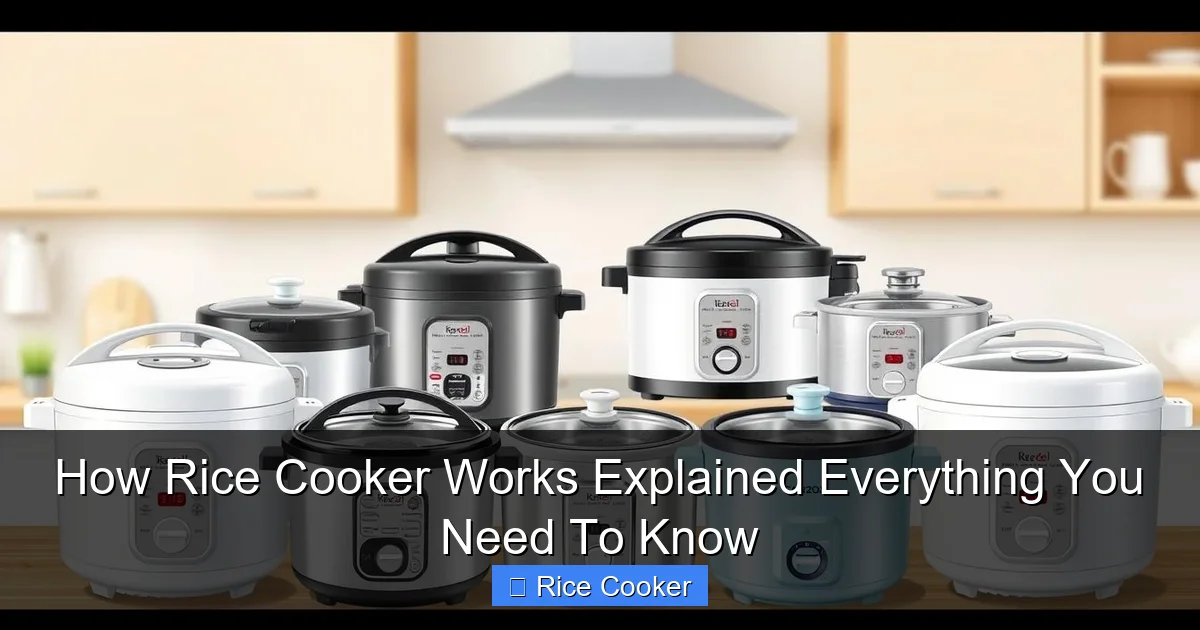
At its heart, a rice cooker works on basic physics principles. It’s not as complicated as it seems. The device uses heat and precise timing to transform hard rice grains into fluffy perfection.
Visual guide about How Rice Cooker Works Explained Everything You Need To Know
Image source: ricearray.org
Water Boiling Basics
When you turn on a rice cooker, the heating plate at the bottom gets hot. This heats the inner pot where your rice and water sit. Water boils at 212°F (100°C). As long as liquid water remains, the temperature stays steady at this boiling point.
The Temperature Switch
Here’s where the magic happens. The thermostat inside monitors the pot’s temperature. While water is present, everything stays at 212°F. But when all water absorbs into the rice, the temperature suddenly jumps above boiling point. This triggers the switch, turning off the heat or shifting to warm mode.
Inside Your Rice Cooker: Key Components
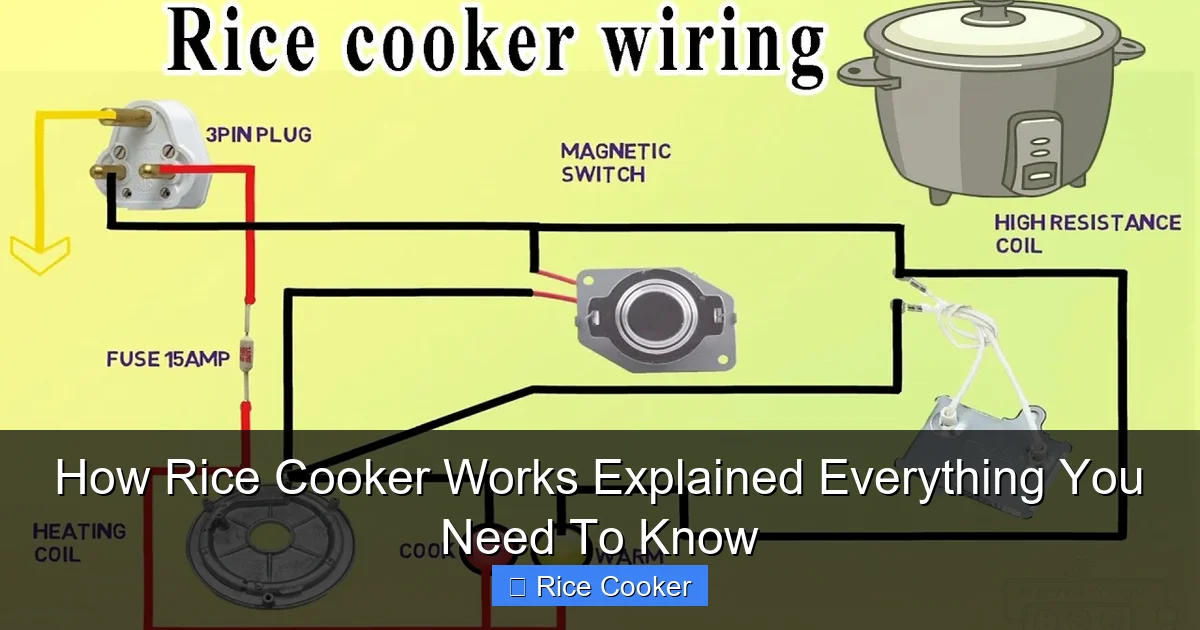
Understanding the parts helps you understand how rice cooker works. Each piece plays a vital role in the cooking process.
Visual guide about How Rice Cooker Works Explained Everything You Need To Know
Image source: i.ytimg.com
The Inner Cooking Pot
This is where your rice and water mix. Most pots have a non-stick coating. The pot sits directly on the heating element. It’s designed to distribute heat evenly so no spot gets too hot.
Heating Element
Located under the pot, this metal plate gets hot when electricity flows through it. It’s like the stovetop burner of your rice cooker. The heat transfers upward into the pot.
Thermostat or Thermal Sensor
This is the brain of the operation. In basic models, it’s a simple bi-metallic strip. In advanced cookers, it’s a computer chip. Both detect when the temperature rises above water’s boiling point.
Keep-Warm Plate
Once cooking finishes, this secondary heater takes over. It keeps your rice at the perfect serving temperature without overcooking it.
Lid and Steam Vent
The lid traps steam and heat inside. The vent lets excess steam escape, preventing messy overflows. Some lids have condensation traps that return moisture to the rice.
Step-by-Step: The Rice Cooking Process
Now let’s walk through exactly how rice cooker works from start to finish. Follow these steps for perfect results every time.
Visual guide about How Rice Cooker Works Explained Everything You Need To Know
Image source: seriouseats.com
Step 1: Measuring Your Ingredients
Start with the right ratio. For most white rice, use 1 cup rice to 1.5 cups water. Brown rice needs more water – try 1:2 ratio. Use the measuring cup that came with your cooker. It’s designed specifically for the appliance. For more precision, check out our guide on how to measure ingredients correctly.
Step 2: Rinsing the Rice
Rinse your rice under cold water until the water runs clear. This removes excess starch that causes stickiness. Use a fine mesh strainer for best results. Rinsing also helps prevent foamy overflow during cooking.
Step 3: Adding Water and Seasoning
Place rinsed rice in the inner pot. Add your measured water. You can add salt, oil, or butter now if desired. Stir gently to combine. Don’t add too much salt – it can interfere with the thermostat.
Step 4: Starting the Cooker
Place the pot back in the cooker. Make sure it’s seated properly on the heating element. Close the lid securely. Press the cook button. You’ll hear the heating element click on.
Step 5: The Boiling Phase
For the first 5-10 minutes, the rice cooker brings water to a boil. You might see steam escaping from the vent. This is normal. The rice absorbs water slowly at first.
Step 6: Absorption Phase
As water level drops, the rice begins absorbing moisture more quickly. The temperature remains steady at 212°F. The cooker works automatically – no stirring needed. This phase takes 15-25 minutes depending on rice quantity.
Step 7: The Temperature Jump
When all water disappears, the temperature suddenly spikes above boiling point. The thermostat detects this change immediately. It triggers the switch to warm mode. You’ll hear a click, and the cook light usually turns off.
Step 8: Resting Time
Let the rice sit in warm mode for 5-10 minutes. This allows remaining steam to finish the cooking process evenly. Don’t skip this step – it makes a difference in texture.
Step 9: Fluffing and Serving
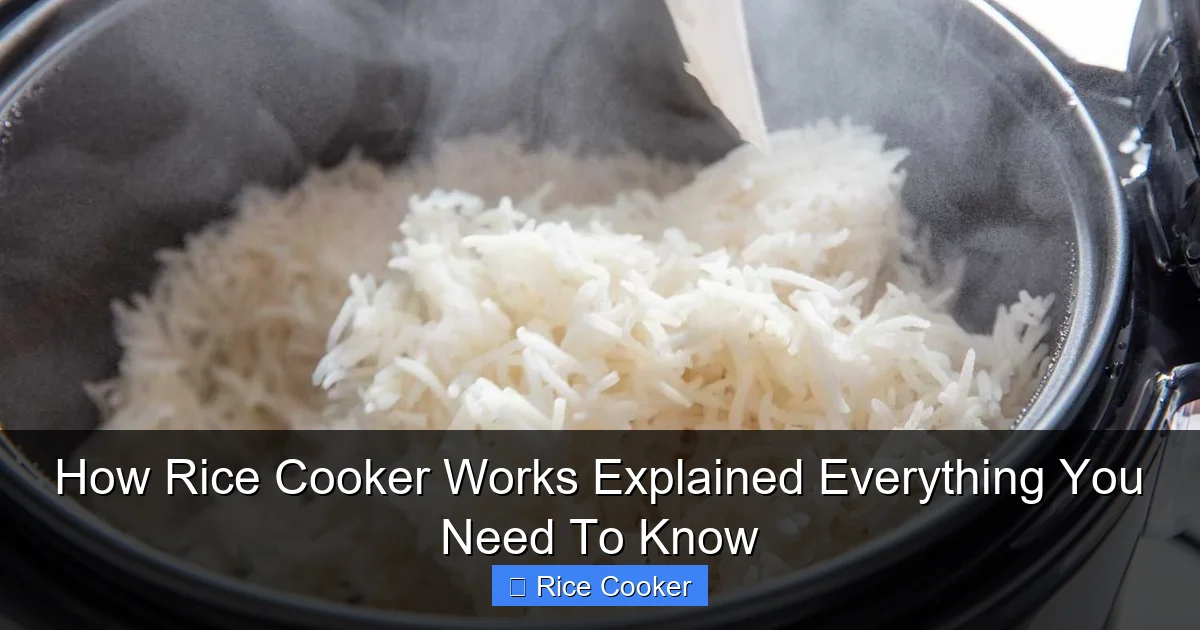
Open the lid carefully to avoid steam burns. Use a rice paddle to fluff the grains gently. Serve immediately or keep warm for up to 12 hours.
Different Types of Rice and Their Cooking Needs
Understanding how rice cooker works means knowing how different grains behave. Each rice type needs specific water and time.
White Rice
Most common in rice cookers. Cooks quickly and follows standard ratios. Perfect for beginners. Use the regular setting on your cooker.
Brown Rice
Needs more water and longer cooking time. The bran layer requires extra moisture to soften. Use the brown rice setting if your cooker has one. Otherwise, increase water by 25% and expect 45-50 minute cook time.
Jasmine and Basmati
Fragrant rices that can become mushy with too much water. Use slightly less water than standard white rice. Rinse thoroughly to remove surface starch.
Sushi Rice
Stickier by nature. The rice cooker handles it well. Use standard ratios but rinse carefully to preserve the starch that makes it sticky.
Wild Rice
Actually a grass seed, not true rice. Needs much more water and longer cooking. Mix with white rice for best results. Check your manual for specific guidance.
For a complete guide to rice varieties, see our article on types of rice and best uses guide.
Advanced Features: Fuzzy Logic and Induction Heating
Modern rice cookers do much more than simple on/off switching. Understanding these features shows you how rice cooker works at a higher level.
Fuzzy Logic Technology
This is like having a computer brain in your cooker. The chip makes thousands of adjustments per second. It controls temperature precisely based on room temperature, humidity, and rice quantity. It can even detect when you’re cooking different rice types.
Induction Heating
Instead of a simple heating plate, induction models heat the entire pot evenly. The pot itself becomes the heating element. This prevents hot spots and gives restaurant-quality results.
Multiple Cooking Functions
Today’s rice cookers can steam vegetables, cook oatmeal, make soups, and even bake cakes. They adjust temperature and timing automatically for each food type. The principle remains the same – controlled heat and timing.
Troubleshooting Common Problems
Even with perfect technology, things can go wrong. Here’s how to fix the most common issues.
Rice Is Too Mushy
You probably used too much water. Reduce water by 1/4 cup next time. Also check that your measuring cup is accurate. Old rice absorbs more water than new rice.
Rice Is Undercooked
Not enough water or your cooker turned off too soon. Add more water next time. Make sure the inner pot is properly seated on the heating element. Check that the thermostat isn’t damaged.
Burning on the Bottom
Too little water or high heat setting. Also possible if the inner pot has scratches exposing metal. Use the correct water ratio and avoid cooking on quick-cook settings for large batches.
Water Overflow
You overfilled the pot or didn’t rinse the rice. Always follow the maximum fill line. Rinse rice thoroughly to remove excess starch. Clean the steam vent regularly.
Keep Warm Mode Not Working
The thermostat might be stuck. Unplug the cooker and let it cool completely. Check for food debris around the thermal sensor. If problems persist, contact the manufacturer.
For more kitchen problem-solving, read about common cooking mistakes and how to avoid them.
Maintenance Tips for Long-Lasting Performance
Proper care ensures your rice cooker works perfectly for years. Follow these simple steps.
Cleaning After Each Use
Always wash the inner pot by hand with warm, soapy water. Never use abrasive scrubbers that can damage the non-stick coating. Wipe the heating element gently with a damp cloth. Keep the steam vent clear of debris.
Deep Cleaning Monthly
Remove the inner pot and lid. Soak them in warm water to loosen stuck-on rice. Clean the cooker’s base with vinegar to remove mineral deposits. Dry everything completely before reassembly.
Storage Tips
Store the cooker with the lid open slightly to prevent musty odors. Keep it in a dry cabinet away from moisture. Wrap the cord neatly around the base.
Regular Inspection
Check the power cord for fraying. Test the lid hinge for smooth operation. Make sure the thermal sensor isn’t covered in food residue. Address small issues before they become big problems.
Beyond Rice: Other Foods Your Cooker Can Prepare
Understanding how rice cooker works opens up a world of possibilities. This appliance is more versatile than you think.
Steaming Vegetables
Place vegetables in the steamer basket above water in the pot. The steam cooks them gently while preserving nutrients. Perfect for broccoli, carrots, and fish.
Cooking Oatmeal
Use the porridge setting or cook function. Steel-cut oats work best. Add more liquid than you would on the stove. The cooker prevents burning and sticking.
Making Quinoa
Treat quinoa like rice. Rinse thoroughly to remove saponins. Use a 1:2 ratio of quinoa to water. The cooker handles it perfectly with no babysitting needed.
Preparing Soup and Stew
Many rice cookers have soup functions. The controlled heating prevents boiling over. Great for simple broths and one-pot meals.
Eggs in the Rice Cooker
You can actually cook hard-boiled eggs. Place eggs in the pot with water covering them completely. Use the cook function. Results are consistent and easy to peel.
Discover more time-saving techniques in our article on how to save time while cooking daily meals.
Energy Efficiency and Cost Savings
Rice cookers are surprisingly economical. They use less electricity than your stovetop or oven. The automatic shut-off prevents wasted energy. Keep-warm mode uses minimal power. For small families, they’re more efficient than heating a large stove burner. Over time, this adds up to real savings on your electric bill.
Conclusion: Mastering Your Rice Cooker
Now you know exactly how rice cooker works. It’s a simple yet brilliant application of physics. The thermostat does all the work while you focus on other tasks. With proper care and the right techniques, you’ll get perfect rice every single time.
Remember the key points: use accurate measurements, rinse your rice, let it rest after cooking, and clean your cooker regularly. Experiment with different rice types and discover your favorite settings.
Your rice cooker is more than just a rice maker. It’s a versatile kitchen tool that can steam, cook grains, and prepare simple meals. Understanding its capabilities helps you get the most value from this appliance.
Ready to put your knowledge into practice? Try making your first perfect batch tonight. You’ll never go back to stovetop rice again.
🎥 Related Video: Old-fashioned rice cookers are extremely clever
📺 Technology Connections
You can support this channel on Patreon! Link below Bet you didn’t think a rice cooker was so interesting, did ya? Links! Get your …
