
You want vegetables that stay bright, crisp, and full of flavor — not limp, gray mush. I’ll show simple, reliable steps you can use every time to stop vegetables from overcooking and keep their nutrients, color, and texture intact. Use quick, timed methods, proper heat, and brief resting to lock in crunch and flavor.
I’m Emma Reed and I test these techniques in my kitchen so you don’t waste time or food. You’ll learn when to salt, when to cover, which methods suit each vegetable, and small habits that prevent leaving veggies on the stove until they flop.
Key Takeaways
- Match cooking time to the vegetable’s size and water content.
- Use high heat, short cook times, or quick ice baths to preserve texture.
- Watch closely and use timers to avoid accidental overcooking.
Contents
Understanding Vegetable Cooking Times
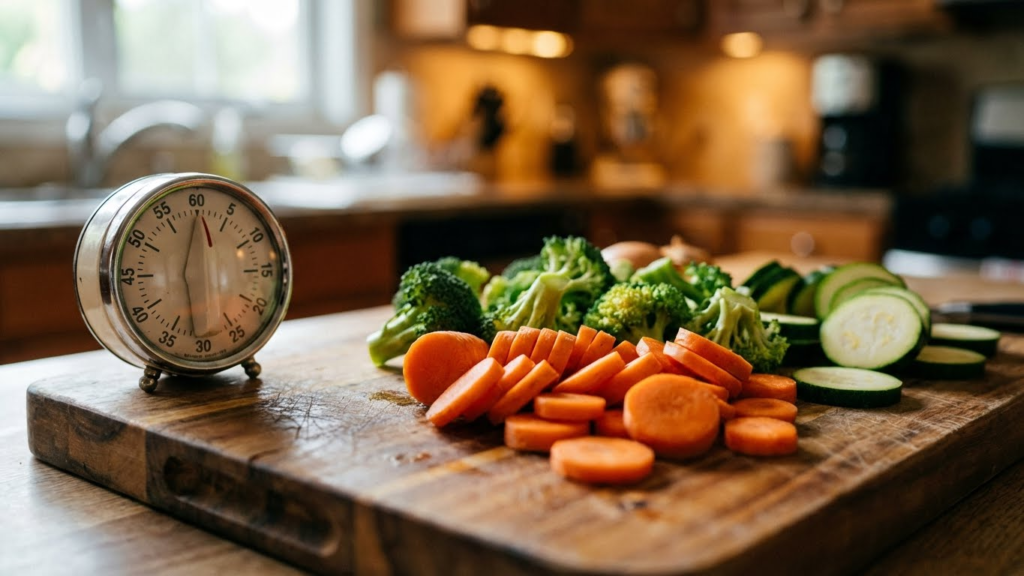
I focus on what changes how long vegetables need to cook, give clear example times for common items, and explain the simple visual and texture signs that tell you when to stop cooking.
Factors Affecting Cooking Duration
I consider three main factors: size, water content, and cooking method. Small dice or thin slices cook much faster than whole pieces. For example, a thin slice of zucchini takes 2–3 minutes to sauté, while a whole roasted zucchini can take 20–30 minutes.
Water content matters. Leafy greens wilt in 1–3 minutes, but starchy vegetables like potatoes need 15–25 minutes to boil. Denser vegetables hold heat longer and take more time to reach the center.
The method changes time and texture. Steaming preserves color and shortens time compared with boiling. Roasting uses dry heat and often needs higher temps and longer times to develop browning.
Common Vegetables and Their Ideal Times
I list typical vegetables with practical target times so you can plan. These are approximate and assume medium heat or 375–425°F for roasting.
- Broccoli florets: steam 4–6 min; roast 15–20 min.
- Carrots (sliced): boil/steam 6–8 min; roast 20–25 min.
- Green beans: sauté/steam 4–6 min; roast 12–15 min.
- Potatoes (cubed): boil 12–15 min; roast 30–40 min.
- Bell peppers (sliced): sauté 4–6 min; roast 12–15 min.
Adjust for thickness: double the thickness, roughly double the time. Use a fork or knife to check root vegetables; the center should meet the same tenderness as the outside.
Recognizing Visual and Textural Cues
I look at color, firmness, and bite to decide doneness. Vegetables should become brighter in color, not dull. Overcooked greens look faded and limp; properly cooked greens stay vivid and slightly glossy.
Texture matters more than time. Test with a fork or taste a small piece. For tender-crisp veggies, I want a slight resistance and a clean break. For fully soft items like mashed potatoes, the fork should slide in easily with no hard center.
Watch for steam and juices. When vegetables release a bit of liquid but still hold shape, they are usually done. If they start to fall apart, I remove them immediately.
Optimal Cooking Techniques
I focus on three methods that keep vegetables bright, crisp, and nutrient-rich: quick hot-water treatment, gentle steam, and high-heat pan work. Each method has clear timing, temperature, and handling steps that cut down on mushiness and nutrient loss.
Blanching for Precision
I use blanching when I want precise doneness and consistent texture across pieces. Bring a large pot of salted water to a rolling boil, add vegetables in a single layer, and time them: 1–2 minutes for green beans, 30–60 seconds for peas, and 2–3 minutes for broccoli florets. Immediately plunge the vegetables into an ice bath to stop cooking. This “shock” preserves color and stops carryover heat from softening the veg further.
For thicker items like carrots or beets, parboil 4–6 minutes depending on size, then finish in the ice bath. I drain and pat dry before using in salads or stir-fries. Blanching also makes freezing easier by removing enzymes that degrade texture and flavor. The USDA provides good food-safety guidance on blanching and cooling times.
Steaming for Control
I steam when I want gentle, even cooking that keeps vitamins and shape. Use a fitted steamer basket over simmering (not boiling) water so steam circulates. Arrange pieces so steam reaches all sides; avoid piling up. Typical times: 4–6 minutes for broccoli, 6–8 for carrots sliced thin, and 8–10 for new potatoes.
I check doneness with a fork every minute after the lower bound of time. Remove and serve or plunge briefly into cool water for salads. Steaming limits water contact, which reduces leaching of water-soluble nutrients. For precise results, I sometimes cover with a lid and lower heat once steaming starts to avoid violent bubbling that can overcook the base of the basket.
Sautéing for Even Cooking
I sauté to get tender-crisp vegetables with light browning and flavor. Heat a wide pan over medium-high heat and add a thin coat of oil with a high smoke point. Add denser vegetables first (e.g., carrots, bell peppers), and give them space so they sear instead of steam. Stir or toss every 30–60 seconds.
Cut pieces uniformly—about 1/4–1/2 inch—so they cook at the same rate. Finish softer vegetables like spinach or mushrooms last; they need only 1–2 minutes. If I need to speed cooking without overcooking, I add a tablespoon of water and cover for 30 seconds, then uncover to evaporate excess moisture. Serious cooks often follow timing charts from reliable sources like USDA or culinary schools for reference.
Practical Tips to Prevent Overcooking
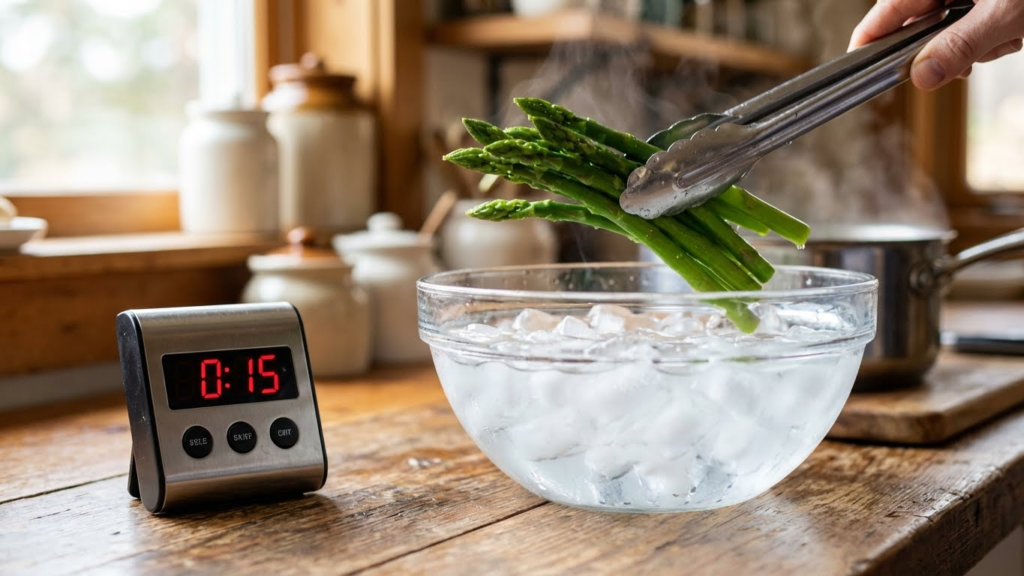
I focus on exact times, quick checks, and fast cooling to keep vegetables bright, crisp, and flavorful. These steps help me control heat, stop carryover cooking, and cook only what I need.
Monitoring with Timers
I set a timer for each vegetable based on its size and method. For example, broccoli florets steam in 4–6 minutes, green beans sauté in 6–8 minutes, and sliced carrots boil in 5–7 minutes. I use two timers when I cook different veggies at once: one for the shorter item and one for the longer item.
I also use interval checks every 1–2 minutes near the end of the time. I pierce with a fork or taste a small piece. If it’s tender but still slightly firm, I stop cooking; that slight bite is what I aim for.
I keep a digital instant-read thermometer for thick pieces like whole potatoes or squash; I look for 200°F (93°C) for fluffy potatoes, but for most veggies I rely on texture rather than a target temperature.
Using Ice Baths to Stop Cooking
I plunge vegetables into an ice bath immediately after cooking to stop residual heat. I fill a large bowl with cold water and ice before I start cooking so it’s ready the moment I drain the pot or pan. This prevents carryover cooking that makes vegetables turn mushy.
I use an ice bath for blanched or steamed greens, asparagus, and green beans. I leave them in the ice water for the same time they cooked, then drain and pat dry. For salads, I spin them in a salad spinner to remove water quickly.
If I plan to reheat later, I cool vegetables fully in the ice bath, dry them well, and store them in shallow containers in the fridge to keep texture and color.
Batch Cooking Strategies
I divide vegetables by cooking time and method before I cook. I group fast-cooking items like spinach and peas together, and put root vegetables like carrots and beets in another batch. This keeps me from overcooking delicate items while waiting for denser ones.
I cook in even layers and use wide pans or large pots so steam and heat distribute evenly. When roasting, I cut pieces to similar size and avoid overcrowding the sheet pan. If I must cook different textures together, I start the dense items first and add tender ones later.
I portion cooked vegetables into meal-size containers while still slightly underdone. I finish them with a quick reheat in a skillet, microwave, or oven so they don’t go past the ideal texture when served.
Selecting the Right Equipment
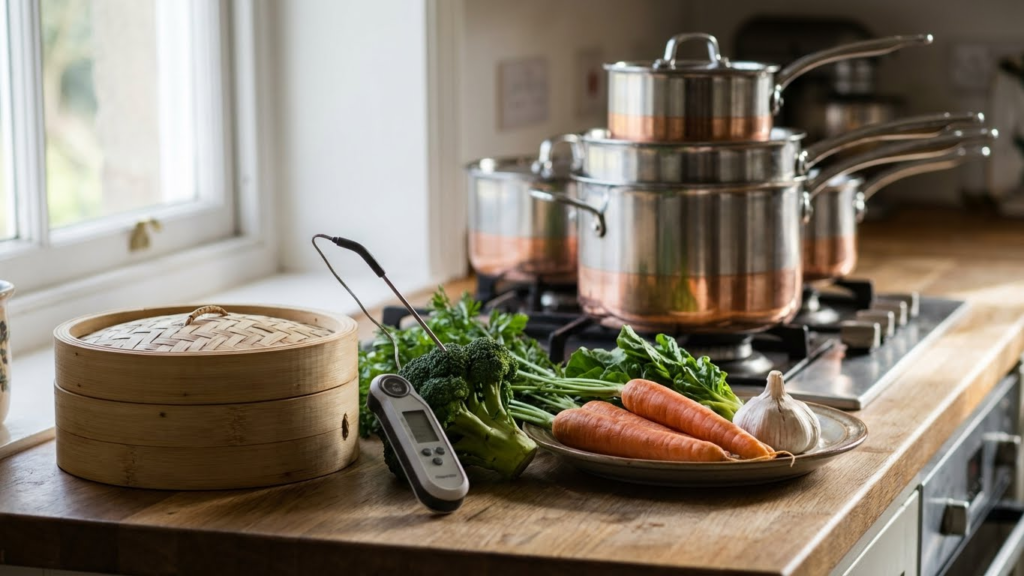
I focus on tools that control heat, keep steam steady, and let me check doneness without guessing. The right pot, a good steam basket, and a simple thermometer or testing tool cut overcooking risk fast.
Choosing Proper Cookware Materials
I pick cookware that heats evenly and reacts predictably. Heavy-bottomed stainless steel or enameled cast iron prevents hot spots that can scorch or overcook edges while leaving the center underdone. Thin pans heat fast but often cook unevenly, so I reserve them for quick sautés rather than steaming or braising.
I avoid oversized pots for small batches because excess surface area can dry vegetables. For boiling or blanching, I use a wide pot with a tight-fitting lid to keep temperature steady. Nonstick pans work for delicate vegetables, but I don’t use high heat on nonstick — it damages the coating and ruins texture.
Utilizing Steam Baskets
I use a steam basket to hold vegetables above simmering water. This keeps them out of direct contact with liquid so they cook gently and stay bright and crisp. Metal baskets with feet fit most pots; bamboo baskets work for light steaming and add no metallic taste.
I arrange vegetables by hardness: dense veggies (carrots, potatoes) stay near the center or bottom layer; tender ones (peas, spinach) go on top and in later. I cover the pot tightly and monitor steam. If I need more control, I lift the lid briefly and move fragile pieces to a separate basket.
Thermometers and Testing Tools
I rely on a probe thermometer for thick-cut vegetables and root crops. A quick 2–5 second probe tells me when the center reaches desired tenderness (usually 95–205°F depending on veg and texture). This removes guesswork for large pieces.
For thin or leafy greens I use visual and tactile checks: color, gloss, and a fork or paring knife test. A fork should slide in with slight resistance for firm-crisp, and give easily for tender. I keep a set of tongs and a slotted spoon handy to remove pieces quickly without losing steam.
Adjusting for Different Vegetable Types
I focus on timing and method based on texture and density. Firm, dense vegetables need longer, while delicate ones need quick, high heat or a very short finish.
Leafy Greens Versus Root Vegetables
I treat leafy greens and root vegetables very differently. For greens like spinach, kale, or chard I use high heat and short cook times — usually 1–4 minutes — to preserve color and nutrients. I often sauté in a hot pan with a splash of oil or quickly blanch and shock in ice water to stop cooking instantly. For sturdier greens such as collards I add a splash of broth and cover the pan for a few minutes to soften without turning mushy.
Root vegetables — carrots, potatoes, beets, parsnips — need lower, longer heat. I cut them uniformly so they cook evenly and roast at 400–425°F (200–220°C) or simmer until fork-tender. I start roots earlier in soups and stews, giving them 10–30 minutes depending on size. For faster results, I parboil or slice thinly before roasting.
Cooking Mixed Vegetables Together
When I cook mixed vegetables, timing and staging matter most. I group items by cook time: add dense pieces like potatoes and carrots first, then medium items like bell peppers and zucchini, and finish with quick-cook items like peas or spinach. I use a hot oven or pan so vegetables brown without steaming; this keeps texture and flavor.
I often use a simple chart in my head: roast at 400°F for 20–30 minutes for roots, add softer veggies in the last 10 minutes. In soups and stir-fries I add ingredients in stages rather than all at once. If I need everything done at the same time, I cut firmer vegetables smaller so they match the cook time of softer ones.
Links: For blanch-and-shock technique, I follow guidance from the USDA’s safe handling tips, and for roasting temperatures I reference reliable recipes from America’s Test Kitchen.
Common Mistakes and How to Avoid Them
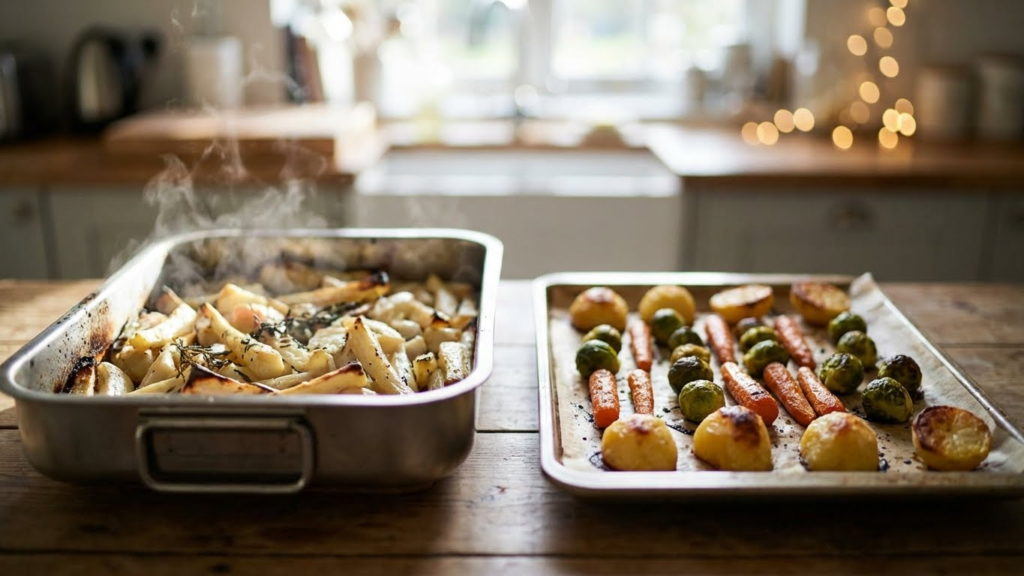
I focus on three things that cause most overcooking: crowding pans, not accounting for carryover heat, and skipping proper prep. Fixing these keeps vegetables bright, firm, and flavorful.
Overcrowding the Pan
I never pile vegetables into a hot pan. When pieces touch too much, steam builds and they soften instead of browning. For searing or roasting, I arrange items in a single layer with space between pieces so hot air and pan surface can create crisp edges.
If my pan or sheet is too small, I cook in batches. That adds minutes but gives better texture and color. For roasting, I also shake the pan or turn pieces midway so all sides get even exposure.
Use a large skillet or two baking sheets for big batches. When stir-frying, I work over high heat and add vegetables in groups based on density: firm ones first (carrots, broccoli), quick-cook ones last (spinach, peas).
Ignoring Carryover Cooking
I always factor in carryover cooking — the heat that keeps cooking food after I remove it from heat. Thick pieces and hot pans continue to cook for several minutes. That extra heat can turn crisp veggies into mush if I don’t stop it.
I remove vegetables a little earlier than my target doneness: for firm-crisp, I take them off when they’re slightly underdone. I also transfer roasted or sautéed vegetables to a cool plate or a sheet pan to let them rest and stop cooking fast.
For large batches, I spread pieces out after cooking so residual heat drops quickly. If I need to hold them, I use a low oven (around 200°F / 95°C) to keep warm without further cooking.
Inadequate Preparation
I prepare vegetables to uniform sizes so everything cooks at the same rate. Mixed sizes mean some pieces overcook while others stay raw. I trim, peel, and cut to consistent thickness — matchstick, 1/2-inch slices, or even wedges depending on the vegetable.
I also dry vegetables after washing. Water on the surface causes steaming and prevents browning. For leafy greens, I spin them dry; for denser vegetables, I pat with a towel.
Seasoning and oil matter too. A light coat of oil helps heat transfer and browning. Salt can draw out moisture, so I salt at the right time: often just before or during cooking for quick-cook veggies, and a bit earlier for dense roots to help seasoning penetrate.
Retaining Nutrients and Color
I focus on methods that keep vitamins, minerals, and bright colors intact while you cook. Small changes in how you use water, salt, and acid make a big difference.
Minimizing Water Contact
I avoid long soaks and large pools of water when cooking vegetables because water pulls out water-soluble vitamins like C and some B vitamins. I use steaming, roasting, or quick sautéing to keep vegetables out of direct water.
When I do boil, I use a small amount of boiling water and cook for the shortest time needed, then use the cooking liquid in sauces or soups so nutrients are not wasted.
I cut vegetables into larger pieces when possible to reduce surface area exposed to water. I also blanch quickly and shock in ice only when I need bright color for salads or freezing; this preserves texture and stops cooking fast.
Timing Salt and Acid Additions
I add salt near the start when I want it to help draw moisture out for faster evaporation, such as when sautéing mushrooms or peppers. For most vegetables, I season near the end to avoid pulling out juices too early. This keeps them firmer and more nutrient-rich.
I add acidic ingredients (vinegar, lemon juice, tomatoes) late in the cooking process. Acid breaks down chlorophyll and can dull green color if added too soon. For tomato-based dishes, I add tomatoes early only when long cooking benefits flavor, but I finish with lemon or vinegar to brighten taste without harming color.
FAQs
I get asked how to tell when vegetables are perfectly cooked. Use a fork or knife to test tenderness; a little resistance means they’re done. Watch color too — bright, vivid hues usually mean veggies kept their texture and nutrients.
People often worry about nutrient loss. I tell them shorter cooking times and gentler methods — steaming, blanching, or quick sautéing — keep more vitamins. Avoid long boiling and high heat when you can.
Can I rescue slightly overcooked vegetables? Yes. Chill them in ice water to stop cooking and firm them up for salads or sautés. Overcooked soups can still taste good; blend them or add fresh herbs to improve flavor.
How do I prevent uneven cooking? Cut pieces the same size and avoid overcrowding the pan. I also recommend using a lid with steaming methods to cook evenly without extra time.
What about frozen vegetables? Frozen produce is usually blanched before freezing, so cook it briefly. I cook frozen veggies straight from the bag and watch closely to avoid sogginess.
Any quick timing tips? I keep a simple rule: leafy greens 1–3 minutes, tender veggies 3–5 minutes, root vegetables 10–20 minutes depending on size. Use a timer and check early; it’s easier to add time than to undo overcooking.
Conclusion
I learned that timing, temperature, and prep matter most when cooking vegetables. I watch them closely and use a timer to avoid guessing.
I use quick methods like steaming, sautéing, or roasting at the right heat. I also stagger cook times for mixed vegetables so each piece finishes properly.
I check doneness by taste and texture rather than just time. A fork test or a small bite tells me when a vegetable stays crisp yet tender.
I rely on simple tricks to protect color and nutrients: brief blanching, cooling in ice water when needed, and finishing with a drizzle of oil or acid. These steps keep flavor and appearance strong.
Bold habits help: set a timer, cut pieces evenly, and keep pans hot but not smoking. Small changes give big results in texture and taste.
I keep a short checklist near the stove to remind me of key steps. It saves time, reduces waste, and makes vegetables more appealing every meal.
