How to Buy a Cast Iron Frying Pan for Perfect Cooking Results

Looking to buy a cast iron frying pan? This guide walks you through everything you need to know to pick one that cooks evenly, lasts for years, and fits your kitchen needs. From size and weight to seasoning and maintenance, you’ll learn all the essential tips for perfect cooking results.
Key Takeaways
- Choose the right size: Pick a pan size that matches your typical cooking needs and kitchen space.
- Consider weight and handle design: Ensure comfort and safe handling during cooking.
- Look for pre-seasoned pans: Saves time and improves non-stick performance right away.
- Check the quality of the cast iron: Thicker, smooth pans distribute heat better and last longer.
- Understand maintenance: Proper care keeps your pan rust-free and enhances flavor over time.
- Set a budget: Quality cast iron pans come in various price ranges; find one that offers good value.
- Read reviews and brand reputation: Trusted brands often deliver better craftsmanship and warranties.
How to Buy a Cast Iron Frying Pan for Perfect Cooking Results
Cast iron frying pans are a kitchen staple for good reason. They offer unmatched heat retention, durability, and versatility. But buying the right cast iron pan can be tricky if you’re new to them. This guide will help you understand what to look for, so you can choose a pan that suits your cooking style and lasts a lifetime. By the end, you’ll know how to buy a cast iron frying pan that delivers perfect cooking results every time.
Step 1: Understand Why Cast Iron Pans Are Special
Before buying, it’s good to know why cast iron pans are so popular. Cast iron heats evenly and retains heat longer than most other materials. This means your food cooks uniformly, which is perfect for searing, frying, and even baking. They also develop a natural non-stick surface with seasoning, improving flavor and ease of use over time.
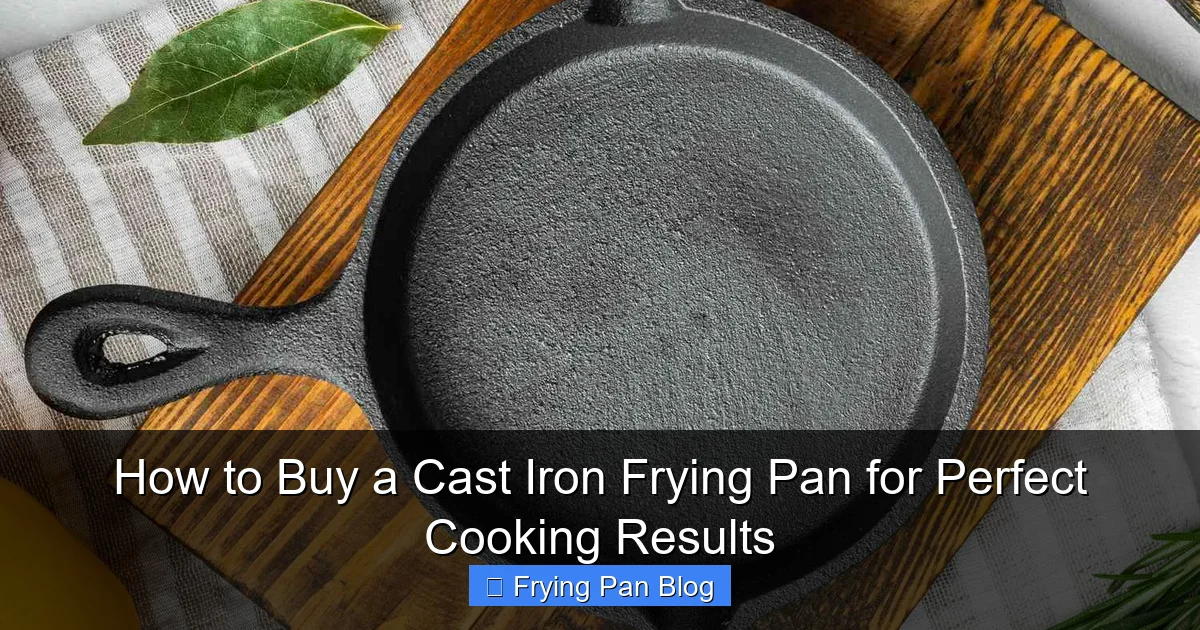
Visual guide about How to Buy a Cast Iron Frying Pan for Perfect Cooking Results
Image source: marthastewart.com
However, cast iron pans are heavier and require more care than non-stick or stainless steel pans. Understanding these pros and cons will help you decide if a cast iron frying pan fits your kitchen routine.
Step 2: Decide on the Right Size
Consider Your Cooking Habits
Cast iron pans come in various sizes, usually measured in inches across the top diameter. The most common sizes are 8, 10, and 12 inches.
If you mostly cook for one or two people, an 8 or 10-inch pan is ideal. For families or batch cooking, a 12-inch pan provides ample space.
Think About Storage Space
Larger pans take up more storage room and are heavier to handle. Ensure your kitchen has the space to store and use a large pan comfortably.
Tip:
- Start with a 10-inch pan if you want a versatile size that suits most meals.
- If you plan on cooking steaks or frying multiple items at once, go bigger.
Step 3: Check the Weight and Handle Comfort
Weight Matters
Cast iron pans are naturally heavy, but thickness and size influence weight. A very heavy pan can be difficult to lift, flip, or move safely.
Handle Design
Look for a pan with a sturdy, comfortable handle. Some pans have helper handles on the opposite side to make lifting easier.
Tip:
- Pick a pan you can lift with confidence and control.
- Consider your hand size and grip comfort when choosing handle styles.
Step 4: Choose Between Pre-Seasoned and Unseasoned Pans
What Is Seasoning?
Seasoning creates a natural non-stick surface by baking oils into the cast iron. It improves cooking performance and protects against rust.
Pre-Seasoned Pans
Many cast iron pans come pre-seasoned from the factory. This means they’re ready to use right away and easier for beginners.
Unseasoned Pans
Unseasoned pans require you to season them yourself before use. This gives you control over the seasoning but takes extra time and effort.
Tip:
- Choose pre-seasoned if you want convenience.
- Go for unseasoned if you enjoy customizing your pan’s seasoning.
Step 5: Inspect the Surface Quality
Smoothness
A smoother cooking surface means better heat distribution and easier food release. Some vintage or cheaper pans have rough surfaces that can cause sticking.
Check for Defects
Look for cracks, warping, or uneven thickness. These flaws affect cooking performance and pan longevity.
Tip:
- Run your hand over the surface to feel for smoothness.
- Research brand reputations for consistent quality.
Step 6: Decide on Additional Features
Lid Compatibility
Some pans come with lids or are compatible with universal lids. This is handy for simmering or baking.
Pour Spouts
Many cast iron pans include pour spouts on the sides, making it easier to drain liquids without mess.
Ergonomics and Design
Look for pans with thoughtful designs that suit your cooking style — such as longer handles for tossing or wider rims for easy food flipping.
Step 7: Set Your Budget
Cast iron pans vary widely in price. Budget options may start around $20, while premium brands go up to $100 or more.
Higher prices often reflect better craftsmanship, smoother surfaces, and longer warranties. However, even affordable pans can perform well if cared for properly.
Tip:
- Invest in the best pan you can afford for durability and cooking performance.
- Consider buying from reputable brands to ensure quality.
Step 8: Research Brands and Reviews
Check online reviews and forums to see what other cooks say about specific pans. Trusted brands like Lodge, Le Creuset, and Staub are popular for good reasons.
Look for pans with positive feedback on heat retention, seasoning, and durability. Also, check if the brand offers warranties or customer support.
Step 9: Understand Maintenance and Care
Seasoning Maintenance
Proper cleaning and occasional re-seasoning keep your pan non-stick and rust-free.
Cleaning Tips
- Avoid soap or harsh detergents that strip seasoning.
- Use hot water and a stiff brush or chainmail scrubber.
- Dry thoroughly and apply a thin oil layer after cleaning.
Storage
Store in a dry place. Some cooks place a paper towel inside to absorb moisture.
Troubleshooting Common Issues
Pan Sticks to Food
This usually means the seasoning is insufficient. Re-season the pan by applying oil and baking it in the oven. Also, preheat the pan properly before cooking.
Rust Spots Appear
Clean the rust with a scrubber, dry the pan completely, and re-season immediately to protect the surface.
Uneven Heating
Cast iron pans heat slowly but evenly. If you notice hot spots, your pan may be warped or too thin. Consider replacing it with a thicker, high-quality pan.
Conclusion
Buying the right cast iron frying pan can transform your cooking experience. By choosing the right size, weight, seasoning, and brand, you ensure many years of delicious meals. Remember that cast iron requires care but rewards you with exceptional heat retention and flavor enhancement. Use this guide to confidently select a cast iron pan that suits your kitchen and enjoy perfect cooking results every time.
🎥 Related Video: This is how I like to season and eat a cast iron pan. WASH with little soap afterwards! #cookingtips
📺 Jose.elcook