How to Clean Frying Pan Oil

Cleaning frying pan oil is essential for maintaining your cookware’s performance and hygiene. This guide walks you through simple, effective steps to remove oil residues, prevent buildup, and keep your frying pans looking like new.
Key Takeaways
- Regular cleaning: Clean your frying pan after each use to prevent oil buildup and odors.
- Use the right tools: Soft sponges, dish soap, and warm water are key to safe and effective cleaning.
- Remove stubborn oil: Use baking soda, vinegar, or hot water soak for tough grease stains.
- Avoid harsh scrubbing: Protect non-stick surfaces by avoiding abrasive scrubbers.
- Dry thoroughly: Prevent rust by drying your pan completely after washing.
- Season cast iron pans: Re-season after cleaning to maintain their non-stick surface and prevent rust.
- Recycle used oil: Properly dispose of or recycle used frying oil to protect the environment.
How to Clean Frying Pan Oil
Keeping your frying pan free of oily residue is important for both cooking quality and pan longevity. In this guide, you will learn step-by-step methods to clean oil from various types of frying pans including non-stick, stainless steel, and cast iron. We’ll cover everyday cleaning, deep cleaning for stubborn grease, and tips to protect your pans.
Step 1: Gather Your Cleaning Supplies
Before you start, it helps to have everything ready. Here’s what you’ll need:
Visual guide about How to Clean Frying Pan Oil
Image source: c8.alamy.com
- Dish soap (preferably grease-cutting formula)
- Soft sponges or dishcloths
- Warm water
- Baking soda
- White vinegar
- Plastic or wooden spatula (optional)
- Paper towels or clean kitchen towels
Step 2: Remove Excess Oil
Use Paper Towels to Wipe Excess Oil
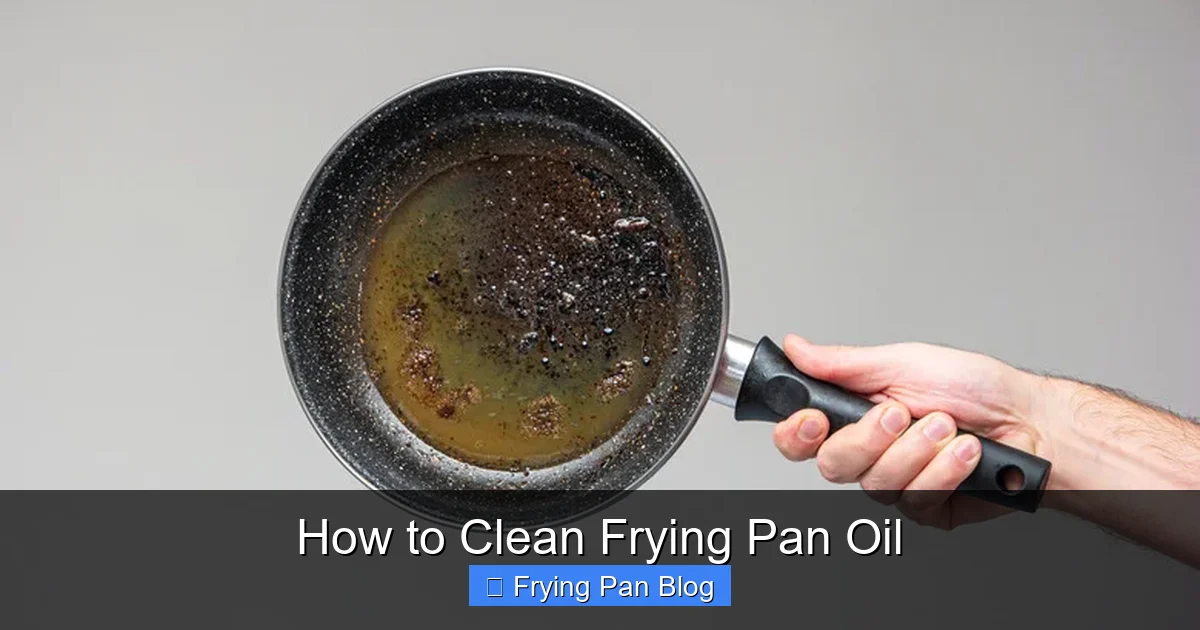
After cooking, allow the pan to cool slightly but not completely cold. Use paper towels to wipe out any leftover pooling oil. This reduces the amount of grease you need to wash off and prevents clogging your sink.
Visual guide about How to Clean Frying Pan Oil
Image source: tastingtable.com
Scrape Off Stuck Oil Residue
If some oil has become sticky or hardened, use a plastic or wooden spatula to gently scrape it off. Avoid metal tools that can scratch non-stick surfaces.
Step 3: Wash With Dish Soap and Warm Water
Fill the Pan With Warm Water
Fill your frying pan with warm water and add a few drops of dish soap. Let it soak for 5-10 minutes to loosen oil residue.
Scrub Gently Using a Soft Sponge
Use a soft sponge or dishcloth to scrub the pan gently. Focus on areas with visible oil buildup. For non-stick pans, avoid scrubbing too hard to protect the coating.
Rinse Thoroughly
Rinse under warm running water to remove soap and loosened oil. Check if the pan feels slick or greasy; if yes, repeat washing.
Step 4: Deep Clean for Stubborn Oil Residue
Sometimes, regular washing isn’t enough. Use these methods for tough oil stains:
Baking Soda Scrub
- Sprinkle baking soda over the greasy areas.
- Add a little water to make a paste.
- Use a soft sponge to scrub the paste gently into the grease.
- Rinse thoroughly with warm water.
Vinegar Soak
- Mix equal parts white vinegar and water.
- Pour into the pan and let it soak for 15-20 minutes.
- Use a sponge to scrub off loosened oil.
- Rinse and dry.
Boiling Water Method (For Stainless Steel)
- Fill the pan with water and bring to a boil on the stove.
- Add a few drops of dish soap and simmer for 5 minutes.
- Let cool slightly, then scrub and rinse.
Step 5: Dry and Maintain Your Frying Pan
Dry Thoroughly
Use a clean towel to dry the pan completely to prevent rust and water spots. For cast iron pans, dry on low heat on the stove for a few minutes.
Re-Season Cast Iron Pans
After cleaning, apply a thin layer of cooking oil to the cast iron surface. Heat it on the stove or in the oven to maintain the non-stick seasoning.
Practical Tips to Keep Your Frying Pan Oil-Free
- Wash pans immediately after use to prevent oil from drying and hardening.
- Use the right cleaning tools based on your pan type to avoid damage.
- For non-stick pans, avoid metal scrubbers and harsh detergents.
- Dispose of used cooking oil properly—never pour it down the drain.
- Consider using a little hot water soak before washing greasy pans.
Troubleshooting Common Problems
Oil Smell Lingers After Washing
Try a vinegar rinse or sprinkle baking soda inside the pan and leave it overnight before washing again.
Stubborn Grease Won’t Come Off
Use the boiling water method for stainless steel or repeat the vinegar soak for other pans. Avoid harsh chemicals that can damage your cookware.
Non-Stick Coating Peeling or Damaged
Stop using abrasive scrubbers and switch to gentle cleaning methods. Consider replacing the pan if the coating is significantly damaged.
Conclusion
Cleaning frying pan oil doesn’t have to be a chore. With the right tools and methods, you can keep your pans clean, odor-free, and in great condition. Regular maintenance extends the life of your cookware and ensures every meal tastes its best. Remember to adjust your cleaning approach based on your pan type and use natural, gentle solutions whenever possible.
🎥 Related Video: Pots and pans Cleaning Hack by Ramdeep Osahan
📺 Kim’s Kitchen Affair