How to Cook Salmon in a Frying Pan

Cooking salmon in a frying pan is a quick and delicious way to enjoy this healthy fish at home. In this guide, you’ll learn the best techniques, seasoning tips, and cooking times to make perfectly cooked, tender salmon with a crispy skin every time.
Key Takeaways
- Choose the right salmon: Fresh or thawed fillets with skin on work best for frying.
- Prep properly: Pat salmon dry and season well for the best flavor and texture.
- Use medium-high heat: It helps create a crispy skin without overcooking the flesh.
- Cook skin-side down first: This locks in moisture and gives a nice crust.
- Don’t overcook: Salmon cooks quickly—2-4 minutes per side depending on thickness.
- Use a non-stick or well-seasoned pan: To prevent sticking and make flipping easier.
- Finish with lemon or herbs: Brighten the flavor with fresh additions right before serving.
How to Cook Salmon in a Frying Pan
Salmon is one of the most popular and nutritious fish you can cook at home. It’s rich in omega-3 fatty acids and packed with flavor. While there are many ways to prepare salmon, cooking it in a frying pan is fast, easy, and yields delicious results. Whether you’re a beginner or looking to improve your technique, this guide will walk you through every step to cook perfect salmon in a frying pan.
What You’ll Learn
By the end of this guide, you’ll know how to select the best salmon, prepare it, cook it to juicy perfection, and serve it beautifully. We’ll cover tips on seasoning, cooking times, troubleshooting common issues, and how to add extra flavors. Let’s get started!
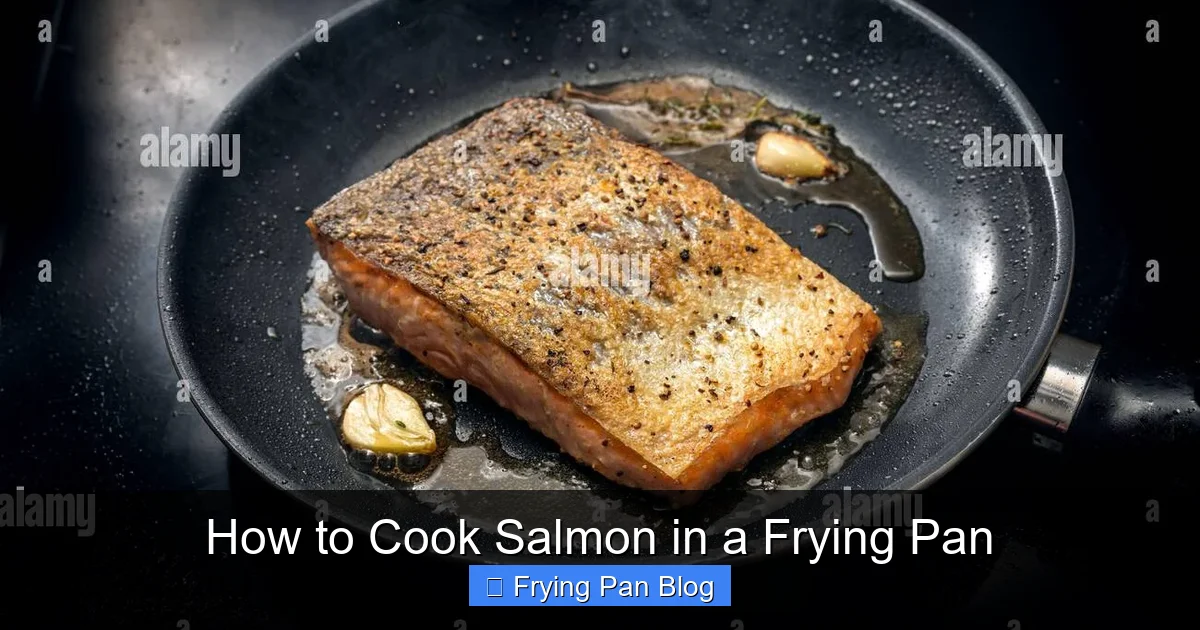
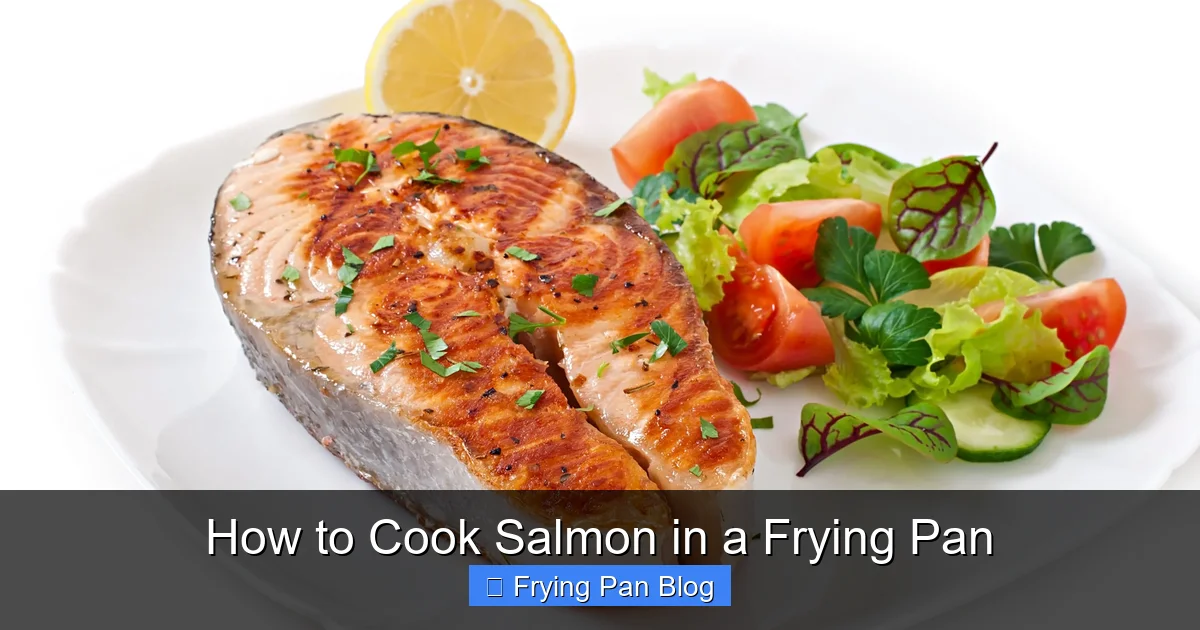
Visual guide about How to Cook Salmon in a Frying Pan
Image source: c8.alamy.com
Step 1: Choose the Right Salmon
Start with good quality salmon for the best results. Fresh or thawed salmon fillets are ideal. Look for fillets with firm flesh and bright, moist skin. Skin-on fillets are preferred because the skin helps keep the fish moist and adds a crispy texture when fried.
Visual guide about How to Cook Salmon in a Frying Pan
Image source: blogchef.net
Types of Salmon to Consider
- Wild-caught: Often more flavorful and leaner, but pricier.
- Farm-raised: More affordable and widely available, with a milder taste.
- Fresh vs Frozen: Fresh is best, but frozen salmon works well if thawed properly.
Step 2: Prepare Your Salmon
Proper preparation is key to cooking salmon perfectly.
Pat Dry
Use paper towels to pat the salmon dry. Removing surface moisture helps the skin crisp up and prevents steaming.
Season Generously
Season both sides with salt and pepper. You can also add garlic powder, paprika, or your favorite herbs for extra flavor. A squeeze of lemon juice before cooking can brighten the taste.
Step 3: Set Up Your Frying Pan
Choosing the right pan and preparing it properly makes a big difference.
Choose Your Pan
A non-stick skillet or a well-seasoned cast iron pan works best. Avoid pans that cause sticking, as salmon skin can tear easily.
Heat the Pan
Add 1-2 tablespoons of cooking oil with a high smoke point, like vegetable oil, canola oil, or avocado oil. Heat the pan over medium-high heat until the oil shimmers but doesn’t smoke.
Step 4: Cook the Salmon
Now for the main event—cooking the fish!
Place Skin-Side Down
Lay the salmon fillets skin-side down in the pan. Press down gently with a spatula for 10 seconds to prevent curling.
Cook Without Moving
Let the salmon cook undisturbed for 3-4 minutes, depending on thickness. You’ll see the color change as it cooks through from the bottom.
Flip Carefully
Once the skin is crisp and releases easily from the pan, flip the salmon carefully using a fish spatula or regular spatula.
Cook the Flesh Side
Cook for another 2-3 minutes until the salmon is opaque and flakes easily with a fork. Avoid overcooking; salmon should be moist inside.
Step 5: Add Final Touches and Serve
Once cooked, remove salmon from the pan and let it rest for a minute.
Brighten with Lemon and Herbs
Squeeze fresh lemon juice over the salmon and sprinkle with chopped herbs like parsley, dill, or chives for freshness.
Serving Suggestions
Serve your pan-fried salmon with side dishes like steamed vegetables, rice, or a fresh salad for a complete meal.
Practical Tips for Perfect Pan-Fried Salmon
- Room temperature: Let salmon sit out for 15 minutes before cooking to promote even cooking.
- Don’t overcrowd the pan: Cook in batches if needed to maintain heat and crisp skin.
- Use a fish spatula: It makes flipping delicate fish easier.
- Check doneness by touch: Salmon should feel firm but springy when pressed.
- Keep heat consistent: Medium-high heat is ideal to avoid burning or undercooking.
Troubleshooting Common Issues
Salmon Sticks to the Pan
This usually means the pan isn’t hot enough or not enough oil was used. Preheat the pan properly and add enough oil to coat the bottom. Also, avoid moving the fish too soon—let it form a crust first.
Skin Isn’t Crispy
Make sure the salmon is dry before cooking and the pan is hot. Cooking skin-side down longer helps. Using a heavier pan like cast iron can improve crispiness.
Overcooked Salmon
Salmon cooks fast. Set a timer to avoid overcooking. Remove from heat as soon as the fish flakes easily and is opaque inside.
Salmon Curls Up in the Pan
Press down gently with a spatula when placing it skin-side down to prevent curling. Also, letting the salmon come closer to room temperature before cooking helps.
Conclusion
Cooking salmon in a frying pan is simple and rewarding. With fresh salmon, proper prep, and the right technique, you can enjoy juicy, flavorful salmon with crispy skin in under 15 minutes. Practice these steps and tips, and soon you’ll master this quick and healthy cooking method. Happy cooking!
🎥 Related Video: Garlic Buttered Salmon #seafood #fish #salmon #cooking #recipe #garlic #butter #mealprep
📺 Hassan Pech