
This guide teaches you exactly how to use a rice cooker to make perfect rice every single time. You’ll learn the right rice-to-water ratios, proper preparation steps, and essential tips for fluffy results. We cover everything from basic operation to troubleshooting common problems so you can master your rice cooker with confidence.
Contents
- 1 Key Takeaways
- 2 How to Use a Rice Cooker Step by Step Perfect Rice Every Time
- 3 Step 1: Choose and Prepare Your Rice
- 4 Step 2: Add Water and Seasonings
- 5 Step 3: Set Up the Rice Cooker
- 6 Step 4: Start the Cooking Cycle
- 7 Step 5: Let the Rice Rest
- 8 Step 6: Serve and Store Leftovers
- 9 Troubleshooting Common Rice Cooker Problems
- 10 Pro Tips for Perfect Rice Every Single Time
- 11 Conclusion
Key Takeaways
- Measure accurately: Use the correct rice-to-water ratio (usually 1:1.5 to 1:2) for perfect texture every time.
- Wash your rice: Rinsing removes excess starch and prevents gummy rice.
- Let it rest: Allow rice to steam for 10-15 minutes after cooking for fluffier results.
- Know your rice type: Different rice varieties require different water amounts and cooking times.
- Clean regularly: Proper maintenance extends your rice cooker’s life and prevents sticking.
- Store safely: Refrigerate leftovers within two hours to keep food safe.
How to Use a Rice Cooker Step by Step Perfect Rice Every Time
Learning how to use a rice cooker is one of the easiest ways to improve your cooking routine. These simple machines take all the guesswork out of making rice. No more watching pots, adjusting heat, or worrying about burnt rice. In this guide, you’ll discover exactly how to get perfect, fluffy rice every single time. We’ll walk through each step from start to finish, share pro tips, and help you avoid common mistakes. By the end, you’ll be a rice cooker expert.
Step 1: Choose and Prepare Your Rice
Before you even plug in your rice cooker, you need to select the right rice and prepare it properly. This first step makes a huge difference in your final results.
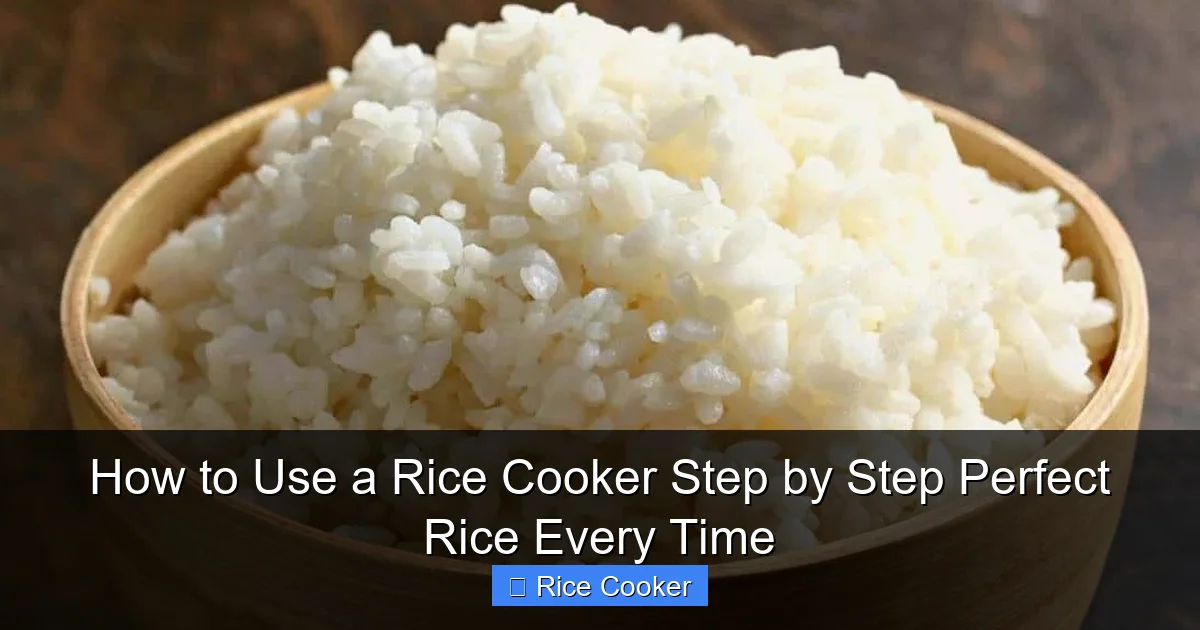
Visual guide about How to Use a Rice Cooker Step by Step Perfect Rice Every Time
Image source: diyjoy.com
Select the Right Rice Type
Not all rice is the same. Short-grain rice is sticky and perfect for sushi. Long-grain rice like basmati or jasmine stays fluffy and separate. Medium-grain works well for everyday meals. Check out our types of rice guide for more details on which variety suits your dish best. Different rice types need different water amounts, so knowing what you’re cooking is essential.
Rinse the Rice Thoroughly
Place your rice in a fine-mesh strainer and run cold water over it. Gently swirl the rice with your fingers. Keep rinsing until the water runs clear. This removes excess starch from the surface. Unwashed rice often turns out gummy or clumpy. Rinsing also helps remove any dust or small particles. For most rice types, 30 seconds to 1 minute of rinsing is plenty. Some varieties like sushi rice benefit from a slightly longer rinse.
Measure Accurately
Use the measuring cup that came with your rice cooker. A standard rice cup holds about 3/4 of a regular US cup. Scoop the rice into the cup and level it off with a knife. Don’t pack it down. For water, use the lines inside the rice cooker pot or a separate measuring cup. The general rule is 1 cup of rice needs 1.5 to 2 cups of water. Learning to measure correctly is crucial for perfect rice every time.
Step 2: Add Water and Seasonings
Now it’s time to add liquid to your rice. This step is where many beginners go wrong.
Visual guide about How to Use a Rice Cooker Step by Step Perfect Rice Every Time
Image source: diyjoy.com
Use the Right Water Ratio
For white rice: 1 cup rice to 1.5 cups water. For brown rice: 1 cup rice to 2 cups water. For jasmine or basmati: 1 cup rice to 1.5 cups water. Your rice cooker’s inner pot has measurement lines that show exactly how much water to add for different rice amounts. These lines are your best friend. If you don’t see lines, use the finger method: place your fingertip on top of the rice. Add water until it reaches the first knuckle. This method works surprisingly well once you get used to it.
Add Flavor Enhancers
This is the perfect time to add extras. A pinch of salt enhances flavor. A teaspoon of butter or olive oil prevents sticking and adds richness. For aromatic rice, add a bay leaf or cardamom pod. You can even use broth instead of water for more flavor. Start with small amounts. You can always add more seasoning after cooking. Try our guide on using olive oil for cooking tips.
Step 3: Set Up the Rice Cooker
Proper setup ensures even cooking and prevents accidents.
Visual guide about How to Use a Rice Cooker Step by Step Perfect Rice Every Time
Image source: photos.bigoven.com
Clean the Inner Pot
Make sure the inner pot is completely dry before adding rice and water. Any moisture on the outside can cause splattering or affect the cooking mechanism. Wipe the pot with a clean towel. Check that it sits properly in the rice cooker base. The pot should rotate slightly but fit snugly. A loose pot can cause uneven heating.
Close the Lid Securely
Place the lid on top and make sure it clicks or locks into place. Most rice cookers won’t start if the lid isn’t closed properly. Double-check the steam vent is clear and not blocked. This vent releases excess steam during cooking. Blocking it can cause pressure to build up. Some models have removable steam vents that need to be reattached correctly.
Step 4: Start the Cooking Cycle
Now for the easy part. Let the machine do the work.
Select the Right Setting
Press the “White Rice” button for most regular rice. Use “Brown Rice” for whole grain varieties. Some cookers have settings for “Quick Cook,” “Porridge,” or “Steam.” Choose the one that matches your rice type. If your cooker only has an “On” button, that’s fine. Most basic models automatically detect when rice is done. The “Keep Warm” function usually activates automatically after cooking.
Let It Cook Without Peeking
Once you start the cycle, leave it alone. Opening the lid releases steam and heat, which can mess up the cooking time. Most rice cookers take 20-40 minutes depending on the setting and amount of rice. You’ll hear a click or see a light change when it’s done. Don’t rush this process. The rice cooker knows when the rice is ready by measuring moisture absorption.
Step 5: Let the Rice Rest
This step is crucial for perfect texture. Many people skip it and wonder why their rice is too wet or mushy.
Allow Natural Steaming
After the cook cycle ends, let the rice sit for 10-15 minutes with the lid closed. This allows the rice to steam in its own moisture. The grains become fluffier and more separate. This resting period evens out the moisture throughout the pot. Rice at the bottom is often slightly wetter than rice at the top. Steaming fixes this problem.
Fluff Before Serving
Use the plastic or wooden rice paddle that came with your cooker. Gently fluff the rice from bottom to top. Don’t stir vigorously or you’ll break the grains. The goal is to separate the grains without mashing them. A fork works in a pinch, but it’s easier to break the rice. The right tool makes this step much simpler.
Step 6: Serve and Store Leftovers
Enjoy your perfect rice, and handle leftovers safely.
Serve Immediately
Scoop the rice into bowls or onto plates right after fluffing. Rice continues to cook slightly from residual heat. Serving it promptly ensures the best texture. If you need to keep it warm for a while, leave the cooker on “Keep Warm.” Most models keep rice at a safe temperature for several hours.
Store Any Leftovers
Cool leftover rice quickly by spreading it on a baking sheet. Refrigerate within two hours of cooking. Store in an airtight container for up to 3-4 days. Reheat in the microwave with a damp paper towel on top. This adds moisture back to the rice. Proper storage keeps your food safe and maintains quality.
Troubleshooting Common Rice Cooker Problems
Even with perfect steps, issues can happen. Here’s how to fix the most common problems.
Rice Is Too Mushy
You likely used too much water or opened the lid during cooking. Try reducing water by 1/4 cup next time. Let the rice rest the full 15 minutes before serving. If it’s still wet, cook it on the “Quick” setting for 5 more minutes with the lid off to evaporate excess moisture.
Rice Is Too Hard or Undercooked
This means not enough water or the cycle ended too soon. Add 1/4 cup of water, close the lid, and press “Cook” again for 5-10 minutes. Make sure you’re using the right water ratio for your rice type. Brown rice always needs more water than white rice.
Rice Stuck to the Bottom
The pot wasn’t seasoned properly or the rice wasn’t rinsed well enough. Always rinse rice and add a small amount of oil to the water. Make sure the inner pot is clean and dry before each use. If sticking happens, let the rice cook for 5 more minutes with the lid off to crisp it up slightly, then scoop carefully.
The Rice Cooker Won’t Turn On
Check that the power cord is plugged in properly. Make sure the inner pot is seated correctly in the base. Some models have a safety feature that prevents operation without the pot. Clean the heating plate if it’s dirty or wet. If problems persist, consult your manual or contact the manufacturer.
Pro Tips for Perfect Rice Every Single Time
These extra tricks will make you a rice cooker master in no time.
Toast Your Rice First
For extra flavor, add a little oil to the pot and turn on the cooker for a few minutes. Add the rice and stir until it becomes slightly translucent. Then add water as normal. This toasting step works great for basmati and jasmine rice. It creates a nuttier flavor and firmer texture.
Use the Finger Method
Once you get comfortable, try the finger method for measuring water. Place your index finger on top of the rice. Add water until it reaches your first knuckle. This method works because it accounts for the pot’s size and your personal preference. Practice a few times to get it just right.
Keep the Pot Clean
Wash the inner pot with warm, soapy water after each use. Don’t use abrasive scrubbers that can damage the non-stick coating. Dry it completely before storing. A clean pot prevents sticking and extends the life of your rice cooker. Take care of your equipment, and it will take care of you.
Experiment with Add-Ins
Try adding coconut milk instead of water for tropical rice. Use chicken or vegetable broth for more flavor. Add frozen peas, carrots, or corn during the last 5 minutes of cooking. Spices like cumin or turmeric give rice a beautiful color and taste. Start with small experiments and find your favorite combinations.
Batch Cook for Meal Prep
Cook a large batch of rice on Sunday and use it throughout the week. Store portions in the fridge or freezer. Reheat individual servings in the microwave. Having ready-to-eat rice makes meal prep much easier. Cooking efficiently for your family saves time and reduces stress.
Conclusion
Using a rice cooker is simple once you know the basics. Measure your rice and water correctly. Rinse the rice. Let it rest after cooking. These three steps solve most rice problems. Your rice cooker does the hard work for you. It monitors temperature and moisture automatically. You just need to add the ingredients and press a button. With these steps, you’ll make perfect rice every single time. No more guessing, no more burnt pots, and no more mushy rice. Enjoy your fluffy, delicious rice with every meal. Your rice cooker is one of the most useful tools in your kitchen. Use it often and experiment with different recipes. Soon you’ll wonder how you ever cooked without it.
🎥 Related Video: How to Use Rice Cooker | how to cook rice | Best Rice Cooker 2022 | #shorts
📺 Bonvoj
Buy This Rice Cooker Flipkart http://fkrt.it/oxZOeKuuuN Amazon https://amzn.to/4fcITFD Keywords how to cook rice rice rice cooker …
