
Finding the right Japanese rice cooker can transform your daily meals. This guide walks you through essential features, top brands, and smart shopping tips. You’ll learn how to pick a model that makes perfect rice every time while fitting your budget and kitchen space.
Contents
- 1 Key Takeaways
- 2 Introduction: Why a Japanese Rice Cooker Changes Everything
- 3 Step 1: Understanding Your Rice Cooking Needs
- 4 Step 2: Key Features That Separate Japanese Rice Cookers
- 5 Step 3: Top Japanese Rice Cooker Brands Compared
- 6 Step 4: Size and Capacity Selection Guide
- 7 Step 5: Budget Planning and Value Assessment
- 8 Step 6: Smart Shopping and Purchase Checklist
- 9 Troubleshooting Common Concerns
- 10 Conclusion: Making Your Final Decision
Key Takeaways
- Identify your needs first: Consider family size, rice types, and frequency of use before shopping.
- Look for fuzzy logic technology: This smart feature adjusts cooking time and temperature for perfect results.
- Choose the right capacity: Match the cooker size to your household – 3-5 cups for singles, 5-10 cups for families.
- Check the inner pot material: Non-stick, ceramic, or stainless steel each offer different benefits and care requirements.
- Consider your budget: Entry models start around $100 while premium brands can exceed $500.
- Buy from reputable sellers: Authorized dealers ensure warranty coverage and genuine parts.
Introduction: Why a Japanese Rice Cooker Changes Everything
You might think all rice cookers are the same. That’s where you’re wrong. A Japanese rice cooker brings restaurant-quality results to your home kitchen. These appliances use advanced technology to control heat and timing precisely. The difference shows in every grain – fluffy, consistent, and perfectly cooked.
This guide covers everything you need to know. We’ll walk through features, brands, sizes, and smart shopping strategies. By the end, you’ll confidently choose the best Japanese rice cooker for your needs. No more guessing. No more burnt or mushy rice. Just perfect results every single time.
Step 1: Understanding Your Rice Cooking Needs
Start here. Your perfect rice cooker depends entirely on how you plan to use it. Ask yourself these questions before looking at models.
Visual guide about Japanese Rice Cooker Buying Guide Top Picks and Tips
Image source: irepo.primecp.com
How Much Rice Do You Cook Regularly?
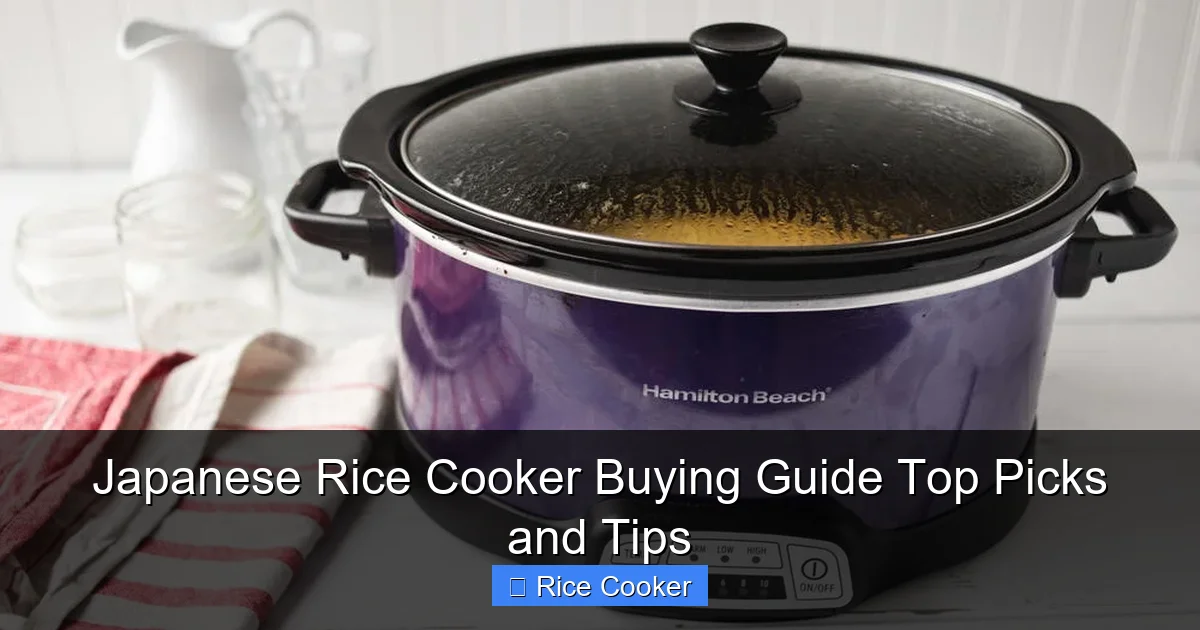
Japanese rice cookers come in specific capacities. The right size saves energy and ensures optimal cooking. A single person or couple needs a 3-5 cup model. Families of four should look at 5-8 cup versions. Larger households or frequent entertainers might need 10 cups or more.
Cooking small batches in a large cooker wastes energy and can affect results. The rice needs to sit snugly in the pot for proper heat distribution. Always round up if you’re between sizes.
What Types of Rice Will You Prepare?
Different rice varieties need different cooking approaches. Most Japanese rice cookers handle white rice perfectly. But will you also cook brown rice, sushi rice, or mixed grains? Check if the model has specific settings for each type.
Some advanced units include programs for different rice varieties like jasmine, basmati, or even quinoa. This versatility matters if you experiment with international cuisines.
How Often Will You Use It?
Daily users need durable construction and reliable performance. Occasional cooks might prioritize compact storage. If you plan to use it several times a week, invest in a mid-range model with solid warranty coverage. For everyday use, the heating element and inner pot quality become critical factors.
Step 2: Key Features That Separate Japanese Rice Cookers
Not all features are created equal. Focus on these essentials for the best experience.
Visual guide about Japanese Rice Cooker Buying Guide Top Picks and Tips
Image source: m.media-amazon.com
Fuzzy Logic Technology
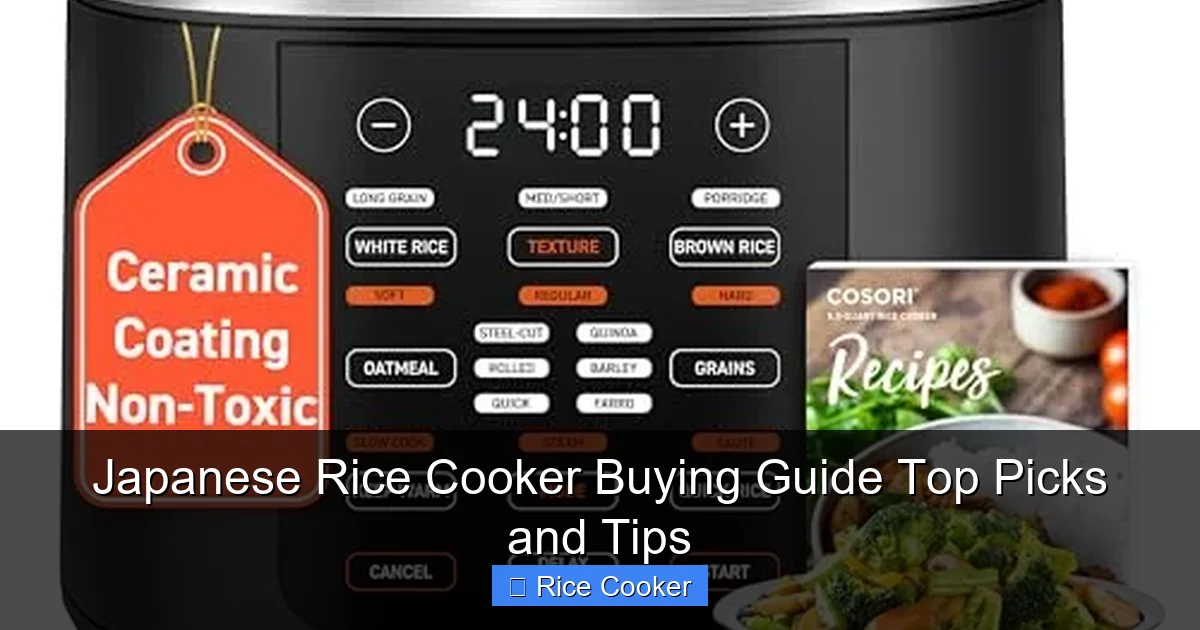
This is the game-changer. Fuzzy logic allows the cooker to adjust temperature and time automatically. It senses moisture levels and grain type. The result? Perfect rice every time, even if you measure slightly wrong.
Basic models use simple on/off timers. Fuzzy logic models cost more but deliver superior results. Look for this feature in mid-range and premium Japanese rice cookers. It’s worth the investment for consistent quality.
Inner Pot Material and Construction
The pot matters more than you think. Most Japanese rice cookers feature non-stick coatings. These are easy to clean but can scratch over time. Higher-end models use ceramic coatings that last longer and distribute heat better.
Some premium options include stainless steel or induction-compatible pots. These offer even heating and professional results. Consider how easy the pot is to remove and clean. A heavy pot provides better heat retention but might be difficult to handle.
Heating System Types
Japanese rice cookers use three main heating methods. Induction heating is the most advanced. It heats the entire pot evenly from all sides. This creates perfect texture throughout.
Bottom heating uses a single element under the pot. It’s effective but can cause slight unevenness. Wrap-around heating adds side elements for better distribution. For the best results, choose induction heating if your budget allows.
Additional Cooking Functions
Modern Japanese rice cookers do more than rice. Steam vegetables, cook porridge, or bake cakes. A slow-cook function adds versatility. Delay timers let you wake up to freshly cooked rice.
Consider which extras you’ll actually use. More functions mean higher prices and complex controls. Stick to essentials if you mainly want perfect rice.
Step 3: Top Japanese Rice Cooker Brands Compared
Five brands dominate the market. Each offers distinct advantages.
Visual guide about Japanese Rice Cooker Buying Guide Top Picks and Tips
Image source: archute.com
Zojirushi
Zojirushi sets the standard for quality. Their induction models deliver exceptional results. The brand offers excellent warranty coverage and customer support. You’ll pay premium prices, but the durability justifies the cost.
Popular models include the NS-ZLH series with advanced fuzzy logic. The inner pots feature durable non-stick surfaces. Zojirushi cookers maintain temperature well after cooking, keeping rice warm for hours.
Panasonic
Panasonic provides reliable performance across price points. Their mid-range models offer great value. The SR series features solid fuzzy logic technology without breaking the bank.
These cookers include helpful features like retractable power cords and easy-to-read displays. Panasonic’s customer service is accessible throughout the US. Spare parts remain available for years.
Tiger Corporation
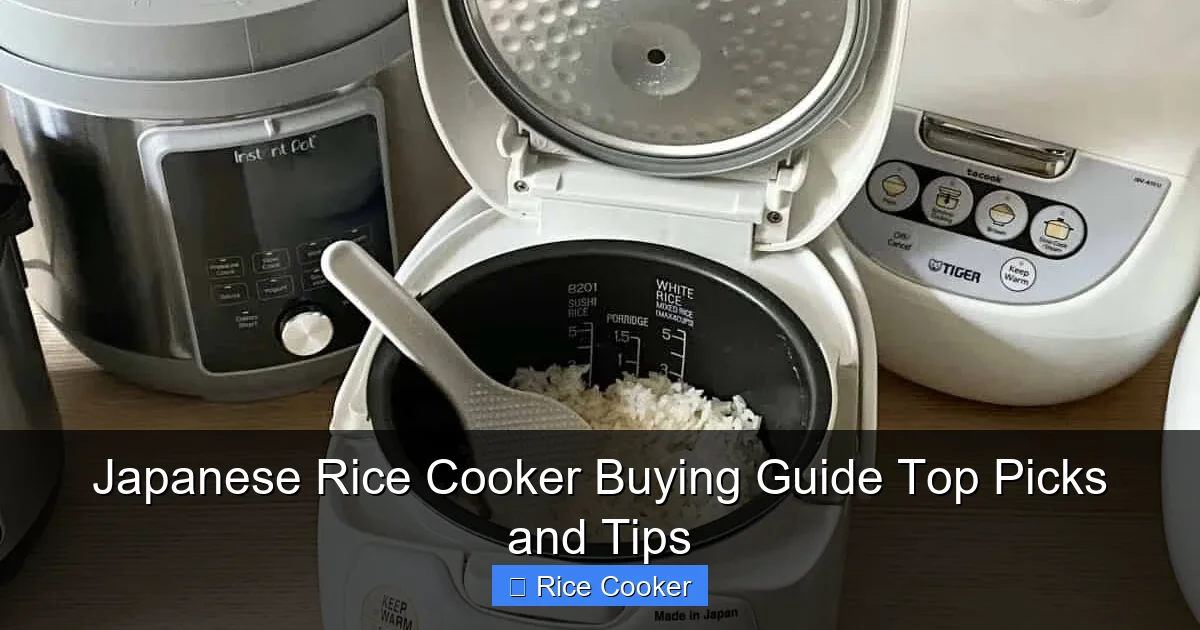
Tiger balances price and performance effectively. Their JBA and JBX lines include induction heating at lower prices than Zojirushi. The brand’s unique “tacook” function steams food while cooking rice simultaneously.
Tiger cookers feature attractive designs that fit modern kitchens. The inner pots use ceramic coatings that resist scratching. Warranty terms are competitive with other major brands.
Mitsubishi
Mitsubishi specializes in commercial-grade performance. Their magnetic resonance heating system is incredibly precise. These models represent the pinnacle of rice cooking technology.
Expect to pay $500 or more for Mitsubishi’s best units. They’re ideal for serious home cooks or small restaurants. The learning curve is steeper, but results are unmatched.
Aroma Housewares
Aroma offers budget-friendly Japanese-style cookers. While not made in Japan, they incorporate fuzzy logic technology. These models work well for beginners or occasional users.
Don’t expect the same durability as premium brands. However, Aroma provides good value for under $150. They’re perfect for testing if a rice cooker fits your lifestyle.
Step 4: Size and Capacity Selection Guide
Choosing the wrong size is the most common mistake. Follow this simple system.
Measuring Your Household Needs
Japanese rice cookers measure capacity in “go,” the traditional rice cup. One go equals about 180ml or 3/4 of a US cup. A 5.5 go model cooks about 3 cups of uncooked rice. That yields 6-7 cups cooked.
For one person: Choose 3.0-5.5 go capacity. For two people: 5.5 go works well. Families of three to four need 10 go models. For five or more, consider 10-15 go units.
Physical Dimensions Matter
Measure your storage space before buying. Japanese rice cookers vary significantly in size. A 5.5 go model might be 10 inches wide. A 10 go version could exceed 14 inches.
Counter space is valuable. Consider where you’ll store the cooker when not in use. Some models have cord storage to reduce clutter. Others are designed for permanent counter placement.
Portability Considerations
Will you move the cooker frequently? Heavier models with metal exteriors offer durability but weigh more. Lightweight plastic models are easier to store but may not last as long.
Handles make transportation easier. Check if the model includes side handles or a carrying case. This matters for RVs, dorm rooms, or shared kitchens.
Step 5: Budget Planning and Value Assessment
Set realistic expectations. Quality Japanese rice cookers represent a significant investment.
Price Ranges Explained
Entry-level models ($100-$150) offer basic fuzzy logic. They work well for white rice but may struggle with brown rice or mixed grains. Build quality is adequate for occasional use.
Mid-range units ($150-$300) include better heating systems and more functions. These are the sweet spot for most households. You’ll get induction heating and durable construction.
Premium models ($300-$600+) feature commercial-grade components and advanced programs. Professional chefs and serious enthusiasts will appreciate these. For daily home use, mid-range offers the best value.
Long-term Cost Considerations
Factor in replacement parts and accessories. Inner pots eventually wear out. Premium brands keep spare parts available for 5-10 years. Budget brands may discontinue support sooner.
Energy costs are minimal. Rice cookers use relatively little electricity. A quality model might cost $2-3 per year in power. Durability matters more for long-term value.
When to Splurge vs. Save
Splurge if you cook rice daily or serve guests frequently. The time saved and results achieved justify the cost. Save if you’re new to rice cookers or cook only a few times monthly.
Consider the warranty. Premium brands offer 1-3 year coverage. Some include extended warranties for heating elements. This protection adds value to higher-priced models.
Step 6: Smart Shopping and Purchase Checklist
Where you buy matters as much as what you buy. Follow this process.
Authorized Retailers
Buy from authorized dealers only. This ensures genuine products and valid warranties. Major electronics stores, department stores, and the brands’ official websites are safe choices.
Avoid third-party sellers on auction sites. Counterfeit products are common. They may look identical but lack safety certifications and proper components. Your safety is worth the extra cost.
In-Store vs. Online Shopping
In-store shopping lets you examine build quality and size firsthand. You can check how smoothly the lid opens and how heavy the pot feels. Staff can answer immediate questions.
Online shopping offers better selection and often lower prices. Read customer reviews carefully. Look for comments about durability and customer service. Check return policies before purchasing.
Final Purchase Checklist
Before finalizing your decision, verify these points:
- Warranty coverage length and what it includes
- Availability of replacement parts like inner pots and lids
- Voltage compatibility (most are 120V for US homes)
- Return policy timeframe
- Customer service accessibility
- Included accessories (measuring cup, spatula, steamer basket)
Keep all packaging until you’ve used the cooker successfully. This makes returns easier if you discover defects.
Troubleshooting Common Concerns
Every buyer has questions. Address these concerns before they become problems.
Is a Japanese Rice Cooker Worth the Price?
Yes, if you value perfectly cooked rice and convenience. These appliances eliminate guesswork. They free up stove space and reduce cooking time. For families that eat rice regularly, the investment pays off quickly.
Compare the cost to dining out. Perfect rice at home saves money versus restaurant meals. The cooker pays for itself over time.
How Difficult Are They to Clean?
Most Japanese rice cookers are easy to clean. The inner pot is removable and dishwasher safe. Wipe the main unit with a damp cloth. Avoid abrasive cleaners that damage non-stick coatings.
Sticky rice can bake onto the pot. Soak stubborn residue in warm water before washing. Never use metal utensils that scratch the surface.
Will It Work With My Kitchen Setup?
Japanese rice cookers require standard 120V outlets. They draw 500-1000 watts during cooking. Most kitchen circuits handle this easily. Check that your outlet isn’t shared with high-draw appliances like microwaves.
Consider ventilation. The cooker releases steam during operation. Leave several inches of space around it for safety. Don’t store items directly above the unit.
How Long Should It Last?
Quality Japanese rice cookers last 5-10 years with proper care. Premium brands often exceed 10 years. The heating element and inner pot are the most common failure points.
Regular cleaning and proper storage extend lifespan. Avoid cooking other grains like oatmeal that can damage the pot. Follow the manufacturer’s instructions for optimal performance.
Conclusion: Making Your Final Decision
Choosing a Japanese rice cooker transforms how you prepare rice. Start by assessing your household needs and budget. Focus on fuzzy logic technology and proper capacity. Research brands and read user reviews. Always purchase from authorized retailers.
Remember that the best Japanese rice cooker is the one you’ll use regularly. A premium model gathering dust helps no one. Find the balance between features and simplicity that fits your lifestyle. With the right choice, you’ll enjoy perfect rice, batch after batch, for years to come.
