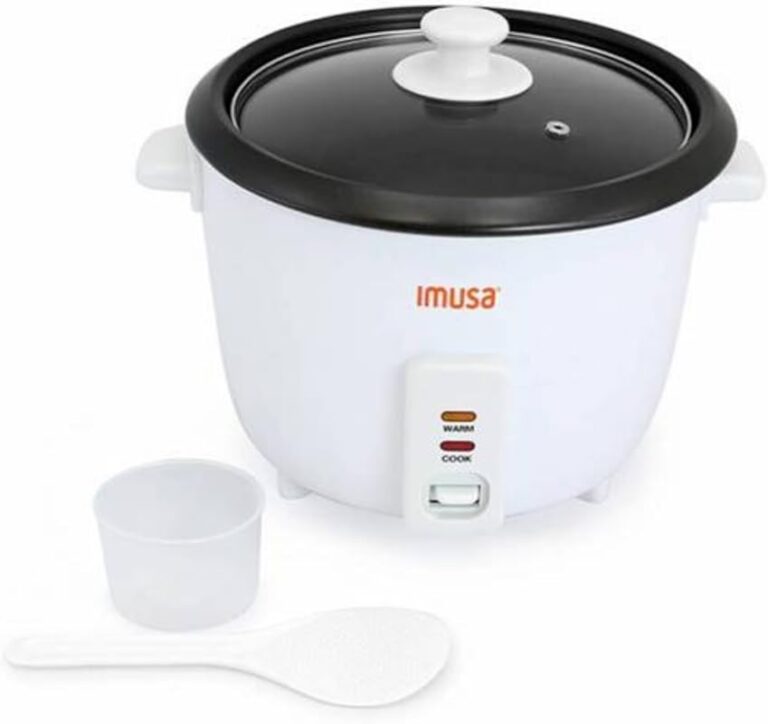
Rice Cooker Pot Dishwasher Safe Guide Easy Cleaning Tips

Discover whether your rice cooker pot is dishwasher safe and master the proper cleaning techniques. This guide covers identification symbols, step-by-step dishwasher instructions, and pro tips to extend your pot’s lifespan. Keep your rice cooker in perfect condition with these easy cleaning methods.
Key Takeaways
- Check manufacturer guidelines first: Always consult your manual or look for dishwasher-safe symbols before placing your rice cooker pot in the dishwasher to avoid damage.
- Proper placement matters: Position the pot upside down on the top rack to prevent water pooling and ensure thorough cleaning.
- Choose gentle cycles: Use normal or delicate wash cycles with heated dry turned off to protect non-stick coatings.
- Some materials need hand-washing: Stainless steel inner pots with disc bottoms and older non-stick coatings should always be hand-cleaned.
- Pre-rinse sticky rice residue: Soak the pot immediately after use to prevent starchy buildup that’s hard to remove.
- Season your pot regularly: A light oil coating after washing maintains non-stick properties and prevents sticking.
Is Your Rice Cooker Pot Dishwasher Safe? Here’s How to Tell
Before you load your rice cooker pot into the dishwasher, you need to confirm it’s actually safe to do so. Many people assume all removable pots are dishwasher safe, but that’s not always true. Using the wrong cleaning method can ruin your pot’s non-stick coating, cause warping, or void your warranty.
The good news is that most modern rice cookers come with dishwasher-safe inner pots. Manufacturers design these for easy cleanup because they know rice can be messy. But you must verify your specific model to avoid costly mistakes.
Check the Manual First
Your user manual is the most reliable source of information. Look for the cleaning section and search for “dishwasher” or “dishwasher safe” mentions. If the manual explicitly states the inner pot is dishwasher safe, you’re good to go. If it says “hand-wash only,” respect those instructions. The manual might also specify which dishwasher rack to use and what temperature to avoid.
Lost your manual? No problem. Most manufacturers post digital copies on their websites. Just search for your model number plus “PDF” or “manual.” You can also call customer service with your model number for quick clarification.
Look for Dishwasher-Safe Symbols
Manufacturers often stamp symbols on the pot or the appliance base. Look for a simple dishwasher icon—usually a square with a spray wand inside. Some brands use a text label that says “Dishwasher Safe” directly on the handle or bottom of the pot.
Another common symbol is a cup and saucer icon, which indicates the item is safe for dishwasher use. If you see any of these symbols, your rice cooker inner pot can handle the dishwasher. When in doubt, take a photo of the symbol and search online to confirm its meaning.
Identify Your Pot Material
The material determines dishwasher safety. Most rice cooker pots fall into these categories:
- Non-stick aluminum: Most common and typically dishwasher safe. The non-stick coating is bonded to aluminum, which handles dishwasher heat well.
- Stainless steel: Usually dishwasher safe, but avoid harsh detergents that can cause spotting.
- Ceramic-coated: Generally dishwasher safe but check for flaking or cracks first.
- Heavy-gauge aluminum with thermal disc: Often hand-wash only due to potential warping.
If your pot has a visible aluminum disc on the bottom (a thermal plate for even heating), it’s usually better to hand-wash. The extreme heat and force of dishwasher spray can damage this construction over time.
Step-by-Step Guide to Dishwasher-Safe Rice Cooker Pot Cleaning
Now that you’ve confirmed your rice cooker pot is dishwasher safe, let’s walk through the proper cleaning process. Following these steps ensures your pot comes out spotless without damage.

Visual guide about Rice Cooker Pot Dishwasher Safe Guide Easy Cleaning Tips
Image source: ricearray.org
Step 1: Safety First – Unplug and Cool Down
Always unplug your rice cooker before removing the inner pot. Even if it seems cool, the heating element can retain electricity. Let the pot cool completely to room temperature—this prevents thermal shock that could cause warping. Never handle a hot pot with wet hands or place it in the dishwasher while warm.
Cooling usually takes 15-20 minutes. If you’re in a hurry, you can carefully run cool water over the bottom to speed up the process. Just make sure the electrical base stays completely dry.
Step 2: Remove the Inner Pot Properly
Lift the pot straight up from the rice cooker base. Don’t twist or angle it, as this can damage the heating element contacts. Most pots release easily with a gentle upward motion. If you feel resistance, double-check that you’ve released any locking mechanism or latch.
Place the removed pot on a towel or cutting board. This protects your countertop and prevents the hot pot from damaging surfaces. The towel also catches any water droplets or rice grains that might fall out.
Step 3: Rinse and Remove Loose Debris
Rinse the pot under warm running water to remove loose rice grains and starch. Use your hand or a soft sponge to gently dislodge any stuck bits. Don’t use metal scrubbers at this stage—they can scratch the non-stick surface.
For sticky rice varieties like sushi rice or arborio, you might notice a stubborn starch film. A quick soak in warm, soapy water for 5-10 minutes loosens this. This pre-rinse step is crucial for getting your rice cooker pot truly clean in the dishwasher.
If you want to learn more about preventing sticky rice residue, check out our guide on how to cook rice perfectly every time. Proper cooking techniques reduce cleanup dramatically.
Step 4: Load the Dishwasher Correctly
Place your rice cooker pot upside down on the top rack. This position allows water to drain out rather than pool inside. It also ensures the spray arm reaches all surfaces evenly. Never place it right-side up—trapped water and detergent can damage the coating.
Keep the pot away from the dishwasher’s heating element if you have a visible one at the bottom. The direct heat can degrade non-stick coatings over time. Position it so that other dishes don’t block the spray arm’s rotation. If your dishwasher has a cutlery basket, make sure it doesn’t rest against the pot’s interior.
Step 5: Choose the Right Cycle and Detergent
Select a normal or delicate wash cycle. Avoid pots-and-pans or heavy-duty cycles—they’re too harsh for non-stick coatings. Turn off the heated dry option if your dishwasher has one. Air drying is gentler and prevents the extreme temperatures that can damage coatings.
Use a mild, liquid dishwasher detergent. Powder detergents can be too abrasive, and some contain bleach that discolors aluminum. Skip the rinse aid setting, as these chemicals can build up on non-stick surfaces and affect cooking performance. A simple detergent is all you need for a clean rice cooker inner pot.
Hand-Washing vs. Dishwasher: Making the Right Choice
Even if your pot is dishwasher safe, sometimes hand-washing is the better option. Understanding when to choose each method extends your pot’s life and keeps it performing perfectly.

Visual guide about Rice Cooker Pot Dishwasher Safe Guide Easy Cleaning Tips
Image source: ricearray.org
When to Always Hand-Wash
Hand-wash your rice cooker pot if you see any chips or scratches in the non-stick coating. The dishwasher’s harsh environment can worsen these flaws. Also hand-wash if your pot has a thermal disc bottom or is made of multi-ply stainless steel—these constructions can warp under extreme dishwasher heat.
If you have hard water with high mineral content, hand-washing prevents scale buildup that dishwashers can’t always remove. The same goes for pots with decorative finishes or colored exteriors—dishwasher heat can fade these over time.
Benefits of Hand-Washing for Dishwasher-Safe Pots
Hand-washing gives you complete control over the cleaning process. You can use the exact water temperature you prefer and ensure no rice grains remain trapped. It’s also gentler on the environment and uses less water than running a full dishwasher load.
For lightly soiled pots, a quick hand wash takes just 2-3 minutes. Keep a dedicated soft sponge for your rice cooker to avoid cross-contamination from other dishes. This simple habit keeps your rice cooker pot in pristine condition for years.
Pro Tips for Keeping Your Rice Cooker Pot Like New
Regular maintenance goes beyond just washing. These pro tips prevent common problems and keep your pot cooking perfectly.

Visual guide about Rice Cooker Pot Dishwasher Safe Guide Easy Cleaning Tips
Image source: ricearray.org
Avoid Abrasive Cleaners and Tools
Never use steel wool, scouring pads, or harsh chemical cleaners on your rice cooker pot. These strip the non-stick coating and create scratches where rice can stick. Instead, use soft sponges, nylon brushes, or microfiber cloths. For stubborn stains, baking soda paste works wonders without damaging the surface.
Avoid oven cleaners, bleach, or degreasers—they’re too strong for non-stick coatings. Even dishwasher detergents labeled “heavy-duty” can be problematic. Stick to mild, pH-neutral cleaners for the best results.
Deal with Sticky Rice Residue Effectively
The biggest challenge with rice cooker cleanup is starchy residue. Different rice types create different cleaning challenges. Understanding rice varieties helps you anticipate cleanup needs.
For sticky rice like jasmine or basmati, soak the pot immediately after cooking. Fill it with warm water and a few drops of dish soap. Let it sit for 10-15 minutes while you enjoy your meal. The starch will dissolve, making cleanup effortless. For burnt rice, add vinegar to the soak—it breaks down the carbonized bits.
Season Your Non-Stick Pot
Seasoning isn’t just for cast iron. A light coat of oil after washing maintains your pot’s non-stick properties. After the pot dries completely, rub a thin layer of cooking oil on the interior using a paper towel. Use an oil with a high smoke point like canola, vegetable, or other healthy cooking oils.
Heat the oiled pot in the rice cooker on the “warm” setting for 2-3 minutes. This bonds the oil to the surface. Let it cool, then wipe away excess oil with a clean cloth. Your pot will be non-stick ready for the next use. This simple step prevents 90% of sticking problems.
Troubleshooting Common Issues
Even with proper care, issues can arise. Here’s how to fix the most common problems with rice cooker pot dishwasher cleaning.
Pot Discoloration or Cloudy Film
A cloudy film often comes from hard water minerals or detergent buildup. To remove it, fill the pot with equal parts water and white vinegar. Boil it on your stovetop (if the pot is stove-safe) or run it through a dishwasher cycle with the vinegar inside. Rinse thoroughly afterward.
For colored aluminum pots, discoloration might be oxidation. A paste of lemon juice and baking soda gently rubbed on the surface usually restores the shine. Rinse immediately and dry completely to prevent further oxidation.
Warping or Shape Changes
If your pot no longer sits flat in the rice cooker, it has likely warped from excessive heat. This often happens when placing a hot pot in the dishwasher or using the heated dry cycle. Unfortunately, warped pots won’t cook rice evenly and need replacement.
Prevent warping by always letting the pot cool completely before washing. Never use the rinse-and-hold cycle on your dishwasher, as it uses high heat. If you have a stainless steel pot, avoid rapid temperature changes—don’t pour cold water into a hot pot.
Lingering Odors or Tastes
Rice cookers sometimes absorb odors from other foods in the dishwasher. If your pot smells like last night’s lasagna, wash it by hand with lemon juice and baking soda. You can also boil a few slices of lemon in the pot for 5 minutes to freshen it.
For persistent odors, spice-based cleaning methods work well. Toast a teaspoon of cumin or coriander seeds in the dry pot, then wipe clean. The spices neutralize odors naturally. Always store your pot with the lid off to prevent musty smells from developing.
Conclusion
Cleaning your rice cooker pot in the dishwasher is simple when you follow the right steps. Always verify dishwasher safety first, then use proper loading techniques and gentle cycles. Remember that hand-washing is sometimes the better choice for delicate pots or hard water situations.
With these tips, your rice cooker pot will stay in perfect condition for years. No more scrubbing stuck-on rice or worrying about damaging your appliance. Enjoy perfectly cooked rice every time, knowing cleanup will be a breeze. Your future self will thank you for taking these simple steps today.
🎥 Related Video: How to sanitize/sterilize baby feeding bottles | sterilize feeding bottles without sterilizer
📺 Fussy Mommy Explores