
Are Aluminum Frying Pan Safe for Cooking Find Out Now

Wondering if aluminum frying pans are safe for cooking? This article explores the safety, benefits, and potential risks of using aluminum pans. You’ll get useful tips to cook confidently with aluminum cookware while keeping your meals healthy.
Key Takeaways
- Aluminum pans are widely used: They offer excellent heat conduction and affordability.
- Raw aluminum exposure concerns: Uncoated aluminum can react with acidic foods, causing leaching.
- Anodized aluminum is safer: This treated surface prevents aluminum from leaching into food.
- Health risks are minimal: Normal cooking with aluminum pans poses little risk to healthy individuals.
- Proper care extends pan life: Avoid harsh scrubbing and acidic foods in untreated aluminum pans.
- Aluminum pans are lightweight and efficient: Great for everyday cooking and quick heating.
- Consider your cooking needs: Choose coated or anodized aluminum pans for safer, long-term use.
Quick Answers to Common Questions
Are aluminum frying pans safe to use daily?
Yes, aluminum frying pans are safe for daily use, especially if they are anodized or coated. Proper care helps maintain safety and durability.
Can aluminum pans cause aluminum poisoning?
Normal cooking with aluminum pans does not cause aluminum poisoning. The body handles small amounts safely, and anodized pans reduce leaching risks.
Is anodized aluminum better than raw aluminum?
Yes, anodized aluminum has a hardened surface that prevents aluminum from leaching into food, making it safer and more durable than raw aluminum.
Can I cook acidic foods in aluminum pans?
It’s best to avoid cooking highly acidic foods in raw aluminum pans, as they can cause aluminum leaching. Anodized or coated pans are safer for acidic dishes.
How do I clean aluminum frying pans properly?
Hand wash aluminum pans with mild detergent and avoid abrasive scrubbers to protect the surface and prolong pan life.
📑 Table of Contents
- Are Aluminum Frying Pans Safe for Cooking? Find Out Now
- Why Are Aluminum Frying Pans So Popular?
- What Are the Safety Concerns About Aluminum Frying Pans?
- How Does Anodized Aluminum Improve Safety?
- Practical Tips to Use Aluminum Frying Pans Safely
- Comparing Aluminum Pans to Other Cookware Types
- Final Thoughts: Should You Use Aluminum Frying Pans?
Are Aluminum Frying Pans Safe for Cooking? Find Out Now
If you’ve ever shopped for cookware, you’ve probably noticed aluminum frying pans everywhere — they’re lightweight, affordable, and heat up fast. But you might also have wondered: “Are aluminum frying pans safe for cooking?” You’re not alone. Many people question whether aluminum can leach into food and cause health problems.
In this article, we’ll take a friendly, no-nonsense look at aluminum frying pans. We’ll explain how aluminum cookware works, what the science says about its safety, and how you can use it without worry. By the end, you’ll be ready to choose the right pan and cook with confidence.
Let’s start by understanding what aluminum pans are and why they’re so popular in kitchens worldwide.
Why Are Aluminum Frying Pans So Popular?
Excellent Heat Conduction
Aluminum is a fantastic conductor of heat. This means aluminum pans heat up quickly and evenly, reducing hot spots that can burn food. Whether you’re sautéing vegetables or frying eggs, aluminum pans help you get consistent results.
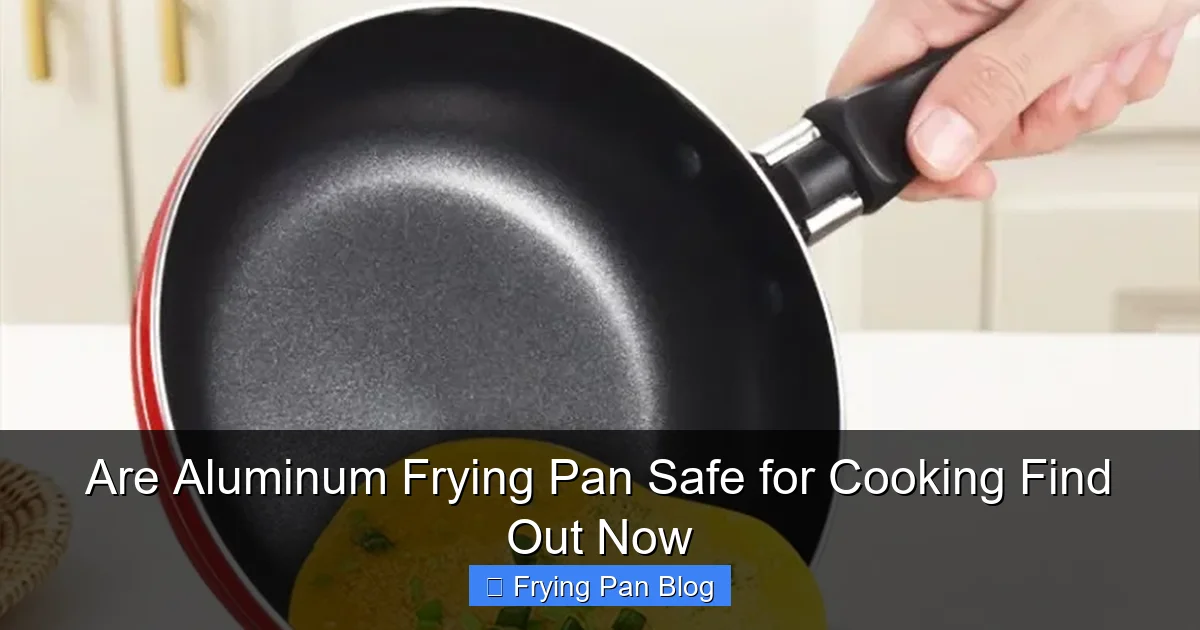
Visual guide about Are Aluminum Frying Pan Safe for Cooking Find Out Now
Image source: allniceofficial.com
Lightweight and Affordable
Compared to heavier metals like cast iron or stainless steel, aluminum pans are very lightweight. This makes them easy to handle, especially for everyday cooking. Plus, aluminum cookware is generally more affordable, making it a favorite among budget-conscious cooks.
Versatility in the Kitchen
Aluminum pans come in various forms — raw aluminum, anodized aluminum, or coated with non-stick layers. This versatility means you can find an aluminum pan that suits your cooking style and needs.
What Are the Safety Concerns About Aluminum Frying Pans?
Can Aluminum Leach Into Food?
One of the biggest questions about aluminum cookware is whether aluminum metal can leach into your food during cooking. It’s true that raw or untreated aluminum can react with acidic ingredients like tomatoes, vinegar, or citrus. This reaction may cause small amounts of aluminum to enter your meal.
Is Aluminum Toxic?
Aluminum is naturally present in the environment and even in small amounts in some foods. The human body can handle small amounts of aluminum without harm. According to health experts, normal cooking with aluminum pans does not expose you to dangerous aluminum levels.
Who Should Be Careful?
People with kidney problems or those who need to limit aluminum intake should be cautious. But for healthy individuals, occasional use of aluminum frying pans is generally safe.
How Does Anodized Aluminum Improve Safety?
What Is Anodized Aluminum?
Anodizing is an electrochemical process that hardens the aluminum surface. This creates a durable, non-reactive layer that prevents aluminum from leaching into food. Anodized aluminum pans are resistant to scratches and corrosion.
Benefits of Anodized Aluminum Pans
- Safe for cooking acidic foods without risk of metal transfer
- More durable and longer-lasting than raw aluminum pans
- Often compatible with non-stick coatings for easy cooking and cleaning
Choosing Anodized Aluminum Pans
When buying an aluminum frying pan, look for “anodized” on the label. These pans offer a safer cooking surface and maintain the great heat conduction of aluminum.
Practical Tips to Use Aluminum Frying Pans Safely
Avoid Cooking Highly Acidic Foods in Raw Aluminum Pans
If you own a raw aluminum pan, try not to cook foods like tomato sauce or lemon-based dishes in it. Acidic foods can cause aluminum to leach and also damage the pan’s surface.
Hand Wash and Avoid Abrasive Scrubbing
To keep your aluminum pans in good shape, wash them by hand with mild detergent. Avoid metal scrubbers or harsh cleaning agents that can wear down the surface.
Consider Using Oil or Cooking Spray
Using a little oil or cooking spray can create a protective barrier between food and the pan’s surface. This can help reduce any chance of aluminum exposure.
Replace Old or Damaged Aluminum Pans
Over time, aluminum pans can develop scratches or pits. If your pan looks worn or damaged, it’s a good idea to replace it with a new anodized or coated pan for safer cooking.
Comparing Aluminum Pans to Other Cookware Types
Aluminum vs. Stainless Steel
Stainless steel pans don’t react with food and are very durable, but they take longer to heat and are heavier. Aluminum pans offer faster heating and lighter weight, making them easier to use for quick cooking.
Aluminum vs. Cast Iron
Cast iron pans are great for high-heat cooking and add iron to your diet, but they’re heavy and require more maintenance. Aluminum pans heat faster and are easier to clean but don’t provide the same heat retention.
Non-Stick Aluminum Pans
Many aluminum frying pans come with a non-stick coating. These combine aluminum’s excellent heat conduction with easy food release. Just be sure to use non-stick pans within their temperature limits and avoid metal utensils.
Final Thoughts: Should You Use Aluminum Frying Pans?
Aluminum frying pans are safe for cooking when used correctly. While raw aluminum can react with acidic foods, anodized and coated aluminum pans eliminate this risk. Their excellent heat conduction, lightweight design, and affordability make them a practical choice for many kitchens.
If you’re concerned about aluminum exposure, opt for anodized aluminum pans or those with non-stick coatings. Follow simple care tips, avoid cooking highly acidic foods in raw aluminum, and replace worn pans as needed.
With these precautions, aluminum frying pans can be a safe, convenient, and effective addition to your cookware collection. So go ahead, cook up your favorite meals with confidence!
🎥 Related Video: Aluminium Cookware: Toxic or Not?
📺 krishashok
Aluminium is the most common metal on the earth’s crust. In fact, 8% of the earth’s surface is Aluminium. It’s everywhere – in the …
Frequently Asked Questions
Do aluminum frying pans affect the taste of food?
Aluminum pans generally do not affect food flavor. However, cooking acidic foods in raw aluminum pans may cause a metallic taste.
Can I put aluminum frying pans in the dishwasher?
It’s usually not recommended to wash aluminum pans in the dishwasher, as harsh detergents and heat can damage their surface and cause discoloration.
Are there any health risks linked to aluminum cookware?
Research shows minimal health risks from aluminum cookware when used normally. Most concerns come from excessive exposure, which is rare with typical use.
How long do aluminum frying pans last?
With proper care, anodized aluminum pans can last many years. Raw aluminum pans may wear out faster due to scratching and corrosion.
Is it safe to use metal utensils on aluminum pans?
Using metal utensils on raw aluminum pans can scratch the surface, increasing leaching risk. It’s better to use wooden or silicone utensils, especially with non-stick coatings.
Can aluminum pans be used on induction cooktops?
Standard aluminum pans are not compatible with induction cooktops unless they have a magnetic base layer. Check product specs before use.
