How to Break in a Cast Iron Frying Pan for Perfect Cooking Results

Breaking in a cast iron frying pan is essential for creating a smooth, non-stick cooking surface. This guide covers simple, effective steps to season your pan properly. With easy-to-follow tips and troubleshooting advice, you’ll enjoy better cooking and longer-lasting cast iron cookware.
Key Takeaways
- Seasoning is key: Properly breaking in your cast iron creates a natural, durable non-stick surface.
- Clean before use: Washing and drying your pan correctly prepares it for seasoning.
- Apply thin oil layers: Thin coats of oil prevent sticky buildup and promote even seasoning.
- Use high heat: Baking the pan at high temperatures helps the oil bond with the iron.
- Repeat seasoning: Multiple seasoning cycles build a stronger, smoother surface.
- Maintain your pan: Regular cleaning and occasional re-seasoning keep your pan in top shape.
- Troubleshoot common issues: Learn how to fix sticky spots or rust quickly.
How to Break in a Cast Iron Frying Pan for Perfect Cooking Results
If you’ve just bought a cast iron frying pan or inherited one, you might wonder how to get it ready for cooking. Breaking in a cast iron pan, also called seasoning, is a simple but important process. It creates a natural non-stick surface, improves flavor, and protects your pan from rust. In this guide, you’ll learn the best way to break in your cast iron frying pan step-by-step. We’ll cover everything from cleaning and applying oil to baking and maintaining your pan. By the end, your pan will be ready for perfect cooking results every time.
Step 1: Understand What Breaking In Means
Before jumping into the process, it helps to know what breaking in your cast iron pan involves. Cast iron is porous and needs to be seasoned to build up layers of polymerized oil. This seasoning forms a hard, smooth coating that stops food from sticking and prevents rust. New pans sometimes come pre-seasoned, but often they need a few rounds of seasoning to be at their best.
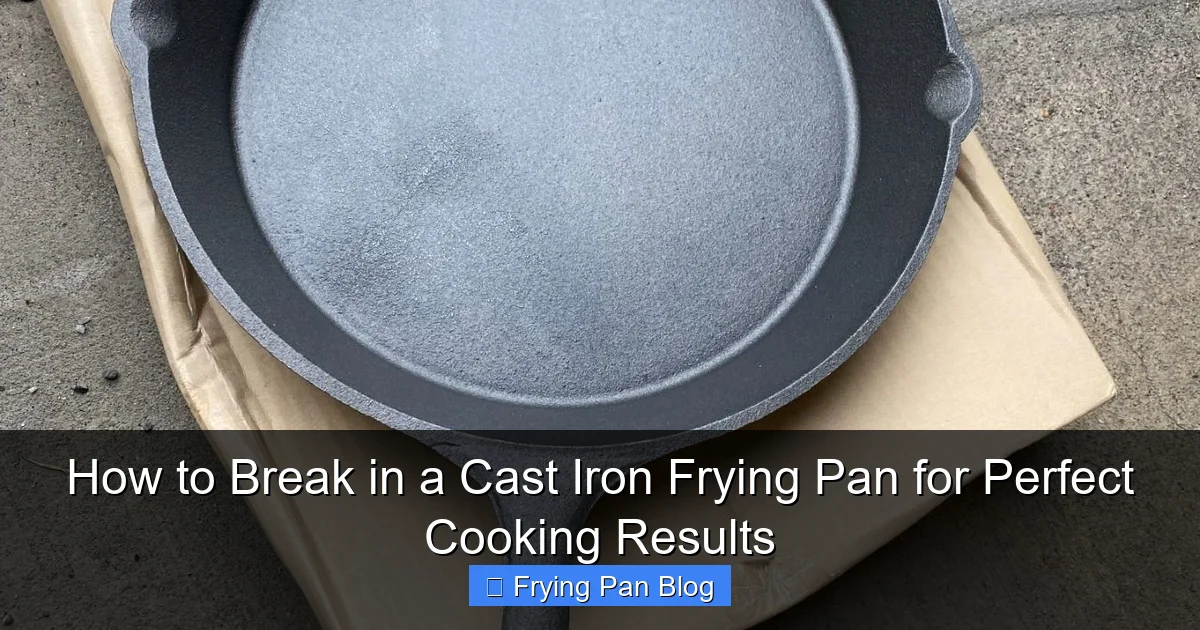
Visual guide about How to Break in a Cast Iron Frying Pan for Perfect Cooking Results
Image source: dygtyjqp7pi0m.cloudfront.net
Step 2: Prepare Your Pan
Clean the Pan Thoroughly
Even if your pan is brand new, it may have factory oils or dust. If it’s used, it could have old rust or residues. Start by washing your pan with warm water and a small amount of mild dish soap. Use a sponge or stiff brush to scrub all surfaces. Avoid harsh detergents or steel wool that can damage the pan’s surface.
Dry Completely
After washing, dry your pan thoroughly with a clean towel. To remove any remaining moisture, place it on the stove over low heat for a few minutes. Moisture can cause rust and interfere with seasoning.
Step 3: Choose the Right Oil for Seasoning
Not all oils are the same when it comes to seasoning cast iron. You want an oil that polymerizes well — meaning it bonds tightly to the iron surface when heated. Common choices include:
- Flaxseed oil (popular for its strong polymerization)
- Vegetable oil or canola oil (readily available and effective)
- Grapeseed oil
- Crisco or other solid shortening
Avoid olive oil or butter because they have low smoke points and can leave sticky residues.
Step 4: Apply a Thin Layer of Oil
Coat the Entire Pan
Using a paper towel or cloth, apply a very thin, even layer of your chosen oil to the entire pan — inside, outside, and the handle. Make sure not to use too much oil; excess oil can pool and create sticky spots.
Remove Excess Oil
After coating, take a clean paper towel and wipe off any excess oil. The pan should look barely shiny, not wet or oily.
Step 5: Bake the Pan to Season
Preheat Your Oven
Set your oven to 450°F (230°C). High heat is important to polymerize the oil effectively.
Place the Pan Upside Down
Put the pan upside down on the middle rack of the oven. Place a sheet of aluminum foil or a baking tray on the rack below to catch any drips.
Bake for One Hour
Let the pan bake for 60 minutes. This allows the oil to bond to the cast iron’s surface.
Cool Down Naturally
After baking, turn off the oven and let the pan cool inside slowly. Avoid removing it immediately to prevent cracking or warping.
Step 6: Repeat for Best Results
To build a strong non-stick layer, repeat steps 4 and 5 at least 3 to 4 times. Each cycle adds a new seasoning layer that improves performance. If your pan is older and rusty, you might want to do more rounds.
Step 7: Maintain Your Cast Iron Pan
Clean Gently After Use
After cooking, clean your pan with warm water and a soft brush or sponge. Avoid soap if possible. For stuck-on food, use coarse salt as a scrub.
Dry Immediately
Always dry your pan thoroughly after washing to prevent rust.
Apply a Light Oil Coat
Wipe your pan with a small amount of oil after cleaning to keep the seasoning intact.
Troubleshooting Common Seasoning Issues
Sticky or Gummy Surface
If your pan feels sticky, it means too much oil was applied or the temperature was too low. Fix this by scrubbing the pan with hot water and a brush, drying it, and then seasoning again with thinner oil layers and proper oven heat.
Rust Spots
Rust can appear if the pan isn’t dried properly or stored in humid places. To fix rust, scrub it off with steel wool or a scrubber, rinse, dry, and re-season the pan.
Poor Non-Stick Performance
If food sticks, it may need more seasoning cycles. Build up the seasoning gradually and maintain the pan well.
Conclusion
Breaking in a cast iron frying pan is simple but essential for getting the best cooking results. By cleaning carefully, applying thin layers of oil, and baking the pan multiple times, you create a durable, natural non-stick surface. Regular maintenance keeps your pan in great shape for years. Follow this guide, and you’ll enjoy perfectly cooked meals from your cast iron pan every time.
🎥 Related Video: This is how I like to season and eat a cast iron pan. WASH with little soap afterwards! #cookingtips
📺 Jose.elcook