
How to Break in New Frying Pan for Perfect Cooking Results

Breaking in a new frying pan is essential to unlock its full cooking potential. This guide shows you simple, effective steps to season your pan, prevent food sticking, and extend its lifespan. With practical tips and troubleshooting advice, you’ll master the art of caring for your frying pan and enjoy flawless meals every time.
Key Takeaways
- Proper seasoning: Creating a natural non-stick surface improves cooking and cleaning.
- Initial cleaning: Washing your pan before first use removes manufacturing residues.
- Gradual heating: Avoid thermal shock by heating your pan slowly for durability.
- Regular maintenance: Re-seasoning and correct cleaning extend pan life.
- Choosing oils: Use high-smoke point oils for seasoning and cooking.
- Troubleshooting: Tips for dealing with sticking or uneven heating.
- Safe storage: Proper storage prevents damage and rust.
How to Break in New Frying Pan for Perfect Cooking Results
Welcome to your definitive guide on how to break in a new frying pan. Whether you’ve invested in a cast iron skillet, stainless steel pan, or non-stick frying pan, knowing how to prepare it for cooking makes all the difference. A well-broken-in pan ensures even heat distribution, better food release, and a longer lifespan. In this guide, you’ll learn step-by-step methods to season, clean, and maintain your frying pan so every meal turns out delicious and hassle-free.
Step 1: Identify Your Frying Pan Type
Before breaking in your new frying pan, it’s important to know what kind you have. Different materials require different care and seasoning methods.
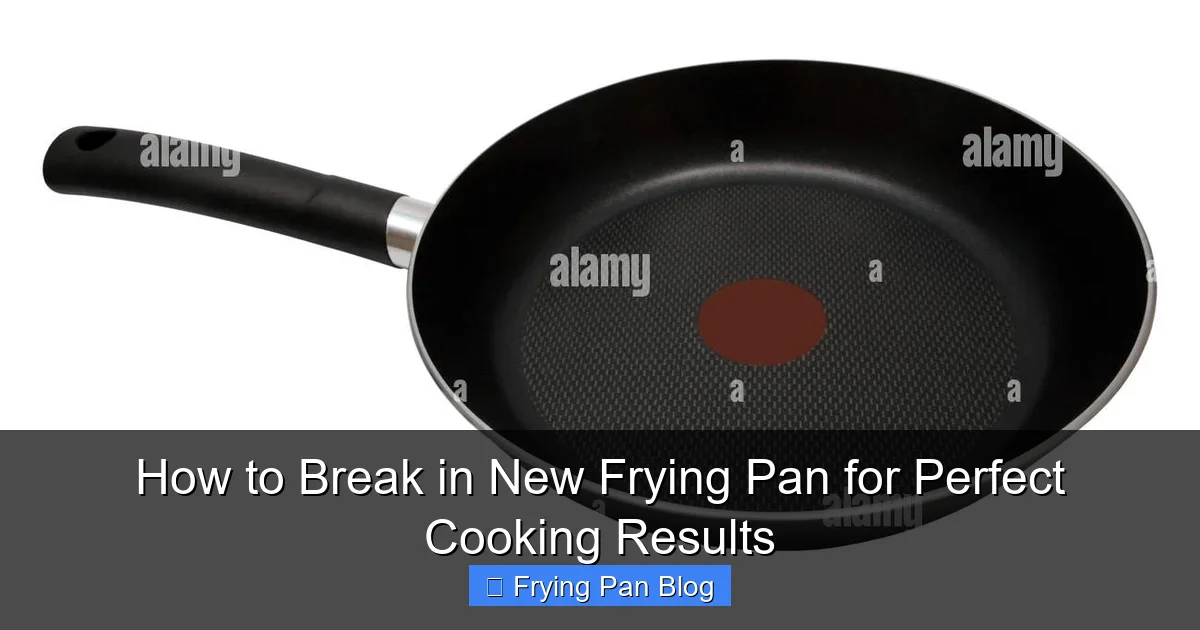
Visual guide about How to Break in New Frying Pan for Perfect Cooking Results
Image source: c8.alamy.com
Cast Iron or Carbon Steel
These pans benefit most from seasoning, which builds up a natural non-stick layer over time.
Stainless Steel
Stainless steel pans don’t need seasoning but require proper cleaning and preheating to avoid sticking.
Non-Stick
Non-stick pans usually come pre-seasoned, but gentle seasoning and careful use help prolong their coating.
Step 2: Initial Cleaning of Your New Frying Pan
New pans often have a factory coating or residues that need removal for safe cooking.
How to Clean
- Use warm water with mild dish soap.
- Scrub gently with a soft sponge or cloth.
- Rinse thoroughly and dry completely with a towel.
Note: Avoid harsh abrasives that can damage the surface, especially on non-stick pans.
Step 3: Seasoning Your Frying Pan (If Applicable)
Seasoning creates a smooth, non-stick coating by polymerizing oil on the pan’s surface.
For Cast Iron and Carbon Steel Pans
- Preheat your oven to 350°F (175°C).
- Apply a thin layer of high-smoke point oil (like flaxseed, vegetable, or grapeseed oil) over the entire pan, including the handle.
- Place the pan upside down on the oven rack with a baking sheet below to catch drips.
- Bake for 1 hour, then turn off the oven and let the pan cool inside.
- Repeat 2-3 times for best results.
For Stainless Steel and Non-Stick Pans
Seasoning is not necessary, but you can lightly oil the pan and heat it to help create a slick surface for cooking.
Step 4: Gradual Heating to Avoid Damage
Don’t heat your frying pan on high immediately; this can cause warping or damage the surface.
- Start heating on low to medium heat.
- Allow the pan to warm gradually for 2-3 minutes before increasing heat.
- Test heat by sprinkling a few drops of water; if they dance and evaporate quickly, the pan is ready.
Step 5: Cooking the First Meals
Your initial cooking sessions help further develop the pan’s seasoning and performance.
- Use moderate heat and add cooking oil or butter before adding food.
- Cook simple foods like eggs, pancakes, or vegetables that release little residue.
- Avoid acidic foods (like tomatoes or vinegar) during the first few uses as they can strip seasoning.
Step 6: Cleaning and Maintenance After Use
Proper cleaning maintains the seasoning and prevents damage.
Cleaning Cast Iron or Carbon Steel
- Use hot water and a soft brush or sponge.
- Avoid soap or harsh detergents unless necessary.
- Dry immediately and apply a light oil layer to prevent rust.
Cleaning Stainless Steel and Non-Stick
- Wash with warm soapy water using a soft sponge.
- Dry thoroughly to prevent water spots.
Practical Tips for Breaking in Your Frying Pan
- Use the right oil: Oils with high smoke points are best for seasoning and cooking.
- Be patient: Seasoning builds up over multiple uses.
- Keep the pan dry: Moisture causes rust, especially with cast iron.
- Store properly: Stack with paper towels between pans to protect surfaces.
- Avoid cooking sprays: They can cause sticky buildup.
Troubleshooting Common Issues
Food Sticking to the Pan
This usually means the pan isn’t properly seasoned or preheated. Try re-seasoning cast iron pans or ensure your stainless steel pan is hot before adding oil and food.
Rust on Cast Iron
Clean rust with steel wool, dry immediately, then re-season the pan.
Uneven Heating
Use a burner that matches the pan size. Avoid rapid temperature changes that can warp the pan.
Conclusion
Breaking in a new frying pan is a simple but crucial step to achieve perfect cooking results. By following these easy steps—cleaning, seasoning (if needed), gradual heating, and proper maintenance—you ensure your pan performs well and lasts for years. With patience and care, your frying pan becomes a reliable kitchen ally, delivering delicious, evenly cooked meals every time.
🎥 Related Video: What to do with New Cast Iron? Our Tips!
📺 Cowboy Kent Rollins
We just got in a new Yeti skillet, and we’re sharing some of the steps we take when we get new cast iron. Need more tips? check …
