
Are Cast Iron Frying Pan Safe for Your Health and Cooking Needs

Cast iron frying pans are a safe and versatile choice for cooking when properly seasoned and maintained. They offer excellent heat retention and can add beneficial iron to your diet, but understanding their care and potential risks can help you enjoy them safely and effectively.
Key Takeaways
- Durability: Cast iron pans are long-lasting and can be used for decades with proper care.
- Health Benefits: Cooking with cast iron can boost your dietary iron intake naturally.
- Seasoning Matters: Proper seasoning prevents rust and creates a natural non-stick surface.
- Safe Use: Avoid cooking highly acidic foods frequently to protect the seasoning and prevent metal leaching.
- Maintenance: Regular cleaning and oiling keep the pan safe and effective for cooking.
- Environmental Impact: Cast iron pans are eco-friendly due to their longevity and recyclability.
- Cooking Performance: They provide even heat and excellent searing capabilities for various dishes.
📑 Table of Contents
- Are Cast Iron Frying Pans Safe for Your Health and Cooking Needs?
- Understanding Cast Iron: What Makes It Special?
- Health Implications of Using Cast Iron Pans
- Proper Use and Care to Ensure Safety
- Practical Benefits Beyond Safety
- Common Myths and Misunderstandings
- Conclusion: Should You Use Cast Iron Pans?
Are Cast Iron Frying Pans Safe for Your Health and Cooking Needs?
If you’ve ever looked for a reliable frying pan, chances are you’ve come across cast iron as a popular option. They’re known for their durability, excellent heat retention, and versatility in the kitchen. But the big question remains: are cast iron frying pans safe for your health and cooking needs?
Cast iron pans have been used for centuries, and many home cooks swear by them. However, some people worry about the possibility of iron leaching into their food or the pan’s surface affecting taste and safety. In this article, we’ll explore whether cast iron frying pans are safe, how to care for them properly, and what benefits they offer.
Whether you’re a seasoned chef or just starting your cooking journey, understanding cast iron’s safety and usability will help you make an informed choice for your kitchen.
Understanding Cast Iron: What Makes It Special?
The Composition of Cast Iron
Cast iron is made primarily from iron, combined with a small amount of carbon. This makes it sturdy and capable of holding heat evenly for long periods. The heavy material means it heats slowly but retains heat well, which is ideal for frying and searing.
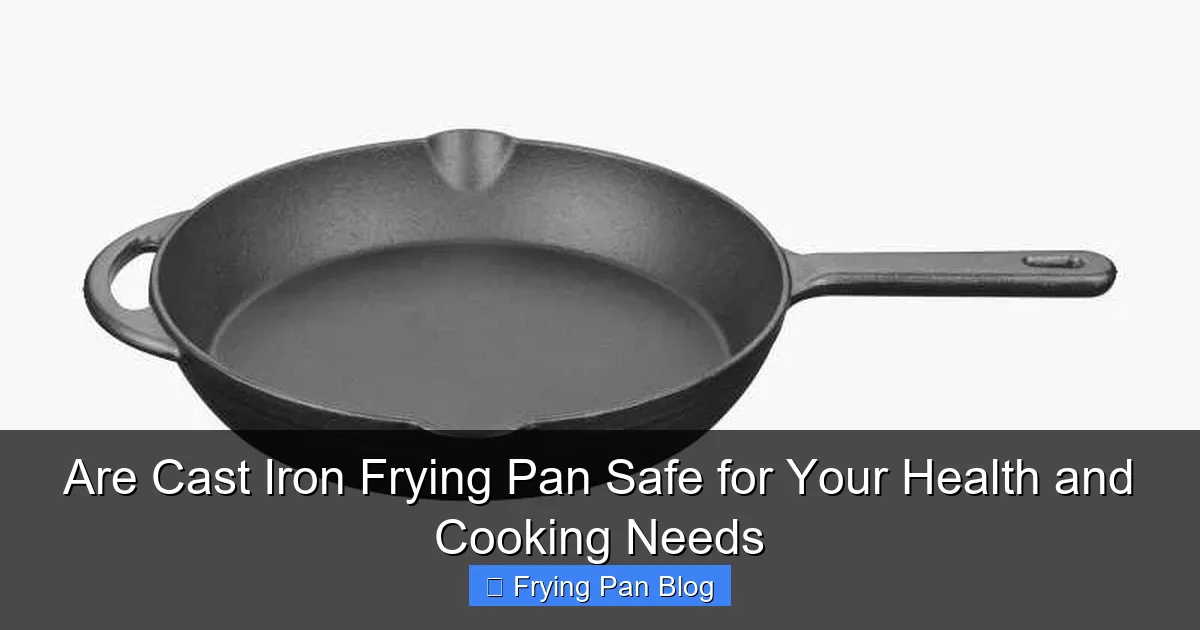
Visual guide about Are Cast Iron Frying Pan Safe for Your Health and Cooking Needs
Image source: productimages.biltema.com
How Cast Iron Pans Are Made
These pans are typically formed by pouring molten iron into molds. After cooling, they require seasoning — a process that involves coating the surface with oil and baking it to create a protective, non-stick layer.
Health Implications of Using Cast Iron Pans
Iron Leaching: Is It a Concern?
When cooking with cast iron, small amounts of iron can naturally leach into your food. For most people, this is a benefit because iron is a vital mineral needed for healthy blood and energy levels.
However, those with hemochromatosis (a condition causing iron overload) should be cautious and consult their doctor, as excess iron intake could be harmful.
Benefits of Iron in Your Diet
Cooking acidic foods like tomato sauce in a cast iron pan can increase the iron content in your meal, which may help prevent iron deficiency anemia. This makes cast iron pans an excellent tool for boosting your dietary iron naturally.
Are There Any Toxic Concerns?
Unlike some non-stick coatings, cast iron does not release harmful chemicals when heated. The only risk might come from rust or improper seasoning, which can affect safety and flavor but is easy to prevent with proper care.
Proper Use and Care to Ensure Safety
Seasoning Your Cast Iron Pan
Seasoning is essential. It creates a natural non-stick surface and protects the pan from rust. To season, apply a thin layer of cooking oil and bake the pan at a high temperature for an hour. Repeat if necessary.
Cleaning Tips
After cooking, clean your pan with warm water and a brush or sponge. Avoid soap or harsh detergents as they can strip the seasoning. Dry thoroughly and apply a light coat of oil to prevent rust.
Handling Acidic Foods
While occasional cooking of acidic foods like citrus or tomato is fine, frequent exposure can degrade the seasoning and cause some iron to leach more quickly, which might alter taste or texture. Re-season often if you cook these foods regularly.
Practical Benefits Beyond Safety
Heat Retention and Cooking Performance
Cast iron pans excel at holding and distributing heat evenly. This makes them perfect for searing steaks, frying eggs, or baking cornbread. The pan’s heat retention helps maintain consistent cooking temperatures, reducing hot spots.
Versatility in the Kitchen
You can use cast iron on various heat sources: stovetops, ovens, grills, and even campfires. This versatility makes them a favorite for both indoor and outdoor cooking.
Longevity and Environmental Impact
Unlike many non-stick pans that need replacing every few years, cast iron can last a lifetime or longer. This reduces waste and makes cast iron an eco-friendly kitchen investment.
Common Myths and Misunderstandings
Cast Iron Is Too Heavy and Hard to Handle
While cast iron pans are heavier than other cookware, many users find the weight manageable with practice. The extra heft also helps with heat retention and even cooking.
Cast Iron Pans Are Difficult to Clean
Cleaning cast iron is simple once you know how. Avoid soaking or using soap, and always dry and oil your pan after washing to keep it in top condition.
All Cast Iron Pans Are the Same
Not all cast iron frying pans are created equal. Some are pre-seasoned and ready to use, while others require seasoning at home. Quality can vary, so it’s important to choose a reputable brand.
Conclusion: Should You Use Cast Iron Pans?
Cast iron frying pans are safe and healthy cookware options for most people. They offer excellent cooking performance, durability, and even add beneficial dietary iron. With proper seasoning and care, they resist rust and maintain a natural non-stick surface, making them a smart choice for everyday cooking.
If you’re looking for a pan that lasts a lifetime and enhances your cooking, cast iron is worth considering. Just be mindful of occasional acidic food use and maintain your pan well. Your kitchen and health can both benefit from this timeless cookware.
🎥 Related Video: Throw Away your Cast Iron Pan?! | Dr. Gundry Podcast
📺 Gundry MD
Follow the Dr. Gundry Podcast: youtube.com/@DrGundry Discover the hidden downsides of cooking with a cast iron pan in this …
Frequently Asked Questions
Are cast iron frying pans safe to cook acidic foods like tomatoes?
Yes, but cooking acidic foods frequently can wear down the seasoning and cause more iron to leach into your food. Occasional use is fine, but if you cook acidic dishes often, re-season your pan regularly.
Can cast iron pans cause iron poisoning?
For most people, the small amount of iron that leaches into food is beneficial. Only individuals with iron overload conditions should be cautious and consult a healthcare professional.
How do I properly season a cast iron frying pan?
Apply a thin layer of cooking oil to the pan’s surface and bake it upside down in an oven at around 450°F (230°C) for an hour. Let it cool in the oven, and repeat if necessary for a stronger seasoning.
Is it safe to use soap when cleaning cast iron pans?
Generally, it’s best to avoid soap as it can strip away the seasoning. Instead, clean with warm water and a brush or sponge, then dry and oil the pan to maintain the seasoning.
How do I prevent rust on my cast iron frying pan?
Always dry your pan thoroughly after washing and apply a light coat of oil before storing. Avoid soaking or leaving it wet, as moisture causes rusting.
Can cast iron pans be used on all stovetops?
Yes, cast iron pans work on gas, electric, induction, and even outdoor grills. Their versatility makes them suitable for almost any cooking surface.