How to Cook a Stir Fry in a Frying Pan

Cooking a stir fry in a frying pan is a simple and quick way to create a tasty, nutritious meal. This guide covers everything from choosing ingredients to cooking techniques, making it easy to master stir frying at home.
Key Takeaways
- Choose the right ingredients: Use fresh vegetables and protein for the best flavor and texture.
- Prep ingredients uniformly: Cut all items into similar sizes for even cooking.
- Use high heat: A hot frying pan sears ingredients quickly, locking in flavor and crunch.
- Cook in batches if needed: Avoid overcrowding the pan to ensure proper stir frying.
- Add sauces at the right time: Mix sauces towards the end to coat ingredients evenly.
- Keep stirring: Constant movement prevents burning and promotes even cooking.
- Troubleshoot common issues: Tips for avoiding soggy veggies or undercooked meat.
How to Cook a Stir Fry in a Frying Pan
Stir frying is a fantastic way to prepare a quick, healthy, and delicious meal. While many people associate stir frying with a wok, you can easily achieve great results using a regular frying pan. In this guide, you will learn how to cook a stir fry in a frying pan step by step. We’ll cover ingredient selection, preparation, cooking techniques, and tips to make your stir fry flavorful and perfectly cooked every time. Let’s get started!
Step 1: Gather Your Ingredients
Before you start cooking, it’s important to have all your ingredients ready. Stir fry meals usually combine vegetables, protein, and a flavorful sauce.
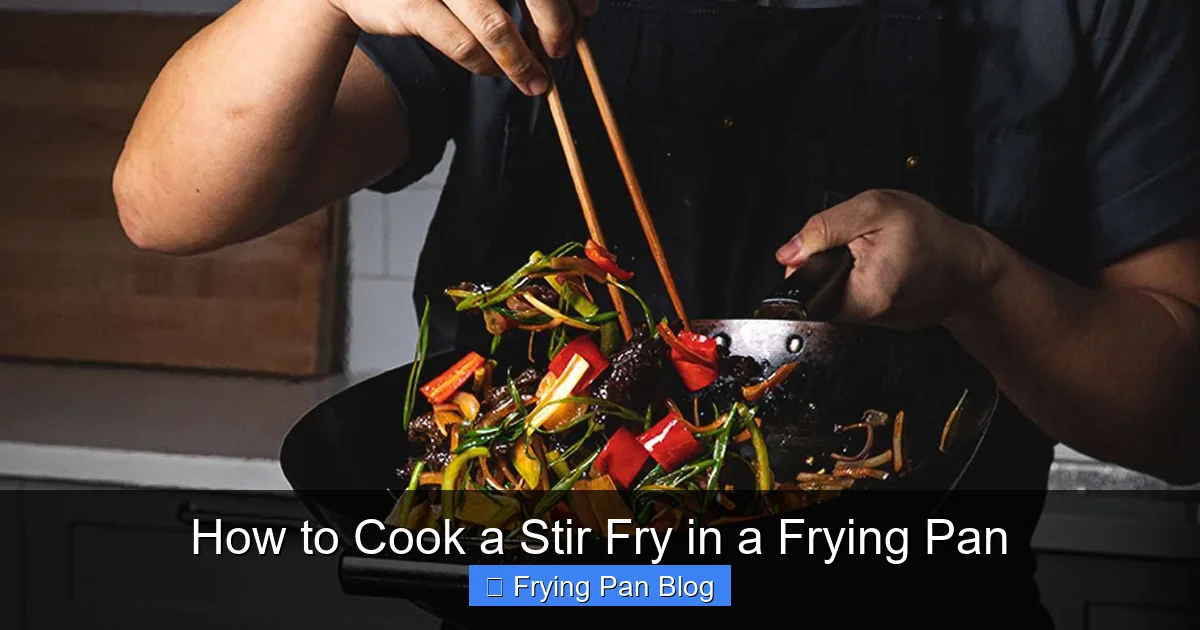
Visual guide about How to Cook a Stir Fry in a Frying Pan
Image source: seriouseats.com
Choosing the Vegetables
- Pick fresh, crisp vegetables like bell peppers, broccoli, snap peas, carrots, and mushrooms.
- Leafy greens like bok choy or spinach work well but add them near the end as they cook quickly.
- Use a mix of colors and textures for a visually appealing and tasty dish.
Selecting the Protein
- Popular choices include chicken, beef, pork, shrimp, tofu, or tempeh.
- Make sure your protein is cut into bite-sized pieces to cook quickly and evenly.
- Marinate the protein briefly for extra flavor, if you like.
Preparing the Sauce
- A simple stir fry sauce can be made with soy sauce, garlic, ginger, sesame oil, and a touch of sugar or honey.
- Store-bought stir fry sauces are also convenient and come in many varieties.
- Have your sauce ready to add at the right moment.
Step 2: Prepare Your Ingredients
Preparation is key. Properly prepping your ingredients saves time and helps everything cook evenly.
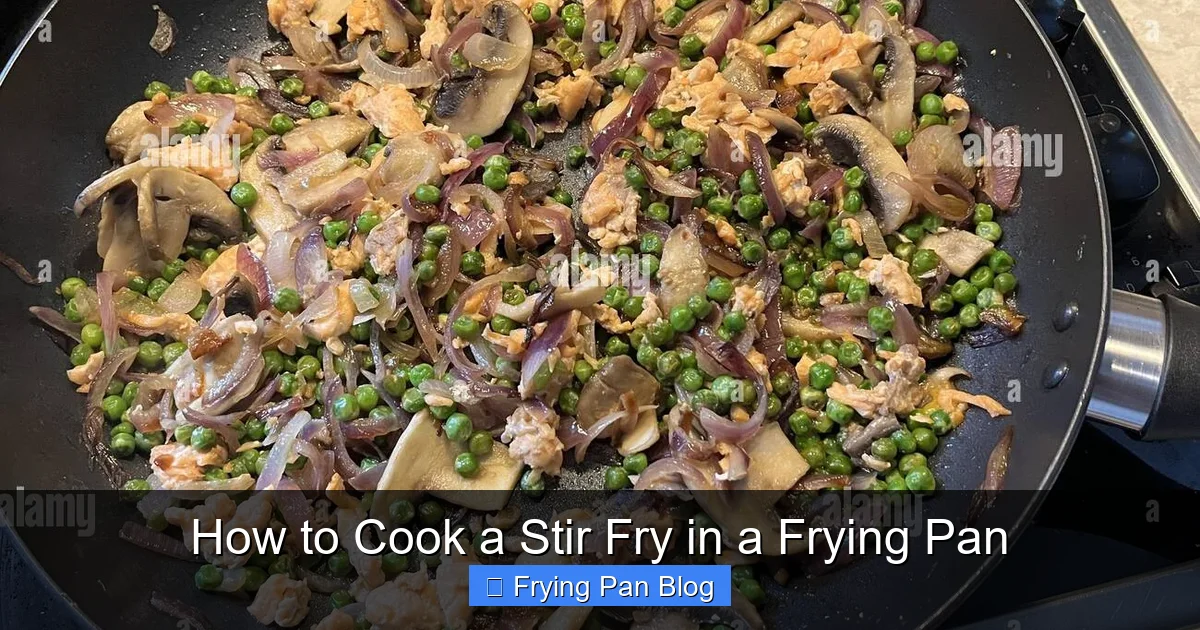
Visual guide about How to Cook a Stir Fry in a Frying Pan
Image source: c8.alamy.com
Wash and Dry Vegetables
Rinse vegetables under cold water and dry them thoroughly. Excess water can cause the pan to steam instead of fry the food.
Cut Ingredients Uniformly
Slice vegetables and protein into uniform pieces. This ensures they cook at the same rate and prevents some items from being undercooked or overcooked.
Marinate Protein (Optional)
For extra flavor, marinate your protein in soy sauce, garlic, or your favorite spices for 10-20 minutes before cooking.
Step 3: Heat the Frying Pan Properly
Getting the pan to the right temperature is crucial for a successful stir fry.
Choose the Right Pan
A heavy-bottomed frying pan or skillet works best because it heats evenly and retains heat well.
Preheat Over Medium-High to High Heat
Place your frying pan on the stove and heat it until it’s very hot. You can test the heat by flicking a few drops of water into the pan; they should sizzle and evaporate immediately.
Add Cooking Oil
Use oils with high smoke points like vegetable oil, canola oil, or peanut oil. Add just enough to coat the pan lightly.
Step 4: Cook the Protein
Start cooking your protein first because it usually takes longer than vegetables.
Add Protein to Hot Oil
Place your protein pieces in the hot oil in a single layer. Avoid overcrowding the pan to allow browning.
Cook Until Browned and Nearly Done
Let the protein cook undisturbed for a minute or two to develop a nice sear. Then stir and cook until it’s almost cooked through but not fully done, as it will finish cooking with the vegetables.
Remove Protein from Pan
Transfer the protein to a plate and set aside to prevent overcooking.
Step 5: Cook the Vegetables
Vegetables cook quickly, so work efficiently.
Add More Oil if Needed
If your pan looks dry, add a splash of oil.
Start with Harder Vegetables
Add vegetables that take longer to cook first, like carrots, broccoli, or bell peppers.
Stir Constantly
Keep the vegetables moving in the pan to avoid burning and to cook evenly.
Add Softer Vegetables Later
Add quick-cooking vegetables like snap peas, mushrooms, or leafy greens after the harder ones have softened slightly.
Step 6: Combine and Add Sauce
Once the vegetables are nearly cooked to your liking, it’s time to bring everything together.
Return Protein to Pan
Add the cooked protein back into the pan with the vegetables.
Pour in the Sauce
Drizzle your prepared stir fry sauce evenly over the ingredients.
Toss to Coat
Stir everything quickly to combine and coat all ingredients with the sauce. Cook for 1-2 more minutes to heat through and allow flavors to meld.
Step 7: Serve Your Stir Fry
Your stir fry is now ready to enjoy!
Serve Immediately
For best taste and texture, serve your stir fry hot right after cooking.
Pair with Sides
Serve over steamed rice, noodles, or quinoa for a complete meal.
Garnish
Top with chopped green onions, sesame seeds, or fresh herbs like cilantro if desired.
Practical Tips for the Perfect Stir Fry
- Prep everything before you start: Stir frying happens fast, so have all ingredients ready to go.
- Don’t overcrowd the pan: Overcrowding traps steam and leads to soggy vegetables.
- Keep ingredients moving: Constant stirring prevents burning and promotes even cooking.
- Adjust heat as needed: If your pan starts smoking a lot, reduce heat slightly.
- Use a splatter guard: Stir frying can cause oil to splatter, so protect your stove and yourself.
Troubleshooting Common Issues
Vegetables Are Soggy
This usually means the pan was overcrowded or the heat was too low. Cook in smaller batches and make sure your pan is hot.
Protein Is Undercooked
Cut protein into smaller pieces and ensure the pan is hot enough before adding. Cook protein separately to control timing better.
Sauce Is Too Thick or Thin
If your sauce thickens too much, add a splash of water or broth. If too thin, cook a bit longer to reduce or add a cornstarch slurry to thicken.
Conclusion
Cooking a stir fry in a frying pan is quick, easy, and versatile. With the right ingredients, preparation, and technique, you can make a flavorful meal any day of the week. Remember to keep your pan hot, prep all ingredients ahead, and cook in batches if necessary. Enjoy experimenting with different vegetables, proteins, and sauces to create your perfect stir fry. Happy cooking!
🎥 Related Video: Can you STIR-FRY in a frying pan or a skillet?
📺 Wok with Tak