
Are Ceramic Coated Frying Pan Safe for Healthy Cooking Use

Ceramic coated frying pans are a popular choice for health-conscious cooks due to their non-stick properties and chemical-free surfaces. They offer a safer alternative to traditional non-stick pans but require proper care to maintain their health benefits and durability. Understanding their safety and usage can help you make the best choice for your kitchen.
Key Takeaways
- Ceramic coating is generally safe: It’s made from natural materials and free from harmful chemicals like PFOA and PTFE.
- Non-toxic cooking surface: Ceramic pans do not release toxic fumes even at high temperatures.
- Durability depends on care: Avoid metal utensils and high heat to extend the pan’s lifespan.
- Better for low to medium heat cooking: Ceramic pans work best without overheating, preserving their coating.
- Easy to clean and maintain: Their smooth surface resists sticking, making cleanup simple and healthy.
- Check for quality brands: Not all ceramic coatings are created equal; quality matters for safety and performance.
- Ideal for healthy cooking: Ceramic pans allow cooking with little to no oil, promoting healthier meals.
📑 Table of Contents
- Are Ceramic Coated Frying Pans Safe for Healthy Cooking Use?
- What Is a Ceramic Coated Frying Pan?
- Are Ceramic Coated Frying Pans Safe to Use?
- Benefits of Using Ceramic Coated Frying Pans for Healthy Cooking
- How to Use and Maintain Your Ceramic Coated Frying Pan
- Comparing Ceramic Coated Pans to Other Types
- Choosing the Best Ceramic Coated Frying Pan
- Conclusion: Are Ceramic Coated Frying Pans Safe for Healthy Cooking?
Are Ceramic Coated Frying Pans Safe for Healthy Cooking Use?
When it comes to choosing the right frying pan, safety and health are top priorities for many home cooks. Ceramic coated frying pans have become increasingly popular because they promise a non-stick surface without harmful chemicals. But are they really safe for everyday cooking? Let’s dive deep into what ceramic coating is, how it works, and whether it’s a healthy option for your kitchen.
In this article, you’ll discover everything you need to know about ceramic coated frying pans—from their safety profile to practical tips on how to use and maintain them. Whether you’re a beginner or a seasoned chef, understanding these pans can help you make healthier meals with confidence.
What Is a Ceramic Coated Frying Pan?
Understanding the Ceramic Coating
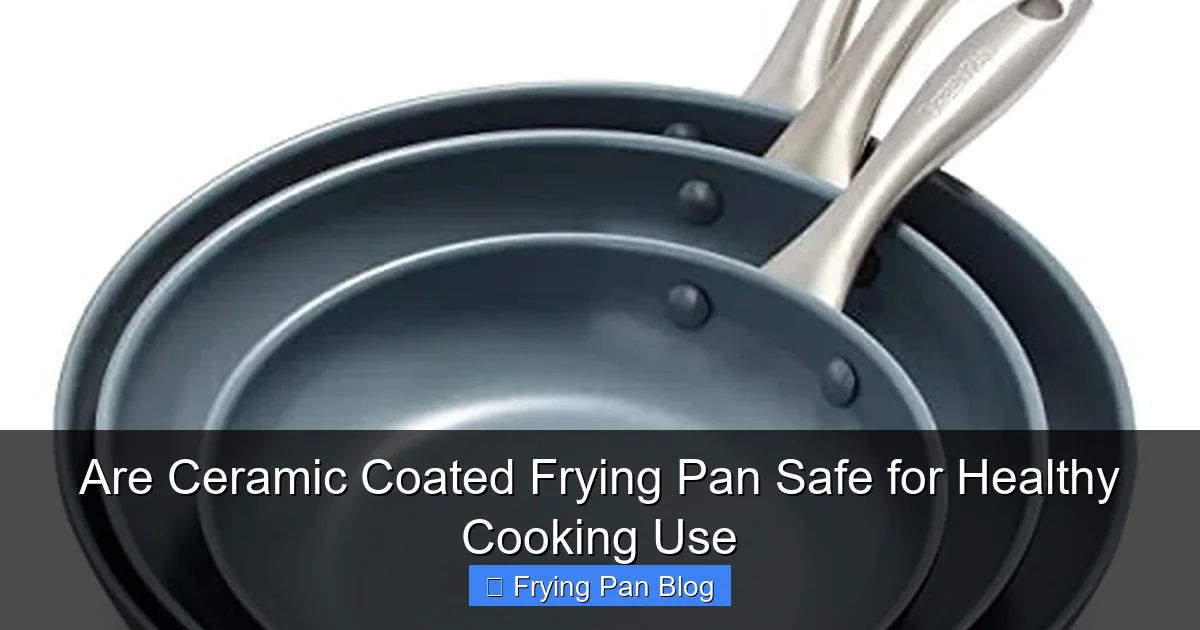
Ceramic coated frying pans have a layer of ceramic material applied over a metal base, typically aluminum. This coating is created by curing a silica-based gel at high temperatures, forming a smooth, hard surface. Unlike traditional non-stick pans that use PTFE (commonly known as Teflon), ceramic coatings are free from synthetic chemicals.
Visual guide about Are Ceramic Coated Frying Pan Safe for Healthy Cooking Use
Image source: m.media-amazon.com
How It Differs from Other Non-Stick Pans
Traditional non-stick pans often use PTFE and sometimes PFOA, which have raised health concerns due to toxic fumes when overheated. Ceramic coatings, on the other hand, are made from natural minerals and do not release harmful fumes. This makes ceramic pans an attractive alternative for those seeking chemical-free cooking tools.
Are Ceramic Coated Frying Pans Safe to Use?
Non-Toxic and Chemical-Free
One of the biggest benefits of ceramic coated frying pans is that they are free of toxic chemicals like PFOA, PFAS, and PTFE. This means you won’t be exposed to potentially harmful substances, especially when cooking at regular temperatures.
Resistance to High Heat and Fume Safety
Ceramic coatings can generally withstand higher cooking temperatures than traditional non-stick pans without breaking down or releasing fumes. However, overheating any pan can damage the coating, so it’s best to avoid cooking on extremely high heat for extended periods.
Potential Risks and Considerations
Though ceramic pans are safer, they can chip or scratch if used improperly. Once the coating is compromised, the underlying metal may react with food, which is less ideal. Using metal utensils or abrasive cleaning tools can damage the coating, reducing its safety and non-stick qualities.
Benefits of Using Ceramic Coated Frying Pans for Healthy Cooking
Cook with Less Oil or Fat
The smooth surface of ceramic pans makes food less likely to stick, meaning you can cook with little to no oil. This helps reduce calorie intake and promotes healthier meals without sacrificing taste or texture.
Easy to Clean
Because food doesn’t stick as much, ceramic pans are easier to clean by hand. This means less buildup of burnt food residues, which sometimes contain unhealthy compounds.
Non-Reactive Surface
Ceramic coatings don’t react with acidic foods like tomatoes or lemon juice. This keeps flavors pure and prevents the leaching of metals into your meals, which can happen with some uncoated pans.
How to Use and Maintain Your Ceramic Coated Frying Pan
Proper Cooking Techniques
- Use low to medium heat: Avoid high heat to preserve the coating’s integrity.
- Use silicone, wooden, or plastic utensils: Prevent scratches by choosing utensils that won’t chip the surface.
- Preheat gently: Allow the pan to warm gradually for even cooking.
Cleaning Tips
- Hand wash only: Avoid dishwasher use as harsh detergents can degrade the coating.
- Use soft sponges: Never use steel wool or abrasive scrubbers.
- Remove stubborn food with baking soda: Make a paste to gently clean tough spots without damaging the surface.
Storage Advice
Stack pans carefully with a cloth or paper towel between them to avoid scratches. Proper storage prolongs the lifespan of your ceramic coating.
Comparing Ceramic Coated Pans to Other Types
Ceramic vs. Traditional Non-Stick (PTFE) Pans
Ceramic pans offer a chemical-free alternative and tend to be safer at higher temperatures. However, PTFE pans often last longer and provide a more durable non-stick surface, but they require careful temperature control to avoid toxic fumes.
Ceramic vs. Cast Iron Pans
Cast iron pans are extremely durable and excellent for high-heat cooking but require seasoning and maintenance to prevent rust and sticking. Ceramic pans are lighter, easier to clean, and better suited for low-fat cooking.
Ceramic vs. Stainless Steel Pans
Stainless steel pans are great for browning and searing but tend to need more oil and are harder to clean. Ceramic pans provide a non-stick surface without added fats, making them better for health-conscious cooking.
Choosing the Best Ceramic Coated Frying Pan
Look for Trusted Brands
Not all ceramic coatings are created equal. Choose brands with positive reviews and certifications for non-toxicity. Well-known manufacturers often invest more in durable, safe coatings.
Check the Base Material
Aluminum bases heat quickly but may warp if low quality. Hard-anodized aluminum or stainless steel bases provide better heat distribution and durability.
Size and Weight Considerations
Pick a size that fits your cooking needs and a weight that feels comfortable. Heavier pans may retain heat better but can be harder to handle.
Conclusion: Are Ceramic Coated Frying Pans Safe for Healthy Cooking?
In summary, ceramic coated frying pans are generally safe and excellent for healthy cooking when used and maintained properly. Their chemical-free surface helps avoid harmful toxins and allows you to cook with less oil, promoting better nutrition.
Like any cookware, the key to safety and longevity lies in proper care—using moderate heat, gentle utensils, and careful cleaning. If you select a high-quality ceramic pan and follow these simple tips, you can enjoy delicious, healthy meals with peace of mind.
So yes, ceramic coated frying pans are a smart, safe choice for your kitchen and a great tool to support your healthy cooking goals!
🎥 Related Video: Harvard Doctor : 3 Healthiest Pans to Cook with ‼️🚨
📺 Doctor Sethi
Looking for the healthiest pans to cook your meals with? In this video, Dr. Sethi shares the top 3 non-toxic, durable pans that you …
Frequently Asked Questions
Are ceramic coated frying pans truly non-toxic?
Yes, ceramic coated pans are made from natural materials and do not contain harmful chemicals like PFOA or PTFE, making them a non-toxic option for cooking.
Can I use metal utensils on a ceramic coated pan?
It’s best to avoid metal utensils as they can scratch and damage the ceramic coating. Use wooden, silicone, or plastic utensils instead to preserve the surface.
Is it safe to cook on high heat with a ceramic coated frying pan?
Ceramic pans handle medium heat well, but excessive high heat can damage the coating over time. Stick to low or medium heat for optimal safety and durability.
How do I clean a ceramic coated frying pan without damaging it?
Hand wash with warm soapy water using a soft sponge. Avoid abrasive scrubbers or harsh detergents, and for stuck-on food, use a gentle baking soda paste.
Do ceramic coated pans last as long as traditional non-stick pans?
Ceramic coatings tend to wear out faster than traditional PTFE coatings if not cared for properly. However, with good maintenance, they can last several years.
Can ceramic coated frying pans be used in the oven?
Many ceramic pans are oven-safe up to certain temperatures (usually around 350-400°F), but always check the manufacturer’s guidelines to avoid damaging the coating.