Are Granite Frying Pans Good for Cooking Find Out Here

Granite frying pans offer a stylish and durable option for everyday cooking. With their non-stick surface and even heat distribution, they make cooking easier and healthier. However, understanding their care and limitations is key to getting the most out of these pans.
Key Takeaways
- Durability: Granite frying pans are known for their sturdy build and scratch resistance compared to traditional non-stick pans.
- Non-stick Performance: These pans typically feature a natural stone coating that provides excellent non-stick properties without harmful chemicals.
- Heat Distribution: Granite pans heat evenly, reducing hot spots and helping food cook uniformly.
- Healthier Cooking: The non-stick surface requires less oil, making meals healthier and easier to clean up.
- Care Requirements: While durable, granite pans need gentle cleaning and care to maintain their coating and lifespan.
- Cost and Value: They are often more affordable than ceramic or pure stone pans but still deliver great performance.
- Versatility: Suitable for various cooking methods, but not always oven-safe at high temperatures.
📑 Table of Contents
Are Granite Frying Pans Good for Cooking? Find Out Here
If you’ve ever stood in the cookware aisle wondering which frying pan to choose, you’re not alone. The options can be overwhelming—cast iron, stainless steel, ceramic, and now granite frying pans. But what exactly are granite frying pans, and are they good for cooking?
In this article, we’ll dive into everything you need to know about granite frying pans. From their unique coating to how they perform in the kitchen, we’ll cover the pros, cons, and tips for getting the best use out of them. Whether you’re a beginner cook or a kitchen pro, you’ll find useful insights to help you decide if a granite frying pan is right for you.
Let’s start by exploring what makes a granite frying pan different and why they’ve become popular in recent years.
What Are Granite Frying Pans?
Understanding the Granite Coating
Despite their name, granite frying pans aren’t made entirely from granite stone. Instead, they feature a special non-stick coating infused with natural stone particles, often resembling granite in appearance. This coating is typically applied over an aluminum or stainless steel base to combine durability with excellent heat conduction.
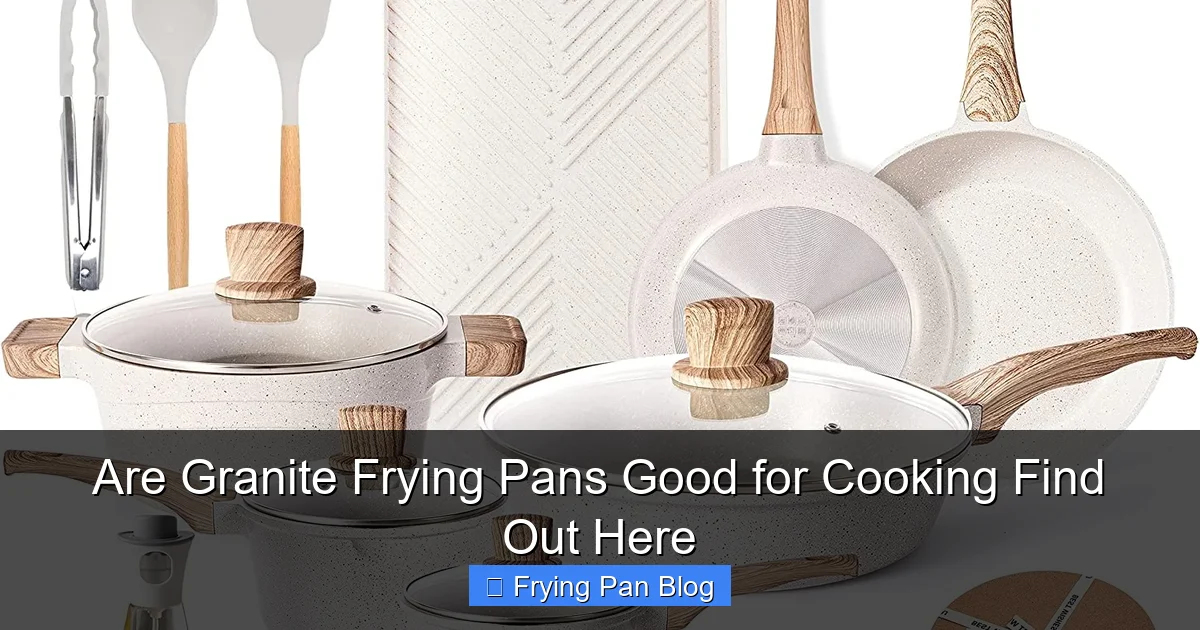
Visual guide about Are Granite Frying Pans Good for Cooking Find Out Here
Image source: i5.walmartimages.com
How They Differ from Other Non-Stick Pans
The granite coating is praised for being more scratch-resistant and robust than traditional Teflon-based non-stick pans. It usually avoids the use of harmful chemicals like PFOA and PTFE, appealing to health-conscious cooks. The speckled, stone-like finish also gives these pans a modern, attractive look on your stovetop.
Benefits of Cooking with Granite Frying Pans
Excellent Non-Stick Surface
One of the main reasons cooks love granite frying pans is their impressive non-stick ability. Food slides right off, making frying eggs, pancakes, and delicate fish a breeze. This non-stick quality also means you can use less oil or butter, promoting healthier cooking.
Even Heat Distribution
The aluminum or steel base paired with the granite coating helps distribute heat evenly across the pan’s surface. This means no more burnt spots or uneven cooking. Whether you’re sautéing vegetables or searing meat, your food cooks consistently.
Durability and Scratch Resistance
Granite pans are tougher than many other non-stick pans. The stone-infused coating is less prone to scratches from metal utensils, making them a durable choice for busy kitchens. Still, it’s best to use wooden or silicone tools to prolong their life.
Easy to Clean
Thanks to the non-stick surface, cleaning granite frying pans is quick and simple. Most food residue wipes away effortlessly with warm, soapy water. This saves time and effort after cooking.
Drawbacks to Consider
Not Completely Indestructible
While they are more durable than regular non-stick pans, granite frying pans aren’t indestructible. Harsh abrasives or dishwasher use can damage the coating over time. To keep your pan in top shape, hand wash gently and avoid metal scrubbing pads.
Limited Oven Use
Many granite frying pans are not designed for very high oven temperatures. If you plan to finish dishes in the oven or use the pan for baking, check the manufacturer’s instructions carefully to avoid warping or damaging the coating.
Weight and Handle Comfort
Granite pans can be heavier than traditional non-stick pans because of their sturdy build. This might make them a bit cumbersome if you prefer lightweight cookware. Also, handle design varies, so look for one with a comfortable, heat-resistant grip.
Tips for Using and Caring for Granite Frying Pans
Seasoning Your Pan
Some granite frying pans benefit from an initial seasoning. Lightly coat the surface with cooking oil and heat for a few minutes before the first use. This can enhance the non-stick effect.
Use the Right Utensils
To preserve the coating, use wooden, silicone, or plastic utensils. Avoid metal tools that can scratch the surface.
Cooking Temperature Advice
Granite pans perform best on medium to low heat. High heat can weaken the coating and cause food to stick or burn. Patience is key for great cooking results.
Cleaning and Storage
Always hand wash your granite frying pan with warm, soapy water. Avoid dishwasher cycles and abrasive cleaners. Dry thoroughly before storing to prevent rust on metal parts.
Comparing Granite Frying Pans with Other Types
Granite vs. Traditional Non-Stick (Teflon) Pans
Granite pans generally offer a more natural, chemical-free coating. They tend to be harder to scratch and more eco-friendly compared to Teflon pans. However, traditional non-stick pans are often lighter and cheaper.
Granite vs. Ceramic Pans
Both granite and ceramic pans have stone-based coatings. Granite pans usually are more durable and resistant to chipping, while ceramic pans can sometimes provide a slicker non-stick surface. Ceramic pans might handle oven use better, depending on the brand.
Granite vs. Cast Iron
Cast iron pans excel at heat retention and can be used on high heat and in ovens. However, they require seasoning and maintenance to prevent rust. Granite pans are easier to care for and lighter, but they don’t retain heat as well.
Is a Granite Frying Pan Worth It?
If you want a versatile, durable pan with a non-stick surface that’s healthier and easier to clean, granite frying pans are a great choice. They combine style with functionality and suit everyday cooking needs.
While they need a bit of care to last, the benefits usually outweigh the downsides for most home cooks. Just remember to use the right utensils, avoid overheating, and hand wash gently.
Ultimately, whether a granite frying pan is good for you depends on your cooking habits and preferences. But if you value durability, ease of use, and a non-toxic surface, this type of pan is definitely worth considering.
Conclusion
Granite frying pans have carved out a solid place in modern kitchens thanks to their durable, non-stick, and attractive design. They offer a fantastic cooking experience for those looking for a healthier alternative to traditional non-stick pans without sacrificing performance.
By understanding their strengths and limitations, you can enjoy cooking with granite pans for years. So next time you’re shopping for cookware, don’t overlook granite frying pans — they might just be the perfect addition to your culinary toolkit.
🎥 Related Video: Granite vs Ceramic Frying Pans: Which is the Best for Your Kitchen?!
📺 Kitchen Needs
Welcome to our YouTube channel, where we delve into the world of cookware! In this informative video, we compare two popular …
Frequently Asked Questions
Are granite frying pans truly non-stick?
Yes, granite frying pans feature a natural stone-based coating that provides excellent non-stick performance. This allows for cooking with less oil and easy food release.
Can I use metal utensils with a granite frying pan?
It’s best to avoid metal utensils as they can scratch the granite coating. Wooden, silicone, or plastic utensils are recommended to preserve the pan’s surface.
Are granite frying pans safe for high heat cooking?
Granite pans perform best on medium to low heat. Using very high heat may damage the coating and reduce the pan’s lifespan.
Can granite frying pans go in the dishwasher?
Most granite frying pans should be hand washed to protect the coating. Dishwashers and harsh detergents may wear down the non-stick surface over time.
How long do granite frying pans usually last?
With proper care, granite frying pans can last several years. Avoiding abrasive cleaning and overheating helps maintain their non-stick coating.
Are granite frying pans healthier than traditional non-stick pans?
Yes, granite pans often use non-toxic coatings free from PFOA and PTFE, making them a safer choice for health-conscious cooks.