
How to Clean Cast Iron Frying Pan

Cleaning a cast iron frying pan is simple and essential for maintaining its non-stick surface. This guide teaches you how to clean your pan properly without damaging its seasoning, so it lasts for years and cooks food perfectly every time.
Key Takeaways
- Use minimal soap and water: Avoid harsh detergents to protect the seasoning layer.
- Clean immediately after use: Prevent food from sticking and buildup by washing while the pan is still warm.
- Dry thoroughly: Always dry your pan completely to stop rust from forming.
- Re-season when needed: Apply a thin layer of oil after cleaning to maintain the pan’s non-stick surface.
- Avoid soaking: Never soak cast iron as it promotes rust.
- Use gentle scrubbing tools: Non-metal scrubbers or coarse salt help remove stuck food without damaging seasoning.
- Store properly: Keep your cast iron in a dry place to extend its life.
How to Clean Cast Iron Frying Pan
If you own a cast iron frying pan, you know how valuable it is in the kitchen. These pans provide excellent heat retention and develop a natural non-stick surface over time. But cleaning cast iron can be tricky. Use the wrong method, and you risk ruining your pan’s seasoning or causing rust. In this guide, you’ll learn everything about how to clean cast iron frying pan effectively. From daily cleaning to deep scrubbing and re-seasoning, we’ve got you covered.
Why Proper Cleaning Matters
Cast iron pans aren’t like regular cookware. They rely on a layer of seasoning—a baked-on oil coating—to create a smooth, non-stick surface. Harsh cleaning can strip this layer or leave your pan vulnerable to rust. Proper cleaning keeps your pan safe, tasty, and ready for your next meal.
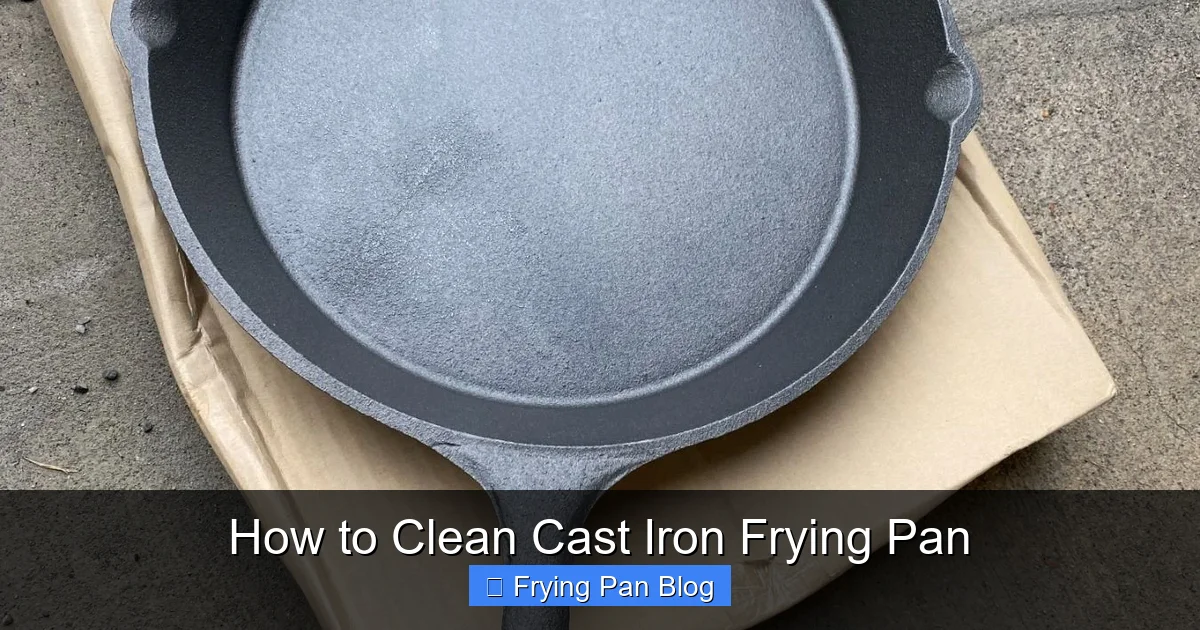
Visual guide about How to Clean Cast Iron Frying Pan
Image source: dygtyjqp7pi0m.cloudfront.net
Step 1: Clean Immediately After Cooking
Why Timing is Key
Cleaning your cast iron right after use is best. Food residue is easier to remove when the pan is still warm. Wait too long, and stuck-on bits harden, making cleaning tougher.
How to Do It
- Turn off the heat and let the pan cool for a few minutes, but not completely.
- Use a spatula or paper towel to scrape off large food scraps.
- Rinse the pan with warm water.
Step 2: Use the Right Cleaning Tools
What to Use
Cast iron is durable, but you should avoid abrasive steel wool or harsh scrubbers that can damage seasoning. Instead, try:
- Non-metal scrubbers: Plastic or nylon scrub brushes work well.
- Coarse kosher salt: Acts as a natural abrasive to lift stuck food.
- Warm water: Helps loosen residue without harming the seasoning.
How to Scrub
- Sprinkle coarse salt into the pan.
- Add a little warm water to make a paste.
- Use a scrub brush or sponge to scrub gently in circular motions.
- Rinse thoroughly with warm water.
Step 3: Avoid Soap and Soaking
Traditional advice says to never use soap on cast iron because it strips the seasoning. Modern mild dish soaps can be used sparingly if necessary, but avoid heavy-duty detergents. Also, never soak your pan in water. Prolonged exposure to moisture causes rust.
Step 4: Dry the Pan Completely
After rinsing, dry your pan immediately and thoroughly. Leaving water on the surface invites rust.
Drying Tips
- Use a clean kitchen towel to wipe off moisture.
- Place the pan on low heat on the stove for a few minutes to evaporate any remaining water.
Step 5: Re-season the Pan
Maintaining a healthy seasoning layer is essential. After cleaning, apply a thin coating of cooking oil to protect the surface and keep it non-stick.
How to Season After Cleaning
- Use a paper towel to rub a small amount of vegetable oil, flaxseed oil, or shortening over the entire pan, inside and out.
- Wipe off excess oil so the pan looks dry and not sticky.
- Heat the pan on the stove or in the oven for 10-15 minutes to set the oil.
Step 6: Store Your Cast Iron Properly
Store your pan in a dry place. If stacking pans, place a paper towel between them to absorb moisture and prevent scratching.
Troubleshooting Common Issues
Rust on Your Pan?
If rust appears, don’t panic. Scrub the rusty spots with steel wool or a stiff brush until the rust is gone. Rinse, dry, and re-season thoroughly.
Sticky or Gummy Surface?
This happens if too much oil was applied or it didn’t bake properly. Clean the pan with hot water and coarse salt, dry, and try seasoning again with a thinner oil layer.
Food Sticks to the Pan?
Your seasoning might be worn out. Re-season the pan, and avoid cooking acidic foods until the seasoning is strong again.
Additional Tips for Cast Iron Care
- Avoid cooking highly acidic foods (like tomatoes or vinegar-based sauces) in new pans until well-seasoned.
- Use wooden, silicone, or plastic utensils to protect the seasoning.
- Regularly maintain seasoning by occasionally applying oil after use even if not cleaning thoroughly.
Conclusion
Cleaning your cast iron frying pan doesn’t have to be complicated. By following these simple steps, you protect the seasoning, prevent rust, and keep your pan cooking beautifully for decades. Remember to clean promptly, avoid soap and soaking, dry thoroughly, and re-season regularly. With a little care, your cast iron pan will become your most trusted kitchen companion.
🎥 Related Video: Easy way to clean and care for Cast Iron Skillet #lodgecastiron
📺 Yuliya Pav
