
Can I Line a Frying Pan with Aluminum Foil

Lining a frying pan with aluminum foil is a popular cooking hack for easy cleanup and to prevent sticking. While it can work well in some cases, there are important safety considerations and limitations to keep in mind. This guide explains when and how to use foil in your frying pan effectively, plus helpful tips and alternatives.
Key Takeaways
- Can you line a frying pan with aluminum foil? Yes, but it depends on the type of pan and cooking method.
- Benefits: Easier cleanup, prevents food from sticking, and can protect delicate pans.
- Risks: Foil can tear, react with acidic foods, or cause uneven cooking.
- Safety tips: Avoid high heat and sharp utensils when using foil in a pan.
- Alternatives: Use non-stick sprays, parchment paper, or silicone liners for safer options.
- Best uses: Low to medium heat cooking, baking, or roasting in the oven rather than stovetop frying.
- Cleaning tips: Remove foil carefully and clean the pan normally to maintain longevity.
📑 Table of Contents
Introduction
Have you ever found yourself wondering, “Can I line a frying pan with aluminum foil?” It’s a question many home cooks ask when trying to make cooking and cleaning easier. Aluminum foil is a versatile kitchen tool, and lining your pan with it might seem like a clever shortcut to prevent food from sticking or to reduce cleanup time.
But before you grab the foil and line your frying pan, it’s important to understand how this practice can affect your cooking results and the safety of your cookware. In this article, we’ll dive deep into the pros and cons of using aluminum foil in your frying pan, practical tips for doing it right, and safer alternatives you might want to consider.
Whether you’re a newbie in the kitchen or a seasoned chef, this guide will help you decide if lining your frying pan with aluminum foil is a good idea for your next meal.
Is It Safe to Line a Frying Pan with Aluminum Foil?
Understanding Aluminum Foil and Heat
Aluminum foil is a thin sheet of metal that conducts heat well. It’s commonly used in cooking for wrapping food or lining baking trays. When you line a frying pan with aluminum foil, you’re placing a metal barrier between the pan and the food.
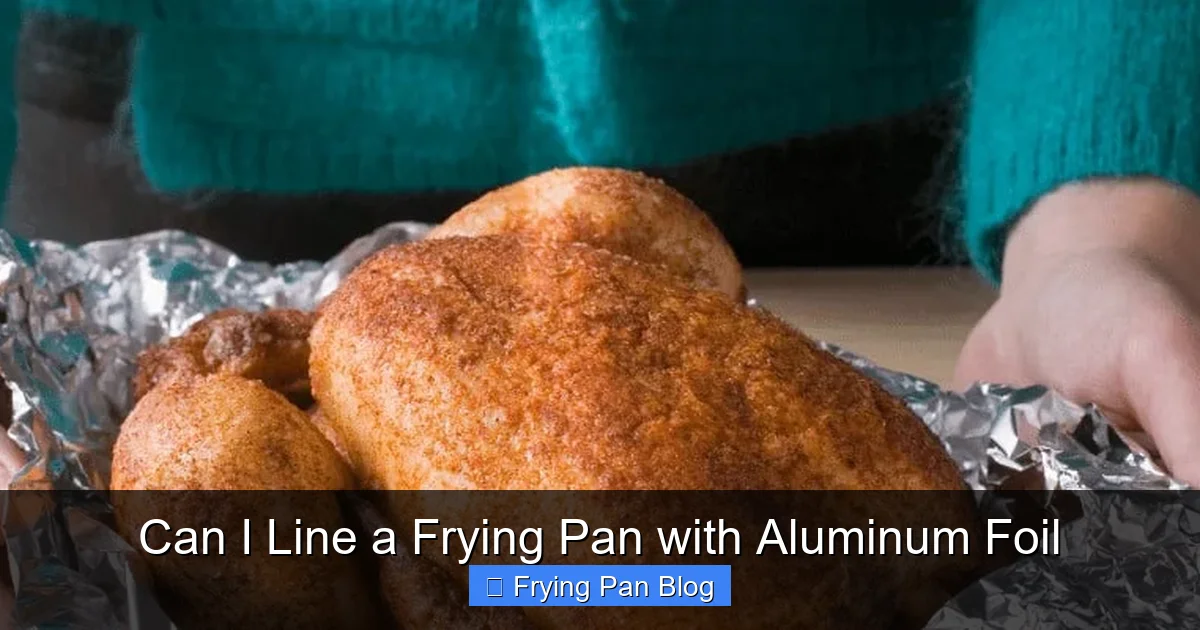
Visual guide about Can I Line a Frying Pan with Aluminum Foil
Image source: worldofpans.com
This can affect how heat is distributed. Foil heats up quickly, but it also cools quickly, which can cause uneven cooking if not used carefully.
Potential Safety Concerns
One concern is that aluminum foil can tear or crinkle easily, especially if you use metal utensils. This can cause food to stick to the exposed pan or create sharp edges that might scratch your cookware.
Another issue is cooking acidic foods (like tomato sauce or citrus) directly on aluminum foil. Acidic ingredients can react with aluminum, leading to metallic tastes and possible aluminum leaching into your food. While occasional exposure is generally considered safe, frequent consumption of aluminum-tainted food is best avoided.
Lastly, using aluminum foil on very high heat, such as searing or deep frying, is not recommended because the foil can degrade or cause hotspots that damage the pan or affect cooking quality.
Benefits of Lining a Frying Pan with Aluminum Foil
Easy Cleanup
One of the biggest reasons people line frying pans with aluminum foil is to reduce cleanup time. Since foil acts as a barrier, food residues don’t stick to the pan itself. After cooking, you can simply remove and discard the foil, leaving a clean pan underneath.
Protects Your Pan
For delicate or non-stick pans, lining with foil can protect the surface from scratches or damage caused by spatulas or scrubbing. This can extend the life of your cookware.
Prevents Sticking
If you don’t have non-stick spray or oil handy, foil can help prevent food from sticking to the pan, especially when cooking sticky or sugary foods.
Versatility for Oven Use
Aluminum foil is great for lining baking trays or pans used in the oven. It allows you to cook items like roasted vegetables or baked fish with less mess. However, this benefit translates differently when frying on the stovetop, where direct heat control is critical.
Drawbacks and Limitations
Uneven Cooking
Because the foil is a thin metal sheet, it can cause heat to be unevenly distributed. You might end up with hot spots or undercooked areas. This is especially true for frying, where direct contact between pan and food is important.
Foil Can Tear or Shift
When cooking, the foil can move or tear, exposing the pan underneath. This defeats the purpose of lining and can make cooking messier. It also means that food can get stuck to the pan or foil fragments might mix with your meal.
Not Suitable for High Heat or Open Flames
Using foil on high heat can cause it to degrade or even burn. It’s generally not recommended for searing, stir-frying, or grilling with direct flames. High temperatures can also warp the foil, reducing its effectiveness.
Environmental Impact
Using disposable foil for every cooking session creates waste. If you’re environmentally conscious, it’s better to use reusable liners or properly seasoned pans to reduce foil usage.
How to Properly Line a Frying Pan with Aluminum Foil
Step-by-Step Guide
- Choose the right pan: Use a sturdy pan with a flat bottom to help the foil lay evenly.
- Cut the foil to size: Tear off a piece slightly larger than the pan’s surface, so it can wrap up the sides.
- Fit the foil carefully: Press the foil gently into the pan, smoothing out wrinkles but avoiding tearing.
- Fold edges: Fold excess foil over the edges of the pan to keep it secure.
- Use low to medium heat: To avoid damaging the foil, cook at moderate temperatures.
- Avoid metal utensils: Use silicone, wooden, or plastic tools to prevent punctures.
Practical Tips
- Lightly oil the foil surface to further prevent sticking.
- Check the foil regularly during cooking and replace if torn or crumpled.
- Consider using heavy-duty aluminum foil for better durability.
- Use foil lining mainly for baking or gentle frying rather than intense cooking methods.
Alternatives to Lining a Frying Pan with Aluminum Foil
Silicone Baking Mats and Liners
Reusable silicone liners are heat-resistant and non-stick. They fit inside pans and trays and can be washed and reused many times, reducing waste.
Parchment Paper
Parchment paper works well for baking and roasting but is less suitable for stovetop frying since it can burn at high heat. For oven use, it’s a great alternative to foil.
Non-Stick Cooking Sprays and Oils
Instead of lining with foil, applying a thin layer of oil or non-stick spray can prevent sticking and protect your pan’s surface.
Seasoned Cast Iron or Non-Stick Pans
Using well-seasoned cast iron or high-quality non-stick pans reduces the need for foil lining because they naturally prevent sticking and are easy to clean.
Conclusion
So, can you line a frying pan with aluminum foil? The short answer is yes, but with some important caveats. Using aluminum foil in your frying pan can make cleanup easier and protect your cookware, but it’s best suited for low to medium heat cooking and gentle uses like baking or roasting in the oven.
Be mindful of the risks, especially when cooking acidic foods or using high heat. Avoid sharp utensils and replace torn foil promptly. If you want a safer, more durable option, consider silicone liners, parchment paper, or simply improving your pan seasoning and using non-stick sprays.
Ultimately, lining your frying pan with aluminum foil can be a helpful kitchen hack when done carefully, but it’s not a one-size-fits-all solution. Experiment with these tips and find what works best for your cooking style and cookware.
🎥 Related Video: Easiest way to put foil in a pan 🤯 #lifetips #lifehacks #kitchentips #kitchenhacks #cookingtips
📺 Amin Tips
Frequently Asked Questions
Can I use aluminum foil to line a frying pan on the stovetop?
Yes, you can line a frying pan with aluminum foil on the stovetop, but it’s best to use low to medium heat to avoid tearing or burning the foil. Avoid high heat cooking methods like searing or frying with direct flames.
Is it safe to cook acidic foods on aluminum foil?
Cooking acidic foods like tomatoes or citrus on aluminum foil can cause a reaction that may impart a metallic taste and increase aluminum leaching. It’s best to avoid lining pans with foil when cooking acidic dishes frequently.
Will lining a frying pan with foil prevent food from sticking?
Lining a frying pan with aluminum foil can help reduce sticking, especially if you lightly oil the foil. However, foil can tear or shift, so it’s not always as reliable as traditional non-stick methods.
Can I use metal utensils on aluminum foil in a frying pan?
It’s not recommended to use metal utensils on aluminum foil as they can tear or puncture the foil. Use wooden, silicone, or plastic utensils instead to protect the foil lining.
What are good alternatives to lining a frying pan with aluminum foil?
Good alternatives include silicone baking mats or liners, parchment paper (for oven use), non-stick cooking sprays, and properly seasoned cast iron or non-stick pans.
Does lining a frying pan with foil damage the pan?
When done carefully, lining a pan with foil shouldn’t damage it. However, if the foil tears or sharp edges scratch the surface, it can cause damage over time. Always handle foil carefully and avoid high heat to protect your cookware.
