Can a Saute Pan Be Used as a Frying Pan

Wondering if a saute pan can be used as a frying pan? The answer is yes, with some considerations. Both pans have unique designs that influence cooking techniques, but a saute pan can serve as a frying pan for many dishes, offering great versatility in your kitchen.
Key Takeaways
- Design Differences: Saute pans have taller sides and a larger surface area compared to frying pans, affecting heat distribution and cooking style.
- Cooking Techniques: Saute pans excel in searing, simmering, and sauces, while frying pans are ideal for quick frying and turning foods.
- Versatility: A saute pan can often replace a frying pan, but may require adjustments in technique or heat.
- Heat Control: Frying pans generally heat faster and allow easy flipping, while saute pans retain heat better for slow cooking.
- Practical Tips: Use a saute pan for frying with some care to avoid crowding and ensure even cooking.
- Material Matters: Both pans come in various materials that influence performance and suitability for frying tasks.
- Maintenance and Care: Proper cleaning and seasoning can extend the life of both pans regardless of their use.
📑 Table of Contents
Introduction
If you love cooking, you’ve probably wondered about the best tools to use in your kitchen. Two common pans that often come up are the saute pan and the frying pan. They look similar but have different shapes and purposes. So, can a saute pan be used as a frying pan? The short answer is yes, but there’s more to it than that.
Understanding the differences between these pans helps you choose the right one for your cooking style and recipe. Whether you’re searing meat, frying eggs, or tossing vegetables, knowing when to use a saute pan or frying pan can make your meal turn out perfectly.
In this article, we’ll explore the features of saute pans and frying pans, how they compare, and practical tips on using a saute pan as a frying pan effectively.
What Is a Saute Pan?
Design and Features
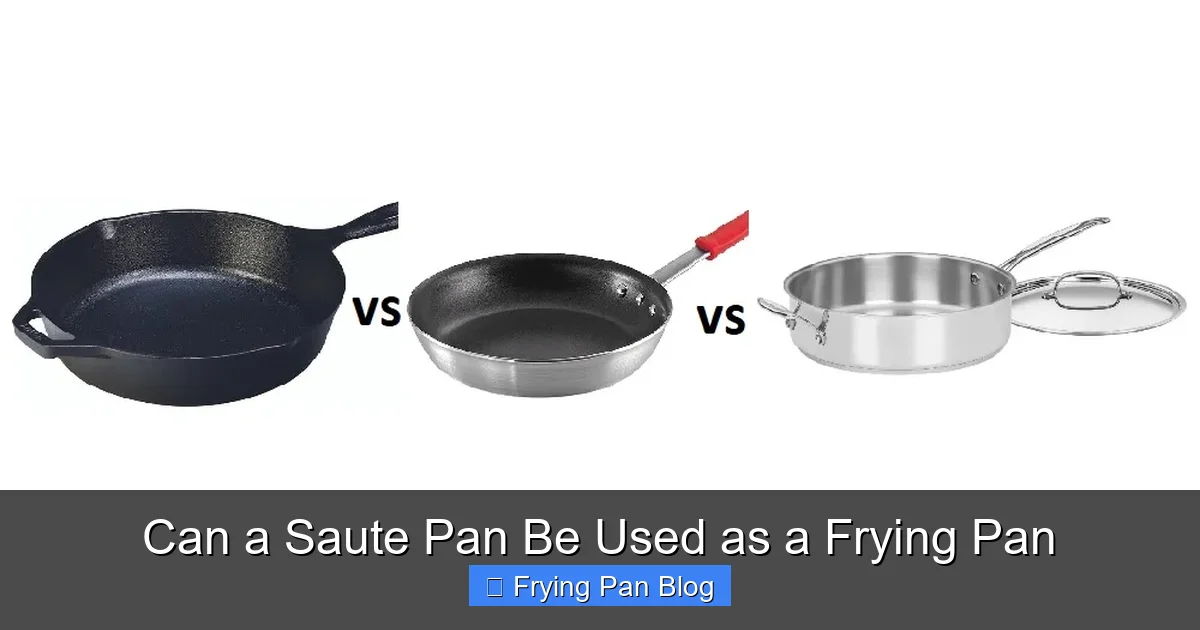
A saute pan typically has a wide, flat bottom with tall, straight sides. These sides are usually about 3 inches or higher, which helps keep food contained when stirring or tossing. The straight edges mean you can easily use a spatula to scrape the sides and cook sauces without spilling.
Visual guide about Can a Saute Pan Be Used as a Frying Pan
Image source: warmmass.com
Common Uses
Saute pans are great for cooking foods that need more space and control. They’re perfect for searing meat, cooking vegetables, and making pan sauces. The tall sides also allow you to braise or simmer food, making this pan very versatile.
What Is a Frying Pan?
Design and Features
Frying pans, also called skillets, have a flat bottom but much lower, sloped sides. These sides make it easier to flip and turn food, which is why they’re ideal for frying, sautéing, and cooking foods like pancakes or eggs.
Common Uses
Frying pans are designed for quick, high-heat cooking. Their sloped sides allow steam to escape quickly and provide easy access for flipping or stirring food. They’re often used for shallow frying, searing, and browning.
Can You Use a Saute Pan as a Frying Pan?
Yes, But With Some Considerations
You can use a saute pan as a frying pan, especially if you don’t have a frying pan handy. The flat bottom and even heat distribution help cook food evenly. However, the tall sides mean you may not be able to flip food as easily, and the pan might hold more moisture, making foods less crispy.
Adjust Your Cooking Technique
When frying in a saute pan, be sure not to overcrowd it. Overcrowding traps steam and prevents browning. Also, use a spatula to carefully turn foods instead of flipping them in the air. If you’re frying something like bacon or eggs, the saute pan works just fine, but for delicate flipping tasks, the frying pan might be better.
Practical Examples of Using a Saute Pan for Frying
Frying Chicken
When frying chicken in a saute pan, use enough oil to cover the bottom and heat it to the right temperature before adding the chicken. The tall sides contain oil splatters well, keeping your stovetop cleaner. Cook in batches if needed to avoid crowding.
Cooking Eggs
For scrambled or fried eggs, a saute pan works well. The even heat prevents hot spots, and the straight sides help contain the eggs. Just be gentle when stirring or flipping to avoid breaking the eggs.
Stir-Frying Vegetables
A saute pan can substitute for a wok or frying pan when stir-frying vegetables. The large surface area gives ample room for tossing, and the high sides keep the food in place.
Material and Heat Considerations
Common Materials
Both saute and frying pans come in stainless steel, nonstick, cast iron, and aluminum. Each material affects heat retention and cooking performance differently. For frying, nonstick or cast iron pans are popular for easy release and even browning.
Heat Distribution and Retention
Saute pans often have thicker bottoms and retain heat longer, which is great for simmering or braising. Frying pans heat up quickly and cool down faster, providing more control during quick frying. Using a saute pan as a frying pan means you might need to adjust your heat settings to avoid burning or uneven cooking.
Cleaning and Maintenance Tips
Cleaning Saute and Frying Pans
Proper cleaning extends the life of your pans. For nonstick pans, avoid abrasive scrubbers and use gentle soap. Cast iron pans require seasoning and careful drying to prevent rust. Stainless steel pans can handle more rigorous cleaning but benefit from prompt washing to avoid stains.
Maintenance for Best Performance
Season cast iron saute pans regularly to maintain their nonstick surface. Avoid overheating nonstick pans to preserve the coating. Store pans properly, stacking with protective layers to prevent scratches.
Conclusion
So, can a saute pan be used as a frying pan? Absolutely! While each pan has a design tailored to specific cooking tasks, a saute pan’s versatility allows it to handle many frying jobs with a few technique tweaks.
Understanding the differences in shape, heat retention, and cooking style helps you make the most of your pans. Whether you’re searing, frying, or simmering, having both a saute pan and a frying pan in your kitchen is ideal. But if you only have one, a saute pan can be a great multi-purpose tool to get your frying done right.
Next time you reach for a pan, remember these tips, and enjoy exploring new recipes with confidence!
🎥 Related Video: Saute Pan vs Fry Pan, and why Saute Pan is the Most Versatile Pan in the Kitchen!
📺 MQ
In this short video I discuss the simple difference between a Saute Pan and a Fry Pan. I also discuss why a Saute Pan is perhaps …
Frequently Asked Questions
Can I use a saute pan for shallow frying?
Yes, a saute pan can be used for shallow frying. Its tall sides help contain oil splatters, but be sure not to overcrowd the pan to keep the food crispy.
Is a saute pan better than a frying pan for searing meat?
Saute pans are excellent for searing meat due to their even heat distribution and tall sides that help retain juices. However, frying pans also work well for quick searing with easy flipping.
Will food stick more in a saute pan compared to a frying pan?
Food sticking depends more on the pan’s material and seasoning than its shape. Both saute and frying pans can be nonstick or stainless steel, so proper preheating and oil use are key.
Can I flip pancakes in a saute pan?
Flipping pancakes in a saute pan is possible but can be trickier due to the tall sides. A frying pan with sloped edges is generally easier for flipping pancakes.
Does the size of the pan affect frying results?
Yes, size matters. A larger surface area allows better heat distribution and prevents overcrowding, which is crucial for even frying and browning.
How do I clean a saute pan after frying greasy foods?
Let the pan cool slightly, then soak it in warm, soapy water to loosen grease. Use a nonabrasive sponge for nonstick pans or a scrub brush for stainless steel to clean thoroughly.
