Can We Make Chapati in Frying Pan

Yes, you can definitely make chapati in a frying pan! Using a frying pan is a convenient and effective way to prepare soft and tasty chapatis at home. With the right technique and heat control, a regular frying pan can deliver results just like a traditional tawa.
Key Takeaways
- Chapati can be made in a frying pan: A frying pan works well for cooking chapatis when used properly.
- Heat control is crucial: Medium-high heat helps cook chapati evenly without burning.
- Use a non-stick or cast iron pan: These types of pans offer the best results for chapati cooking.
- Proper dough preparation matters: Soft, pliable dough makes it easier to cook chapatis evenly.
- Flipping technique affects texture: Flipping chapati at the right time ensures puffiness and softness.
- Practice improves results: With a little experience, frying pan chapatis can match traditional ones.
- Frying pan chapatis save time and resources: No need for specialized equipment or extra cleaning.
📑 Table of Contents
Introduction
Chapati is a staple Indian flatbread loved by millions worldwide. Traditionally cooked on a tawa or griddle, chapati is soft, warm, and pairs beautifully with a variety of dishes. But what if you don’t have a tawa handy? Can we make chapati in a frying pan? The answer is a resounding yes! A frying pan is a versatile kitchen tool available in almost every home, and it can be used to make delicious chapatis when you know the right method.
In this article, we will explore everything you need to know about making chapati in a frying pan — from choosing the right pan and dough preparation to cooking techniques and tips for perfect results. Whether you’re a beginner or just out of traditional cookware, you’ll find this guide helpful and easy to follow. Let’s dive in and start making chapati with your trusty frying pan!
Why Use a Frying Pan for Chapati?
Convenience and Availability
One of the main reasons people consider making chapati in a frying pan is convenience. Not everyone owns a specialized tawa, but almost every kitchen has a frying pan. Using what you already have means no extra purchases or clutter. Frying pans are also easy to clean, making the cooking process simpler and faster.
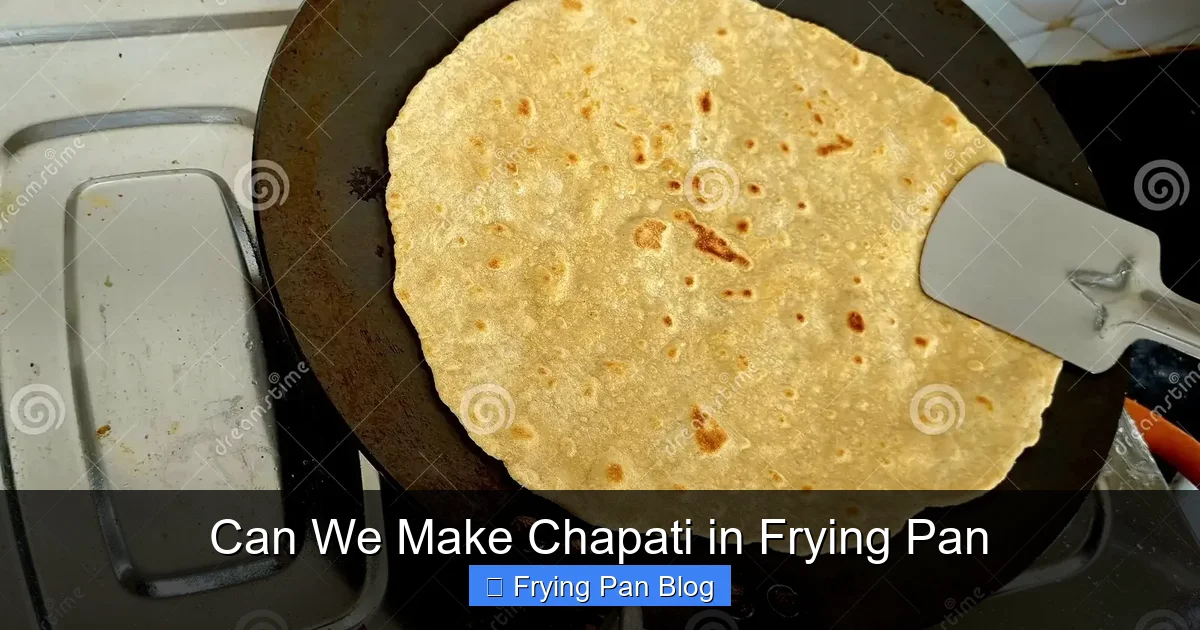
Visual guide about Can We Make Chapati in Frying Pan
Image source: thumbs.dreamstime.com
Versatility of Frying Pans
Frying pans come in various materials, including non-stick, cast iron, aluminum, and stainless steel. Each type offers different benefits for cooking chapati. For example, cast iron pans retain heat well and give an authentic char, while non-stick pans prevent sticking and require less oil. This versatility allows you to pick a pan that suits your cooking style and preferences.
Perfect for Small Batches
If you are cooking chapatis for one or two people, using a frying pan is practical. It heats up quickly and is easy to maneuver, making it perfect for small batches. Plus, it’s portable and can be used on various stove types, from gas to electric.
Choosing the Right Frying Pan
Non-Stick Frying Pan
Non-stick pans are a popular choice because they reduce the chance of chapatis sticking and tearing. They require less oil and are easy to clean afterward. However, non-stick pans may not give the same smoky flavor or char marks as traditional cooking methods.
Cast Iron Pan
Cast iron pans are excellent for chapati making. They distribute heat evenly and hold it well, which helps in cooking the chapati uniformly. A well-seasoned cast iron pan can mimic the traditional tawa experience, giving your chapatis a slightly smoky flavor and perfect puff.
Stainless Steel or Aluminum Pan
These pans heat up quickly but may cause sticking if not used properly. Applying a thin layer of oil or ensuring the pan is well-seasoned can help. They are usually lighter and easier to handle but may require more attention to heat control.
Preparing the Chapati Dough
Ingredients Needed
- Whole wheat flour (atta)
- Water
- Salt (optional)
- Oil or ghee (optional)
Making the Dough
Start by mixing whole wheat flour and salt in a bowl. Gradually add water and knead the flour until you get a soft, pliable dough. The dough should not be too sticky or too dry. Kneading for about 8-10 minutes helps develop gluten, which improves elasticity and puffing ability.
Resting the Dough
Cover the dough with a damp cloth and let it rest for at least 20-30 minutes. Resting allows the flour to absorb moisture and relaxes the gluten, making it easier to roll out chapatis that don’t tear or crack.
Step-by-Step Guide to Making Chapati in a Frying Pan
Step 1: Preheat the Pan
Place your frying pan on medium-high heat and allow it to warm up. A hot pan is essential for cooking chapati evenly and quickly. To test, sprinkle a few drops of water—if they sizzle and evaporate immediately, the pan is ready.
Step 2: Roll Out the Chapati
Divide the dough into small balls and lightly flour your rolling surface. Roll each ball into a thin, round disc about 6-7 inches in diameter. Try to keep the thickness even for uniform cooking.
Step 3: Cook the Chapati on the Pan
Place the rolled chapati onto the hot frying pan. Cook for about 30 seconds or until you see bubbles forming. Flip the chapati using tongs or a spatula.
Step 4: Flip and Cook the Other Side
After flipping, cook the second side for another 30 seconds. You can press gently on the chapati with a spatula or cloth to encourage puffing. Flip again if needed, allowing the chapati to puff up fully. If it doesn’t puff, don’t worry — it will still taste great.
Step 5: Remove and Serve
Once cooked, remove the chapati from the pan and place it in a covered container or wrap it in a clean cloth to keep warm and soft. Serve immediately with your favorite curry or vegetable dish.
Tips for Perfect Frying Pan Chapatis
Control the Heat
Too high heat can burn the chapati, while too low heat makes it dry and hard. Medium to medium-high heat is ideal. Adjust as needed during cooking.
Use Minimal Oil
Chapati dough generally does not require oil, but lightly greasing the pan can prevent sticking if you’re using a stainless steel or cast iron pan.
Practice Rolling Evenly
Uneven chapatis cook poorly and may burn or remain undercooked in spots. Keep the rolling surface floured and use steady pressure.
Cover Cooked Chapati
Keeping cooked chapatis covered with a cloth prevents them from drying out and keeps them soft.
Experiment with Different Pans
If you have more than one frying pan, try each to see which gives the best results for your chapati style.
Common Challenges and How to Overcome Them
Chapati Sticking to the Pan
If your chapati sticks, try heating the pan slightly more before placing the dough. Use a non-stick pan or lightly oil the pan’s surface. Also, ensure the dough is well-kneaded and not too wet.
Chapati Not Puffing Up
Puffing depends on dough elasticity and heat. Make sure the dough is soft and well-rested. Press gently on the chapati when cooking to encourage puffing. Also, ensure the pan is hot enough before cooking.
Chapati Burning Too Fast
Lower the heat slightly and keep an eye on the cooking time. Flip the chapati quickly to avoid burning. Using a pan with even heat distribution helps prevent hot spots.
Conclusion
Making chapati in a frying pan is not only possible but can be just as rewarding as using a traditional tawa. With the right pan, dough preparation, and cooking technique, you can enjoy fresh, soft chapatis anytime without special equipment. Remember to control your heat, practice rolling evenly, and keep the chapatis covered after cooking. Whether you’re an experienced cook or a beginner, a frying pan offers a practical and efficient way to bring this beloved flatbread to your table.
So next time you crave chapati but don’t have a tawa, reach for your frying pan and get cooking. It’s simple, convenient, and delicious!
Frequently Asked Questions
Can we make chapati in a regular non-stick frying pan?
Yes, a regular non-stick frying pan is great for making chapati. It prevents sticking and requires less oil, making the cooking process easier and clean-up quick.
What type of frying pan is best for cooking chapati?
Cast iron pans and non-stick frying pans are the best options. Cast iron holds heat well and gives authentic flavor, while non-stick pans offer convenience and easy handling.
How do I prevent chapati from sticking to the frying pan?
Make sure the pan is properly heated before placing the chapati. You can lightly oil the pan or use a non-stick pan. Also, avoid rolling dough that is too wet.
Why is my chapati not puffing when cooked in a frying pan?
Chapati puffing depends on proper dough elasticity and heat. Ensure the dough is soft, rested, and rolled evenly. Press gently on the chapati while cooking to help it puff.
Can I use an electric frying pan or induction pan for making chapati?
Yes, you can use electric or induction frying pans as long as they heat evenly and reach the right temperature. Adjust heat settings to medium-high for best results.
Is chapati made in a frying pan as healthy as one made on a tawa?
Absolutely! The pan type does not affect the nutritional value of chapati. Using a frying pan is just a cooking method, and chapati remains a wholesome, healthy flatbread.