
Can a Frying Pan Be Recoated

Can a frying pan be recoated? Yes, many frying pans, especially non-stick ones, can be recoated to restore their cooking surface. Recoating can breathe new life into your pan but depends on the type of pan, coating material, and cost-effectiveness compared to buying new.
Key Takeaways
- Recoating is possible: Many frying pans can be recoated, especially non-stick types.
- Types of coatings matter: Different coatings like Teflon, ceramic, or enamel require different recoating methods.
- Professional recoating recommended: DIY recoating is tricky; professionals provide better, longer-lasting results.
- Cost vs. replacement: Sometimes buying a new pan is more economical than recoating.
- Maintenance extends life: Proper care can delay the need for recoating.
- Environmental benefits: Recoating reduces waste by extending the pan’s lifespan.
- Recoating frequency: Depends on pan usage, quality, and coating durability.
📑 Table of Contents
Can a Frying Pan Be Recoated?
If you’ve ever noticed your frying pan’s non-stick surface peeling or wearing off, you might wonder, can a frying pan be recoated? Whether your pan is scratched, stained, or just losing its slick finish, the idea of giving it a fresh coat can be tempting. After all, replacing kitchen gear can get expensive, and some pans hold sentimental value or simply cook better than newer models.
In this article, we’ll explore everything about recoating frying pans — what it means, how it’s done, which pans qualify, and when it’s worth it. You’ll also get handy tips on caring for your pans to keep them in top shape longer.
Understanding Frying Pan Coatings
Types of Frying Pan Coatings
The type of coating on your frying pan plays a big role in whether it can be recoated. Here are the most common coatings:
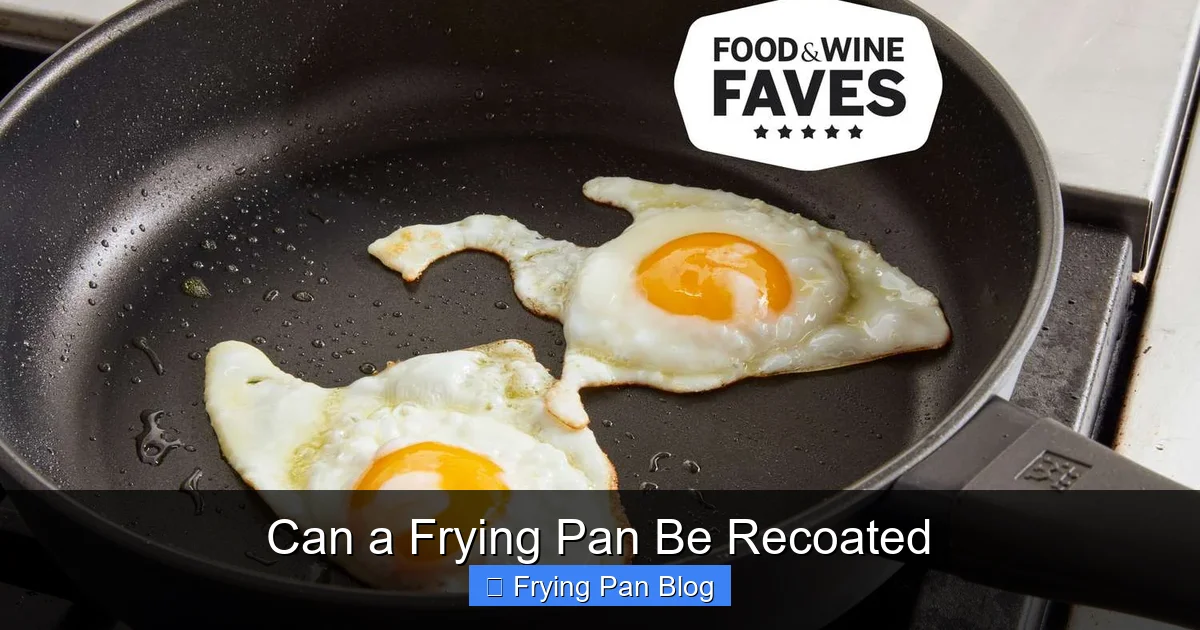
Visual guide about Can a Frying Pan Be Recoated
Image source: foodandwine.com
- PTFE (Teflon) Coating: The classic non-stick surface, prized for its slickness but prone to scratching and wearing out over time.
- Ceramic Coating: A newer, eco-friendly option that is often marketed as more durable and free of chemicals like PFOA.
- Enamel Coating: Usually on cast iron or steel pans, enamel is durable but can chip if mishandled.
- Seasoned Cast Iron: Not a coating per se, but a natural non-stick layer built by oil polymerization.
How Coatings Wear Out
Over time, coatings can break down due to:
- High heat exposure
- Metal utensils scratching the surface
- Improper cleaning methods
- Natural wear and tear
When coatings degrade, food sticks more, and cleaning becomes harder. That’s when many ask about recoating options.
Is It Possible to Recoat a Frying Pan?
Recoating Non-Stick Pans
Technically, yes — many non-stick pans can be recoated. However, it’s not a simple DIY task. The old coating must be completely removed, the surface prepped perfectly, and then a new coating sprayed or applied in a professional environment. This often means:
- Stripping the old, damaged layer chemically or mechanically
- Cleaning and smoothing the surface
- Applying a new layer of non-stick material, usually PTFE or ceramic
- Curing the coating at high temperatures
Because of this complexity, professional services are recommended. Some companies specialize in recoating pans, restoring their non-stick function.
Recoating Ceramic and Enamel Pans
For ceramic-coated pans, recoating is more challenging and less common. Ceramic layers are baked on at high heat, requiring industrial equipment to apply properly. Enamel pans can sometimes be refinished by experts, but chips and cracks in enamel are harder to repair perfectly.
Recoating Cast Iron Pans
Cast iron pans don’t have a coating like non-stick pans. Instead, they rely on seasoning — a layer of polymerized oil. If your cast iron pan’s surface is compromised, you can restore it by reseasoning at home. This process involves:
- Cleaning the pan thoroughly
- Applying a thin layer of oil
- Baking it at high heat to build up the seasoning
This method effectively “recoats” the pan with a natural, non-stick surface.
When Should You Consider Recoating Your Frying Pan?
Signs You Need a New Coating
Look for these signs indicating it’s time to recoat or replace your pan:
- Non-stick coating peeling or flaking
- Food sticking despite proper use
- Scratches or worn spots exposing the base metal
- Discoloration or burns that won’t clean off
Cost and Convenience Factors
Recoating usually costs between $20 to $50, depending on the pan and service. It’s worth it if you have a high-quality pan that’s expensive to replace or holds sentimental value. For inexpensive pans, replacement might be smarter.
Environmental Impact
Recoating helps reduce waste by extending the life of your pan. If you’re eco-conscious, recoating can be a great choice, preventing perfectly good cookware from ending up in landfills.
How to Recoat a Frying Pan: DIY vs. Professional
Professional Recoating Services
Many companies offer professional recoating. They use specialized equipment to:
- Strip old coatings safely
- Prepare the surface
- Apply new coatings evenly
- Cure the coating for durability
This ensures a long-lasting finish but can take days and cost more than a new pan.
DIY Recoating Options
Some enthusiasts attempt DIY recoating by buying non-stick spray paints or ceramic coating kits. While this can work temporarily, it’s often less durable and may not be food-safe if the wrong products are used. Be cautious and research thoroughly before trying this.
Reseasoning Cast Iron
For cast iron, reseasoning is an easy and safe DIY method. Here’s a quick guide:
- Wash and dry your pan completely
- Apply a thin layer of vegetable oil or flaxseed oil
- Place the pan upside down in an oven at 450°F (230°C) for an hour
- Let it cool inside the oven
Repeat as needed to build a strong seasoning layer.
Tips for Maintaining Your Frying Pan’s Coating
Use Proper Utensils
Avoid metal tools that can scratch coatings. Opt for wooden, silicone, or plastic utensils to keep surfaces smooth.
Cook on Medium or Low Heat
High heat can damage coatings. Use medium or low heat settings to preserve the pan’s surface.
Hand Wash Only
Dishwashers can be harsh on coatings. Washing by hand with mild soap and a soft sponge extends coating life.
Avoid Abrasive Cleaners
Steer clear of steel wool or harsh scrubbing pads. These can strip coatings quickly.
Store Properly
Stack pans carefully or use protective liners to prevent scratches during storage.
Conclusion
So, can a frying pan be recoated? The short answer is yes — but it depends on the pan type, coating material, and whether you want to invest in professional recoating. For non-stick pans, professional services can breathe new life into your cookware. Ceramic and enamel pans are trickier, while cast iron pans can be easily restored through reseasoning at home.
Before deciding, weigh the cost of recoating against buying a new pan. Also, consider the environmental benefits of extending your pan’s lifespan. With the right care and maintenance, you can delay the need for recoating and enjoy cooking on your favorite pan for years to come.
Remember, good habits like using gentle utensils, cooking at moderate heat, and hand washing go a long way to keep your pan’s coating in great shape.
Frequently Asked Questions
Can all frying pans be recoated?
Not all frying pans are suitable for recoating. Non-stick pans can often be recoated professionally, while ceramic and enamel pans are more difficult. Cast iron pans are best restored by reseasoning rather than recoating.
Is recoating a frying pan worth it?
Recoating can be worth it if you have a high-quality or expensive pan. It extends the pan’s life and saves money compared to buying new. However, for cheaper pans, replacement might be more practical.
How long does recoating a frying pan last?
The durability of a recoated surface varies but typically lasts several months to a year, depending on use and care. Professional recoating tends to last longer than DIY attempts.
Can I recoat a frying pan myself at home?
DIY recoating is possible but tricky and often less reliable. Using non-stick spray paints or ceramic kits may not provide a safe or durable finish. Professional recoating is recommended for best results.
How do I maintain my frying pan’s coating?
Use wooden or silicone utensils, cook on medium heat, hand wash with mild soap, avoid abrasive cleaning tools, and store pans carefully to maintain their coatings.
Can I reseason a non-stick frying pan like cast iron?
No, non-stick pans have synthetic coatings that cannot be reseasoned. Only cast iron or carbon steel pans benefit from reseasoning to build a natural non-stick layer.
