What Are Dutch Ovens

Dutch ovens are heavy, thick-walled pots designed for slow cooking, baking, and braising. They are beloved for their heat retention and versatility, making them a staple in many kitchens. Whether you’re simmering stews or baking bread, Dutch ovens bring out rich flavors with ease.
Key Takeaways
- What are Dutch ovens: Heavy pots with thick walls, often made of cast iron, used for various cooking methods.
- Material types: Traditional cast iron, enameled cast iron, and other materials each offer unique benefits.
- Cooking versatility: Ideal for slow cooking, roasting, frying, baking, and even outdoor cooking.
- Heat retention: Excellent at distributing and holding heat evenly for consistent cooking results.
- Care and maintenance: Requires seasoning (for cast iron) and proper cleaning to last a lifetime.
- Popular brands: Le Creuset, Lodge, and Staub are top names known for quality Dutch ovens.
- Usage tips: Use the right size, avoid sudden temperature changes, and preheat properly.
📑 Table of Contents
Introduction: What Are Dutch Ovens?
If you’ve ever watched a cooking show or flipped through a cookbook, chances are you’ve seen a Dutch oven. But what exactly are Dutch ovens, and why are they such a big deal in kitchens around the world? In simple terms, a Dutch oven is a thick-walled cooking pot with a tight-fitting lid. Traditionally made from cast iron, these pots are prized for their ability to retain and distribute heat evenly. This makes them perfect for slow-cooked meals that require consistent heat over long periods.
From simmering hearty stews to baking artisan bread, Dutch ovens have earned a reputation as versatile and durable cookware. But their usefulness goes beyond the kitchen stove. Many people use them for outdoor cooking, campfire meals, and even baking. In this article, we’ll dive deep into the world of Dutch ovens, exploring their history, types, how to use them, and care tips. By the end, you’ll understand why Dutch ovens are a must-have for any cooking enthusiast.
History and Origins of Dutch Ovens
The Name and Its Roots
The term “Dutch oven” dates back to the 17th century. The name comes from Dutch craftsmen who perfected the casting process of iron pots. Their technique made the pots more durable and better at retaining heat. When English manufacturers adopted this method, the name “Dutch oven” stuck. Over time, these pots became popular across Europe and America for their robustness and versatility.

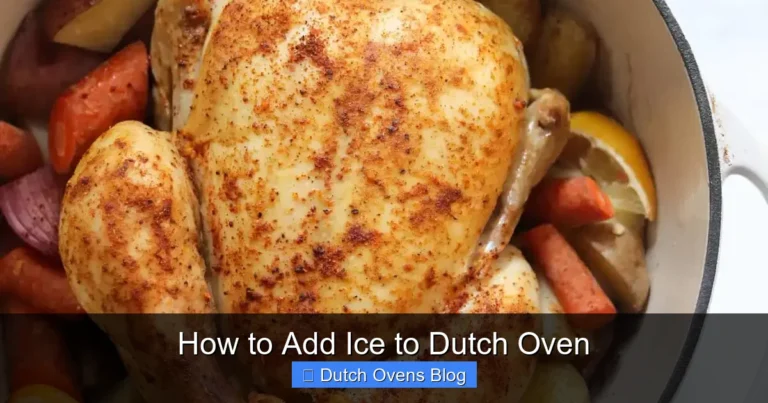
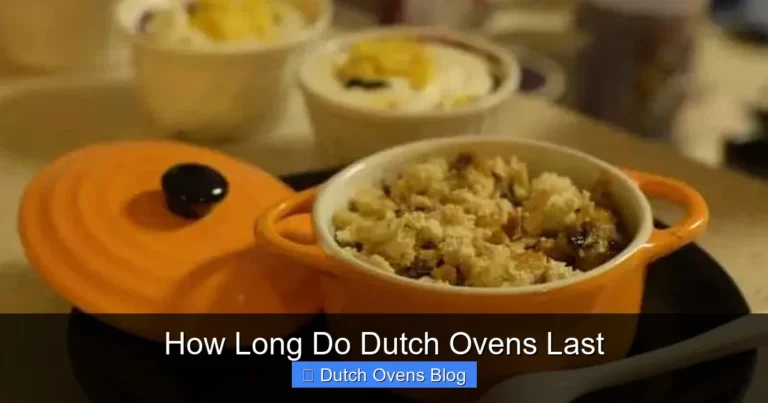
Visual guide about What Are Dutch Ovens
Image source: nypost.com
Evolution Through Time
Originally, Dutch ovens were simple cast iron pots with lids. Over the centuries, manufacturers introduced enamel coatings to make cleaning easier and prevent rust. Today, Dutch ovens come in many styles and materials but maintain the same essential design—a heavy pot with a lid that seals in moisture and heat. This evolution has helped Dutch ovens remain relevant in modern kitchens.
Types of Dutch Ovens
Cast Iron Dutch Ovens
Traditional Dutch ovens are made from cast iron. They are incredibly durable and provide excellent heat retention. However, raw cast iron needs to be seasoned before use to build a natural non-stick surface and prevent rust. Seasoning involves coating the pot with oil and heating it to create a protective layer.
Enameled Cast Iron Dutch Ovens
Enameled Dutch ovens have a porcelain coating over cast iron. This means no seasoning is required, and they are easier to clean. Plus, they come in various colors that brighten up your kitchen. The enamel also protects the pot from rust and can handle acidic foods better than raw cast iron.
Other Materials
While cast iron is king, you’ll also find Dutch ovens made from aluminum, ceramic, or stainless steel. These options are lighter or more affordable but may lack the same heat retention or durability. Choose based on your cooking needs and budget.
Why Use a Dutch Oven?
Unmatched Heat Retention and Distribution
One of the biggest advantages of Dutch ovens is their ability to hold heat evenly. This quality allows for slow cooking without hot spots, which can burn food. Whether you’re braising meat or simmering soup, a Dutch oven ensures consistent heat for perfect results every time.
Versatility in Cooking
Dutch ovens are incredibly versatile. You can use them on the stovetop, in the oven, or even over an open fire. They’re great for roasting, frying, baking, and boiling. This flexibility means you only need one pot for many different recipes.
Seals in Moisture and Flavor
The heavy lid fits tightly, trapping steam inside the pot. This moisture recirculates, keeping food juicy and tender. This makes Dutch ovens perfect for slow-cooked dishes like pot roast or chili, where you want deep, rich flavors.
Using a Dutch Oven: Practical Tips and Recipes
Choosing the Right Size
Dutch ovens come in sizes from 2 quarts to over 8 quarts. A 5-6 quart size is ideal for most families. Smaller pots are good for side dishes or small meals, while larger ones can handle big roasts or batch cooking.
Cooking Techniques
- Braising: Brown meat on the stovetop, then add liquid and cook slowly in the oven for tender results.
- Soups and Stews: Use the Dutch oven to simmer ingredients evenly without burning.
- Baking: Try making no-knead bread by baking dough inside a preheated Dutch oven. It creates a crispy crust and soft interior.
Sample Recipe: Classic Beef Stew
Start by searing chunks of beef in your Dutch oven with oil. Remove the meat, then sauté onions, carrots, and celery. Add garlic, herbs, beef broth, and the meat back in. Cover and simmer in the oven at 325°F for 2-3 hours. The result? A rich, flavorful stew with melt-in-your-mouth beef.
Caring for Your Dutch Oven
Seasoning Cast Iron
If you have a raw cast iron Dutch oven, seasoning is key. Clean the pot, dry it, then rub a thin layer of vegetable oil all over. Place it upside down in the oven at 350°F for an hour. This process builds a natural, non-stick coating that improves with use.
Cleaning Tips
For enameled Dutch ovens, simple soap and water work fine. Avoid metal scrubbers that can damage the enamel. For raw cast iron, avoid soap and instead clean with hot water and a brush. Dry thoroughly and apply a light coat of oil to prevent rust.
Storage
Store your Dutch oven with the lid slightly ajar to allow airflow and prevent moisture buildup. This keeps the pot fresh and rust-free.
Popular Dutch Oven Brands and Where to Buy
Le Creuset
Known for its vibrant colors and high-quality enamel, Le Creuset is a favorite among chefs and home cooks. They are expensive but offer excellent performance and durability.
Lodge
Lodge is a budget-friendly brand that makes both raw and enameled cast iron Dutch ovens. Their products are reliable and widely available in many stores and online.
Staub
Staub Dutch ovens have a unique matte black enamel interior that withstands high heat and develops a natural non-stick surface. They are also known for tight-fitting lids that seal moisture inside.
Where to Buy
You can find Dutch ovens at kitchen specialty stores, department stores, and online marketplaces like Amazon, Williams Sonoma, and Sur La Table. Look for sales or bundles to get the best deals.
Conclusion
So, what are Dutch ovens? They are more than just pots—they are versatile, durable, and essential tools that can transform your cooking. Whether you prefer traditional cast iron or easy-care enameled versions, a Dutch oven helps you create delicious meals with minimal fuss. From stews and soups to baked goods, this cookware is designed to bring out the best in your recipes. Investing in a good Dutch oven means adding a trusty kitchen companion that will last for decades.
Now that you know what Dutch ovens are and how to use them, why not try cooking your next meal with one? You might just discover a new favorite way to cook!
🎥 Related Video: 7 Ways to Use a Dutch Oven
📺 Le Creuset
A Le Creuset Dutch Oven is useful for more than just soups and stews — it’s a versatile workhorse that can handle just about any …
Frequently Asked Questions
What are Dutch ovens used for?
Dutch ovens are used for slow cooking, braising, baking, frying, and roasting. Their thick walls and tight lids help retain heat and moisture, making them perfect for stews, soups, and even bread baking.
Are Dutch ovens only made of cast iron?
While most Dutch ovens are traditionally made of cast iron, there are also enameled cast iron versions and some made from aluminum or ceramic. Cast iron is favored for heat retention and durability.
Do Dutch ovens require special care?
Raw cast iron Dutch ovens need seasoning to maintain a non-stick surface and prevent rust. Enameled Dutch ovens are easier to clean and don’t require seasoning but should be handled carefully to avoid chipping.
Can I use a Dutch oven on any heat source?
Most Dutch ovens work on stovetops, ovens, and campfires. However, check the manufacturer’s instructions, especially for enameled versions, to avoid thermal shock or damage.
What size Dutch oven should I buy?
A 5-6 quart Dutch oven is ideal for most families and versatile enough for various recipes. Smaller sizes are good for side dishes, while larger ones suit big gatherings or batch cooking.
How do I prevent food from sticking to my Dutch oven?
For raw cast iron, proper seasoning and preheating help create a natural non-stick surface. Cooking with enough oil and avoiding sudden temperature changes also prevents sticking. Enameled Dutch ovens generally have a smooth surface that resists sticking better.