Which Is Better Enamel or Stainless Steel

Choosing between enamel and stainless steel Dutch ovens depends on your cooking style and needs. Enamel excels in heat retention and aesthetics, while stainless steel shines in durability and versatility. This guide breaks down both materials to help you decide which is better for your kitchen.
Key Takeaways
- Durability: Stainless steel is highly durable and resistant to chipping, while enamel is prone to chipping and cracking if mishandled.
- Heat Retention: Enamel-coated cast iron retains heat better, making it ideal for slow cooking and braising.
- Maintenance: Stainless steel is easier to clean and dishwasher-safe, whereas enamel requires gentle care to avoid damage.
- Cooking Versatility: Stainless steel works well with high heat and metal utensils; enamel is better for even heat distribution but less tolerant to rough use.
- Appearance: Enamel offers a colorful, glossy finish that looks attractive on the stove and table.
- Price Point: Stainless steel Dutch ovens are often less expensive than high-quality enamel-coated cast iron ones.
- Weight: Stainless steel is generally lighter, making it easier to handle than heavy enamel cast iron.
📑 Table of Contents
Which Is Better Enamel or Stainless Steel?
If you’re in the market for a Dutch oven, you’ve likely come across two popular options: enamel and stainless steel. Both are great materials, but they each have unique qualities that make them better suited for different cooking styles and preferences. So, which is better enamel or stainless steel? Let’s dive into the details to help you decide.
Choosing the right Dutch oven isn’t just about picking the most expensive or the most stylish option. It’s about understanding how you cook, what you want from your cookware, and how much maintenance you’re willing to do. Enamel and stainless steel each bring something different to the table.
In this article, we’ll break down the pros and cons of enamel and stainless steel Dutch ovens, including heat performance, durability, cleaning tips, aesthetics, and cost. By the end, you’ll have a clear idea of which material fits your kitchen best.
Understanding Enamel Dutch Ovens
What Is Enamel Cookware?
Enamel cookware is basically cast iron coated with a smooth, glass-like layer of enamel. This coating prevents rust and makes the pot easier to clean. The enamel also gives you a colorful, glossy finish that looks great on your stovetop or dining table.
Visual guide about Which Is Better Enamel or Stainless Steel
Image source: superx.studio
Key Benefits of Enamel
- Excellent heat retention: Cast iron core holds heat for a long time, perfect for slow-cooked meals.
- Non-reactive surface: The enamel coating doesn’t react with acidic foods like tomatoes or wine, so no metallic taste.
- Beautiful design: Wide range of colors and finishes to match your kitchen style.
Drawbacks of Enamel
- Fragility: Enamel can chip or crack if dropped or hit with metal utensils.
- Weight: Enamel cast iron is heavy, which might be tough for some to handle.
- Care needed: Avoid sudden temperature changes to prevent cracking and use gentle cleaning methods.
Understanding Stainless Steel Dutch Ovens
What Is Stainless Steel Cookware?
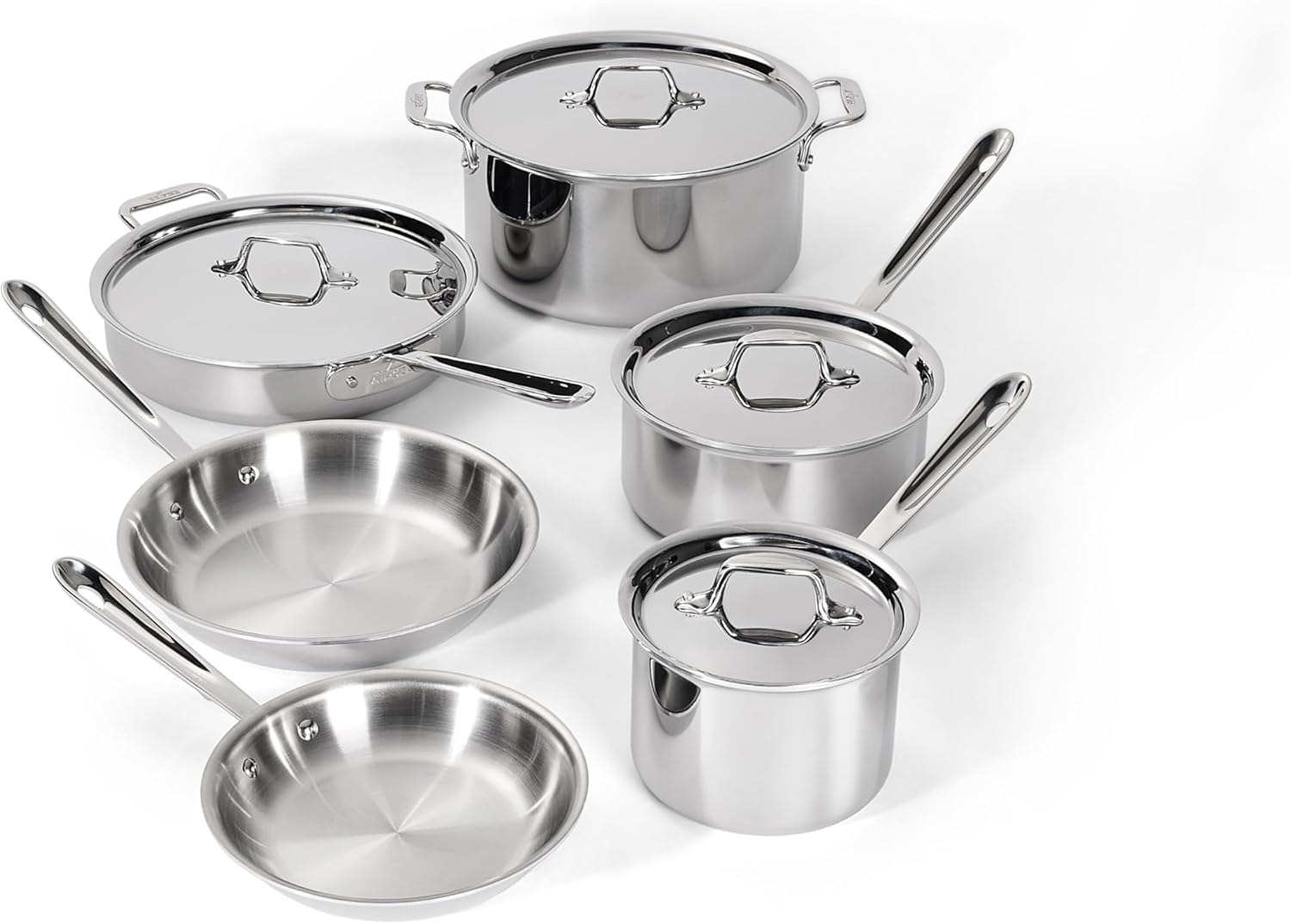
Stainless steel Dutch ovens are made entirely from stainless steel or have a layered construction with aluminum or copper cores for better heat conduction. They are known for their durability and shiny, polished look.
Key Benefits of Stainless Steel
- Durability: Highly resistant to dents, scratches, and rust.
- Lightweight: Easier to lift and maneuver compared to enamel cast iron.
- Versatility: Suitable for high-heat cooking and safe with metal utensils.
- Easy maintenance: Dishwasher safe and simple to clean.
Drawbacks of Stainless Steel
- Heat distribution: Stainless steel alone doesn’t conduct heat well; quality models add aluminum or copper layers to improve this.
- Food sticking: Without non-stick coatings, food can stick if not cooked properly.
- Less heat retention: Cools down faster than enamel cast iron.
Heat Performance and Cooking Results
How Enamel Handles Heat
Enamel Dutch ovens, with their cast iron base, excel at holding and distributing heat evenly. This makes them ideal for recipes that require slow, consistent heat like stews, braises, and soups. The heavy lid keeps moisture locked in, ensuring tender results.
How Stainless Steel Handles Heat
Pure stainless steel isn’t the best heat conductor, so many high-quality stainless steel Dutch ovens feature an aluminum or copper core sandwiched between layers of steel. This improves heat conduction and makes cooking more even. Stainless steel heats up quickly but cools down faster than enamel.
Practical Tips
- For slow-cooking and simmering, enamel is often better due to its heat retention.
- If you prefer quick heating and frequent temperature changes, stainless steel works well.
- Always preheat stainless steel pots gradually to avoid food sticking.
Durability and Maintenance
Keeping Enamel Dutch Ovens in Shape
Enamel is durable but can chip or crack if dropped or hit hard. Avoid metal utensils and sudden temperature shocks (like putting a hot pot into cold water). Hand washing with mild soap is best. While some enamel Dutch ovens are technically dishwasher safe, it’s better to wash by hand to preserve the finish.
Maintaining Stainless Steel Dutch Ovens
Stainless steel Dutch ovens are tough and can take rough handling. They are dishwasher safe and can withstand metal utensils without scratching. However, stainless steel may develop discoloration or water spots, which you can remove with a simple vinegar soak or baking soda scrub.
Practical Tips
- Use silicone, wooden, or nylon utensils with enamel cookware.
- For stainless steel, avoid overheating empty pots to prevent staining.
- Regular seasoning is not required for either type, but enamel can benefit from occasional oiling to protect the surface.
Appearance and Style
The Look of Enamel
Enamel Dutch ovens come in vibrant colors like red, blue, green, and more. Their glossy finish adds a pop of color to your kitchen and looks great as a serving dish straight from stove to table.
The Look of Stainless Steel
Stainless steel Dutch ovens have a sleek, modern, and professional look. The shiny metallic finish fits well in minimalist or contemporary kitchens but lacks the colorful charm of enamel.
Practical Tips
- Choose enamel if you want cookware to double as attractive serveware.
- Go for stainless steel if you prefer a timeless, neutral look that matches all kitchen styles.
Price and Value
Cost of Enamel Dutch Ovens
High-quality enamel Dutch ovens tend to be on the pricier side, especially brands like Le Creuset or Staub. They are a long-term investment given their cooking performance and style.
Cost of Stainless Steel Dutch Ovens
Stainless steel Dutch ovens are generally more affordable. You can find good quality options at a reasonable price, making them a budget-friendly choice for many home cooks.
Practical Tips
- Think about how often you cook and what you want to get from your pot before splurging on enamel.
- If you want good performance without the high price, stainless steel offers excellent value.
Conclusion: Which Is Better Enamel or Stainless Steel?
So, which is better enamel or stainless steel? The honest answer is: it depends on your needs. If you love slow cooking, want excellent heat retention, and appreciate colorful cookware, enamel Dutch ovens will delight you. They offer superb cooking results, especially for stews, braises, and roasts.
On the other hand, if you seek durability, easy maintenance, versatility, and a lighter pot, stainless steel is a fantastic choice. It’s perfect for everyday cooking, searing, and situations where you want quick heat adjustments.
Both materials have their place in the kitchen. Consider your cooking habits, care preferences, and budget when choosing your next Dutch oven. Either way, you’ll be investing in cookware that can last for years and elevate your meals.
🎥 Related Video: Enameled Cast Iron vs Enameled Steel: Which Is Better For You?
📺 I Want To Cook
Did you know there are two different types of enameled metal cookware? Enameled cast iron is very popular, but there is also …
Frequently Asked Questions
Is enamel better than stainless steel for Dutch ovens?
Enamel excels in heat retention and slow cooking, while stainless steel is more durable and versatile. The better choice depends on your cooking style and care preferences.
Can you use metal utensils with enamel Dutch ovens?
It’s best to avoid metal utensils with enamel cookware to prevent chipping. Use wooden, silicone, or nylon utensils instead to protect the enamel coating.
Are stainless steel Dutch ovens dishwasher safe?
Yes, most stainless steel Dutch ovens are dishwasher safe and easy to clean. However, hand washing can help maintain their shine longer.
Do enamel Dutch ovens require seasoning like cast iron?
No, enamel-coated Dutch ovens don’t require seasoning because the enamel surface is non-porous and protects the cast iron underneath.
Which Dutch oven is lighter, enamel or stainless steel?
Stainless steel Dutch ovens are generally lighter than enamel cast iron, making them easier to handle for many cooks.
Can enamel Dutch ovens chip easily?
Yes, enamel can chip if dropped or struck against hard surfaces. Proper care and gentle handling help prevent damage.