
Which Is Healthier Cast Iron or Enameled Cast Iron

Choosing between cast iron and enameled cast iron cookware can impact your health and cooking experience. While traditional cast iron offers natural iron enrichment, enameled cast iron prevents iron transfer and is easier to maintain. This guide breaks down which option is healthier based on your needs and lifestyle.
Key Takeaways
- Cast iron cookware naturally adds iron to food, which can be beneficial for those with iron deficiency.
- Enameled cast iron prevents iron leaching, making it ideal for people who need to limit iron intake.
- Both types are free from harmful chemicals, unlike some non-stick pans.
- Cast iron requires seasoning and careful maintenance, while enameled cast iron is easier to clean and more resistant to rust.
- Neither cookware type releases toxins, providing safe cooking surfaces for everyday use.
- Your choice depends on dietary needs, cooking habits, and maintenance preferences.
📑 Table of Contents
Which Is Healthier Cast Iron or Enameled Cast Iron?
When it comes to choosing cookware that’s both durable and health-conscious, cast iron and enameled cast iron are two popular options. Both have long histories in kitchens around the world, celebrated for their heat retention and versatility. But if you’re wondering which is healthier, the answer isn’t just about nutrients—it also involves maintenance, chemical exposure, and personal dietary needs.
In this article, we’ll explore the health aspects of traditional cast iron versus enameled cast iron cookware. You’ll learn how each affects your food, what benefits and risks they carry, and practical tips to make the most of your Dutch oven or skillet. Whether you’re new to cast iron or considering a switch, this guide will help you pick the healthiest option for your kitchen.
Understanding Cast Iron Cookware
What Is Cast Iron?
Cast iron cookware is made from molten iron poured into molds. It’s heavy, extremely durable, and heats evenly. The surface is usually bare iron or seasoned with oil to create a natural non-stick coating. Because it’s just iron, it doesn’t contain synthetic chemicals or coatings.
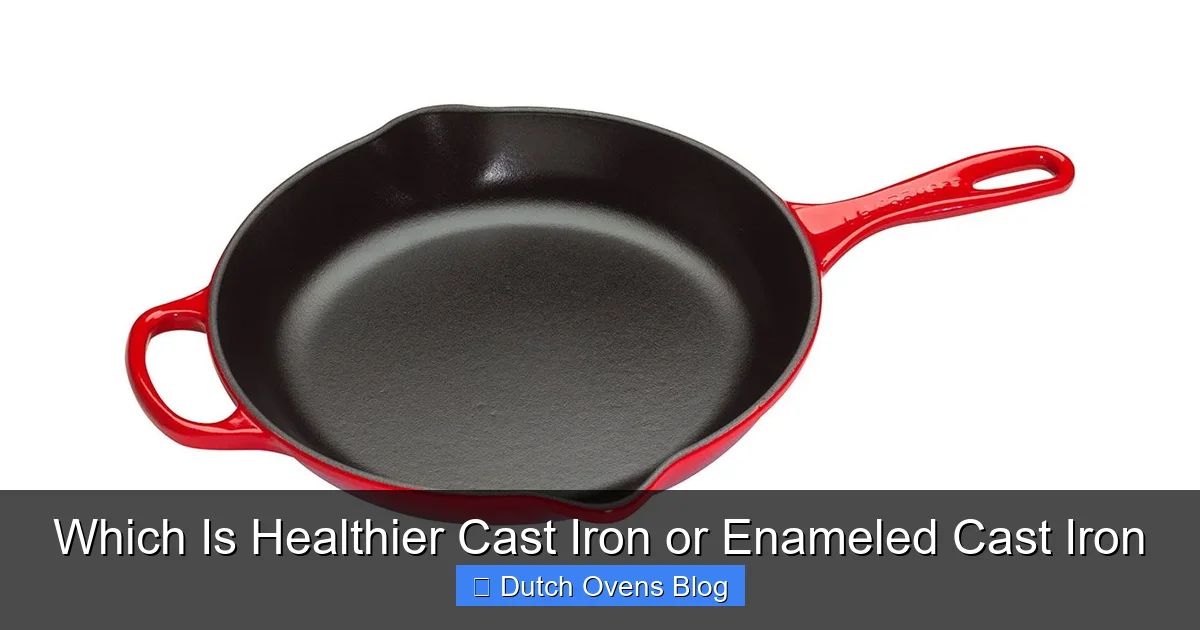
Visual guide about Which Is Healthier Cast Iron or Enameled Cast Iron
Image source: seriouseats.com
Health Benefits of Cast Iron
One unique feature of cast iron is that it can increase the iron content of the food cooked in it. This happens because small amounts of iron leach from the pan, especially when cooking acidic foods like tomato sauce. For people with iron deficiency or anemia, this can be a health boost.
Potential Concerns
While iron leaching is generally good, too much iron intake can be harmful for some individuals, such as those with hemochromatosis (a condition causing iron overload). Additionally, cast iron requires seasoning to maintain its non-stick surface and prevent rust, which means it needs regular care.
What Is Enameled Cast Iron?
Composition and Features
Enameled cast iron consists of a cast iron core coated with a layer of enamel—a type of glass fused to the metal. This coating creates a smooth, non-reactive surface that doesn’t require seasoning. The enamel protects the iron from leaching and rusting.
Health Advantages
Because the enamel layer is non-porous and non-reactive, enameled cast iron does not transfer iron into food. This makes it safer for people who need to limit iron intake. It’s also easy to clean, dishwasher safe, and won’t affect the taste or color of your food.
Things to Consider
Although enamel is durable, it can chip or crack if dropped or handled roughly. Exposed cast iron beneath the enamel can rust and affect food safety. It’s important to inspect your cookware regularly and avoid metal utensils that may scratch the surface.
Comparing Health Impacts
Iron Intake
Cast iron cookware naturally enriches your meals with iron, which can be a nutritional benefit for many. In contrast, enameled cast iron blocks iron absorption, which could be preferable for individuals with conditions like iron overload or those who already get enough iron from their diet.
Chemical Exposure and Safety
Both types are free from synthetic non-stick coatings like Teflon, which can release harmful fumes when overheated. Enameled cast iron uses a glass-based coating that is inert and safe. Traditional cast iron has no chemical coatings but requires seasoning with oil, which is natural and safe.
Maintenance and Hygiene
Cast iron requires seasoning and careful cleaning to avoid rust and maintain its surface. In contrast, enameled cast iron is easier to clean, less reactive, and dishwasher safe. Proper maintenance affects how clean and safe your cookware remains over time.
Practical Tips for Using Cast Iron Safely
Seasoning Your Cast Iron
Seasoning creates a natural non-stick surface by baking oil onto the pan. Use vegetable oil or flaxseed oil applied thinly and heated at high temperature. Regular seasoning prevents rust and reduces iron leaching to manageable levels.
Cooking and Cleaning
Avoid cooking highly acidic foods for long periods in bare cast iron, as this increases iron leaching and can damage seasoning. Clean with hot water and a brush rather than soap. Dry thoroughly and apply a thin oil coating after each use.
Monitoring Iron Intake
If you have concerns about too much iron, limit cooking acidic dishes in cast iron or switch to enameled cookware for those meals. Consult your doctor if you have iron-related health issues.
How to Care for Enameled Cast Iron
Cleaning and Maintenance
Enameled cast iron is dishwasher safe, but hand washing with mild detergent is best to preserve the enamel. Avoid using abrasive scrubbers that can scratch the surface.
Preventing Damage
Handle with care to avoid chipping the enamel. Use wooden, silicone, or plastic utensils to protect the coating. If chips appear, avoid cooking acidic or moist foods in those areas to prevent rusting.
Longevity and Safety
When properly cared for, enameled cast iron can last for decades without posing health risks. The smooth, protective surface ensures safe and consistent cooking every time.
Which Should You Choose?
Consider Your Dietary Needs
If you need to increase iron intake, traditional cast iron is a natural, safe way to do so. For those who must limit iron or prefer low-maintenance cookware, enameled cast iron is the healthier choice.
Think About Your Cooking Style
Cast iron excels at high-heat searing and developing flavors, but it requires more care. Enameled cast iron works well for slow cooking, sauces, and easy cleanup.
Maintenance and Longevity
If you prefer a low-maintenance option that doesn’t require seasoning or careful drying, enameled cast iron is better. If you enjoy the ritual of seasoning and want a pan that can last generations, cast iron is ideal.
Conclusion
When deciding which cookware is healthier—cast iron or enameled cast iron—it really depends on your personal health needs and how you use your pots and pans. Traditional cast iron offers a natural iron boost and excellent cooking performance but requires regular seasoning and care. Enameled cast iron provides a hassle-free, non-reactive surface that prevents iron transfer, making it safer for some individuals.
Both options avoid harmful synthetic coatings and provide safe, durable cookware for everyday meals. Understanding the pros and cons will help you select the healthiest and most practical choice for your kitchen. Whether you pick cast iron or enameled cast iron, you’re investing in cookware that can last a lifetime and support nutritious cooking.
🎥 Related Video: Cast Iron vs Enameled Cast Iron: Which is Better? | Gear Heads
📺 America’s Test Kitchen
Should you get a traditional black cast-iron skillet or a colorful enameled one? Depends on how you use it. Learn more: …
Frequently Asked Questions
Is cast iron cookware safe for everyone?
Cast iron is generally safe and can even add beneficial iron to your diet. However, people with iron overload conditions should consult a doctor before using it regularly.
Does enameled cast iron release any harmful chemicals?
No, enameled cast iron has a non-reactive glass coating that does not release harmful substances during cooking.
Can cooking acidic foods in cast iron be harmful?
Cooking acidic foods in cast iron may increase iron leaching and can degrade the seasoning, but occasional use is usually fine. For frequent acidic cooking, enameled cast iron is better.
Which cookware is easier to clean: cast iron or enameled cast iron?
Enameled cast iron is easier to clean because it doesn’t require seasoning and is dishwasher safe, while cast iron needs careful cleaning and drying to avoid rust.
Does cast iron cookware help with iron deficiency?
Yes, cooking with cast iron can increase the iron content in food, which may benefit those with iron deficiency.
How long does enameled cast iron last?
With proper care, enameled cast iron can last for decades without chipping or losing its protective coating.
