What the Heck Is a Dutch Oven

A Dutch oven is a versatile, heavy-duty pot known for its excellent heat retention and even cooking. Whether you’re simmering soups or baking bread, a Dutch oven can handle it all with ease. This article breaks down what a Dutch oven is, its history, types, uses, and tips to get the most out of this kitchen powerhouse.
Key Takeaways
- What is a Dutch oven: A thick-walled pot used for cooking with superior heat retention.
- Materials matter: Cast iron Dutch ovens are the most popular for their durability and heat distribution.
- Versatility: Perfect for slow cooking, baking, frying, and even outdoor cooking.
- Maintenance: Proper care extends the life of your Dutch oven, especially with cast iron versions.
- History: Dutch ovens have been around for centuries, evolving but staying true to their function.
- Cooking tips: Use low to medium heat and avoid sudden temperature changes to keep your Dutch oven in top shape.
- Investment: A quality Dutch oven is a long-term kitchen companion that can improve your cooking.
📑 Table of Contents
What the Heck Is a Dutch Oven?
If you’ve ever stumbled across a thick, heavy pot in someone’s kitchen and wondered, “What the heck is a Dutch oven?” you’re not alone. Dutch ovens are a staple in many kitchens, yet their true magic often goes unnoticed. They look simple, but these pots bring a unique flair to cooking that few other tools can match.
In this article, we’ll unwrap the mystery behind Dutch ovens. You’ll learn what they are, their fascinating history, different types, and why they might just become your new favorite cooking companion. By the end, you’ll know how to use a Dutch oven like a pro and why it’s worth adding one to your kitchen.
The History of the Dutch Oven
Origins and Evolution
The Dutch oven has a rich history that dates back to the 17th century. The term “Dutch oven” comes from the 1600s when English merchants admired the Dutch technique of casting metal cookware. The Dutch used a special sand casting method that produced durable and thick pots, perfect for even heat distribution.

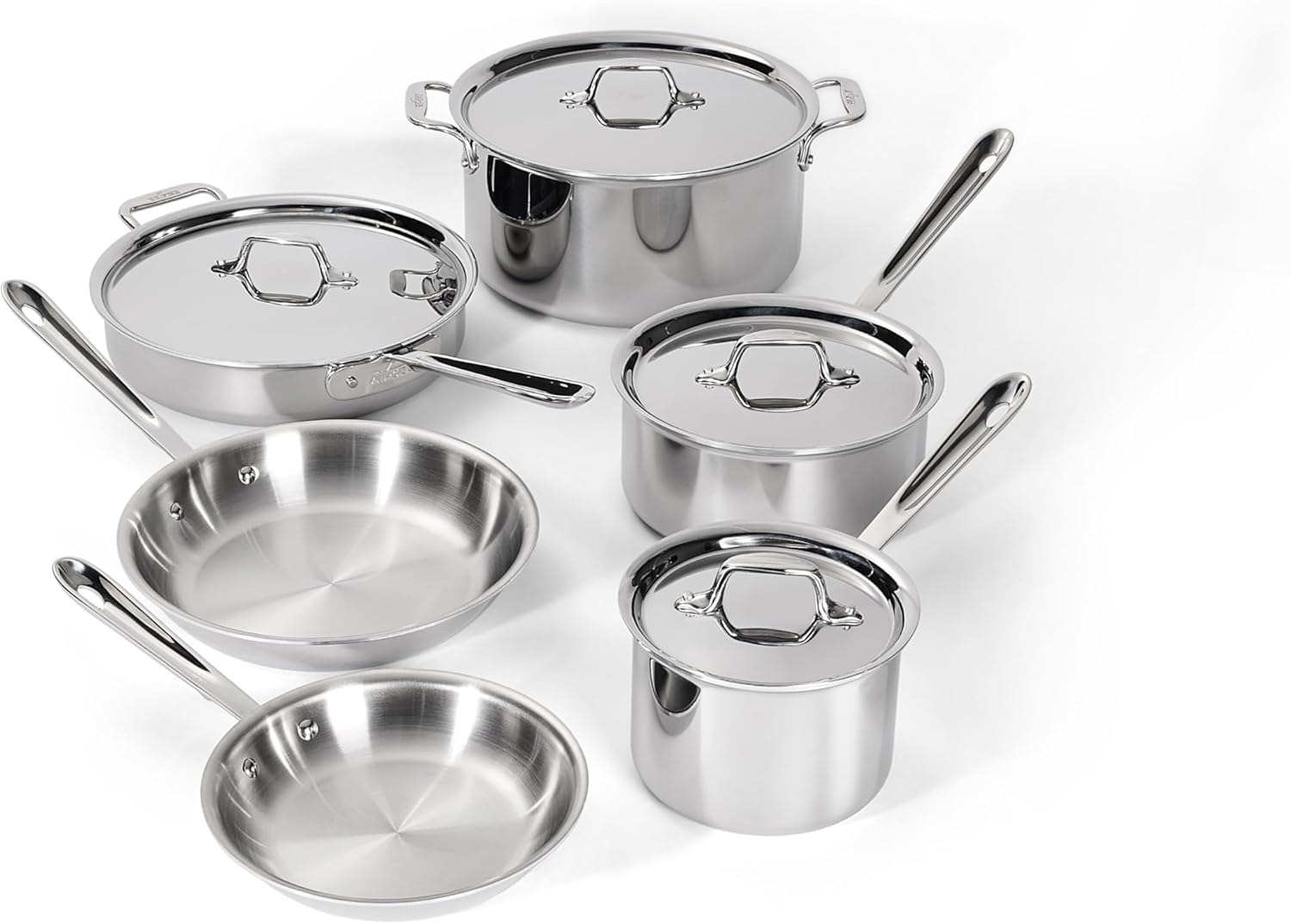
Visual guide about What the Heck Is a Dutch Oven
Image source: i.pinimg.com
Over time, the design evolved, but the core idea stayed the same: a heavy pot with a tight-fitting lid that could be used over an open fire or in an oven. These pots became popular in colonial America, especially for pioneers and settlers who needed reliable cookware on the frontier.
From Campfires to Modern Kitchens
Traditionally, Dutch ovens were used outdoors, buried in hot coals or placed over campfires to slow-cook meals. Today, while many still enjoy them for camping, Dutch ovens are just as popular on stovetops and in ovens at home. Modern versions often feature enamel coatings for easier cleaning and no seasoning required.
What Exactly Is a Dutch Oven?
Defining Characteristics
At its core, a Dutch oven is a heavy pot with thick walls, usually made from cast iron. It has a tight-fitting lid and sturdy handles, making it ideal for slow cooking and heat retention. The weight and material ensure that heat spreads evenly and stays consistent, which helps prevent hot spots and burning.
Materials Used
- Cast Iron: The classic Dutch oven, prized for durability and heat retention. Requires seasoning and care to maintain its non-stick surface.
- Enameled Cast Iron: Coated with a smooth enamel layer, these Dutch ovens don’t require seasoning and are easier to clean but can be pricier.
- Other Materials: While less common, some Dutch ovens come in aluminum or ceramic, but they lack the heat retention properties of cast iron.
Why Is a Dutch Oven So Popular?
Versatility in Cooking
One of the biggest reasons Dutch ovens are beloved is their versatility. You can use them to:
- Slow-cook stews, soups, and braises
- Bake bread with a crisp crust
- Fry or sauté foods evenly
- Roast meats and vegetables
- Even deep-fry if needed
This adaptability makes the Dutch oven a true kitchen workhorse.
Superior Heat Retention and Distribution
The thick cast iron walls absorb heat slowly but hold it for a long time. This makes Dutch ovens perfect for recipes requiring steady, even heat over extended periods. Unlike thinner pots, they minimize scorching and allow flavors to develop beautifully.
Durability and Longevity
A good-quality Dutch oven can last decades, even generations, with proper care. Cast iron versions are nearly indestructible and often become family heirlooms. This durability justifies their sometimes higher upfront cost.
How to Use a Dutch Oven: Practical Tips
Getting Started
If you have a new cast iron Dutch oven, start by seasoning it. This means coating it lightly in oil and heating it to create a natural, non-stick surface. Enameled versions don’t require this step.
Cooking Techniques
- Slow Cooking: Use low to medium heat for braises and stews. The even heat helps tenderize meat and meld flavors.
- Baking Bread: Preheat the Dutch oven in your oven, then place dough inside. The lid traps steam, creating a perfect crust.
- Frying: The heavy lid and thick walls help maintain temperature, making frying safer and tastier.
- Outdoor Cooking: Place hot coals on the lid for campfire cooking to mimic oven heat from above and below.
Common Mistakes to Avoid
- Using high heat abruptly can crack enameled Dutch ovens or warp cast iron.
- Not drying your cast iron pot thoroughly after washing can lead to rust.
- Cleaning with harsh detergents or metal scrubbers damages seasoning.
Maintaining Your Dutch Oven
Cleaning Tips
For cast iron, avoid soap and soak only briefly if necessary. Use a stiff brush or plastic scraper to remove stuck-on food. For enameled, gentle dish soap and soft sponges work well.
Seasoning and Storage
Keep your cast iron Dutch oven seasoned by oiling it occasionally. Store it in a dry place with the lid slightly ajar to prevent moisture build-up.
Handling Repairs
Minor scratches on enamel can be managed with gentle use, but avoid dropping or banging the pot to prevent chips. Rust on cast iron can be scrubbed off and re-seasoned.
Choosing the Right Dutch Oven for You
Size Considerations
Common sizes range from 4 to 7 quarts. For small families, 4-5 quarts is ideal. Larger groups or batch cooking might need 6-7 quarts.
Material Preferences
If you want low maintenance, enameled is the way to go. If you love traditional cooking and don’t mind a bit of upkeep, classic cast iron is unbeatable.
Budget and Brands
Prices vary widely. High-end brands like Le Creuset offer premium enameled Dutch ovens, while Lodge provides affordable, quality cast iron options. Decide what fits your budget and needs best.
Conclusion: Why You Should Own a Dutch Oven
So, what the heck is a Dutch oven? It’s much more than a pot. It’s a cooking companion that can transform your meals from ordinary to extraordinary. Whether you’re simmering a stew, baking artisan bread, or frying crispy chicken, a Dutch oven handles it all with grace and reliability.
This timeless kitchen tool combines history, versatility, and durability in one heavy-duty package. Investing in a Dutch oven means investing in better cooking and a pot that will serve you for years. So go ahead—give Dutch oven cooking a try and experience the magic for yourself!
🎥 Related Video: 7 Ways to Use a Dutch Oven
📺 Le Creuset
A Le Creuset Dutch Oven is useful for more than just soups and stews — it’s a versatile workhorse that can handle just about any …
Frequently Asked Questions
What is a Dutch oven used for?
A Dutch oven is used for a variety of cooking methods including slow cooking, braising, baking, frying, and roasting. Its thick walls and tight lid make it perfect for evenly cooking food over low heat.
Are Dutch ovens only made of cast iron?
Most Dutch ovens are made of cast iron due to its excellent heat retention, but some are made from enameled cast iron, aluminum, or ceramic. Cast iron is the most popular and durable choice.
Do I need to season my Dutch oven?
If you have a traditional cast iron Dutch oven, seasoning is necessary to create a non-stick surface and prevent rust. Enameled Dutch ovens do not require seasoning.
Can I use a Dutch oven on any heat source?
Yes, you can use a Dutch oven on stovetops, in ovens, and even over campfires. Just be sure to avoid sudden temperature changes to prevent damage.
How do I clean and maintain my Dutch oven?
For cast iron, avoid harsh soaps and scrubbers; clean with warm water and a brush, then dry thoroughly. Enameled Dutch ovens can be washed with mild soap and a sponge. Regular seasoning helps maintain cast iron.
What size Dutch oven should I buy?
For most home cooks, a 5 to 6-quart Dutch oven is a versatile size suitable for families. Smaller sizes work for singles or couples, while larger ones are great for big groups or batch cooking.