How to Bake Bread Without a Dutch Oven

How to Bake Bread Without a Dutch Oven shows you easy ways to create bakery-quality bread without special equipment. Using common kitchen items, you’ll learn to get a perfect crust and soft crumb with simple steps and helpful tips.
Key Takeaways
- Use alternative baking vessels: Baking stone, cast iron skillet, or covered roasting pan can replace a Dutch oven.
- Create steam effectively: Adding water trays or spraying the oven helps develop a crispy crust.
- Preheat thoroughly: Proper oven and vessel preheating mimics Dutch oven heat retention.
- Shape and score your dough: Proper shaping and scoring improve bread rise and texture.
- Adjust baking times: Without a Dutch oven, baking times and temperatures may need slight modification.
- Practice makes perfect: Experimenting with methods helps you find what works best in your kitchen.
- Troubleshoot common issues: Learn to fix problems like pale crust or dense crumb without special equipment.
How to Bake Bread Without a Dutch Oven
Baking bread at home is a rewarding experience, especially when you get that beautiful crust and soft inside. But what if you don’t have a Dutch oven? No worries! In this guide, you’ll learn how to bake bread without a Dutch oven using simple tools you already have. We’ll cover alternative baking methods, how to create steam for a crispy crust, step-by-step instructions, and troubleshooting tips.
Why Bake Bread Without a Dutch Oven?
Many recipes call for a Dutch oven because it traps steam and heat evenly, creating ideal baking conditions. However, not everyone owns one. Plus, Dutch ovens can be heavy and expensive. Luckily, you can replicate the effect using other kitchen items. This guide will help you bake delicious bread with a crusty exterior and tender crumb, all without that special pot.
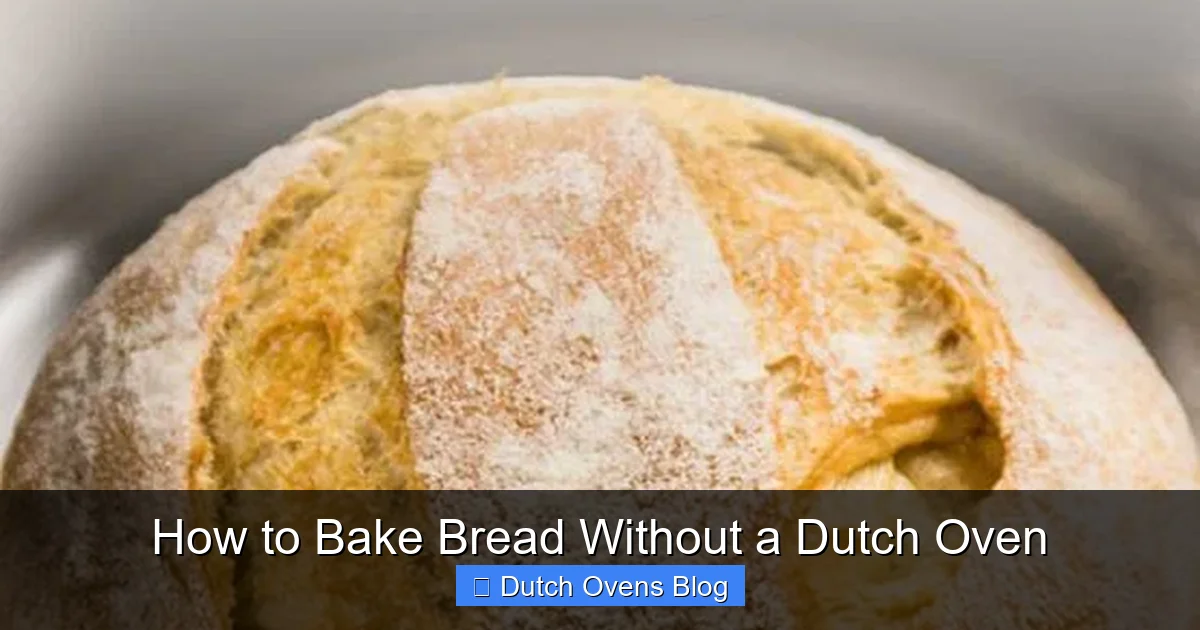
Visual guide about How to Bake Bread Without a Dutch Oven
Image source: i.pinimg.com
Essential Ingredients and Tools
- Basic bread ingredients: flour, water, yeast, salt (optionally sugar or oil depending on recipe)
- Mixing bowl for dough preparation
- Baking sheet or tray, cast iron skillet, or baking stone as alternative vessels
- Oven-safe pan or tray to create steam
- Lame or sharp knife for scoring dough
- Kitchen towel or plastic wrap for dough rising
Step 1: Prepare Your Dough
Start by mixing your bread dough as usual. Here’s a simple recipe to follow:
Basic Bread Dough Recipe
- 3 cups bread flour
- 1 to 1¼ cups warm water
- 2 tsp active dry yeast
- 1½ tsp salt
Mix yeast with warm water and let it activate for 5 minutes. Combine flour and salt in a bowl. Gradually add the yeast mixture and stir until a sticky dough forms. Knead for 8-10 minutes until smooth and elastic. Cover and let rise in a warm place until doubled in size (about 1-2 hours).
Step 2: Shape and Score the Dough
Once the dough has risen, gently punch it down to release air. Turn it onto a floured surface and shape it into a round or oval loaf.
How to Shape Your Dough
- Fold edges into the center to create surface tension.
- Flip the dough seam-side down and gently pull it toward you to tighten the shape.
- Place on parchment paper for easy transfer.
Scoring Your Bread
Use a sharp knife or lame to make shallow cuts (¼ inch deep) on top. This helps the bread expand during baking and gives it an artisan look.
Step 3: Preheat Your Oven and Baking Vessel
Preheating is key to mimic the heat retention of a Dutch oven.
Using a Baking Stone or Steel
- Place the stone or steel on the middle rack.
- Preheat oven to 450°F (230°C) for at least 45 minutes.
Using a Cast Iron Skillet or Roasting Pan
- Put the skillet or pan in the oven and preheat to 450°F (230°C) for 30-45 minutes.
Prepare a Steam Pan
- Place a metal baking tray or pan on the bottom rack for steam.
- Have a spray bottle of water ready.
Step 4: Bake Your Bread Without a Dutch Oven
Here are three effective methods:
Method 1: Baking on a Stone or Steel with Steam
- Transfer the shaped dough on parchment paper onto a peel or flat baking sheet.
- Slide the dough with parchment onto the hot stone or steel.
- Quickly pour 1 cup of hot water into the steam pan below.
- Close the oven door immediately to trap steam.
- Bake for 20 minutes, then remove the steam pan and bake another 15-20 minutes until crust is golden.
Method 2: Using a Cast Iron Skillet
- Preheat the skillet in the oven as described.
- Remove the skillet carefully, place parchment with dough inside.
- Cover the skillet with a large heatproof bowl or aluminum foil tent to trap steam.
- Bake at 450°F (230°C) for 20 minutes covered.
- Remove cover and bake another 15-20 minutes for browning.
Method 3: Covered Roasting Pan
- Place dough on parchment and put inside a roasting pan.
- Cover tightly with the lid or foil.
- Bake at 450°F (230°C) for 25-30 minutes covered.
- Remove cover and bake an additional 15 minutes to develop crust.
Step 5: Cooling Your Bread
Once baked, remove bread from oven and transfer to a wire rack. Let it cool completely (about 1 hour) before slicing. This allows the crumb to set and prevents gummy texture.
Practical Tips for Success
- Use parchment paper: It helps transfer dough easily and prevents sticking.
- Don’t skip steaming: Steam keeps the crust moist initially, allowing better oven spring and crust development.
- Watch your oven temperature: Ovens vary; use an oven thermometer for accuracy.
- Practice scoring: Experiment with different patterns and depths for best results.
- Try different flours: Bread flour gives more gluten and structure; all-purpose flour works too.
Troubleshooting Common Issues
Bread Crust Is Too Soft
Make sure to create steam during the first part of baking. Also, bake uncovered for at least 15 minutes to allow crust to brown and harden.
Bread Did Not Rise Well
Check yeast freshness and proofing time. Ensure dough is kept warm and not over-kneaded or under-kneaded.
Bread Sticks to Baking Surface
Always use parchment paper or generously flour the surface. Preheating baking vessels helps prevent sticking.
Conclusion
Baking bread without a Dutch oven is totally doable and fun! With the right techniques—using a baking stone, cast iron skillet, or roasting pan—you can achieve a beautiful crust and soft crumb. Remember to create steam, preheat thoroughly, and give your dough the time it needs. Practice these steps, and soon you’ll be enjoying fresh homemade bread anytime, no Dutch oven required!
🎥 Related Video: How to bake sourdough bread without Dutch Oven: open bake method
📺 Bakestreet Girl