How to Know If Dutch Oven Is Enameled

Wondering how to know if your Dutch oven is enameled? This guide walks you through simple visual checks, weight tests, and surface examinations to help you identify enameled Dutch ovens with ease. Understanding these signs ensures you care for your cookware properly and choose the right pot for your kitchen needs.
Key Takeaways
- Visual Inspection: Enameled Dutch ovens have a smooth, glossy coating that covers the entire pot, including the lid.
- Weight Difference: Enameled Dutch ovens are usually heavier due to the cast iron base and enamel coating.
- Magnet Test: Cast iron is magnetic, so if a magnet sticks, it’s likely enameled cast iron.
- Surface Texture: The inside surface of an enameled Dutch oven is smooth and glass-like, unlike raw cast iron.
- Heat Reaction: Enameled cookware heats differently and doesn’t require seasoning like bare cast iron.
- Brand and Labeling: Checking brand markings or packaging can confirm if the Dutch oven is enameled.
- Care Instructions: Enameled Dutch ovens require gentle cleaning and no seasoning, which helps identify them.
How to Know If Dutch Oven Is Enameled
If you own a Dutch oven but aren’t sure whether it’s enameled, you’re not alone. Knowing if your Dutch oven is enameled is important for proper care, cooking techniques, and safety. This guide will teach you how to identify an enameled Dutch oven using simple methods anyone can follow. We’ll cover visual cues, tests you can do at home, and tips to differentiate between enameled and bare cast iron Dutch ovens.
Introduction: Why Knowing Matters
Dutch ovens are versatile cookware used worldwide for braising, baking, and simmering. There are two main types: bare cast iron and enameled cast iron. Enameled Dutch ovens have a glass-like coating that prevents rust and eliminates the need for seasoning. Identifying whether your Dutch oven is enameled helps you maintain it correctly and use it safely. In this guide, you’ll learn how to recognize enameled Dutch ovens step-by-step.
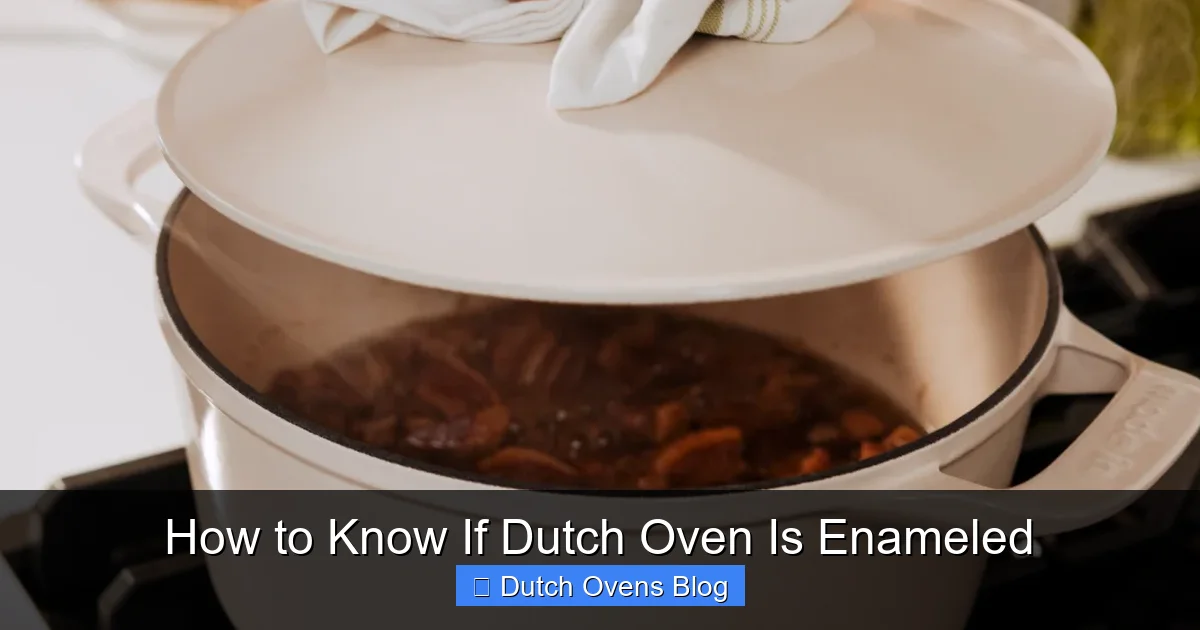
Visual guide about How to Know If Dutch Oven Is Enameled
Image source: refinery29.com
Step 1: Perform a Visual Inspection
Check the Color and Finish
Enameled Dutch ovens almost always have a shiny, glossy finish. The enamel coating comes in various colors — red, blue, green, cream, and more. This smooth surface covers both the exterior and interior. If your Dutch oven has a dull, matte, or rough texture inside, it’s likely not enameled.
Look for Imperfections or Chips
Sometimes enamel can chip or crack, revealing the cast iron beneath. If you see any spots where the coating is missing or flaking, you can confirm the presence of enamel. However, some older or cheaper models may have thinner enamel that wears off faster.
Inspect the Lid
Enameled Dutch ovens usually have a matching enameled lid with the same glossy coating. The lid often has a metal or stainless steel knob, but some have enamel knobs too. A bare cast iron Dutch oven will generally have a rougher, uncoated lid.
Step 2: Check the Weight
Enameled Dutch ovens are made from cast iron, which is heavy. The enamel coating adds a small amount of weight but does not change the overall heaviness significantly. If your Dutch oven feels very light, it might be made from aluminum or another material.
Compare with Other Cookware
If you have multiple Dutch ovens or pots, compare the weight. Enameled cast iron Dutch ovens tend to be heavier than stainless steel or aluminum pots of the same size. This is a good hint that your Dutch oven is enameled.
Step 3: Perform the Magnet Test
Cast iron is magnetic. To check if your Dutch oven is made from cast iron (and likely enameled), place a magnet on the surface. If the magnet sticks firmly, your Dutch oven is cast iron. Since enameled Dutch ovens are made of cast iron with a coating, the magnet test works.
Understanding the Magnet Test Limitations
Some stainless steel cookware is not magnetic, and some aluminum pots are not magnetic either. The magnet test can’t tell you if the coating is enamel, but combined with visual checks, it helps confirm the base metal is cast iron.
Step 4: Examine the Interior Surface
Open your Dutch oven and look inside carefully. Enameled interiors are smooth, glossy, and often brightly colored. There will be no roughness or porous texture. Bare cast iron interiors are dark, matte, and have a slightly rough texture.
Try the Water Test
Pour a small amount of water inside and observe how it behaves. On enameled surfaces, water beads up smoothly and slides easily. On bare cast iron, water spreads out more evenly and is absorbed slightly by the porous surface.
Step 5: Check for Manufacturer’s Markings or Labels
Many enameled Dutch ovens come with brand markings, model numbers, or packaging indicating they are enameled. Look for brands like Le Creuset, Staub, or Lodge, which are known for enameled cookware.
Read the Care Instructions
Care tags or manuals often specify if the Dutch oven is enameled. They will mention “no seasoning needed” or “hand wash recommended” for enameled pots.
Step 6: Understand How the Dutch Oven Reacts to Heat
Enameled Dutch ovens heat evenly but do not require seasoning. If you notice your Dutch oven sticks easily or needs to be seasoned regularly, it’s probably bare cast iron.
Cooking Behavior
Enameled Dutch ovens are great for acidic foods like tomato sauce because the enamel protects the cast iron from reacting. If your Dutch oven reacts with acidic foods (metallic taste or discoloration), it likely isn’t enameled.
Practical Tips and Examples
- Tip 1: If you see bright, colorful exterior paint with a glossy finish, that’s a quick sign of enamel.
- Tip 2: Avoid metal utensils on enameled surfaces to prevent chipping.
- Example: Your Dutch oven looks smooth and shiny, has a stainless steel knob, a magnet sticks, and is heavy — it’s enameled.
Troubleshooting: What If I’m Still Unsure?
If you’re not confident after these steps, consider these options:
- Contact the manufacturer with the model number for confirmation.
- Bring your Dutch oven to a cookware store for expert opinion.
- Look for online images matching your Dutch oven to identify its type.
Conclusion
Knowing how to know if a Dutch oven is enameled is straightforward once you know what to look for. By checking the finish, weight, magnetism, interior texture, and markings, you can easily identify your cookware type. This knowledge helps you care for your Dutch oven properly and cook with confidence. Next time you use your Dutch oven, you’ll know exactly what you’re working with!