What’s Better Than a Dutch Oven

Wondering what’s better than a Dutch oven? While Dutch ovens are kitchen classics, some alternatives offer unique features like lighter weight, non-stick surfaces, or faster cooking times. This guide explores options that might suit your cooking style even better.
Key Takeaways
- Versatility matters: Some alternatives to Dutch ovens offer more specialized cooking benefits.
- Material makes a difference: Cast iron, stainless steel, and ceramic each have pros and cons.
- Weight and maintenance: Dutch ovens can be heavy and need care; lighter options may appeal to some.
- Heat retention vs. heat responsiveness: Some cookware heats quickly but doesn’t hold heat like a Dutch oven.
- Non-stick options: Easier cleanup and less oil needed, unlike traditional Dutch ovens.
- Cost considerations: Alternatives can be more affordable or costlier depending on brand and features.
- Personal cooking style: The best choice depends on what and how you like to cook.
📑 Table of Contents
Introduction
If you love cooking, you probably know the Dutch oven is a kitchen staple. It’s famous for its ability to cook everything from stews to bread with even heat and great flavor. But have you ever wondered if there’s something better than a Dutch oven?
While Dutch ovens are amazing, they aren’t perfect for everyone or every dish. Sometimes, you might want cookware that’s lighter, easier to clean, or heats up faster. This article will explore what’s better than a Dutch oven by looking at popular alternatives and their unique benefits.
By the end, you’ll have a good idea of which cookware might suit your cooking style best—and maybe even find a new favorite pot to add to your kitchen arsenal.
What Makes a Dutch Oven Special?
The Basics of a Dutch Oven
Dutch ovens are thick, heavy pots usually made of cast iron and coated with enamel. They excel at retaining heat and cooking food slowly and evenly. That’s why they’re perfect for braises, soups, and even baking bread.
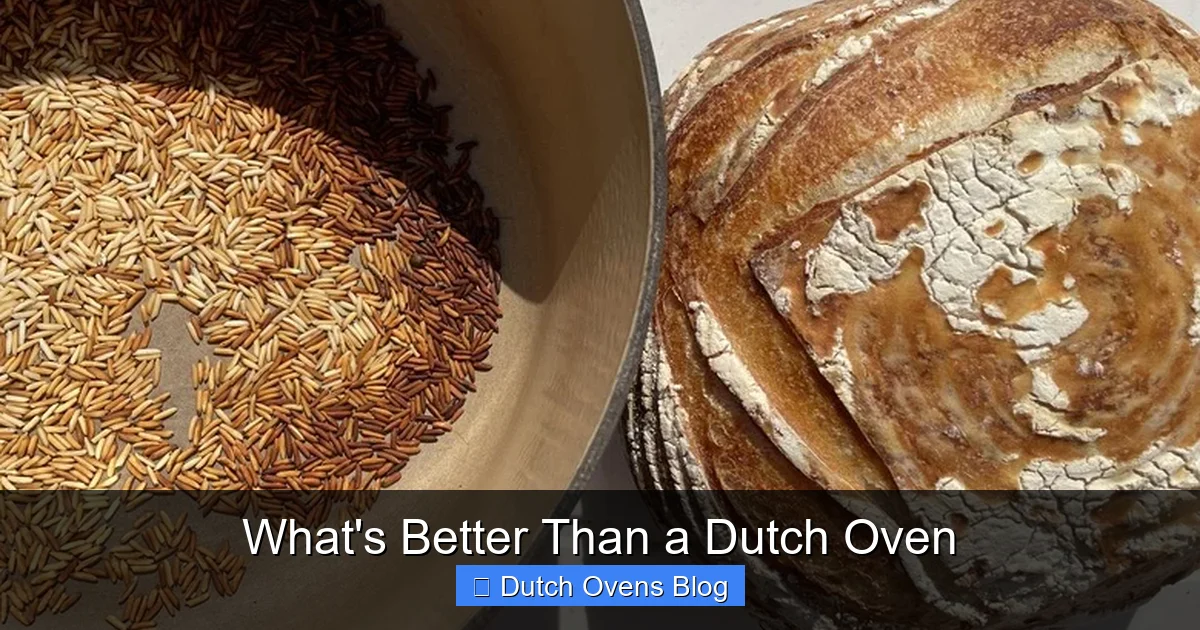
Visual guide about What’s Better Than a Dutch Oven
Image source: mashed.com
Why People Love Dutch Ovens
- Durability: They can last for decades with proper care.
- Heat retention: Keeps food warm and cooks evenly.
- Versatility: Great for stovetop and oven use.
- Flavor development: Perfect for slow-cooked recipes.
Common Drawbacks
However, Dutch ovens are heavy and bulky. Cleaning can be tricky, especially if food sticks. They also take longer to heat up, which may not be ideal for quick meals.
Alternatives to Dutch Ovens: What’s Out There?
Let’s explore some of the best alternatives to Dutch ovens and see what they bring to the table.
1. Enameled Cast Iron Skillets and Pots
If you still love cast iron but want something lighter and easier to handle, smaller enameled pots or skillets might be a good choice. They heat up faster than large Dutch ovens and are easier to clean thanks to the enamel coating.
2. Stainless Steel Stockpots
Stainless steel pots are lighter and easier to maintain. They don’t retain heat as well as cast iron, but they’re great for boiling, simmering, and making soups quickly. Many come with thick bases that help prevent food from sticking.
3. Ceramic Cookware
Ceramic pots are excellent for slow cooking and look beautiful on the table. They don’t season like cast iron but offer non-toxic, chemical-free cooking. The downside is they can be fragile and less heat-retentive.
4. Slow Cookers and Multi-Cookers
Electric slow cookers and devices like Instant Pots offer convenience Dutch ovens can’t match. You can set them and forget them, and many come with multiple cooking modes. They don’t develop the same crust or flavor as cast iron but are perfect for busy cooks.
5. Carbon Steel Pans
Carbon steel is lighter than cast iron but offers similar heat retention and seasoning ability. It’s great for searing and frying but usually comes in skillet or wok shapes rather than pots with lids for braising.
Comparing Key Features: Dutch Oven vs. Alternatives
Heat Retention and Distribution
Dutch ovens excel here thanks to their thick cast iron walls. Stainless steel and ceramic cook unevenly unless the base is specially designed. Slow cookers use low, steady heat but don’t brown food.
Weight and Handling
Dutch ovens are heavy, often 10 pounds or more. This can be tough to lift when full. Stainless steel and ceramic are lighter, while slow cookers require no lifting once placed on a counter.
Maintenance and Cleaning
Traditional cast iron needs seasoning and careful cleaning. Enameled Dutch ovens are easier but still heavier. Stainless steel is dishwasher safe and low maintenance. Ceramic can chip, and slow cookers have removable, easy-to-clean inserts.
Cooking Versatility
Dutch ovens can go from stovetop to oven and even campfire. Slow cookers are electric only. Stainless steel and ceramic can handle a variety of cooking styles but may lack the high-heat searing ability of cast iron.
Practical Examples: When to Choose What
Making a Hearty Beef Stew
A Dutch oven is perfect here for slow braising. But if you want less fuss, a slow cooker can do the job overnight with minimal attention.
Baking Artisan Bread
The Dutch oven’s steam-trapping lid creates crusty bread. Alternatives like ceramic cocottes can also work but may not trap steam as well.
Quick Weeknight Meals
For fast soups or pastas, a stainless steel pot heats quickly and cleans easily, making it better than a heavy Dutch oven.
Camping and Outdoor Cooking
Dutch ovens are great but heavy to carry. Lightweight carbon steel pans or portable electric cookers might be better options.
Tips for Choosing What’s Better Than a Dutch Oven for You
Consider Your Cooking Habits
Do you prefer slow cooking or quick meals? Heavy pots or lightweight pans?
Think About Maintenance
Are you okay with seasoning cast iron? Or do you want dishwasher-safe cookware?
Evaluate Your Budget
Dutch ovens can be expensive. Some alternatives offer budget-friendly options with similar benefits.
Test Heat and Weight
If possible, try handling different pots in-store. Weight and heat responsiveness can make a big difference.
Match Cookware to Your Stove
Induction cooktops need magnetic cookware, so stainless steel or cast iron are best.
Conclusion
So, what’s better than a Dutch oven? The answer depends on what you need. While Dutch ovens remain unmatched for certain recipes thanks to their heat retention and flavor development, many alternatives offer benefits like lighter weight, easier cleaning, and quicker cooking.
From stainless steel pots to slow cookers and ceramic vessels, there are plenty of great options that might suit your kitchen better. Think about your cooking style, maintenance preferences, and budget before making a choice. Whatever you pick, the right cookware will inspire you to cook delicious meals with joy.
Happy cooking!
🎥 Related Video: Why a Dutch Oven is Not a Pot #halloweenwithshorts #shorts
📺 Cooking At Pam’s Place
Why a Dutch Oven is MOT a Pot #shorts @shortsexcellence Subscribe if you have a dutch oven Come with me I’ll show you what …
Frequently Asked Questions
What makes a Dutch oven different from other pots?
Dutch ovens are typically made from thick cast iron, which retains heat very well. They can be used on the stovetop or in the oven, making them versatile for slow cooking and baking.
Are there lighter alternatives to Dutch ovens?
Yes, stainless steel pots and ceramic cookware are usually lighter and easier to handle than heavy cast iron Dutch ovens.
Can I use a slow cooker instead of a Dutch oven?
Slow cookers are great for convenience and slow cooking but won’t provide the same browning or crust formation that a Dutch oven can.
Is ceramic cookware a good replacement for a Dutch oven?
Ceramic cookware works well for slow cooking and serving but may not retain heat as effectively and can be more fragile than cast iron.
How do I maintain a Dutch oven?
Traditional cast iron Dutch ovens need seasoning and careful cleaning to avoid rust. Enameled ones are easier to clean and don’t require seasoning.
Which cookware is best for baking bread?
Dutch ovens are excellent for artisan bread because they trap steam well. Ceramic cocottes can also work but may not produce the same crust quality.