
Are ceramic frying pans bad for your health? The short answer is no. Ceramic frying pans are generally safe, non-toxic, and a great option for healthy cooking. This article explores ceramic pan safety, potential risks, and how to use them properly for the best results.
Contents
- 1 Key Takeaways
- 2 📑 Table of Contents
- 3 Are Ceramic Frying Pans Bad for Your Health? Find Out Now
- 4 What Are Ceramic Frying Pans?
- 5 Are Ceramic Frying Pans Safe for Your Health?
- 6 Comparing Ceramic Pans to Other Non-Stick Options
- 7 Tips for Using Ceramic Frying Pans Safely and Effectively
- 8 Environmental and Health Benefits of Ceramic Cookware
- 9 Common Concerns and How to Avoid Risks
- 10 Conclusion
- 11 Frequently Asked Questions
Key Takeaways
- Safe material: Ceramic coatings are free from harmful chemicals like PFOA and PTFE, making them a healthier choice.
- Non-toxic surface: Ceramic pans don’t release toxic fumes even when overheated.
- Durability varies: Ceramic coatings can wear over time and may chip if not cared for properly.
- Cooking tips matter: Use medium heat and avoid metal utensils to extend pan life and maintain safety.
- Environmental benefits: Ceramic pans are often more eco-friendly than traditional non-stick pans.
- Beware of fakes: Some low-quality ceramic pans may contain harmful additives, so choose reputable brands.
- Proper maintenance: Hand washing and gentle care help keep your ceramic pan safe and effective.
📑 Table of Contents
- Are Ceramic Frying Pans Bad for Your Health? Find Out Now
- What Are Ceramic Frying Pans?
- Are Ceramic Frying Pans Safe for Your Health?
- Comparing Ceramic Pans to Other Non-Stick Options
- Tips for Using Ceramic Frying Pans Safely and Effectively
- Environmental and Health Benefits of Ceramic Cookware
- Common Concerns and How to Avoid Risks
- Conclusion
Are Ceramic Frying Pans Bad for Your Health? Find Out Now
If you’re shopping for a new frying pan, you’ve probably come across ceramic options. They look sleek, promise non-stick cooking, and claim to be healthier than traditional pans. But with so many questions floating around, you might wonder: Are ceramic frying pans bad for your health?
In this article, we’ll dig into the facts about ceramic frying pans, how they work, and what makes them a safe—or sometimes risky—choice for your kitchen. By the end, you’ll know exactly how to pick and care for your ceramic cookware to keep your meals delicious and your health protected.
Let’s start by understanding what ceramic frying pans really are and how they differ from other types of frying pans.
What Are Ceramic Frying Pans?
The Basics of Ceramic Coating
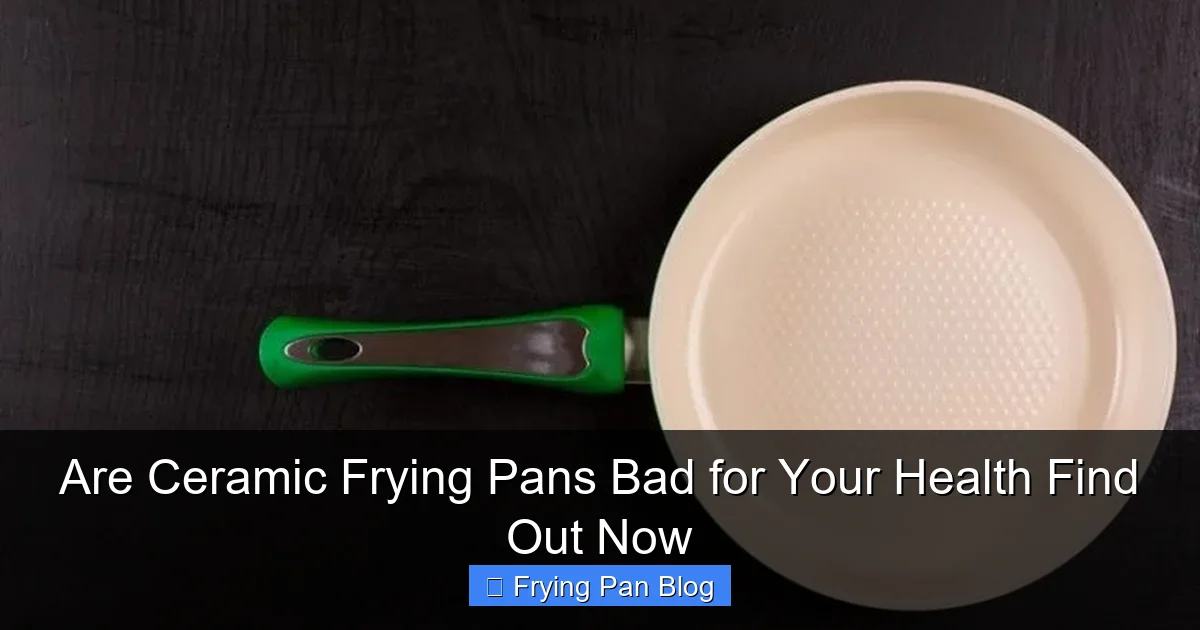
Ceramic frying pans have a coating made from silica-based materials, which is derived from sand. This coating is applied over metal, usually aluminum, to create a smooth, non-stick surface. Unlike traditional non-stick pans, which use chemicals like PTFE (Teflon) and PFOA, ceramic coatings are free from these substances.
Visual guide about Are Ceramic Frying Pans Bad for Your Health Find Out Now
Image source: chefspick.co.uk
Types of Ceramic Cookware
There are two main types of ceramic cookware:
- 100% Ceramic Pans: Made entirely from ceramic materials and fired at high temperatures. These are usually heavier and more fragile.
- Ceramic-Coated Pans: Metal pans coated with a ceramic layer. These are lighter and more common in everyday kitchens.
Most ceramic frying pans you find in stores are ceramic-coated rather than 100% ceramic, combining durability with the benefits of ceramic non-stick surfaces.
Are Ceramic Frying Pans Safe for Your Health?
Non-Toxic and Chemical-Free
The biggest health concern with cookware is whether it releases harmful chemicals into your food. Ceramic frying pans are popular because they don’t contain PTFE, PFOA, lead, or cadmium—chemicals sometimes found in older non-stick pans that can be toxic.
Because ceramic coatings are inorganic and don’t rely on synthetic chemicals, they don’t emit toxic fumes even if overheated moderately. This makes ceramic pans a safer choice for everyday cooking.
What Happens if Ceramic Coating Chips or Wears Off?
Over time, ceramic coatings can wear down or chip, especially if you use metal utensils or scrub too hard. While the coating itself is non-toxic, ingesting small flakes of ceramic might be unpleasant, though not usually harmful. If your pan is heavily damaged, it’s best to replace it.
Comparing Ceramic Pans to Other Non-Stick Options
Ceramic vs. Traditional Non-Stick (Teflon)
Teflon pans are coated with PTFE, which can release harmful fumes if overheated beyond 500°F (260°C). Ceramic pans handle heat better and don’t release dangerous gases, making them safer under high heat conditions.
Ceramic vs. Cast Iron and Stainless Steel
Cast iron and stainless steel pans are durable and safe but often require more oil and careful maintenance to prevent sticking. Ceramic pans provide easy non-stick cooking with less fat and simpler cleanup.
Tips for Using Ceramic Frying Pans Safely and Effectively
Use Medium or Low Heat
Ceramic coatings perform best at medium or low heat. Using high heat can cause the coating to degrade faster, reducing the lifespan of your pan.
Avoid Metal Utensils
Always use wooden, silicone, or plastic utensils to prevent scratching the ceramic surface. Scratches can lead to coating breakdown and potential flaking.
Hand Wash Only
Dishwashers can be harsh on ceramic coatings. Hand wash your pans gently with mild soap and a soft sponge to keep the surface smooth and intact.
Preheat Properly
Don’t heat an empty ceramic pan for too long. Preheat it on low or medium heat with a little oil or butter for best results and to protect the coating.
Environmental and Health Benefits of Ceramic Cookware
Eco-Friendly Choice
Ceramic coatings are made from natural materials and typically don’t require the same chemical processes as traditional non-stick coatings. This can make ceramic pans a greener option for your kitchen.
Less Oil Needed for Cooking
Thanks to their non-stick surface, ceramic frying pans allow you to cook with less oil or butter, promoting healthier meals with lower fat content.
Common Concerns and How to Avoid Risks
Beware of Low-Quality Ceramic Pans
Not all ceramic pans are created equal. Some cheaper versions may include fillers or additives that could contain harmful chemicals. To avoid this, buy from trusted brands that guarantee 100% PTFE and PFOA-free products.
Don’t Overheat Your Pan
While ceramic pans resist high temperatures better than Teflon, extreme heat (above 600°F) can cause damage or discoloration. Stick to medium heat and avoid empty heating.
Conclusion
So, are ceramic frying pans bad for your health? The good news is no, ceramic frying pans are generally safe and non-toxic. Their chemical-free, non-stick surface makes them a smart choice for healthy cooking, especially when used and cared for properly.
Remember to avoid overheating, steer clear of metal utensils, and choose high-quality ceramic cookware from reputable brands. By following these tips, you can enjoy delicious meals cooked safely and with less hassle.
Feel confident using ceramic frying pans in your kitchen—they offer a healthy, eco-friendly alternative to traditional non-stick cookware that many cooks love. Happy cooking!
🎥 Related Video: The Truth About Nonstick and Ceramic Pans
📺 Jon Kung
Let’s talk about nonstick and ceramic pans. Are they safe? Should you be worried about PFAs? Is ceramic better? What kind of …
Frequently Asked Questions
Are ceramic frying pans truly non-toxic?
Yes, ceramic frying pans are made from natural materials and don’t contain harmful chemicals like PFOA or PTFE, making them a non-toxic option for cooking.
Can ceramic pans release harmful fumes?
Ceramic coatings don’t emit toxic fumes even when heated. However, it’s best to avoid overheating any pan to preserve its integrity and safety.
How long do ceramic frying pans last?
With proper care, ceramic pans can last several years. Their coating may wear down faster than other materials, so gentle use and hand washing help extend their lifespan.
Is it safe to cook with a scratched ceramic pan?
Minor scratches are usually safe but may degrade the non-stick surface. If the coating chips or peels, it’s best to replace the pan to avoid ingesting flakes.
Can I use metal utensils with ceramic pans?
No, metal utensils can scratch or chip the ceramic coating. Use wooden, silicone, or plastic tools to protect the surface.
Do ceramic pans require oil for cooking?
Because ceramic pans are non-stick, you can cook with little to no oil, promoting healthier meals with less fat.
