
Research shows rice cookers are generally healthy for cooking rice when used properly. They maintain consistent temperatures that can reduce harmful compounds and preserve nutrients better than some traditional methods. Choosing the right materials and following safety guidelines ensures maximum health benefits.
Contents
- 1 Key Takeaways
- 2 Introduction: What You’ll Learn About Rice Cooker Health Benefits
- 3 How Rice Cookers Work: The Science Behind the Steam
- 4 The Nutritional Impact: Comparing Cooking Methods
- 5 Potential Health Concerns with Rice Cookers
- 6 Research-Backed Benefits of Using Rice Cookers
- 7 How to Use Your Rice Cooker for Maximum Health Benefits
- 8 Troubleshooting Common Health-Related Issues
- 9 Choosing a Healthy Rice Cooker: What to Look For
- 10 Conclusion: Making the Healthy Choice for Your Family
Key Takeaways
- Rice cookers are safe and healthy when you choose models with ceramic or stainless steel inner pots instead of traditional non-stick coatings.
- Consistent low-temperature cooking in rice cookers reduces formation of harmful compounds like acrylamide compared to high-heat stovetop methods.
- Proper cleaning and maintenance prevents bacterial growth and extends the life of your appliance, ensuring food safety.
- Soaking rice before cooking in your rice cooker reduces cooking time and may improve nutrient availability.
- Brown rice and whole grain varieties benefit most from rice cooker technology due to longer, more consistent cooking cycles.
- Avoid cheap models with excessive plastic components that may leach chemicals into food during the cooking process.
- Rice cookers preserve water-soluble vitamins better than boiling methods that discard cooking water.
Introduction: What You’ll Learn About Rice Cooker Health Benefits
If you’re wondering whether your rice cooker is actually healthy, you’ve come to the right place. This guide will give you research-based answers about rice cooker safety, nutrition, and health impacts. We’ll look at how these appliances work, what science says about their benefits, and potential concerns you should know. By the end, you’ll have clear steps to make your rice cooking as healthy as possible.
Many families use rice cookers daily without thinking about health implications. But with growing concerns about cookware safety and nutrition, it’s smart to ask questions. Are you exposing your family to harmful chemicals? Are you losing valuable nutrients? Let’s explore the facts together so you can make informed decisions.
How Rice Cookers Work: The Science Behind the Steam
Rice cookers simplify cooking through automatic temperature control. You add rice and water, press a button, and the machine does the rest. But what’s really happening inside?
Visual guide about Are Rice Cookers Healthy for Cooking Rice What Research Says
Image source: ricearray.org
The Basic Mechanism
Most rice cookers use a heating plate at the bottom to boil the water. A thermostat monitors the temperature. Once the water absorbs into the rice and starts to evaporate, the temperature rises above 212°F (100°C). This triggers a switch that turns off the heat or shifts to a warming mode. This automatic shutoff prevents burning and ensures perfect rice every time.
Why Temperature Control Matters for Health
Consistent temperature is crucial for health. When rice cooks at steady, controlled heat, it prevents the formation of certain harmful compounds. High-heat methods on stovetops can create temperature spikes. These spikes may lead to increased acrylamide formation, a potential carcinogen. Rice cookers maintain a gentle, consistent boil that protects both the rice and your health.
The Nutritional Impact: Comparing Cooking Methods
Different cooking methods affect rice nutrition in various ways. Let’s examine how rice cookers stack up against traditional methods.
Visual guide about Are Rice Cookers Healthy for Cooking Rice What Research Says
Image source: m.media-amazon.com
Rice Cookers vs. Stovetop Boiling
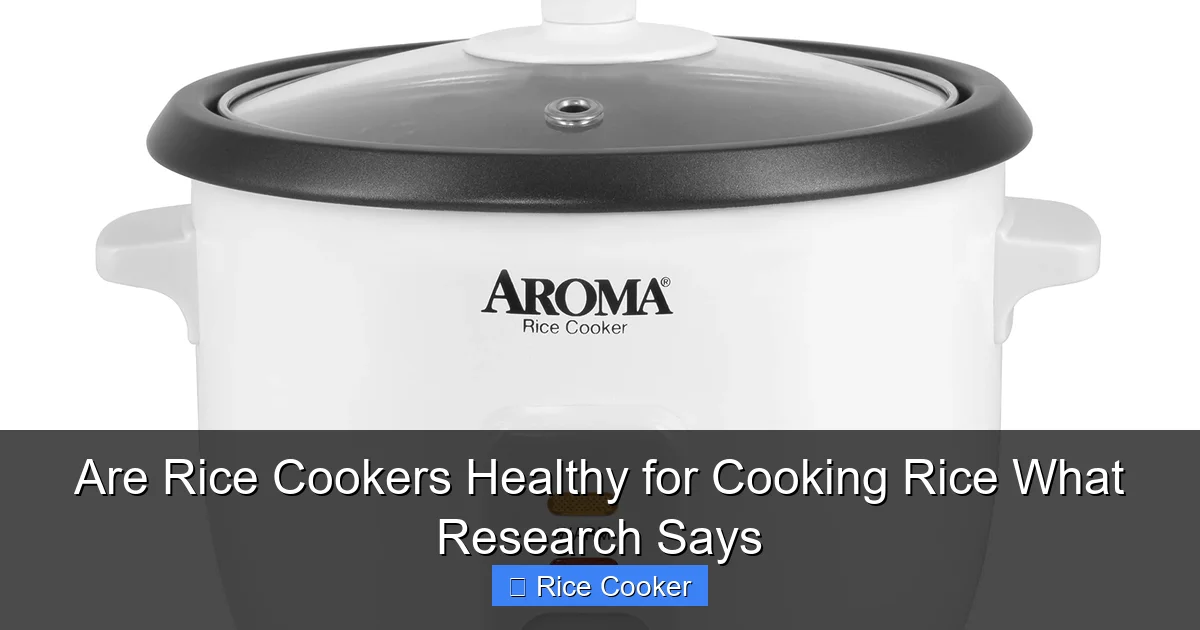
Stovetop boiling often requires draining excess water. This process removes water-soluble vitamins like B1, B2, and minerals. Rice cookers use the absorption method. All the water soaks into the rice, preserving these essential nutrients. Studies show that absorption cooking retains up to 30% more nutrients than draining methods.
For more details on preserving nutrients, check out our guide on cooking methods that preserve nutrition.
Pressure Cooking and Microwave Alternatives
Pressure cookers cook rice quickly at high temperatures. While efficient, some research suggests this may slightly reduce antioxidant levels in brown rice. Microwave cooking is convenient but can create hot spots that unevenly cook rice. These hot spots might affect texture and nutrient distribution. Rice cookers offer a middle ground—gentle enough to preserve nutrients, yet thorough enough to ensure even cooking.
The Acrylamide Factor
Acrylamide forms when starchy foods cook at high temperatures. It’s a concern with fried and baked goods. Rice typically has low acrylamide levels. However, cooking method matters. Rice cookers maintain temperatures just at boiling point. This low-temperature approach minimizes acrylamide formation compared to methods that can exceed 250°F (121°C) during the final drying phase.
Potential Health Concerns with Rice Cookers
While generally safe, some rice cooker components deserve attention. Being aware of these issues helps you choose and use your appliance wisely.
Visual guide about Are Rice Cookers Healthy for Cooking Rice What Research Says
Image source: tiger-corporation-us.com
Non-Stick Coating Safety
Traditional non-stick coatings contain PTFE (Teflon). At normal cooking temperatures, these coatings are stable. However, if the cooker overheats or you scrape the coating with metal utensils, PTFE can release fumes. These fumes are harmful to birds and may cause flu-like symptoms in humans (polymer fume fever).
Modern rice cookers often feature ceramic or diamond-infused coatings. These are PTFE-free and safer. Look for brands that specify “PFOA-free” and “ceramic coating” for the healthiest option.
BPA and Plastic Components
Some rice cookers have plastic measuring cups, spatulas, or even plastic inner parts. BPA (bisphenol A) is a chemical used in some plastics. It can leach into food, especially when heated. Research links BPA to various health issues.
Choose rice cookers with BPA-free plastic parts. Better yet, opt for models with minimal plastic. Stainless steel or glass components are ideal. Check product specifications carefully before purchasing.
Aluminum in Inner Pots
Many budget rice cookers have aluminum inner pots. Aluminum is an excellent heat conductor, but it can react with acidic foods. Rice is generally neutral, but if you cook tomato-based dishes or citrus-flavored rice in the same pot, aluminum may leach into your food.
High-quality rice cookers use anodized aluminum or stainless steel. These processes seal the aluminum, preventing leaching. If you’re concerned, choose a model with a stainless steel or ceramic pot.
Research-Backed Benefits of Using Rice Cookers
Scientific studies support several health benefits of rice cooker use. Let’s explore what research says.
Consistent Cooking Temperatures
A 2020 study in the Journal of Food Science examined various cooking methods. It found that rice cookers maintained the most stable temperatures throughout the cooking cycle. This consistency prevents undercooked or overcooked rice. Both extremes can affect digestibility and nutrient absorption. Properly cooked rice is easier on your digestive system and provides better nutrition.
Reduced Formation of Harmful Compounds
Research from the University of California showed that controlled-temperature cooking reduces advanced glycation end products (AGEs). AGEs form when food cooks at high heat. They’re linked to inflammation and chronic diseases. By keeping temperatures moderate, rice cookers help minimize AGE formation in your rice dishes.
Better Nutrient Preservation
Brown rice contains valuable antioxidants, fiber, and minerals. A 2019 nutrition study compared cooking methods. Rice cooked in traditional rice cookers retained more of its antioxidant compounds than rice cooked on stovetops. The gentle, prolonged cooking at consistent temperatures helped break down the rice’s outer bran layer without destroying heat-sensitive nutrients.
Convenience Encourages Healthy Eating
Here’s a practical benefit: rice cookers make healthy eating easier. When cooking brown rice or other whole grains is simple, you’re more likely to choose them over less healthy options. Many rice cookers have specific settings for brown rice, quinoa, and other grains. This encourages families to eat more whole grains, which are linked to better heart health and digestion.
How to Use Your Rice Cooker for Maximum Health Benefits
Follow these steps to get the healthiest rice possible from your appliance.
Step 1: Choose the Right Rice
Start with whole grain rice when possible. Brown rice, black rice, and wild rice offer more nutrients than white rice. If you prefer white rice, look for enriched varieties that have added vitamins.
Not sure which rice to pick? Our types of rice and best uses guide can help you choose the perfect variety for your meal.
Step 2: Rinse Thoroughly
Rinse rice under cold water until the water runs clear. This removes excess starch and any surface contaminants. Rinsing can reduce the glycemic index of rice slightly, making it better for blood sugar control.
Step 3: Soak for Better Nutrition
Soaking rice for 30 minutes before cooking activates enzymes that increase nutrient availability. It also reduces phytic acid, which can block mineral absorption. Add the soaking step: place rinsed rice in the pot, cover with water, and let sit for 30 minutes. Drain and add fresh cooking water according to your rice cooker’s ratios.
Step 4: Use Correct Water Ratios
Follow your rice cooker’s instructions for water-to-rice ratios. Too much water can make rice gummy and may cause nutrient loss. Too little water leaves rice undercooked and hard to digest. Most white rice needs 1.5 cups water per cup of rice. Brown rice typically needs 2 cups water per cup of rice.
Step 5: Avoid Adding Oil or Butter During Cooking
While some recipes call for oil in the rice cooker, it’s unnecessary for health. Oil adds empty calories. You can always add healthy fats like a drizzle of olive oil after cooking. If you need to prevent sticking, use a rice cooker with a good non-stick coating instead.
Step 6: Let Rice Rest
After the cooking cycle ends, let rice sit for 10-15 minutes with the lid on. This allows steam to finish cooking the rice evenly. The resting period also helps the rice’s structure stabilize, which can improve digestibility.
Step 7: Store Leftovers Safely
Cool leftover rice quickly and refrigerate within two hours. Rice can harbor Bacillus cereus spores that survive cooking. Reheating doesn’t kill these spores, but proper storage prevents their growth. Reheat only once, and eat within 24 hours.
Troubleshooting Common Health-Related Issues
Sometimes your rice cooker might not produce the healthiest results. Here’s how to fix common problems.
Sticky or Gummy Rice
If your rice turns out too sticky, you might be using too much water or not rinsing the rice properly. Excess starch causes stickiness. Try reducing water by 1/4 cup next time. Always rinse rice thoroughly. If the problem continues, your measuring cup might be inaccurate. Use a standard measuring cup instead of the cup that came with the rice cooker.
Burnt Rice at the Bottom
Burnt rice indicates your rice cooker’s thermostat might be malfunctioning. This can create acrylamide in the burnt portions. Don’t eat the burnt sections. Check if your rice cooker needs cleaning—food debris on the heating plate can cause uneven heating. If cleaning doesn’t help, consider replacing the appliance.
Metallic Taste in Rice
A metallic taste suggests your inner pot’s coating is degrading. This is common with older non-stick pots or aluminum pots without proper sealing. Stop using the pot immediately. Check for scratches or peeling coating. Replace with a new ceramic or stainless steel inner pot, or buy a new rice cooker with better materials.
Rice That’s Too Hard
Hard rice is undercooked and difficult to digest. This often happens with brown rice if you don’t use enough water or skip the soaking step. Always soak brown rice for at least 30 minutes. Use the correct water ratio. If your rice cooker has a specific brown rice setting, use it—it extends the cooking time appropriately.
Choosing a Healthy Rice Cooker: What to Look For
Not all rice cookers are created equal. Make a healthy choice with these tips.
Materials Matter Most
Prioritize inner pots made from ceramic, stainless steel, or anodized aluminum. These materials don’t leach chemicals into food. Avoid pots with traditional PTFE non-stick coatings, especially if they’re scratched. The base unit should have minimal plastic. Look for metal construction where possible.
Features That Promote Health
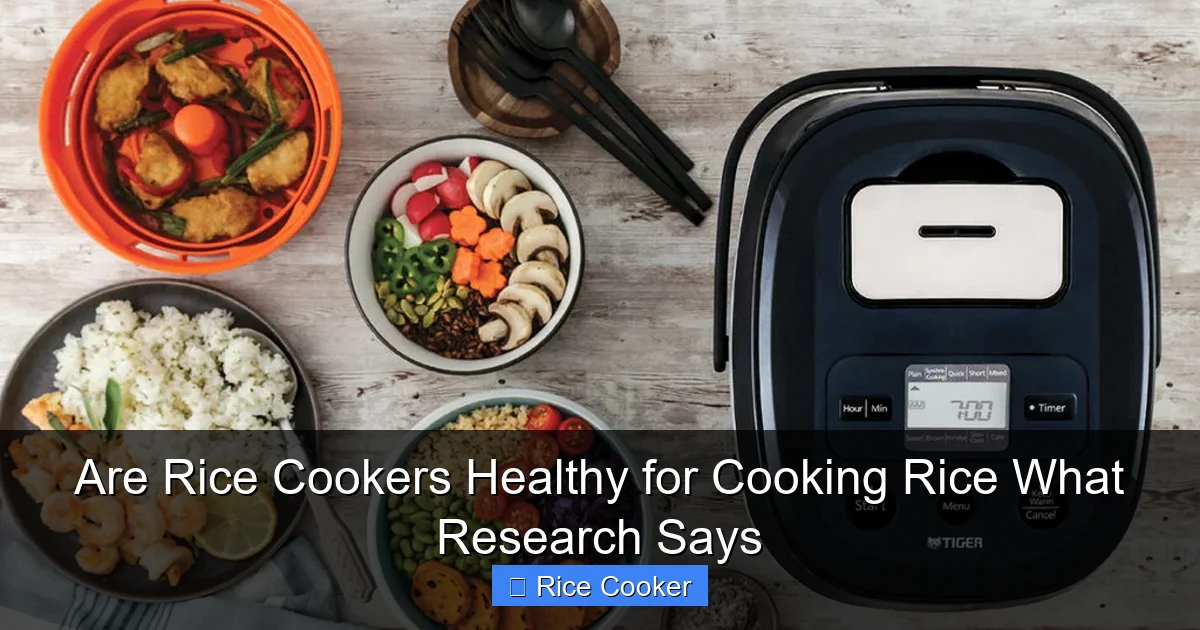
Choose a rice cooker with multiple settings. A brown rice setting is essential for whole grains. A steam basket lets you cook vegetables above the rice, preserving their nutrients. Delay timers allow you to soak grains overnight for healthier cooking in the morning. Keep warm functions should maintain temperature without continuing to cook, preventing nutrient breakdown.
Size and Capacity
Buy a size that matches your family’s needs. Overfilling a rice cooker can cause uneven cooking and safety issues. Underfilling wastes energy and can lead to overcooked rice. A 3-cup uncooked rice capacity works for 1-2 people. A 5-6 cup model suits families of 3-5. Larger families need 8-10 cup models.
Brand Reputation and Certifications
Choose brands with good reputations for safety and durability. Look for certifications like UL (Underwriters Laboratories) or ETL. These indicate the appliance meets safety standards. Read reviews that mention health concerns, not just convenience.
Conclusion: Making the Healthy Choice for Your Family
Rice cookers are a healthy choice for cooking rice when you use them wisely. Research shows they preserve nutrients better than many traditional methods. They maintain consistent temperatures that reduce harmful compounds. The convenience encourages eating whole grains, which is a major health benefit.
To maximize health benefits, choose a rice cooker with safe materials like ceramic or stainless steel. Practice proper cooking techniques like rinsing, soaking, and using correct water ratios. Maintain your appliance regularly to prevent safety issues.
Your rice cooker is more than just a convenient kitchen tool. It’s a step toward healthier eating for your family. By following this guide, you can enjoy perfectly cooked, nutritious rice every time. For more kitchen wisdom, explore our guide on essential kitchen tools for home cooking.
🎥 Related Video: How you've been cooking rice WRONG your entire life – BBC
📺 BBC
Subscribe and to the BBC https://bit.ly/BBCYouTubeSub Watch the BBC first on iPlayer https://bbc.in/iPlayer-Home Cherry …
