
Most modern rice cookers are non toxic when used properly. The main concerns involve older non-stick coatings containing PFOA, but newer models use safer alternatives. By choosing ceramic, stainless steel, or induction-safe pots and following proper maintenance, you can enjoy worry-free rice cooking. This guide reveals exactly how to identify truly safe rice cookers and use them without health risks.
Contents
- 1 Key Takeaways
- 2 Are Rice Cookers Toxic or Non Toxic? The Final Verdict
- 3 Understanding Rice Cooker Materials: What Actually Contacts Your Food
- 4 What Makes a Rice Cooker Toxic? Identifying Real vs. Perceived Risks
- 5 How to Identify a Truly Non-Toxic Rice Cooker: Your Step-by-Step Shopping Guide
- 6 Safe Usage Guidelines: Maximizing Safety with Any Rice Cooker
- 7 Comparing Popular Rice Cooker Types: Which is Safest?
- 8 Troubleshooting Common Safety Concerns
- 9 The Final Verdict: Should You Keep Using Your Rice Cooker?
Key Takeaways
- Modern rice cookers are generally safe: Newer models have eliminated PFOA and use safer non-stick alternatives like ceramic coatings.
- Material matters most: Stainless steel, ceramic, and clay inner pots are the safest, most non-toxic options available.
- Temperature control is critical: Overheating non-stick coatings can release harmful fumes, so avoid cooking on high heat.
- Look for safety certifications: FDA, LFGB, and Prop 65 certifications ensure your rice cooker meets strict safety standards.
- Maintenance prevents toxicity: Scratched coatings and damaged pots should be replaced to avoid potential chemical leaching.
- Proper ventilation reduces risk: Always use your rice cooker in a well-ventilated area to disperse any minimal fumes.
Are Rice Cookers Toxic or Non Toxic? The Final Verdict
You’re standing in the kitchen, staring at your rice cooker. It’s convenient, it’s reliable, but suddenly you’re wondering: could this everyday appliance be silently harming your health? This question has sparked countless debates, sent shoppers scrambling for answers, and left many of us questioning whether we should ditch our trusted kitchen helpers.
Let’s cut through the confusion right now. The final verdict? Most modern rice cookers are non toxic when used correctly. However, the answer isn’t quite that simple. The truth lies in the materials, the manufacturing processes, and how you use and maintain your device. This comprehensive guide will walk you through everything you need to know about rice cooker safety, from identifying truly non-toxic models to using them without worry.
By the end of this article, you’ll have the knowledge to make informed decisions about your rice cooker. You’ll know which materials to seek out, which certifications matter, and how simple maintenance habits can protect you and your family. Let’s dive into the science, the solutions, and the peace of mind you deserve.
Understanding Rice Cooker Materials: What Actually Contacts Your Food
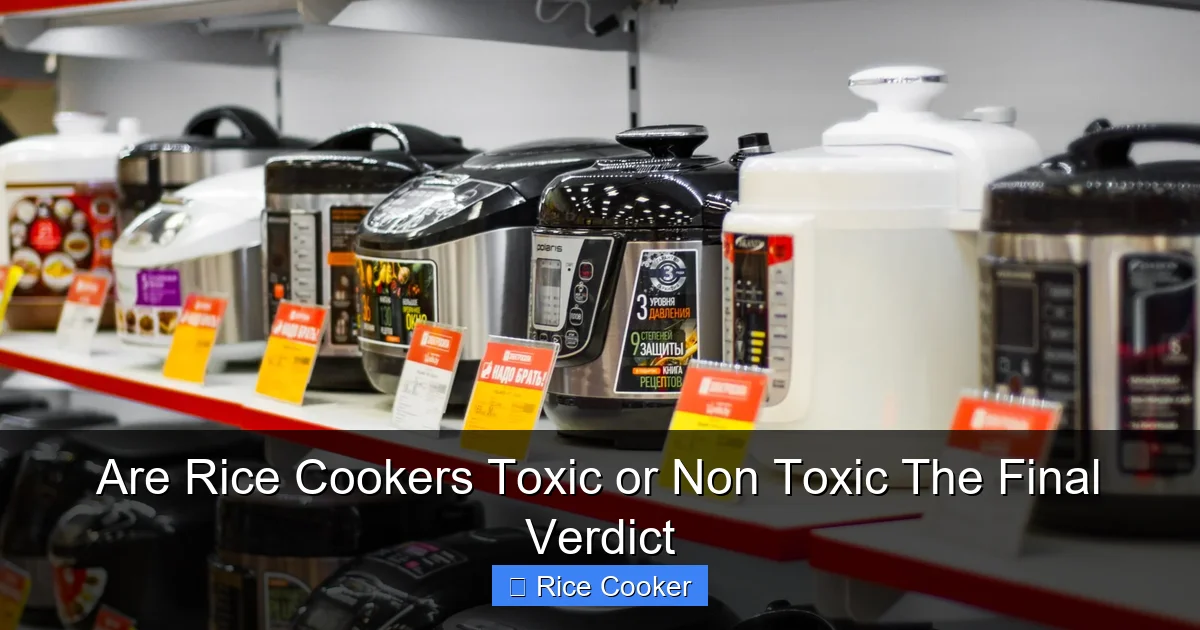
The safety of your rice cooker depends almost entirely on what touches your food. Not all materials are created equal, and understanding the differences is your first line of defense against potential toxicity.
Visual guide about Are Rice Cookers Toxic or Non Toxic The Final Verdict
Image source: mamavation.com
The Non-Stick Coating Debate
Traditional non-stick coatings have faced scrutiny for decades. These coatings, typically made with PTFE (polytetrafluoroethylene), were once manufactured using PFOA (perfluorooctanoic acid). PFOA is the chemical that raised red flags. Studies linked it to health issues including thyroid problems, immune system effects, and certain cancers. The good news? PFOA was phased out of manufacturing in the United States by 2015.
Today’s non-stick coatings use alternative processes that don’t require PFOA. However, the base material PTFE can still pose risks when overheated. At temperatures above 500°F (260°C), PTFE coatings begin to break down and release fumes. These fumes can cause polymer fume fever in humans and are famously toxic to birds. The key here is temperature management. Rice cookers typically operate at much lower temperatures—usually between 170-212°F (77-100°C) for cooking and 140-160°F (60-70°C) for warming. This is well below the decomposition point of modern coatings.
Inner Pot Materials: Your Food’s Direct Contact
The inner cooking pot is where your rice spends its time. This is the most critical component for assessing toxicity.
Stainless Steel: This is the gold standard for non-toxic cooking. High-quality stainless steel pots (look for 304 or 316 grade) don’t leach chemicals into your food. They’re durable, long-lasting, and completely inert. The downside? Rice can stick if you don’t rinse it properly first. But from a health perspective, stainless steel is virtually risk-free.
Ceramic Coatings: Marketed as a safer alternative to traditional non-stick, ceramic coatings are made from sand and soluble fluoride compounds. They’re generally considered non-toxic and can withstand higher temperatures. However, quality varies dramatically between manufacturers. Some ceramic coatings may contain heavy metals like lead or cadmium in the glaze, especially in cheaper imported models. Always verify that ceramic coatings are FDA-approved for food contact.
Clay or Ceramic Pots: Traditional clay cookers are making a comeback. These unglazed or naturally glazed pots are completely non-toxic and add a unique flavor to rice. They’re excellent for health-conscious cooks but require more careful handling and seasoning.
Aluminum: Many budget rice cookers use aluminum inner pots. While aluminum itself isn’t toxic in small amounts, acidic foods can cause leaching. Rice is relatively neutral, but if the non-stick coating wears off, you could be ingesting small aluminum particles. Anodized aluminum is safer as it has a protective oxide layer.
Exterior Housing and Components
While the exterior doesn’t touch your food directly, it can affect safety. Plastic housings may contain BPA (bisphenol A) or other endocrine disruptors. Look for BPA-free plastics. Metal housings are generally safer. The heating plate should be covered and sealed to prevent food particles from burning onto exposed elements, which could create smoke and potentially harmful compounds.
What Makes a Rice Cooker Toxic? Identifying Real vs. Perceived Risks
Now that we understand the materials, let’s examine what actually creates toxicity risks in rice cookers. Separating fact from fear will help you make rational decisions.
Visual guide about Are Rice Cookers Toxic or Non Toxic The Final Verdict
Image source: sustainablykindliving.com
PTFE and PFOA: The Original Concerns
Let’s address the elephant in the room. PFOA is gone from modern manufacturing. The PTFE-based non-stick coatings today are fundamentally different. The FDA has approved these new formulations for food contact. The real risk isn’t the coating itself under normal use—it’s overheating.
Can a rice cooker overheat? Yes, but it’s rare. Faulty thermostats, broken switches, or using the cooker for purposes other than rice (like deep frying) can push temperatures into dangerous territory. Normal rice cooking cycles are designed with safety in mind. The thermostat automatically shuts off or switches to warm mode once the water is absorbed and temperature rises above boiling point.
The warming function presents minimal risk. It maintains rice at 140-160°F, nowhere near the 500°F needed to decompose PTFE. You can safely keep rice warm for hours without worrying about toxic fume release.
Heavy Metals and Chemical Leaching
This is where real vigilance matters. Some manufacturers, particularly those producing budget models, may cut corners with materials.
Lead and Cadmium in Ceramic Coatings: Cheap ceramic coatings may use these toxic heavy metals as stabilizers or colorants. When heated repeatedly, these can leach into food. This is especially concerning for rice cooked at high temperatures or kept warm for extended periods.
Aluminum Leaching: As mentioned earlier, if the inner pot’s coating is damaged, aluminum can migrate into your rice. While your body can handle small amounts, chronic exposure isn’t ideal. The risk is highest with acidic foods, but rice’s pH is typically around 6-7, making it relatively safe even with minor coating damage.
Plastic Components: The measuring cup, lid handles, and steam vents are often plastic. These can contain phthalates or BPA if not properly formulated. Look for “BPA-free” labels and avoid letting plastic parts touch hot food directly.
BPA in Plastic Parts: Should You Worry?
BPA is an endocrine disruptor that mimics estrogen in the body. It’s been banned in baby bottles and children’s products in many countries. While most reputable rice cooker manufacturers now use BPA-free plastics, it’s still worth checking. The plastic measuring cup that comes with your cooker is unlikely to leach significant BPA, especially since it doesn’t get heated during cooking. However, plastic steam vents that release hot steam could potentially release BPA if the plastic isn’t food-grade quality.
The solution? When in doubt, choose models with minimal plastic components or those that specify “BPA-free” construction throughout.
How to Identify a Truly Non-Toxic Rice Cooker: Your Step-by-Step Shopping Guide
Ready to shop smart? Follow these steps to ensure you bring home a rice cooker that’s safe for you and your family.
Visual guide about Are Rice Cookers Toxic or Non Toxic The Final Verdict
Image source: sustainablykindliving.com
Step 1: Check the Coating Type
Flip the box over and read the fine print. Look for these specific terms:
- “PFOA-free” (should be standard on all modern models)
- “Ceramic coating” with FDA approval
- “Stainless steel 304/316 interior”
- “Titanium reinforced non-stick” (generally more durable)
Avoid vague terms like “eco-friendly coating” or “advanced non-stick” without specifics. These are marketing fluff that don’t tell you what you’re actually getting.
Step 2: Look for Safety Certifications
Certifications are your safety net. They mean independent labs have tested the product. Here’s what to look for:
FDA Approval: This is the baseline. It ensures the materials are safe for food contact under normal use conditions.
LFGB Certification: This is the German standard, stricter than FDA. It tests for leaching of heavy metals and harmful substances. Products with LFGB certification have passed rigorous safety tests.
Prop 65 Compliance: California’s Proposition 65 requires warning labels for products containing chemicals known to cause cancer or reproductive harm. If a product complies with Prop 65 without needing a warning label, it’s a good sign.
ETL or UL Listing: These electrical safety certifications ensure the appliance won’t overheat or cause fires, which indirectly prevents the dangerous conditions that could create toxic fumes.
Step 3: Research the Brand Reputation
Not all manufacturers prioritize safety equally. Stick with established brands known for quality control. Zojirushi, Tiger, Aroma Housewares, and Cuckoo have decades of experience and robust quality assurance. Check customer reviews specifically mentioning “safety,” “chemical smell,” or “coating durability.” If multiple reviews mention unusual odors or peeling coatings, run the other way.
For smaller or generic brands, dig deeper. Check if they have a US-based customer service team and warranty support. Offshore manufacturers with no US presence often have less accountability.
Step 4: Examine Material Composition Transparency
Reputable brands proudly display their material specifications. Look for detailed product descriptions that list:
– Exact grade of stainless steel
– Coating composition (e.g., “ceramic derived from sand”)
– Plastic component materials (e.g., “BPA-free polypropylene”)
– Country of manufacture (Japan, South Korea, and Germany tend to have stricter regulations than some other manufacturing hubs)
If this information is missing or vague, it’s a red flag. Transparency is a hallmark of companies confident in their product safety.
Safe Usage Guidelines: Maximizing Safety with Any Rice Cooker
Even the safest rice cooker can become risky with improper use. These simple habits will keep your cooking experience worry-free.
Temperature Management is Everything
Never use your rice cooker for anything but its intended purpose. Don’t try to deep fry, sauté onions, or cook foods that require temperatures above 300°F. The thermostat is calibrated for rice cooking temperatures. Forcing it into other roles can cause dangerous overheating.
If you notice your rice cooker’s exterior becoming too hot to touch, or if you see smoke, unplug it immediately. Let it cool completely before inspecting for damage or contacting the manufacturer.
For those cooking different types of rice, always follow the manufacturer’s guidelines. Brown rice and wild rice require longer cooking times but don’t exceed the recommended water-to-rice ratios. Too little water can cause scorching, which burns the coating and creates potentially harmful compounds.
Proper Cleaning and Maintenance
How you clean your rice cooker matters as much as how you use it. Never use metal scouring pads or abrasive cleaners on non-stick surfaces. These can scratch the coating, creating pathways for potential leaching and making the surface less effective.
Instead, use soft sponges or cloths with mild dish soap. For stuck-on rice, soak the pot in warm water for 15-30 minutes before cleaning. This loosens debris without scratching.
Clean the inner pot after every use. Don’t let rice sit in the warm pot for more than 2-3 hours. While the warm setting is safe, extended heat exposure can accelerate coating wear.
Inspect your pot regularly. Run your finger along the cooking surface. If you feel scratches, ridges, or bare spots, it’s time to replace the pot or the entire unit. Most manufacturers sell replacement inner pots, making it economical to refresh your cooker rather than buying a new one.
When to Replace Your Rice Cooker
Even the best rice cookers don’t last forever. Here’s when safety should override sentiment:
Visible Coating Damage: Peeling, flaking, or bubbling non-stick coating means it’s time to go. Don’t try to sand it down or continue using it. Those flakes could end up in your food.
Persistent Odors: If your rice cooker develops a chemical smell that doesn’t go away after washing, stop using it. This indicates material breakdown.
Electrical Issues: Flickering lights, inconsistent heating, or a warming function that won’t turn off are fire hazards and potential sources of toxic fumes.
Age: If your rice cooker is more than 10 years old, consider upgrading. Manufacturing standards have improved dramatically, and newer models are significantly safer.
When replacing, look for models with stainless steel or ceramic interiors. These materials last longer and pose fewer long-term risks than traditional non-stick.
Comparing Popular Rice Cooker Types: Which is Safest?
Let’s break down the safety profile of each major rice cooker type to help you choose the right one for your kitchen.
Traditional Non-Stick (PTFE-Based)
These are the most common and most affordable rice cookers. With modern PFOA-free formulations, they’re safe when used correctly. The main risks come from overheating and coating damage. If you choose this type, avoid high heat settings, never use metal utensils, and replace the pot when scratched.
Best for: Budget-conscious buyers who will use the cooker only for rice and replace it every 3-5 years.
Ceramic Coating
Generally considered safer than PTFE because they can withstand higher temperatures without breaking down. However, quality varies. Cheap ceramic coatings may contain heavy metals. Premium ceramic coatings from reputable brands are excellent non-toxic choices.
Best for: Eco-conscious cooks who want a non-stick surface without PTFE concerns.
Stainless Steel
The safest option available. No coatings, no leaching concerns, and incredible durability. The only downside is potential sticking, but this can be minimized by rinsing rice thoroughly and using the correct water ratio. Once you master the technique, stainless steel produces perfect rice every time.
Best for: Health-conscious families, long-term investment, and those who cook frequently.
Clay Pot Rice Cookers
These traditional cookers offer the most natural cooking experience. Unglazed clay is completely inert and adds minerals to food. They require seasoning and careful handling but are the ultimate non-toxic option.
Best for: Traditional cooking enthusiasts and those seeking the purest form of rice preparation.
No matter which type you choose, you can make perfect rice every time by following proper techniques. If you’re new to rice cookers, our guide on how to cook rice perfectly every time will help you master the basics.
Troubleshooting Common Safety Concerns
What if you already own a rice cooker and you’re noticing issues? Don’t panic. Here’s how to address common problems safely.
Scratched or Peeling Coating
This is the most common concern. If you see scratches, you have options:
Minor surface scratches: These are cosmetic and don’t pose immediate health risks. However, they can affect non-stick performance. Continue using but monitor the area for further damage.
Deep scratches or peeling: Stop using the pot immediately. Contact the manufacturer about a replacement pot. Many brands offer 1-2 year warranties that cover coating defects. If replacement isn’t possible, it’s time to buy a new unit with a safer interior material.
Prevention: Always use wooden, silicone, or plastic utensils. Never cut rice directly in the pot. Store the pot with a soft liner (like a tea towel) between stacked cookware to prevent scratches during storage.
Unusual Odors During Cooking
A faint “new appliance” smell is normal during the first few uses. This is off-gassing from manufacturing residues. Run 2-3 cycles with plain water before cooking rice for consumption.
However, persistent chemical odors indicate problems:
Plastic smell: Could mean the plastic components are overheating. Ensure the cooker has proper ventilation. Don’t place it near walls or cabinets. If the smell continues, stop using it.
Metallic or burning smell: This suggests the coating is degrading or food is burning onto the heating element. Unplug immediately and inspect for damage. Clean thoroughly. If you can’t remove the smell, discontinue use.
When in doubt, trust your nose. If something smells wrong, it probably is.
Discoloration of Rice or Water
Brown or gray discoloration in rice or cloudy water can signal leaching. This is rare with modern cookers but can happen with damaged coatings or very old units.
If your rice comes out discolored, stop using the cooker. Test the water pH—if it’s significantly different from your tap water, materials are leaching into your food. This is a clear sign to replace the unit.
For preventive maintenance, consider making a simple rice and beans recipe once a month. This tests your cooker’s performance with different grains and starches, helping you spot any irregularities early.
The Final Verdict: Should You Keep Using Your Rice Cooker?
After examining all the evidence, the answer is a resounding yes—with caveats. Modern rice cookers from reputable manufacturers are safe, non-toxic appliances when used as intended. The elimination of PFOA from manufacturing processes was a game-changer. The temperatures rice cookers operate at are well below the threshold for coating degradation.
Your risk level depends on three factors: the materials in your specific cooker, how well you maintain it, and how old it is. A brand-new ceramic-coated rice cooker from a trusted brand used properly poses virtually no health risk. An older, scratched non-stick pot from an unknown manufacturer used for years? That’s worth reconsidering.
Here’s your action plan: If you own a rice cooker made in the last five years by a reputable brand, keep using it. Follow the maintenance guidelines we discussed. Replace it if you see damage. If you’re shopping for a new one, prioritize stainless steel or high-quality ceramic interiors. Look for those safety certifications. Avoid the cheapest models—they’re cheap for a reason.
Rice cookers are among the safest kitchen appliances available. They have fewer moving parts than blenders, operate at lower temperatures than air fryers, and pose fewer risks than non-stick skillets that can be overheated on stovetops. The convenience, consistency, and health benefits of perfectly cooked whole grains far outweigh the minimal risks when you choose wisely.
So go ahead, cook that rice. Make that quinoa. Prepare your steel-cut oats. Your rice cooker is a safe, reliable tool that belongs in your healthy kitchen. Just remember to treat it well, and it will treat you well in return.
🎥 Related Video: Best & Worst Cookware Materials 🔥 | Safe vs Toxic Cookware Explained!
📺 AYURVEDA SUTRA
Discover the best and worst cookware materials for healthy cooking! Learn which pans and pots are safe, durable, and …
